Cities in Japan
Tokyo: A Complete Guide to Neighbourhoods and Attractions
This guide contains affiliate links. If you book through them we earn a small commission, at no extra cost to you. Affiliate Disclosure
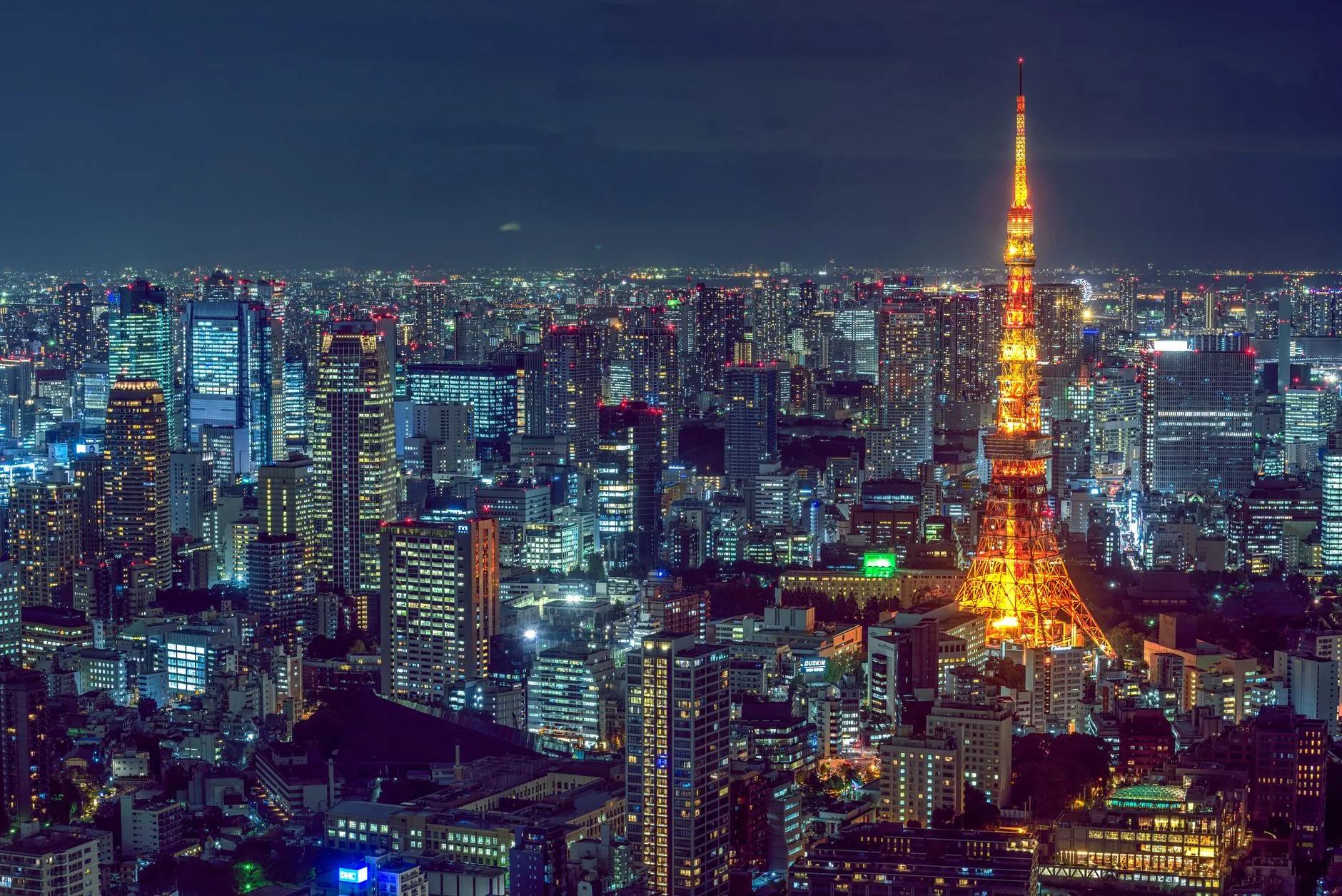
Tokyo is not really one city — it is a collection of dozens of neighbourhoods, each functioning as a city in its own right, with its own character, pace, and food scene. In ten minutes on foot you can pass from a quiet Buddhist temple founded in the seventh century to a scramble crossing where thousands of people flow through every traffic cycle.
The good news for anyone landing after a 14–18 hour flight: Tokyo, despite its scale, is easy to navigate once you understand how the rail network is organised. This guide covers the neighbourhoods, attractions, accommodation, food, and day trips — with realistic timings and prices.
How long in Tokyo
Three to four full days is the minimum before you start adding day trips. Best seasons: spring (cherry blossoms, late March to early April) and autumn (October–November, when the leaves turn red). Avoid Golden Week (early May) and the humid peak of summer — both the crowds and the humidity make sightseeing a grind. Winter is cool but clear and quiet, and hotel prices are friendlier.
Realistic daily budget (excluding accommodation): ¥8,000–15,000 (≈ $53–100). Trains cost around ¥1,000 a day; meals ¥1,000–2,500; attractions ¥2,000–3,800.
Getting around
The main artery is the Yamanote Line — a circular JR loop that stops at every major hub: Shinjuku, Shibuya, Tokyo, Ueno, Akihabara, and more. Beneath it, two metro networks (Tokyo Metro and Toei) cover every corner. A single ride typically costs ¥170–320 (≈ $1.10–2.10) by distance, and Google Maps gives you the line, platform, and arrival time.
From Narita airport, take the Narita Express or Keisei Skyliner (¥2,500 ≈ $17, about 45 minutes), or the cheaper Access Narita bus (¥1,300 ≈ $8.70). Haneda is much closer — the monorail or Keikyu line reaches the centre in about 30 minutes for ¥500 ≈ $3.30. Rush hour (08:00–09:00) is very crowded; the last train runs around midnight.
The neighbourhoods worth knowing
Shinjuku — skyscrapers, the world’s busiest train station, and the izakaya alleys of Golden Gai, plus the Kabukicho entertainment district. Shinjuku Gyoen provides a green breathing space amid the bustle. Good base for easy access across the city — hotels in Shinjuku.
Shibuya — the world-famous scramble crossing where thousands of pedestrians cross simultaneously, the Hachiko statue, and youth shopping. The Shibuya Sky observation deck on Shibuya Scramble Square is excellent for sunset — Shibuya Sky tickets sell out for the sunset slot. Hotels in Shibuya suit those interested in nightlife.
Asakusa — the traditional side: Senso-ji temple, Nakamise shopping street with souvenirs and street food, rickshaws. Good for lower budgets and old-Tokyo atmosphere — hotels in Asakusa. Right next door: Tokyo Skytree, the tallest structure in Japan.
Ginza — the luxury district with flagship stores, galleries, and cafés. On weekends the main street becomes a car-free promenade.
Akihabara, Harajuku, and Ueno — the anime and manga capital; the colourful Takeshita Street and the tranquil Meiji Shrine set in a large forest; and Ueno Park with its museums and the Ameyoko market for cheap food. Odaiba — a man-made island in Tokyo Bay with skyline views, shopping malls, and a life-size Gundam statue.
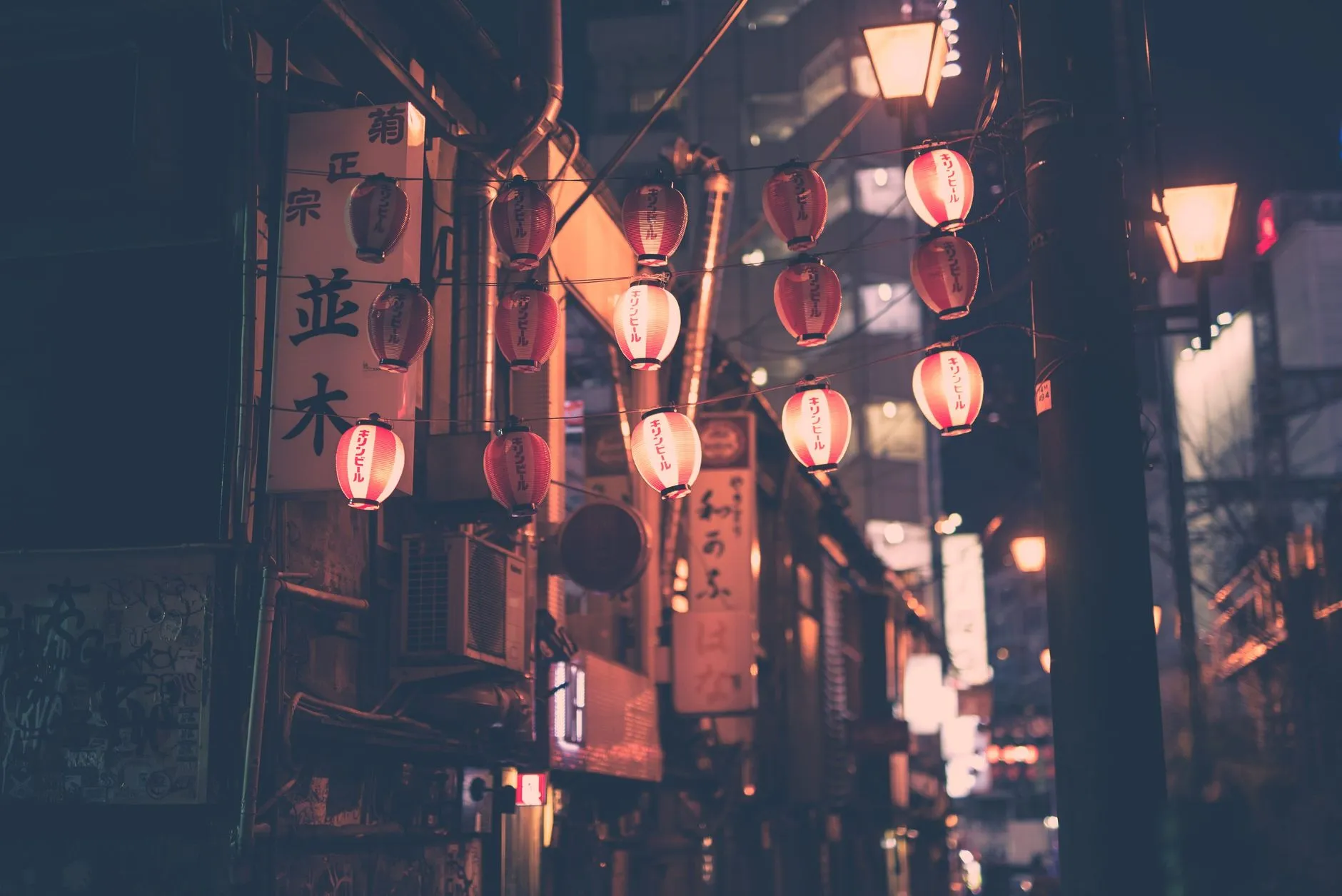
Asakusa at night — paper lanterns, the smell of street food, and centuries of tradition
Must-see attractions
Senso-ji Temple — Tokyo’s oldest temple, free entry. Arrive early morning before the tour groups. Meiji Shrine (Meiji Jingu) — a tranquil Shinto shrine set in a large forest near Harajuku, also free.
Tokyo Skytree — Japan’s tallest structure (634 m), decks from ¥1,800 (≈ $12), both levels from ¥3,000 (≈ $20), priced by date. All decks compared in the Tokyo observation decks guide. Free alternative: the Tokyo Metropolitan Government Building observation deck in Shinjuku, open until late — tickets for Tokyo Skytree.
teamLab Borderless / Planets — immersive digital art museum, ¥3,800 (≈ $25). Book tickets well in advance — tickets for teamLab.
Toyosu Market and Tsukiji — the tuna auction at Toyosu (very early admission, lottery entry), sushi and street food at the outer Tsukiji market. Imperial Palace East Gardens — free and recommended for early morning. Shibuya Crossing — the most photogenic human-flood experience in the world; head up to Shibuya Sky for the overhead angle.
Where to stay
The simple rule: stay within walking distance of a Yamanote or metro station and everything else falls into place.
Shinjuku and Shibuya — excellent transport, rich nightlife. Asakusa and Ueno — lower budgets, traditional atmosphere. Tokyo Station and Ginza — central and quiet, prices to match.
Nightly price ranges: hostel ¥3,000 (≈ $20); business hotel ¥10,000–18,000 (≈ $67–120); capsule hotel ¥4,000–6,000 (≈ $27–40); ryokan (traditional Japanese inn) for a different, more traditional experience. During sakura season (late March–early April) and autumn foliage — book weeks ahead.
Where to eat
Conveyor-belt sushi (kaiten) — ¥100–500 (≈ $0.65–3.30) a plate; good value and fun. Ramen — ¥800–1,200 (≈ $5.30–8) from the ticket machine at the entrance; tonkotsu, shoyu, or miso — choose by taste. Izakaya — Japanese pub for small plates, yakitori, and beer; a social experience. Depachika — food halls in department store basements with enormous variety and reasonable prices. A sit-down lunch at a restaurant costs ¥1,000–1,500 (≈ $6.70–10).
Convenience stores (7-Eleven, Lawson, FamilyMart) — onigiri, hot sandwiches, and quality prepared food, all under $3 a meal.
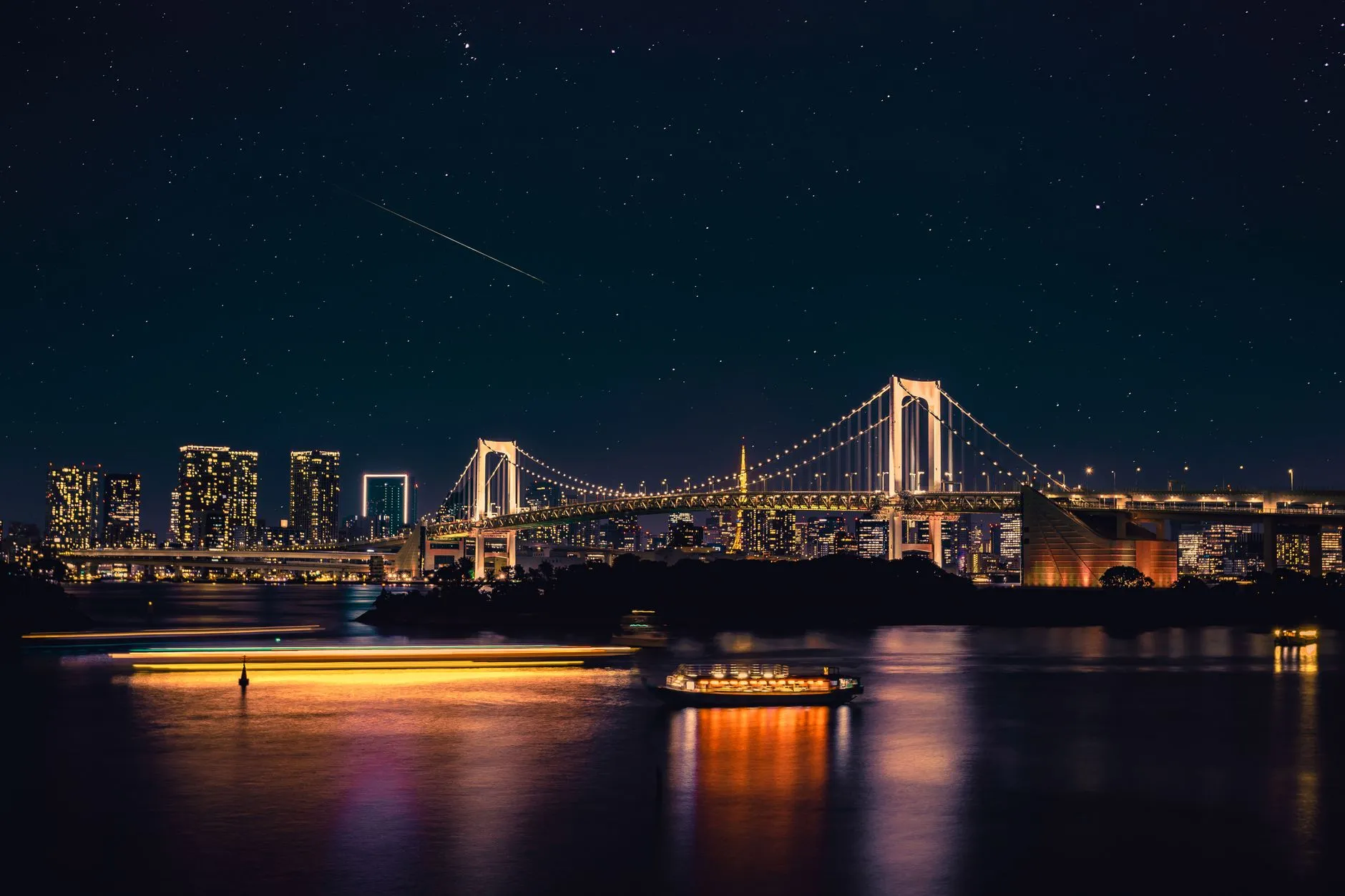
Rainbow Bridge and Odaiba — Tokyo's other side, artificial and spectacular
Day trips
Hakone — the big draw: onsen (geothermal baths), views of Mt Fuji from the lake and the ropeway above Owakudani. Add the Hakone Free Pass to save on transport — tours and Hakone Free Pass.
Kamakura — the Great Buddha, bamboo temples (Hokokuji), beaches, and the Enoden train along the coast. About an hour from Tokyo, easy to combine with half a day.
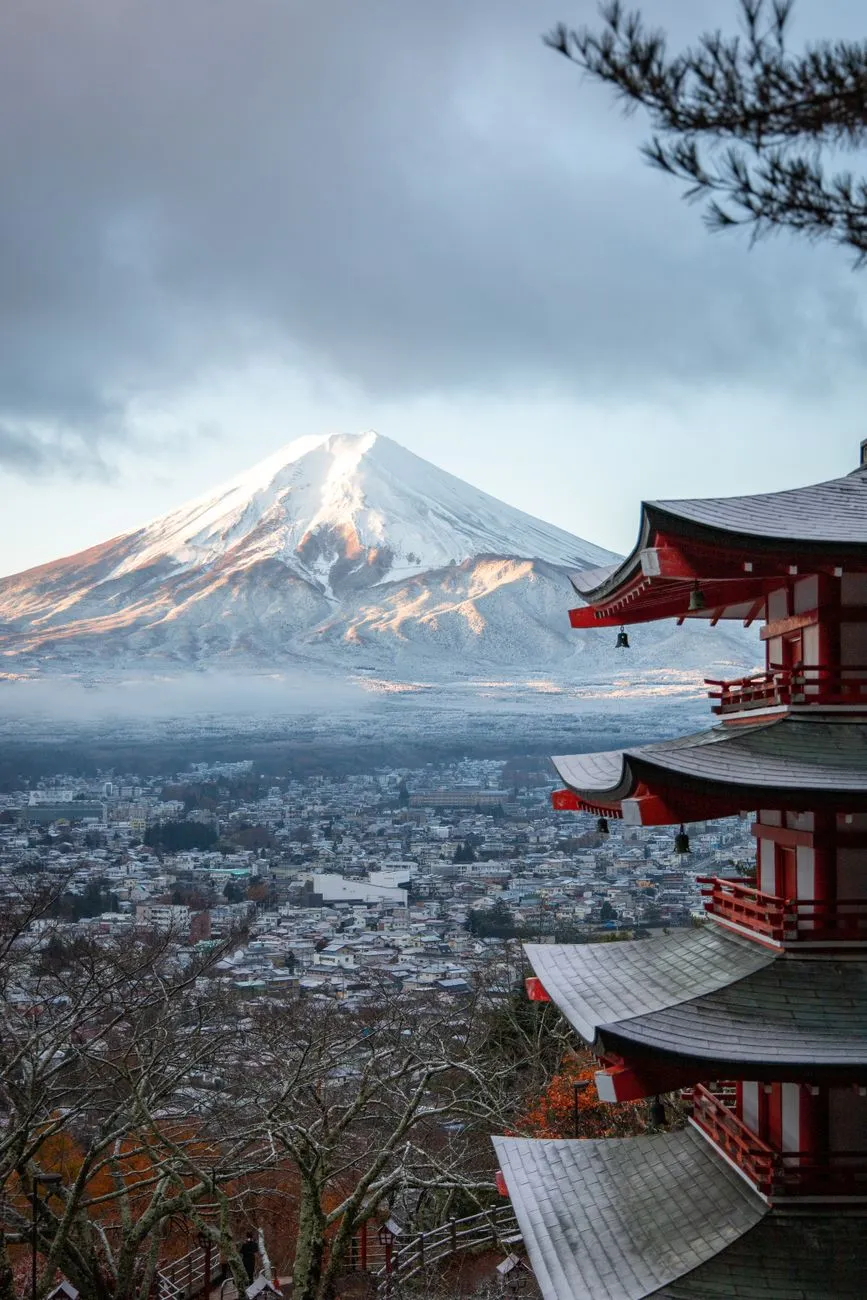
Nikko — a temple complex (Toshogu, UNESCO World Heritage) set in forest and waterfalls; about two hours from Tokyo. Lake Kawaguchiko / Fuji Five Lakes — Mt Fuji views from the Chureito Pagoda. Yokohama — a port city with Japan’s largest Chinatown, only 30 minutes by train.
Final tips
Cash: Japan still loves cash; 7-Bank ATMs (inside 7-Eleven stores) accept foreign cards. Internet: An eSIM is cheap and convenient — set it up before you board. Etiquette: Don’t eat while walking, keep quiet on trains, and tipping is not practised in Japan. Tax-Free: since November 2026 you pay full price and get the 10% back at customs when you leave (¥5,000+ purchases, passport required). Comfortable shoes: You will walk a lot; rubbish bins are rare on the street, so hold on to your waste.
JR Pass: If you are heading to Kyoto and Osaka, check whether the 7-day pass makes sense. For Tokyo alone — it almost never pays off.
3-day itinerary
Day 1 — Tradition: Asakusa and Senso-ji early morning; lunch at the outer Tsukiji market; Tokyo Skytree at sunset; evening in Ueno Park and Ameyoko market.
Day 2 — Young heart of the city: Meiji Shrine and Takeshita Street in Harajuku; lunch in Omotesando; Shibuya and Shibuya Sky at sunset; evening in Shinjuku and Golden Gai.
Day 3 — Day trip: Hakone (onsen and Fuji views) — back to Tokyo in the evening. Optional fourth day: teamLab, Odaiba, or Ginza.
From here you can carry on: read the Japan overview guide for a tour of all the regions, browse the itineraries for a full trip plan, or check the practical information guide for passport, insurance, and visa details.
Frequently asked questions
How many days should you give Tokyo?
Three to four full days is the minimum before you start adding day trips. For Hakone or Kamakura, add one extra day per excursion.
Do you need to speak Japanese to get around Tokyo?
No. English signage is everywhere in train stations and tourist areas, and Google Maps is very accurate. A few basics — arigatō (thank you), sumimasen (excuse me) — will always be met with a smile.
What is the most cost-effective way to use public transport?
Load a Suica or PASMO IC card at any station and tap in and out at the reader. It works on all trains, buses, and even for purchases at convenience stores.
What should you eat in Tokyo and where?
Conveyor-belt sushi at ¥100–500 (≈ $0.65–3.30) a plate; ramen from the ticket machine at ¥800–1,200 (≈ $5.30–8); an izakaya for a relaxed evening meal. Convenience stores (7-Eleven, Lawson) offer hot meals, onigiri, and sandwiches at very fair prices.