Itineraries
14-Day Japan Itinerary — A Complete Two-Week Plan
This guide contains affiliate links. If you book through them we earn a small commission, at no extra cost to you. Affiliate Disclosure
Two weeks in Japan is the ultimate route: enough time to connect the big cities with the rural gems most tourists miss — the Japanese Alps, the historic village of Shirakawa-go, and well-preserved Kanazawa. You’ll get a perfect balance between metropolis, temples, onsen, mountains, and islands. The shinkansen ties it all together, and the 14-day JR Pass pays for itself on a route this long.
Looking for a shorter trip? See the 10-day itinerary or the 7-day itinerary.
Day 1 — Arrival in Tokyo
Arrival in Tokyo. Buy a Suica card, check in, and take a first walk through Shibuya — the crossing, the lights, and a bowl of ramen. Early sleep to beat jet lag.
Hotels in Tokyo near a main stationDay 2 — The Heart of Tokyo
Morning in Asakusa at Senso-ji, afternoon at Ginza or the Imperial Palace, evening in Shinjuku or at Skytree. See the Tokyo guide and book tours in advance.
Tokyo toursDay 3 — Day Trip from Tokyo
A day trip: Nikko, Kamakura, or modern Tokyo with teamLab. Last evening in the city before heading to the mountains — good time for shopping.
Day 4 — Hakone and a Ryokan
Train to Hakone, cruise on Lake Ashi, the Owakudani ropeway, and Fuji views. Night in a ryokan: onsen, kaiseki, and sleep on a futon.
Ryokans and hotels in HakoneDay 5 — Takayama
Move to Takayama via Matsumoto (the Black Crow Castle en route). A walk through the old town of Sanmachi Suji, sake breweries, and the morning market. See the Takayama guide.
Hotels and ryokans in TakayamaDay 6 — Shirakawa-go and the Alps
A day trip to Shirakawa-go village, a UNESCO World Heritage Site with thatched gassho-zukuri farmhouses. Note: there is no train to Shirakawa-go — travel by bus (not covered by the JR Pass — about ¥2,800 (≈ $19) one way, ¥5,600 return). In the afternoon, views of the Japanese Alps. Return to Takayama for another night.
Day 7 — Kanazawa
Train to Kanazawa: Kenroku-en garden, the Higashi Chaya geisha district, the samurai quarter, and gold-leaf ice cream. A well-preserved and peaceful city of arts.
Hotels in KanazawaDay 8 — Move to Kyoto
Train to Kyoto. Eastern Kyoto: Kiyomizudera, Higashiyama, and Gion in the evening. See the Kyoto guide.
Hotels in KyotoDay 9 — Western Kyoto
Fushimi Inari in the morning, Arashiyama and Kinkakuji, tea ceremony or kimono in the evening. Give Kyoto time.
Tours and experiences in KyotoDay 10 — Nara
Day trip to Nara: deer and the giant Buddha at Todaiji. Free evening in Kyoto or move to Osaka.
Day 11 — Osaka and Himeji
Osaka: Dotonbori, Osaka Castle, and Kuromon Market. Option: day trip to the White Himeji Castle (40 minutes by shinkansen). See the Osaka guide.
Hotels in OsakaDay 12 — Hiroshima
Shinkansen to Hiroshima. Peace Memorial Park and the A-Bomb Dome — a moving experience. Overnight in the city.
Hotels in HiroshimaDay 13 — Miyajima
Ferry to Miyajima — covered in the Hiroshima guide: the floating torii gate, Itsukushima shrine, and deer. Optional hike up Mount Misen for the view. Return to Hiroshima.
Day 14 — Departure
Final morning: Hiroshima Castle or shopping. Shinkansen back to Osaka or Tokyo for your flight. You’ve completed an unforgettable two-week deep dive into Japan!
Logistics and Accommodation
With 14 days, the full JR Pass pays for itself — it covers all the long trips (Tokyo–Takayama–Kanazawa–Kyoto–Hiroshima). Accommodation: 3 Tokyo, 1 Hakone, 2 Takayama, 1 Kanazawa, 3 Kyoto, 1 Osaka, 2 Hiroshima. Book hotels near stations, and the Hakone and Takayama ryokans well in advance.
Transport on This Route
The shinkansen is the backbone, but some sections (Takayama, Shirakawa-go) require local trains and buses, which are not all JR-covered. On this itinerary Takayama is reached via Matsumoto (see day 5); from the Nagoya side the scenic Hida line is the alternative. There is no train to Shirakawa-go — only the Nohi bus, which the pass does not cover (about ¥2,800 (≈ $19) one way). Inside cities, Suica or Pasmo covers the metro and buses. Reserve seats in advance on popular legs, especially Osaka–Hiroshima.
Variations and Tips
Nature lovers: add a day in Kamikochi in the Alps. Want fewer cities and more depth: skip Osaka in favour of an extra night in Kyoto. Repeat visitors: include Koyasan (mountain temples) or Naoshima (art island).
Common Mistakes on a Long Route
Don’t underestimate distances: a travel day between regions eats time, so pair it with a light attraction rather than a headline destination. Reserve shinkansen seats during peak season. Keep cash — mountain villages and Takayama are less card-friendly. Book the ryokans months ahead during cherry blossom and foliage season.
Continue from here: read the main Japan guide for a full overview, browse the itineraries index for more options, or explore the cities guide for details on each destination.
Frequently asked questions
Is two weeks too long for Japan?
Not at all — it's the length that lets you see the rural side too, without rushing: Takayama, Kanazawa, and Shirakawa-go.
Is a 14-day JR Pass worth it?
Yes, on a nationwide route like this one it almost always saves money (approx. ¥80,000 (≈ $533) covering all the long trips).
Are Takayama and Kanazawa worth the detour?
Absolutely — they offer traditional, quiet Japan, a refreshing contrast to the big cities.
When is the best time to go?
Spring and autumn are stunning in the mountains and at temples; winter is magical in Shirakawa-go with snow, but check accessibility.
Related guides
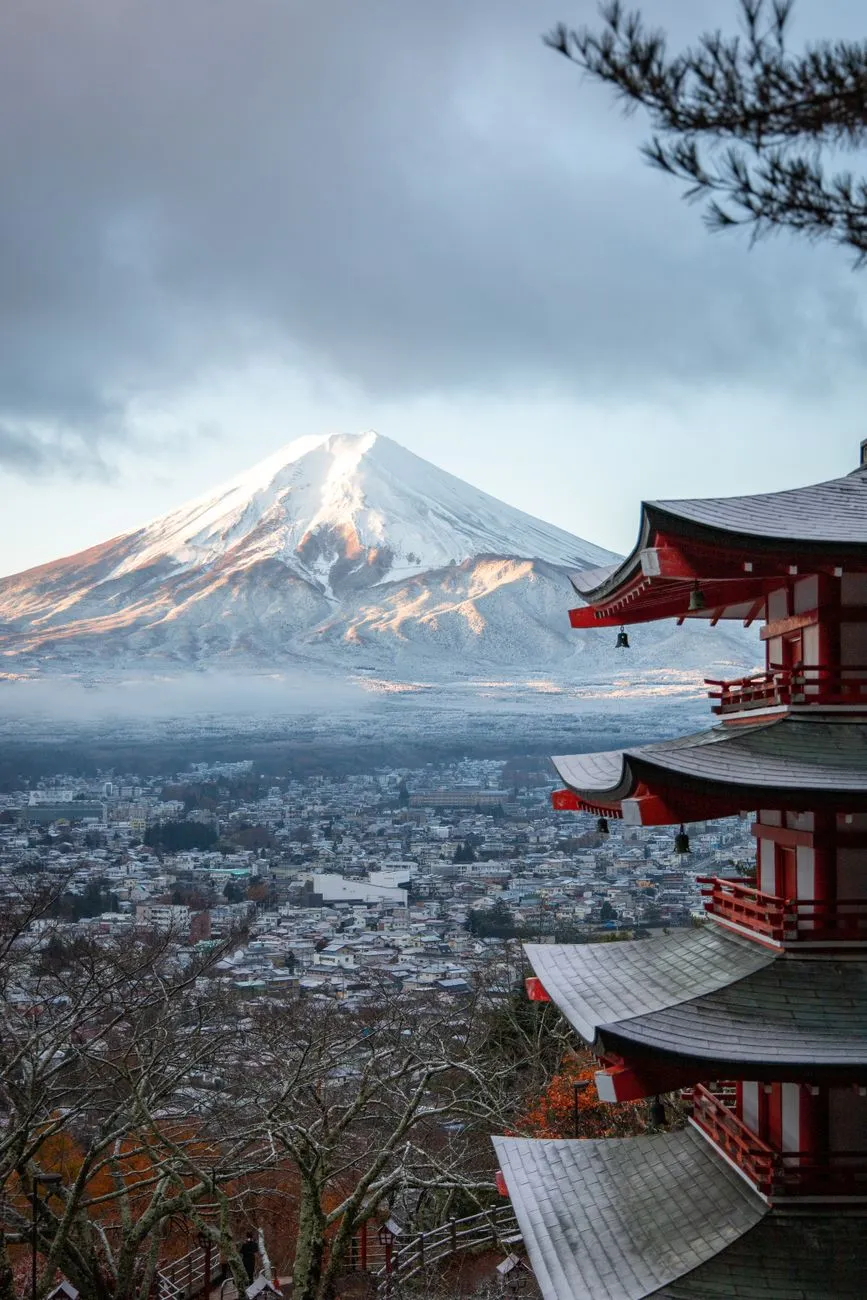
Japan: The Complete Guide for First-Time Visitors
Everything you need to know before flying to Japan: visa, transport, money, food, accommodation, and itineraries — the opening guide to our Japan series.
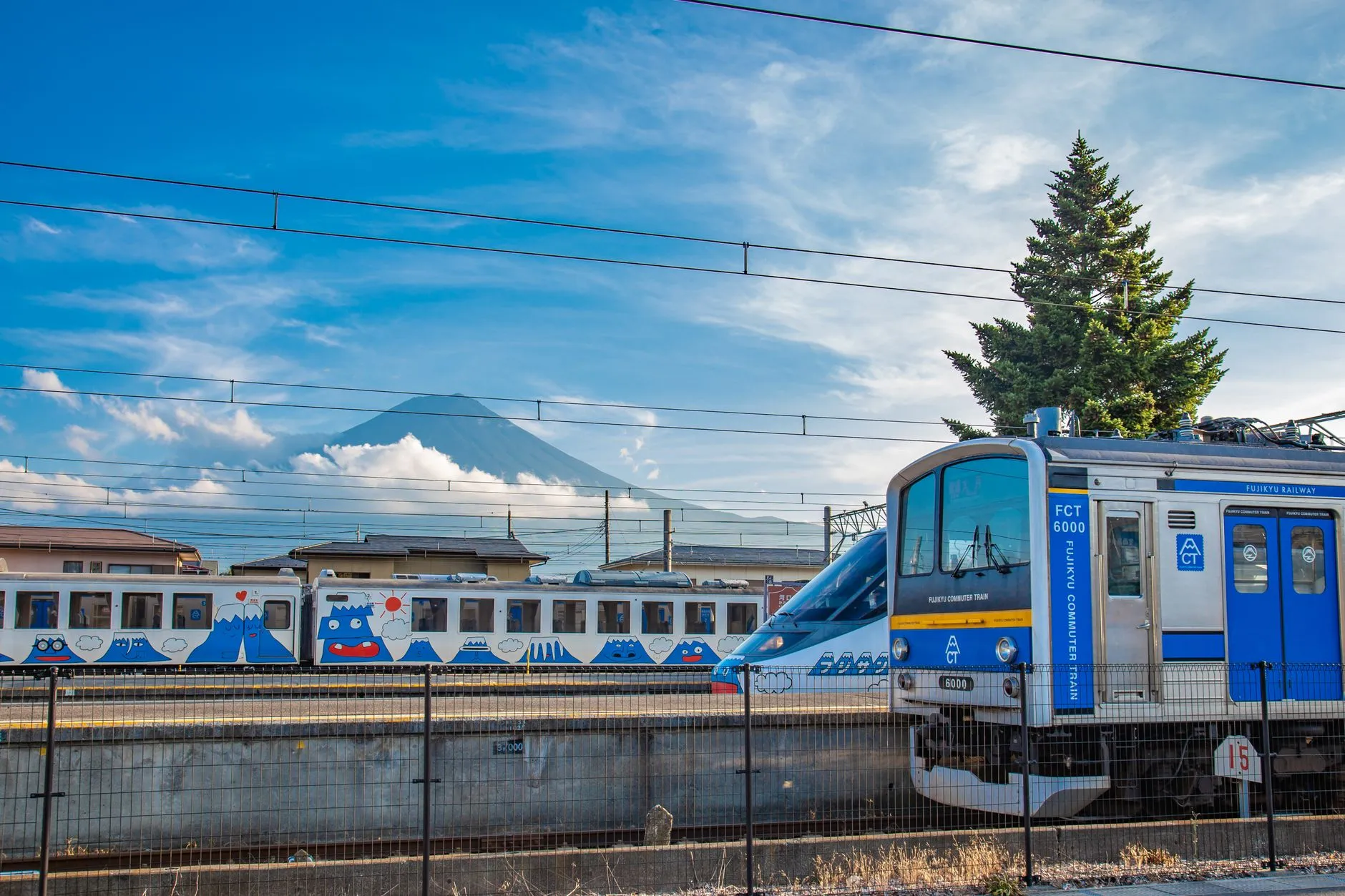
10-Day Japan Itinerary — Day-by-Day Plan
A detailed 10-day Japan itinerary: Tokyo, Fuji-Hakone, Kyoto, Osaka, and Hiroshima day by day, including a ryokan night, JR Pass, and budget.
7-Day Japan Itinerary — Day-by-Day Plan
A detailed 7-day Japan itinerary: Tokyo, Kyoto, and Osaka day by day, including day trips, JR Pass, accommodation, and budget. The ideal first-timer's plan.