Travel info
Language, Culture, and Tips for Taiwan
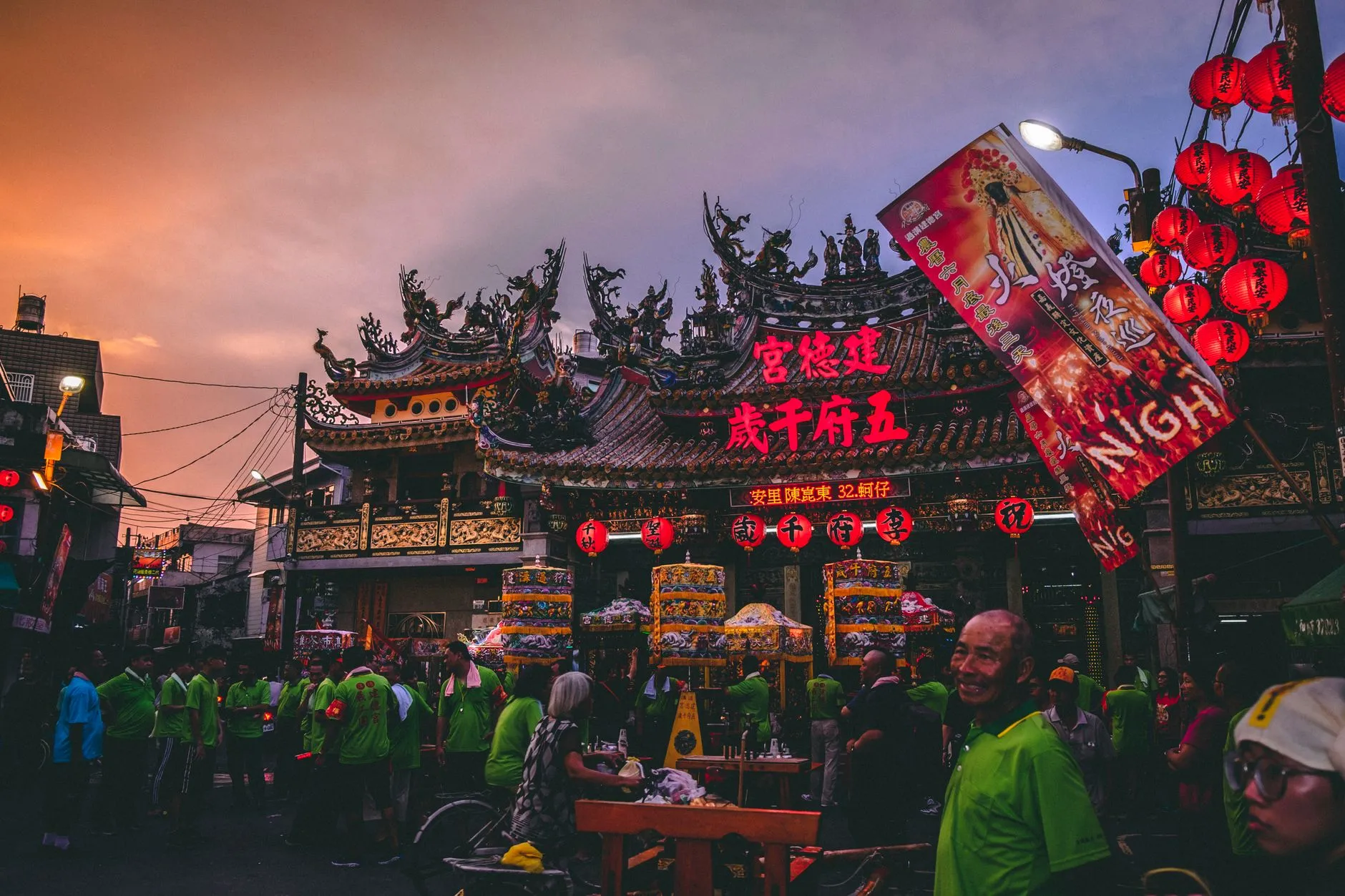
The official language in Taiwan is Mandarin (standard Chinese), alongside local Taiwanese and indigenous languages. It sounds intimidating, but in practice it’s easy to get by: cities and tourist sites are signed in English, and technology closes the gaps.
How much English helps
In Taipei and the big cities, basic English works, especially with younger people and in tourist places. Signage on public transport, trains, and at sites is bilingual. The further you get from the centre, the less English, and there a translation app with a camera (for reading menus and signs) becomes your best friend.
Phrases worth knowing
- ni hao — hello
- xie-xie — thank you
- duo-shao qian — how much is it?
- bu yao — no need / no, thanks
You don’t need to speak Chinese to enjoy yourself, but a word or two opens smiles and eases shopping at the market.
Food and culture
Food is the heart of the culture, and refusing an offer of food can come across as odd. At a shared table it’s customary to split dishes. You don’t stick chopsticks upright in a bowl of rice (a symbol of mourning); rest them on the holder or the bowl. Food is eaten slowly, savoured, not rushed.
The Taiwanese are very proud of their island and its cuisine. Show genuine interest, and they’ll open right up to you.
Back to the main guide, or carry on to safety and health.
Frequently asked questions
What language do they speak in Taiwan?
The official language is Mandarin (standard Chinese), alongside Taiwanese (Hokkien) and indigenous languages. Cities and tourist sites have English signage, and basic English works with younger people.
Can you manage in Taiwan with English?
Yes, in most tourist spots. Signage on transport and at sites is bilingual, and a translation app handles the rest. Outside the big cities it helps to carry addresses in Chinese.
Do you need to know phrases in Chinese?
Not required, but 'xie-xie' (thank you) and 'ni hao' (hello) open up smiles. A translation app with a camera helps you read menus and signs.
Related guides
Taiwan Travel: The Complete Guide
Everything to plan a trip to Taiwan — how many days, when to come, how to get around, what it costs, and which cities and sights are worth your time.
12 min read Read guide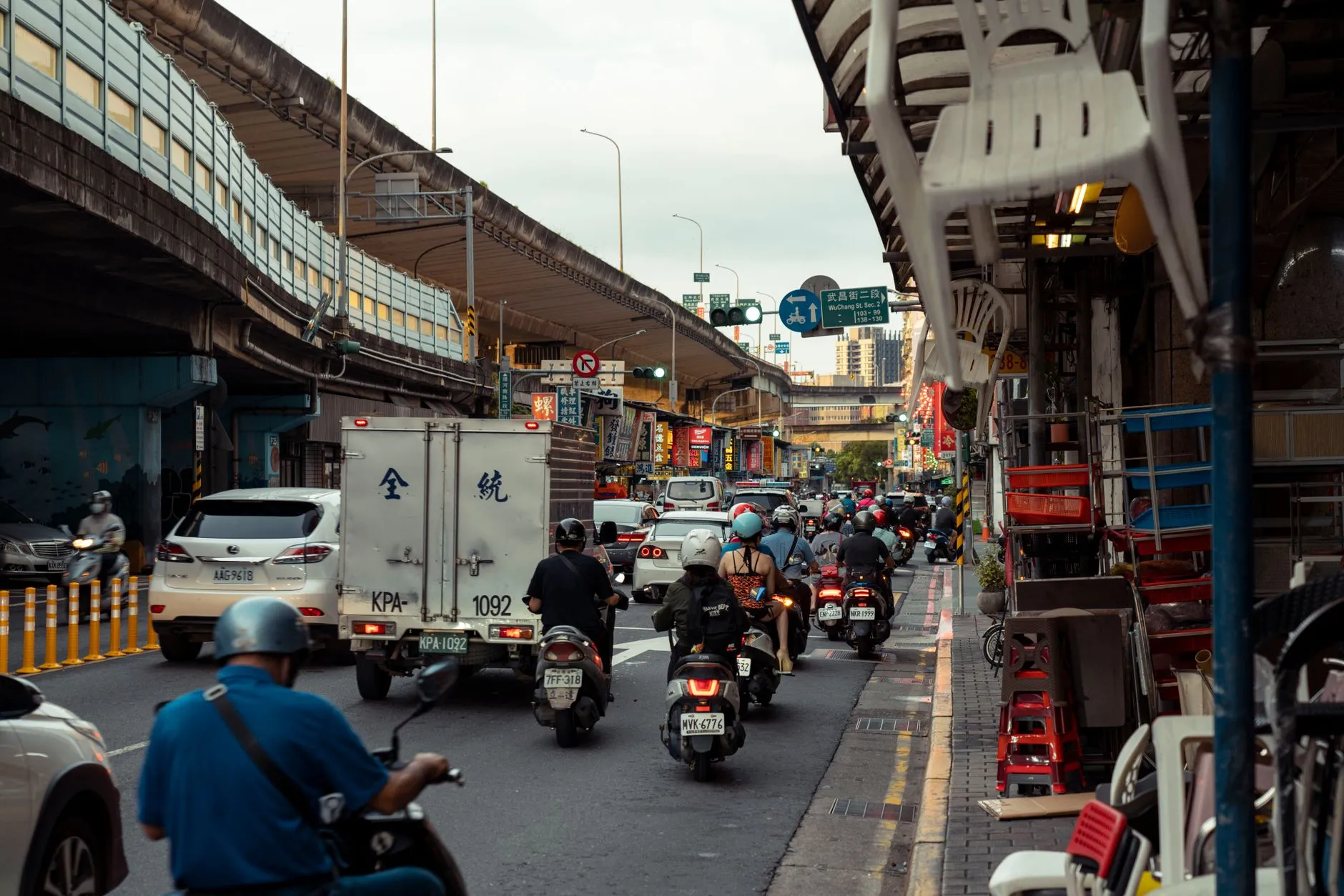
Safety and Health in Taiwan
Taiwan is one of the safest countries in Asia for tourists. What you actually need to know — scooter traffic, drinking water, emergency numbers, earthquakes and typhoons, and travel insurance.
5 min read Read guide