Itineraries
Japan in 5 Days — Tokyo and Kyoto Without Rushing
This guide contains affiliate links. If you book through them we earn a small commission, at no extra cost to you. Affiliate Disclosure
Five days in Japan is a short trip, and precisely for that reason it needs one clear decision up front: two cities, not three. The itinerary below splits the time between Tokyo and Kyoto — the modern and the ancient — and leaves enough air to actually see them rather than collect railway stations.
If you have two more days, the 7-day itinerary adds Osaka and a day trip from Tokyo without straining.
What fits into 5 days, and what does not
Five days in Japan is really four and a half: arrival day ends with a hotel check-in and dinner, and departure day is eaten by the journey to the airport. The split that works is three nights in Tokyo and two in Kyoto.
What does not fit: Hiroshima (two extra hours each way), the Japanese Alps, and even Osaka as a city in its own right. You can touch Osaka for one evening from Kyoto — 15 minutes on the shinkansen — but not give it a day.
Day 1 — Landing and adjusting
You arrive at Narita or Haneda. First thing: a Suica card, which will open every train gate and most vending machines for the rest of the week. Then the train to your hotel — about an hour from Narita, half that from Haneda.
Plan nothing for this evening beyond a short walk. Shibuya or Shinjuku after dark, a bowl of ramen, and an early night. Jet lag will find you in the morning regardless.
hotels in Tokyo near a main stationDay 2 — Traditional and modern Tokyo
Early morning in Asakusa: Senso-ji temple before the tour groups arrive, and Nakamise street for breakfast from a stall. From there to Ueno, or the East Gardens of the Imperial Palace.
Spend the afternoon on the other side of the coin — Harajuku, Omotesando, then Shibuya. Finish with a view: Shibuya Sky at sunset, or the Metropolitan Government Building in Shinjuku, which is free.
guided tours in TokyoDay 3 — A day trip, or a second Tokyo day
This is where the itinerary forks. If you want landscape, head for Mount Fuji or Hakone — a full day, but worth it when the weather is clear. If you prefer the city, stay put: teamLab, Akihabara, the outer Tsukiji market and whichever neighbourhoods you missed.
Our recommendation for a first trip: stay in Tokyo. Fuji needs a clear sky and some luck, and a five-day trip has no spare day to fall back on if the cloud comes in.
Day 4 — Shinkansen to Kyoto
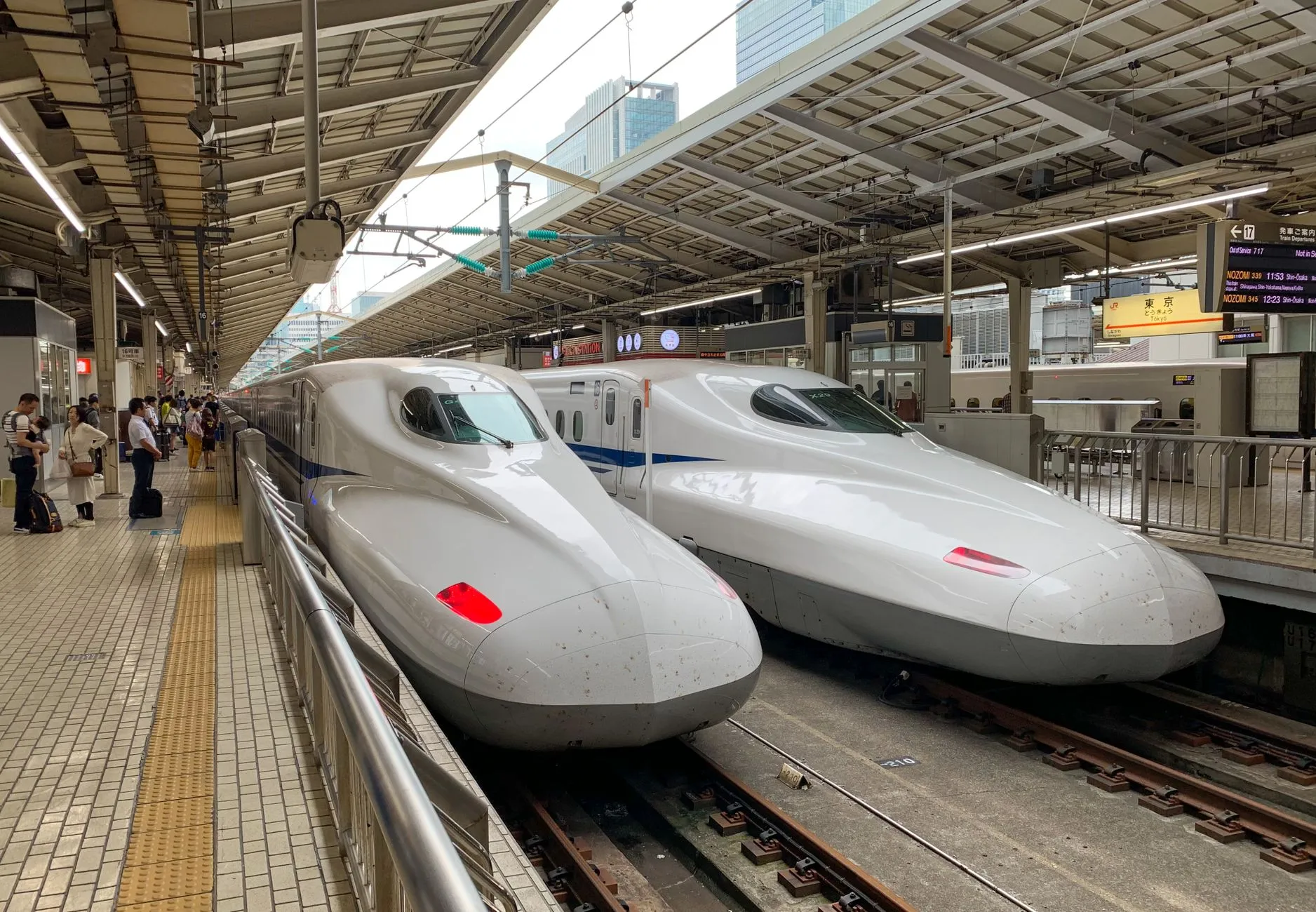
Leave early. Tokyo to Kyoto takes about 2 hours 15 minutes on a Nozomi, or about 2 hours 40 on a Hikari — the train you take with a JR Pass — and on a clear day Mount Fuji appears on the right roughly 40 minutes after departure. Reserve a seat on the E side if you want the view.
After checking in, start with eastern Kyoto: Kiyomizu-dera, the stone-paved lanes of Higashiyama, and Gion in the evening — the hour when the lanterns come on is the best of the day.
hotels in Kyoto near the stationDay 5 — Kyoto and out
Early morning at Fushimi Inari — before 08:00 the paths are nearly empty; after 10:00 they are a queue. If time allows: Arashiyama and the bamboo grove, or the golden Kinkaku-ji.
If you fly out of Kansai, the airport is about 90 minutes from Kyoto. If you are returning to Tokyo for your flight, take a shinkansen that lands you at least three hours before departure.
tours and experiences in KyotoTransport — and why the JR Pass loses money here
This is where short itineraries quietly overspend. The cheapest JR Pass covers seven days and costs ¥50,000 (≈ $333). This route involves one or two intercity journeys — Tokyo to Kyoto is about ¥14,000 one way, so ¥28,000 return.
The conclusion: buy individual tickets. Keep the Suica for city trains. And if you fly into Tokyo and out of Osaka, you only make that journey once, which widens the gap further.
Where to stay, and for how much
In Tokyo aim for a neighbourhood with a major station: Shinjuku, Tokyo Station or Ueno. In Kyoto, around the central station or in the Gion district. See the full guides to where to stay in Tokyo and where to stay in Kyoto.
Average mid-range double room: ¥12,000–20,000 (≈ $80–133) a night. Daily budget per person excluding accommodation: ¥10,000–15,000 (≈ $67–100), covering food, entry fees and transport.
Three common mistakes on a short trip
Adding a third city. Osaka or Hiroshima will each cost you half a day in transit, and you will leave feeling you saw nothing properly.
Planning the arrival day. It is not a day. It is an evening.
Buying a JR Pass “just in case”. On a five-day route that is a few hundred dollars wasted, for the reasons above.
From here: if your trip has grown, move to the 7-day itinerary; check when to go before fixing your dates; or return to the Japan travel guide for the full picture.
Frequently asked questions
Is 5 days enough for Japan?
For two cities, yes. Tokyo and Kyoto make a sensible, unhurried trip. Trying to add Osaka, Hiroshima or Mount Fuji as well turns the holiday into a chase after trains.
Is a JR Pass worth it for 5 days?
Almost never. The cheapest pass covers 7 days and costs ¥50,000, while a Tokyo–Kyoto return runs about ¥28,000. Buy individual tickets.
How many days should each city get?
Three nights in Tokyo and two in Kyoto is the split that works. If you land in the evening, count arrival day as half a day at most.
Can I fly into Tokyo and out of Osaka?
Yes, and it saves a 2.5-hour return journey. Look for an open-jaw ticket — the price difference is usually small and the time saved is real.
Related guides
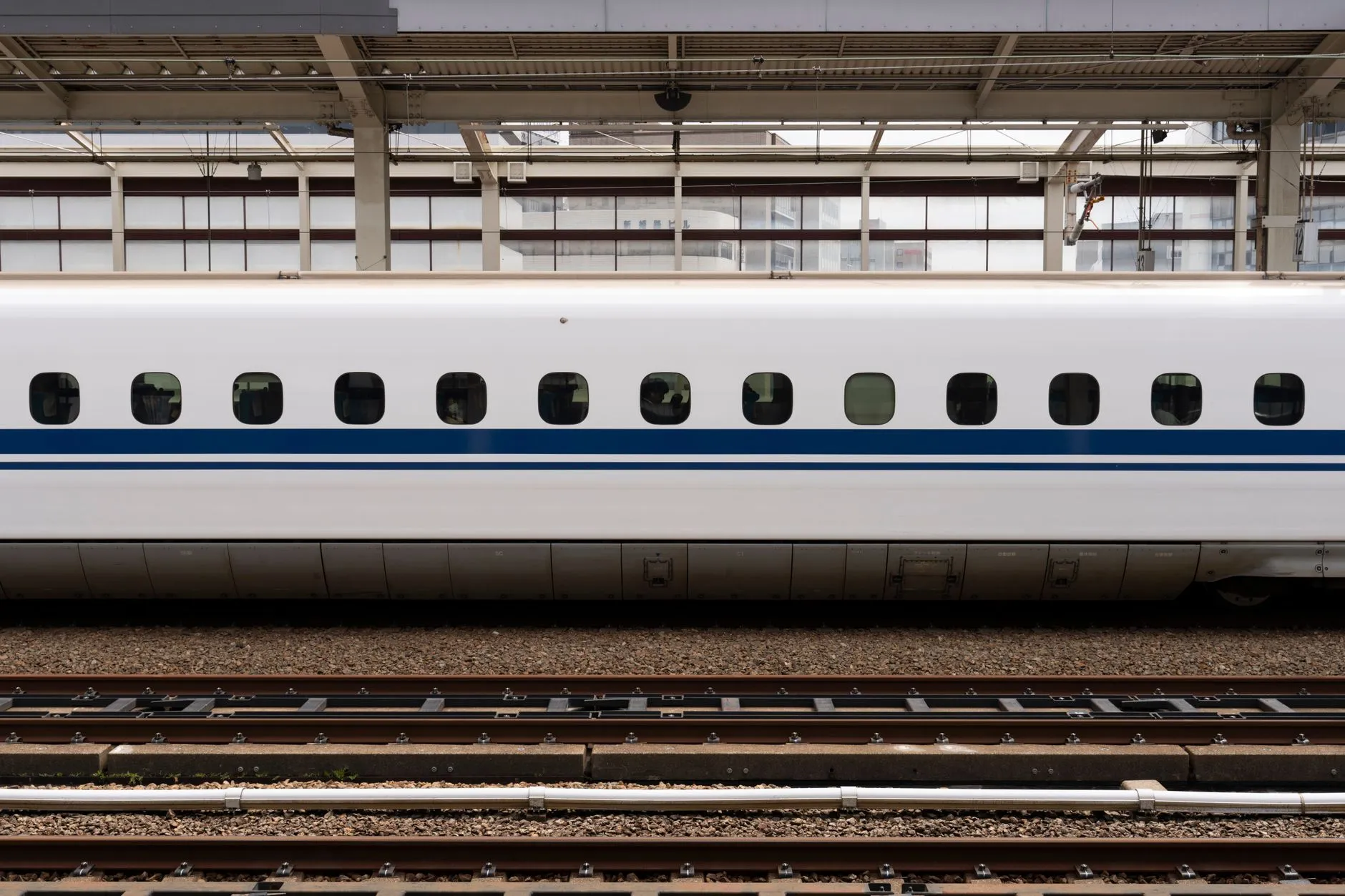
7-Day Japan Itinerary — Day-by-Day Plan
A detailed 7-day Japan itinerary: Tokyo, Kyoto, and Osaka day by day, including day trips, JR Pass, accommodation, and budget. The ideal first-timer's plan.
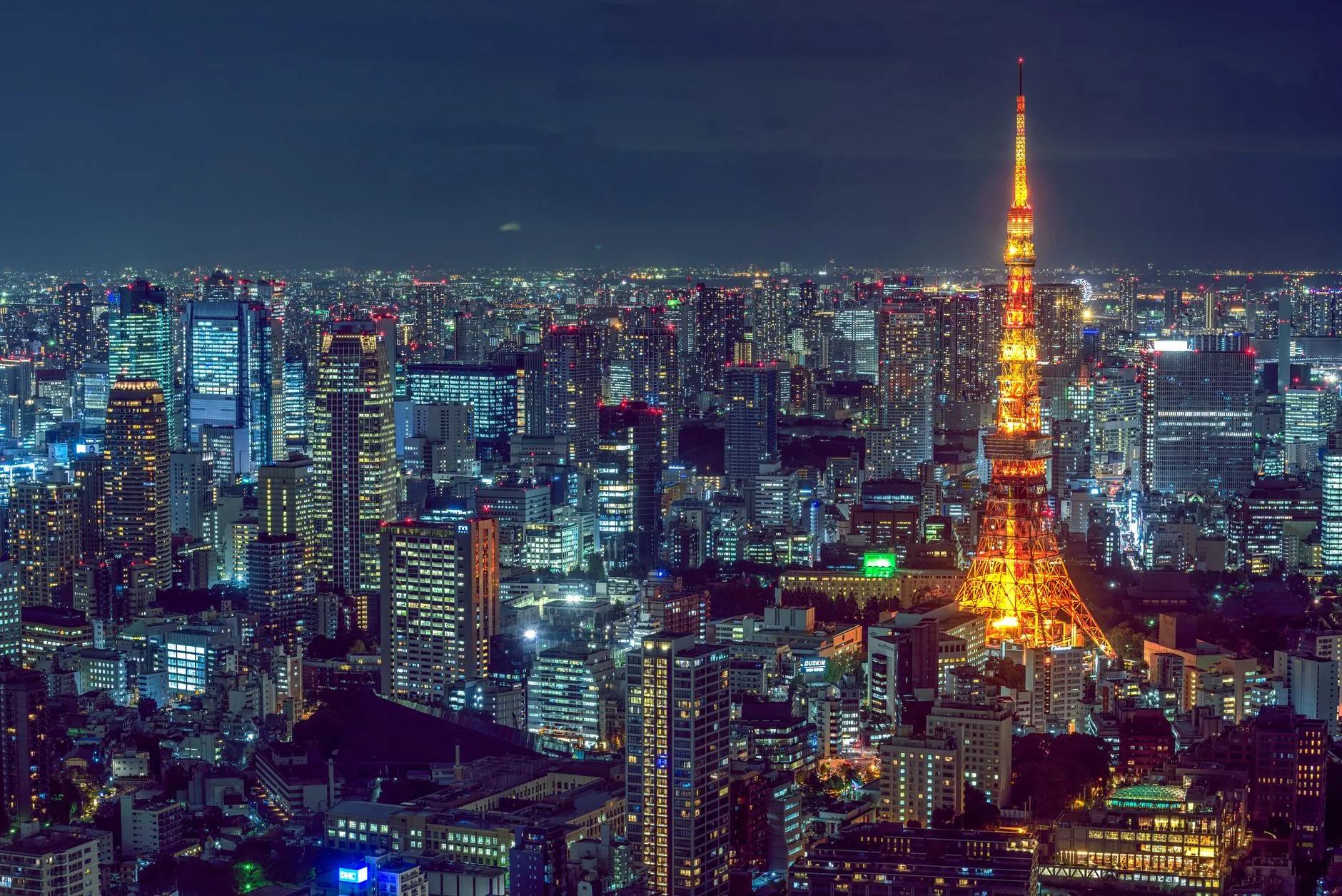
Tokyo: A Complete Guide to Neighbourhoods and Attractions
Everything you need for a trip to Tokyo: the key neighbourhoods, must-see attractions, where to sleep, Japanese food, day trips to Hakone and Kamakura, and a 3-day itinerary.
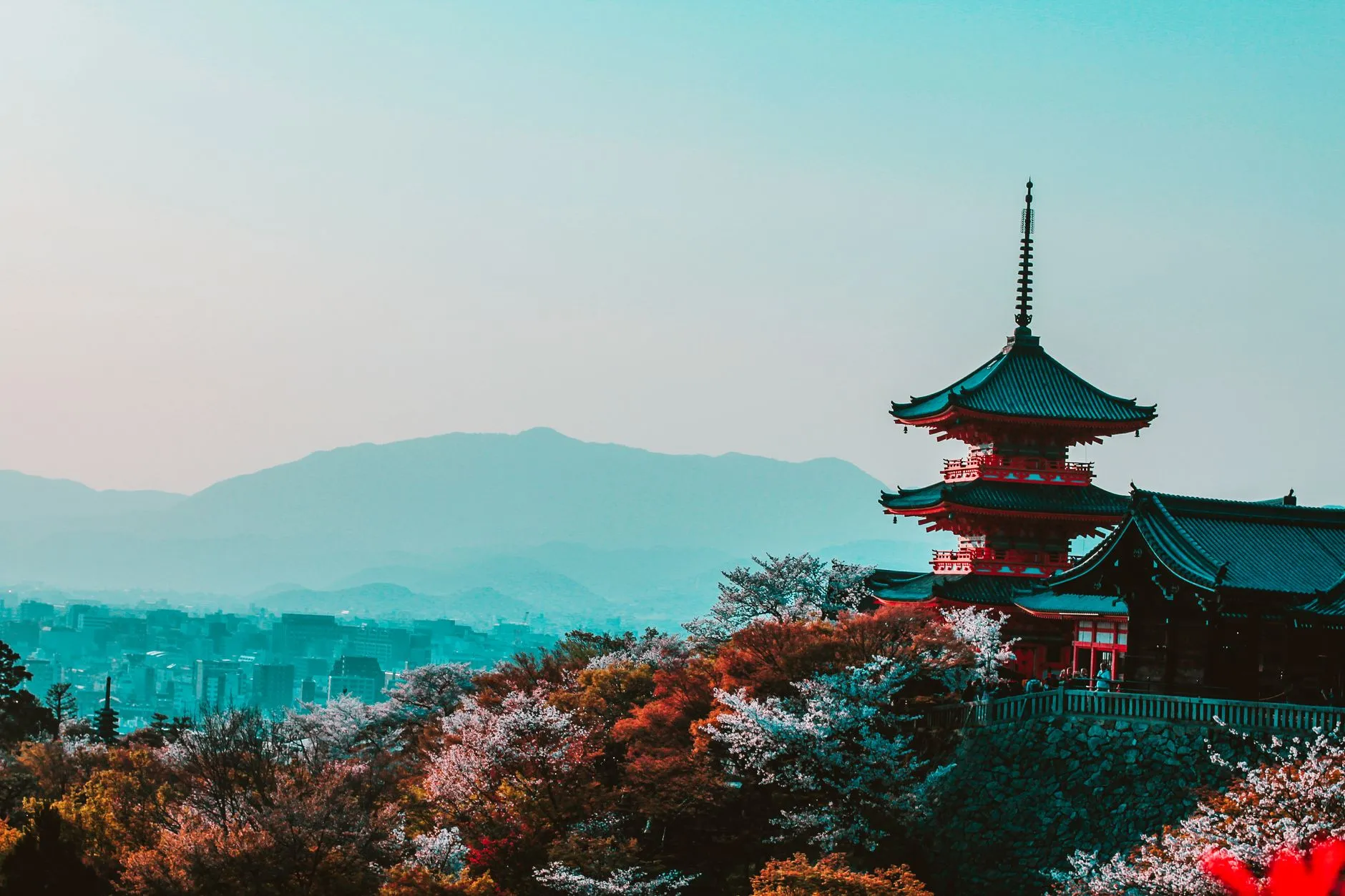
Kyoto: Guide to Temples, Neighbourhoods and Experiences
Everything you need for Kyoto: Fushimi Inari, the Golden Pavilion, Arashiyama, Gion, when to visit, how to get around, where to stay, and a recommended 2–3 day itinerary.