Travel info
Money, Cash and Cards in Japan — Complete Guide
This guide contains affiliate links. If you book through them we earn a small commission, at no extra cost to you. Affiliate Disclosure
One thing that surprises visitors to Japan is its unique relationship with money: despite being a high-tech country, Japan still relies heavily on cash. Small restaurants, temples, markets, and many attractions accept cash only, while credit cards and contactless payment have expanded significantly in recent years — especially in cities. This guide covers how much cash to carry, where to withdraw it, when cards work, what IC cards are, and how to claim a tax refund.
Our Recommendation
The golden rule: always keep cash on hand — at least ¥10,000–20,000 (≈ $67–133). Use an IC card like Suica for transport and small purchases at convenience stores, and a credit card for larger purchases and hotels. Withdraw cash from 7-Eleven or Japan Post ATMs — they accept foreign cards. And don’t expect tips — they simply don’t exist in Japan.
Japan Still Loves Cash
Contrary to its tech-forward image, cash is still king in Japan, especially outside major cities. Family restaurants, food stalls, temples, traditional markets, small ryokans, and many attractions accept cash only. The reasons are cultural and historical — high trust, low crime, and habit. Even if you pay by card everywhere at home, in Japan you must keep cash available at all times.
IC Cards — Suica, Pasmo, and ICOCA
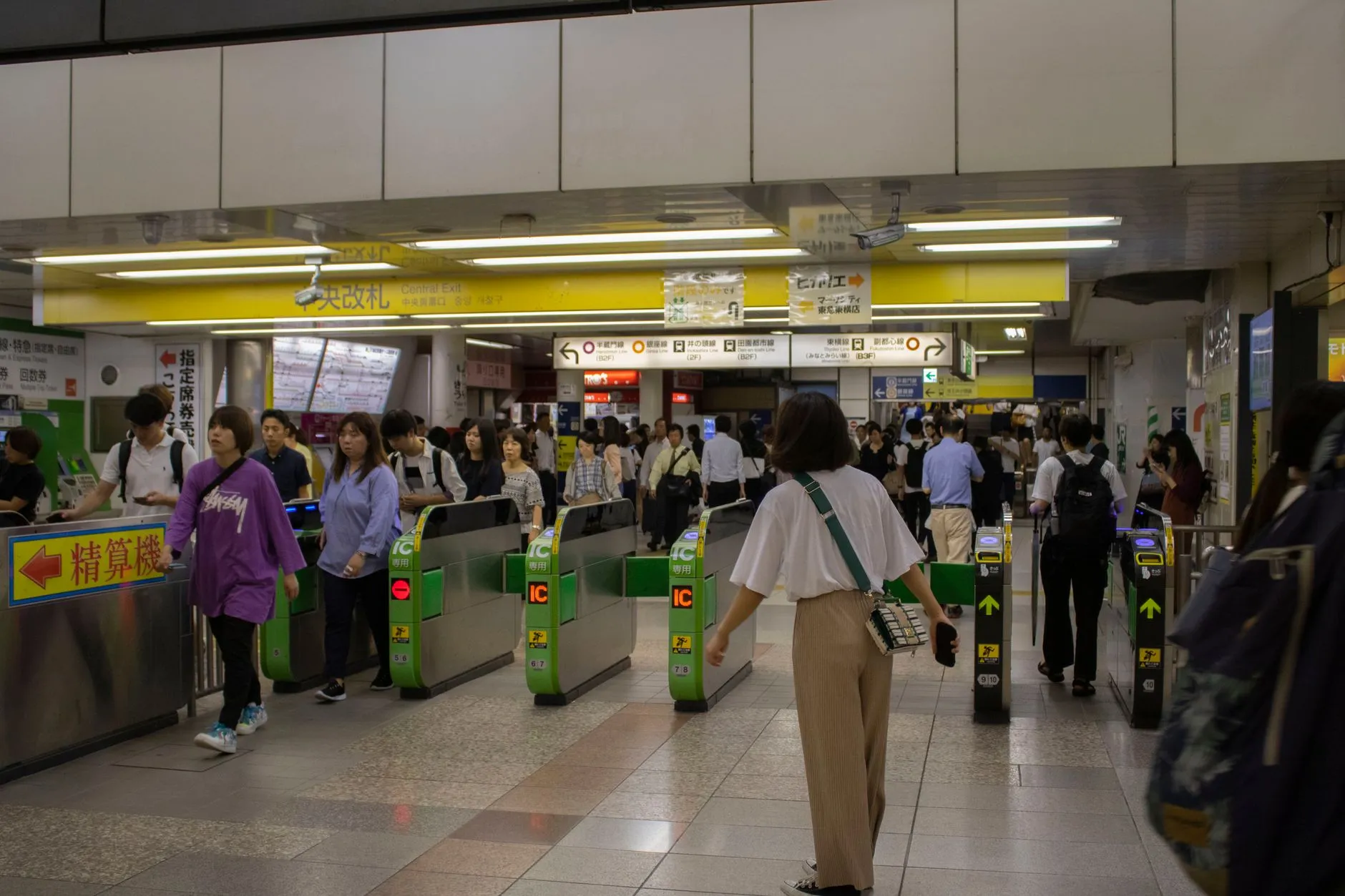
IC cards like Suica, Pasmo, and ICOCA are Japan’s ingenious solution: a rechargeable card for fast payment. Tap it at train station gates, buses, convenience stores, vending machines, and many shops. Top them up with cash at station machines. You can also load a digital Suica on your phone via Apple Pay or Google Pay. This is the most convenient method for small payments and transport — see our Suica & Pasmo guide for full details.
Credit Cards — Where They Are Accepted
Credit cards (Visa, Mastercard) are accepted at hotels, major chains, department stores, large restaurants, and major train stations. JCB — the Japanese domestic card — is accepted almost everywhere. American Express is less common. But small restaurants, stalls, and many rural spots do not accept cards at all. Use a card with no foreign transaction fees to save money. Always keep cash as a backup — never rely on a card alone.
ATMs — Where to Withdraw
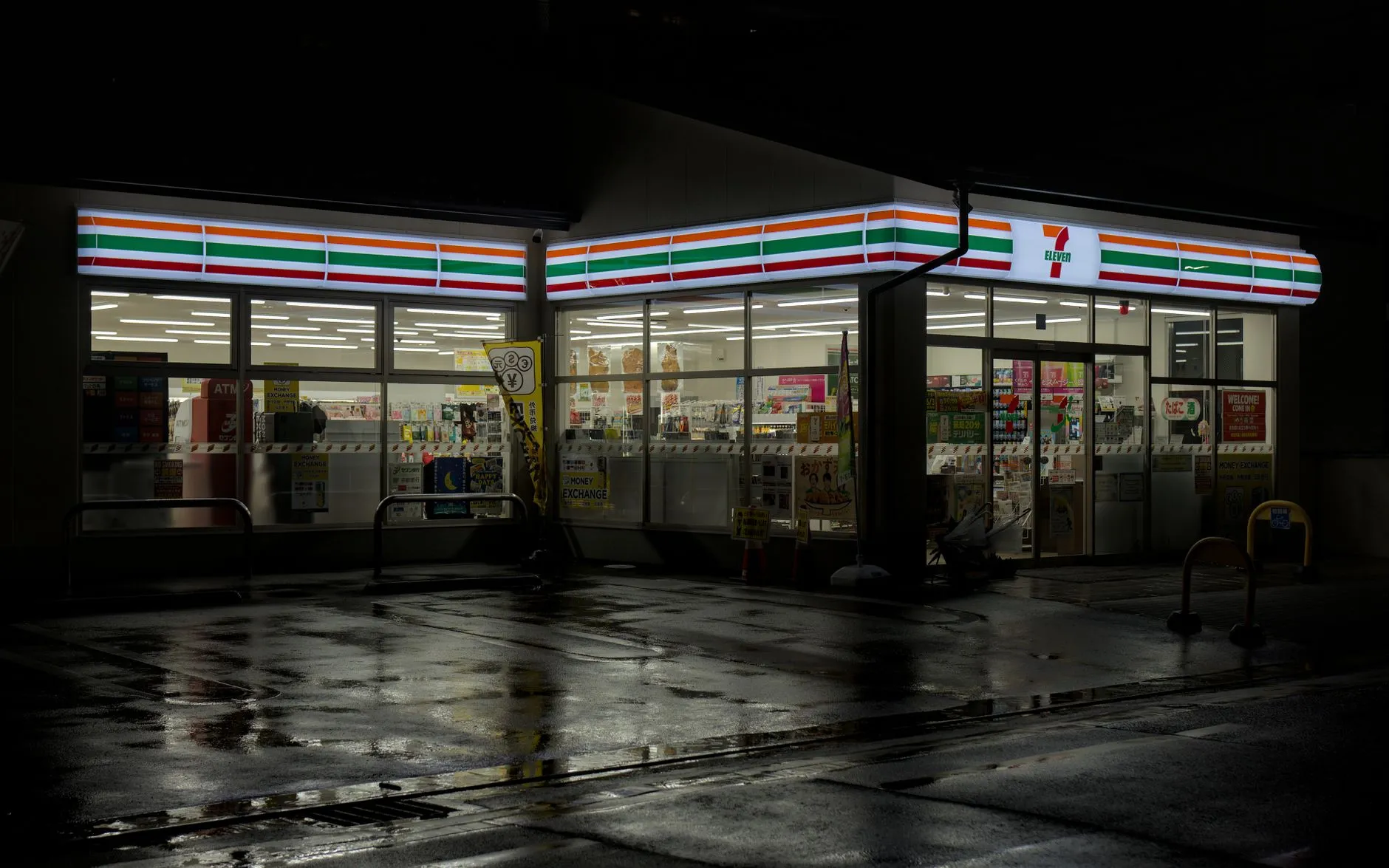
Not all Japanese ATMs accept foreign cards. The most reliable: 7-Eleven ATMs (Seven Bank) found in every convenience store, and Japan Post Bank ATMs. They operate 24/7, display English, and accept international Visa and Mastercard. Local bank ATMs generally do not accept foreign cards. Check your bank’s withdrawal fee and withdraw larger amounts less often to minimize charges.
How Much Cash to Carry
Keep ¥10,000–30,000 (≈ $67–200) in cash at any time, depending on your plans. For a normal day of food, transport, and entry fees — ¥10,000–15,000 (≈ $67–100) is enough. If you plan a ryokan, a fancy restaurant, or shopping — bring more. Japanese banknotes come in ¥1,000, ¥5,000, and ¥10,000 denominations; coins go up to ¥500. Save coins for convenience stores, vending machines, and temple offerings.
Contactless Payment and Apple/Google Pay
In major cities, contactless payment is expanding. You can add Suica to your digital wallet (Apple Pay or Google Pay) and pay by phone on transport and in convenience stores — very convenient. NFC-enabled credit cards work in some locations. Still, don’t rely on this alone outside cities, where cash still dominates.
Tourist Tax Refund — Tax-Free Shopping
Since 1 November 2026 Japan uses a refund system: at shops with a Tax-Free sign you pay the full price including the 10% consumption tax and show your passport at the till. The tax is refunded at customs when you leave Japan, before you check in for your flight. Keep the receipts and the goods with you: you have up to 90 days to take them out of the country, and consumables opened and used in Japan no longer qualify. Most sources say the ¥5,000 (≈ $33) per-shop minimum stays, but confirm at the till. If you expect a refund, get to the airport earlier than usual.
Departure tax: since 1 July 2026 Japan’s International Tourist Tax is ¥3,000 (≈ $20) per person for every departure. It is collected in the air fare, so there is nothing to pay at the airport.
Tipping, Otoshi, and Hidden Charges
A few key points: there is no tipping in Japan — not at restaurants, taxis, or hotels. Do not leave money on the table; it can confuse staff. Public restrooms are free and clean. Some restaurants charge otoshi (a small first course, similar to a cover charge) at izakayas — this is normal. Check your card’s foreign transaction fee in advance. See also Japan’s food guide for dining tips.
Estimated Daily Budget
A rough estimate per person per day (excluding flights and accommodation): Budget — ¥5,000–8,000 (≈ $33–53) — convenience stores, ramen, public transport. Mid-range — ¥10,000–15,000 (≈ $67–100) — restaurants, entry fees, occasional taxi. Luxury — ¥20,000+ (≈ $133+) — kaiseki dinners, ryokan stays, shopping. Accommodation separately: ¥8,000–15,000 (≈ $53–100) per night at mid-range — check current hotel rates. See the first-timer’s Japan guide for full planning.
Common Money Mistakes
Mistakes to avoid: arriving without cash and finding the restaurant is card-free; using a local bank ATM that won’t accept foreign cards; forgetting to notify your bank about the trip abroad; exchanging money at the airport at a poor rate; and not using the tax refund on large purchases. A little financial prep before the trip prevents unnecessary headaches.
Next steps: read the Suica & Pasmo guide to manage your IC card, combine your trip with an overnight at a ryokan and onsen, and start with the first-timer’s Japan guide for the full picture.
Frequently asked questions
Can I travel Japan with only a credit card?
Not recommended — many places accept cash only. Always keep yen on hand.
Where is the easiest place to withdraw cash in Japan?
7-Eleven ATMs (Seven Bank) and Japan Post Bank ATMs accept foreign cards 24/7 and display English menus.
Do I need to tip in Japan?
No — tipping is not practiced in Japan at all. Leaving money can actually cause confusion.
What is an IC card?
A prepaid card like Suica or Pasmo for fast payment on transport and in shops. See our Suica guide for details.
Related guides
Japan: The Complete Guide for First-Time Visitors
Everything you need to know before flying to Japan: visa, transport, money, food, accommodation, and itineraries — the opening guide to our Japan series.
Ryokan and Onsen in Japan — Complete Guide
Guide to ryokan and onsen in Japan: what a ryokan is, tatami rooms, kaiseki meals, onsen etiquette, types of hot springs, yukata, onsen towns, tattoos, and prices.
Suica and Pasmo — The Complete Guide to Japan's IC Cards
Suica and Pasmo IC cards: how they work, the difference between them, the digital version, how to top up and use them, and tips for travellers in Tokyo and Japan.