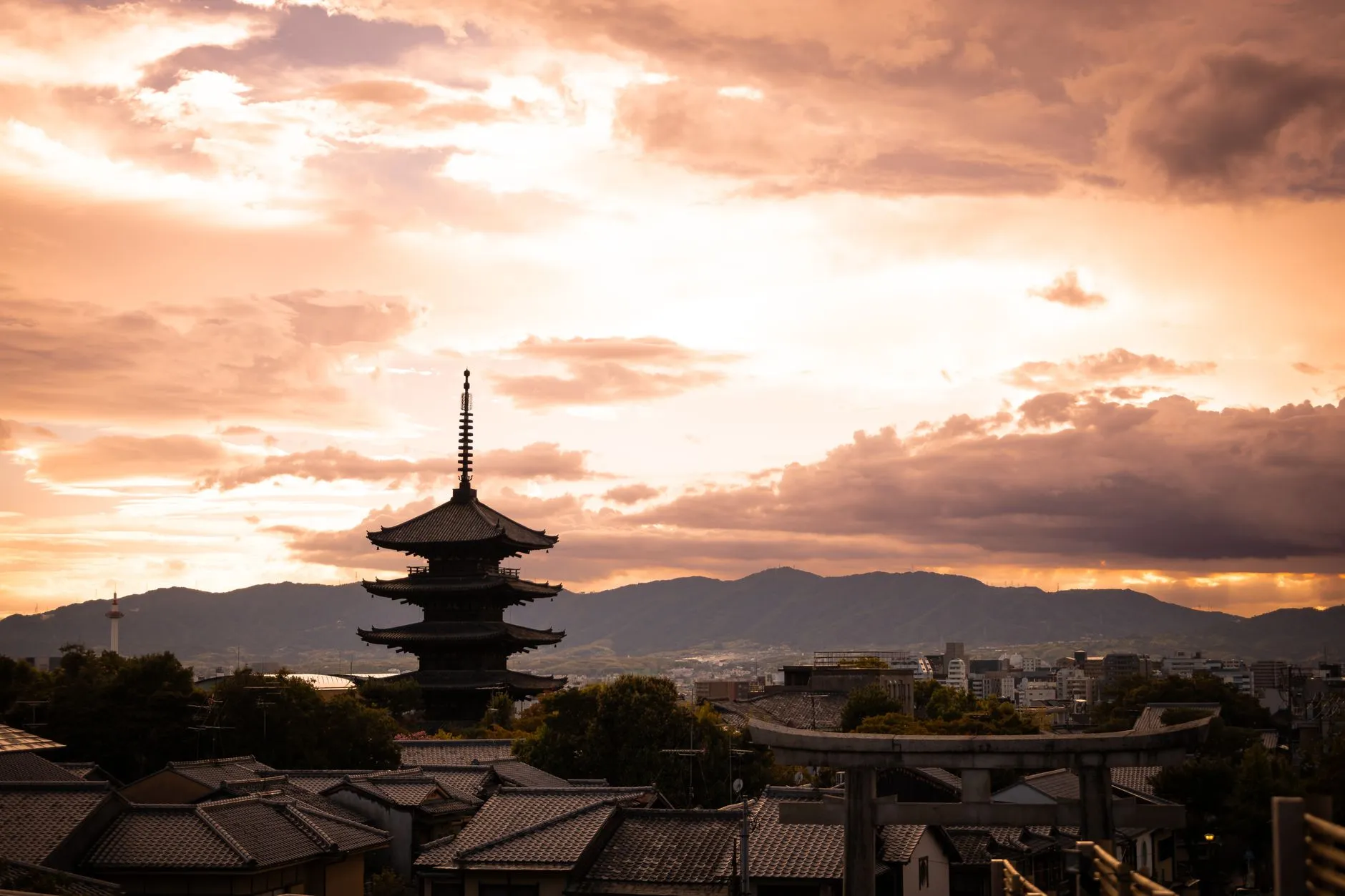
Travel info
When to Visit Japan — Month-by-Month Season Guide
This guide contains affiliate links. If you book through them we earn a small commission, at no extra cost to you. Affiliate Disclosure
One of the first questions when planning a trip to Japan is when to fly. Japan has four distinct, well-defined seasons, and each one offers a completely different experience — from cherry blossoms to glittering snow. There is no single right answer: the choice depends on what you want to see, your budget, and your tolerance for heat, cold, or crowds.
This guide breaks down the year month by month, explains the weather in each season, when it’s cheap and when it’s crowded, and which holidays to avoid. Want to go deeper? See the Sakura guide and the Autumn koyo guide.
Our Recommendation
If you’re flexible, the two best seasons are spring (late March–April) and autumn (October–November) — pleasant weather and breathtaking scenery, but also the most crowded and expensive. Looking for fewer crowds? Late spring (May) and early autumn (September) offer good weather and more comfortable prices. Want snow and low prices? Winter is excellent.
Japan’s Climate in Brief
Japan stretches thousands of kilometres from north to south, so the climate is extremely varied. Most central regions (Tokyo, Kyoto, Osaka) enjoy four clear seasons: mild spring, hot humid summer, pleasant autumn, and cool but generally not extreme winter. The further north you go, the colder it gets; the further south, the warmer and more humid. Planning by season and region is the key to a successful trip.
Spring (March–May)
Spring is one of the most beloved seasons: pleasant temperatures (10–20°C), cherry blossom season in late March–early April, and blooming landscapes. This is peak season — expect crowds and high prices, especially around the blossoms and Golden Week (29 April–5 May). May is particularly pleasant, green and less crowded than April. See the Sakura guide for precise timing.
Summer (June–August)
Summer is very hot and humid, especially July–August (30–35°C with high humidity). June brings the rainy season (tsuyu) to most regions, and August–September is typhoon season. On the other hand, summer is packed with festivals (matsuri) and spectacular fireworks, and the mountains and northern areas (Hokkaido) are more pleasant. If you visit in summer, plan early mornings and breaks from the heat.
Autumn (September–November)
Autumn is considered the ideal season: September is still warm and slightly humid, October–November bring clear cool air and blue skies. The autumn leaf season (koyo) peaks in November in the central cities. Prices are more comfortable than spring, and crowds are smaller (except late November in Kyoto). See the Autumn koyo guide.
Winter (December–February)
Winter in most cities is cool but manageable (0–10°C), with many clear sunny days. This is an excellent season for a limited budget: low prices and fewer tourists. In the north and mountain areas heavy snow falls — perfect for skiing and snow day trips in Nagano and Hokkaido, and for snow-covered landscapes in Shirakawa-go. Mount Fuji is clearest in winter. Just avoid New Year’s week (late December–early January), when everything is closed or packed.
Cheap vs. Busy Seasons
The most crowded and expensive times: cherry blossom peak (late March–April), Golden Week (late April), and autumn leaf peak (late November). The cheapest times: mid-winter (January–February, except New Year) and the rainy season (June). Transitional months — May and September–early October — offer an excellent balance of good weather, reasonable prices, and smaller crowds — compare hotel prices across seasons before you fix your dates.
Different Climates Across Regions
Remember that Japan is very long. Hokkaido in the north is cool in summer and snowy in winter — a great summer destination and winter ski resort. Okinawa in the south is tropical, with cherry blossoms as early as January and pleasant beaches even in spring. You can choose a destination to match the season: north in summer, south in winter.
Month-by-Month Summary
January–February — cold, dry and clear, snow in the north, cheap. March — warming up, early blossoms in the south. April — cherry blossom peak. May — green and pleasant. June — rainy season. July–August — hot, humid and full of festivals. September — hot with typhoons but cooling down. October — clear and pleasant. November — autumn leaf peak. December — cooling, end-of-year celebrations.
Detailed guides for the most popular months: Japan in April, Japan in August and Japan in November.
Tip: Track the Forecast
Japan’s weather can surprise you, so check the 10-day forecast before you fly and during your trip via an app like Japan Weather or tenki.jp. During cherry blossom and autumn leaf seasons, track the dedicated bloom and leaf forecasts. Plan flexible days: if it rains, swap an outdoor attraction for a museum or shopping. Flexibility is the key to enjoying every season.
From here: read the Sakura guide and the Autumn koyo guide, plan with the 7-day itinerary, check the JR Pass guide, or go back to the Japan travel guide.
Frequently asked questions
What is the best season to visit Japan?
Spring and autumn are considered ideal — pleasant weather and stunning scenery — but also the busiest. April (cherry blossoms) and November (autumn leaves) are peak times.
Can you travel in Japan in summer despite the heat?
Yes, but plan early mornings, stay hydrated, and consider cooler northern regions like Hokkaido.
When is the cheapest time to visit Japan?
Mid-winter (January–February) and the rainy season (June), outside of holidays.
When is Mount Fuji most visible?
In winter — the air is clear, the summit is snow-capped, and there are fewer clouds.
Related guides
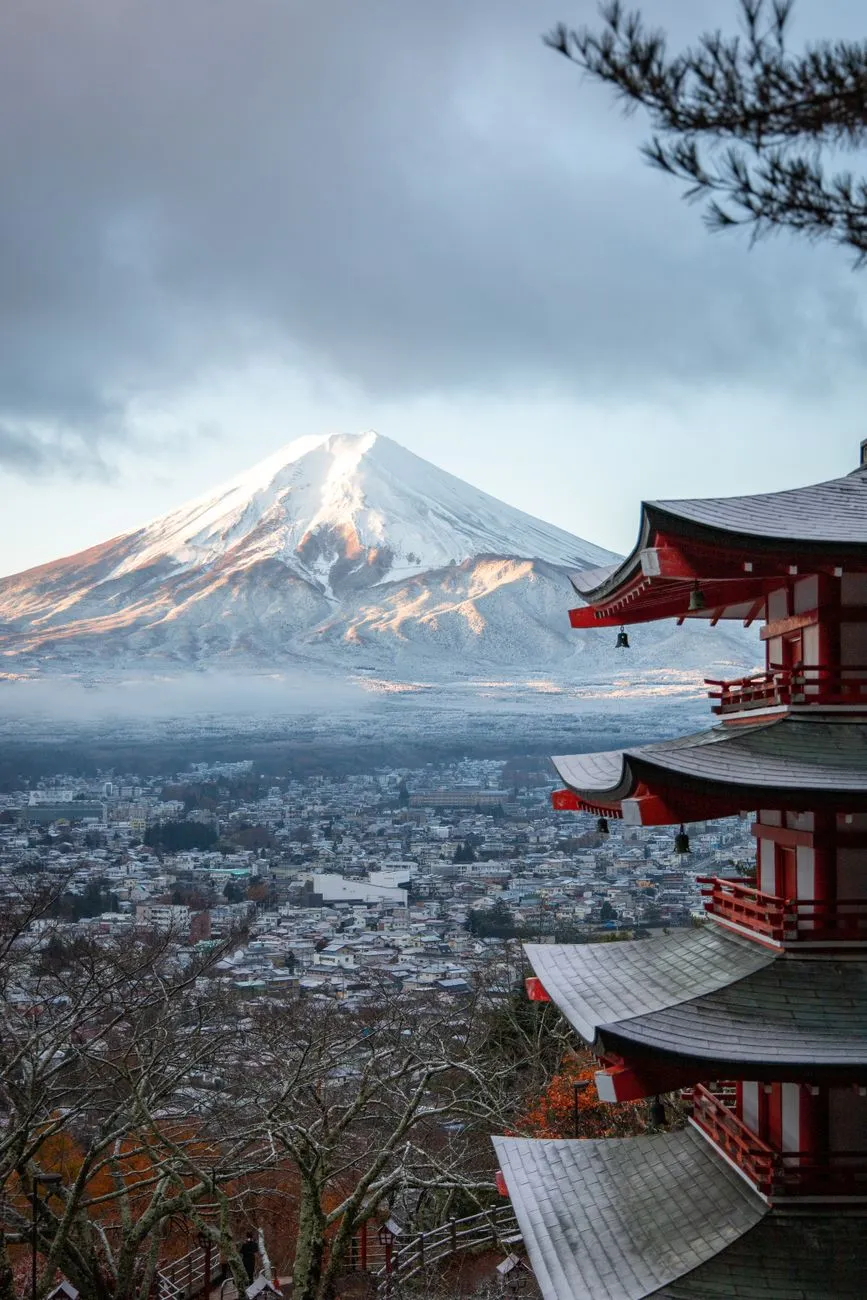
Japan: The Complete Guide for First-Time Visitors
Everything you need to know before flying to Japan: visa, transport, money, food, accommodation, and itineraries — the opening guide to our Japan series.
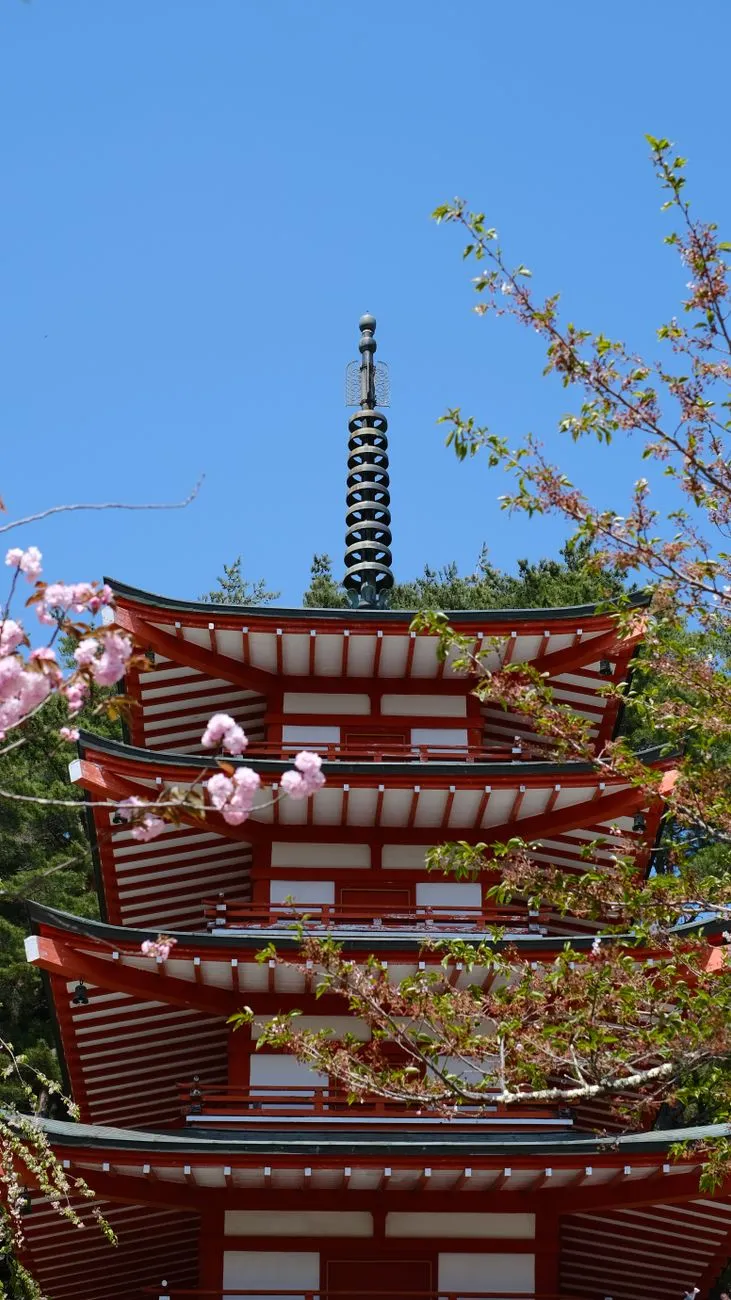
Japan Cherry Blossom (Sakura) Guide — When, Where and How to Plan
Complete guide to cherry blossom season in Japan: bloom calendar, forecast tips, best spots in Tokyo and Kyoto, hanami picnics, seasonal food, and planning advice.
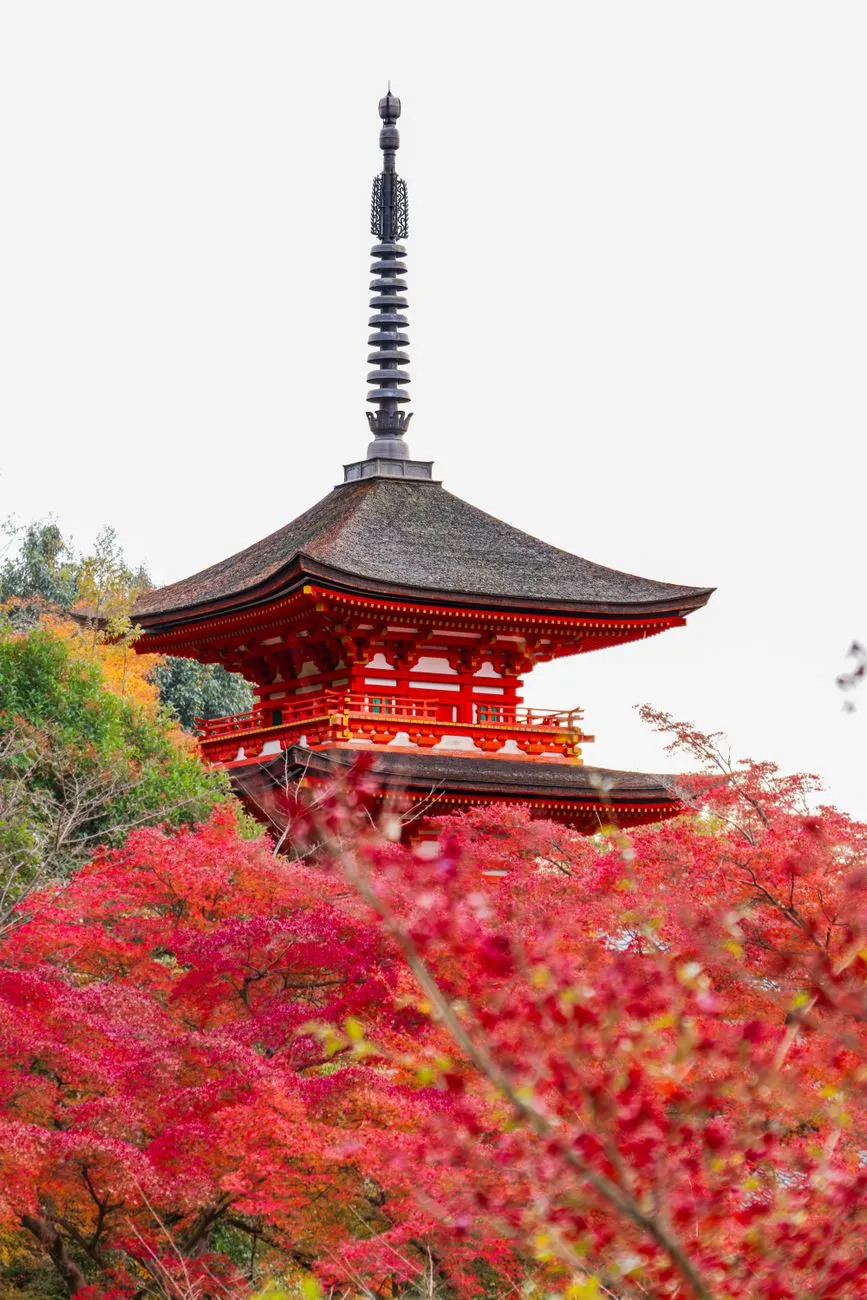
Autumn Koyo in Japan 2026 — When, Where and Tips
Complete guide to Japan's autumn leaf season (koyo): 2026 calendar, the most beautiful spots in Kyoto, Tokyo and the Alps, evening illuminations, seasonal food and practical tips.