Complete guide
Japan: The Complete Guide for First-Time Visitors
This guide contains affiliate links. If you book through them we earn a small commission, at no extra cost to you. Affiliate Disclosure
Japan can feel daunting from the outside: an unfamiliar language, a very different culture, and a transport network of almost bewildering complexity. And yet everyone who arrives discovers that it’s one of the easiest, safest, and most rewarding countries to travel in — once you understand the basics.
This guide is the home base for all our Japan content. Here you’ll find the tools for planning: visa, money, transport, accommodation, and food — with links to the city guides, itineraries, and topic pages below.
Visa, Entry, and Internet
Israelis are exempt from a visa for stays up to 90 days (valid passport required). Since 2023, visitors fill in Visit Japan Web in advance — an online service that generates QR codes for immigration and customs, speeding up entry at the airport. No special vaccinations are required.
Getting Between and Around Cities
The Shinkansen connects Tokyo, Kyoto, and Osaka in just a few hours. If you’re moving between several cities, consider the JR Pass — a pass that covers most JR lines including the bullet trains. Inside cities, a single Suica card (available at any airport and major train station) works on every subway line, bus, and even convenience stores.
For detailed itineraries — how many days in each city and how to combine them — see the itineraries guides.
Cities and Regions
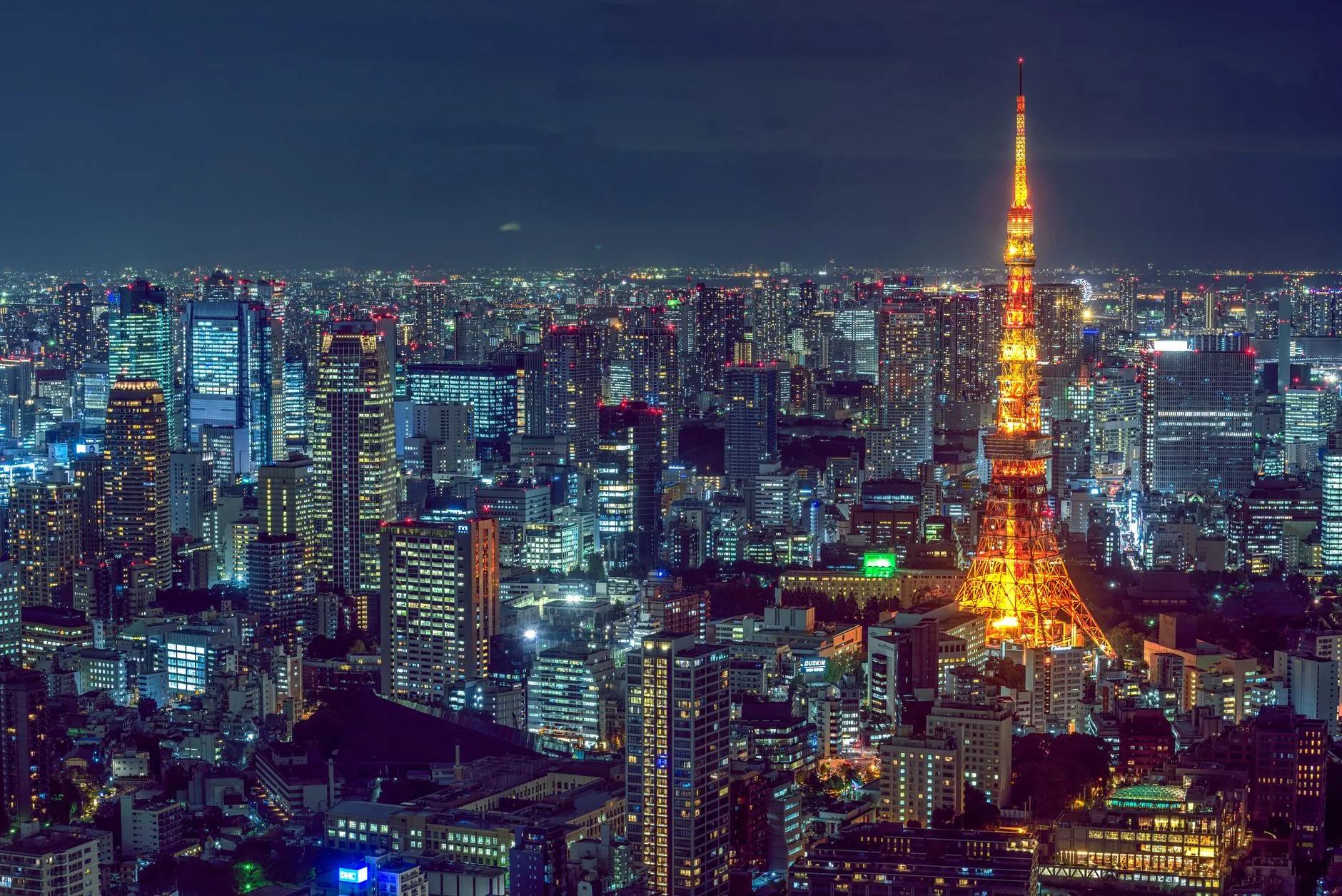
Tokyo is the entry point for most trips: a vast city that feels safe and orderly, with neighbourhoods that are entirely unlike one another — Shinjuku, Asakusa, Shibuya, and more. Visit the complete Tokyo guide for detail on neighbourhoods, attractions, and places to stay.
Beyond Tokyo, it’s worth considering: Kyoto with its temples and geisha districts; loud and food-obsessed Osaka, home to the best street food in Japan; and Nara, with its free-roaming deer and ancient shrines. The cities guide has maps and full details for each.
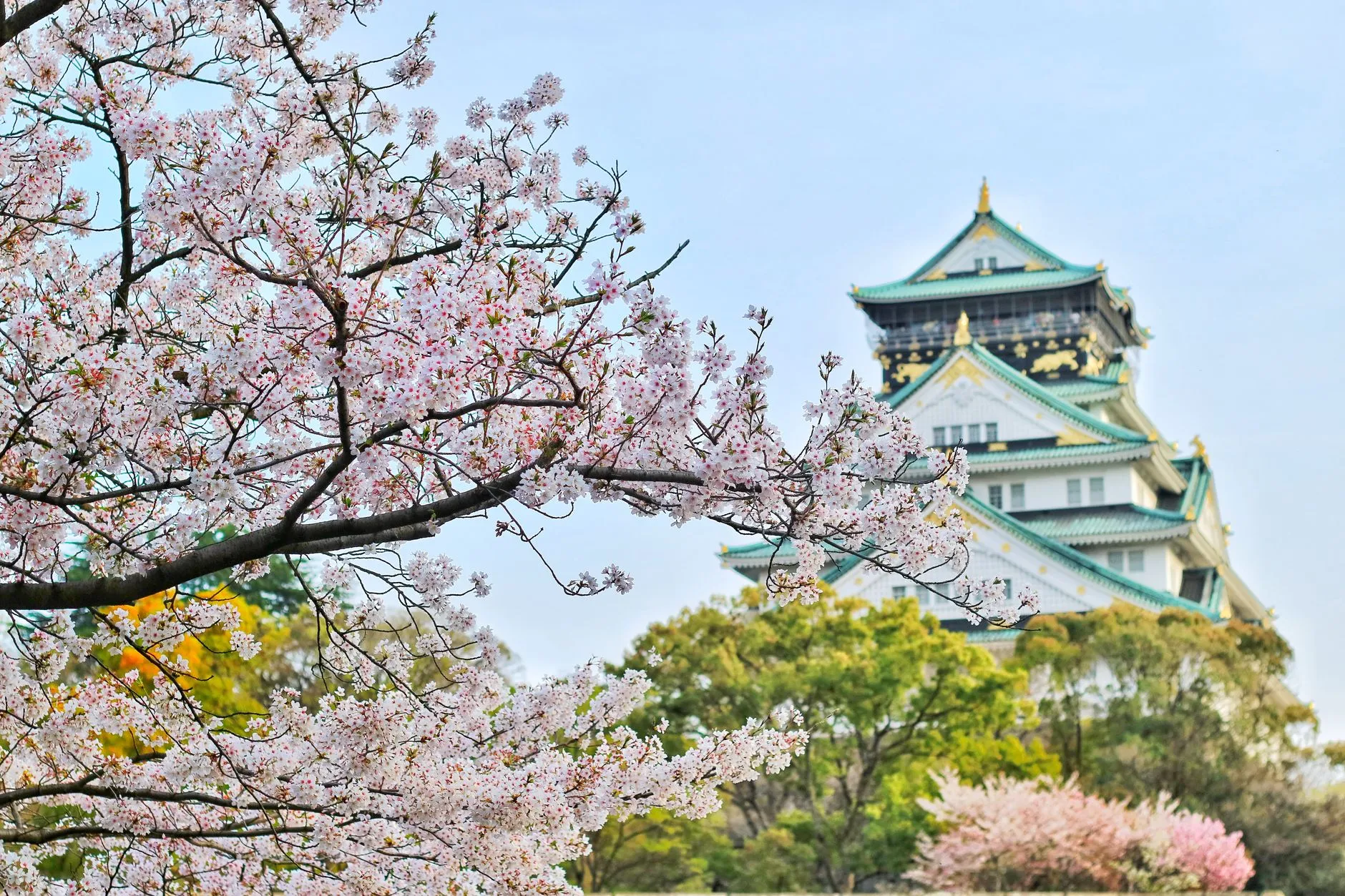
Osaka Castle in cherry blossom season — one of Japan's most beloved views
Accommodation
Japan has options at every budget: business hotels that are compact, clean, and excellent value for money; hostels; capsule hotels; and ryokan — traditional inns with a futon on tatami and an onsen bath. The advice: book near a major train station, and during peak seasons (cherry blossom, autumn leaves) book two months ahead.
Hotels in Tokyo · The accommodation guide compares every type of lodging at each budget level.
Food
Start with the familiar: ramen, conveyor-belt sushi, tempura, and gyoza. Convenience stores (konbini, open 24/7) serve surprisingly good food at very low prices. Ticket vending machines at casual restaurants solve the language barrier — choose from the photo, pay, hand over the ticket, collect your meal. The Japanese food guide covers dishes by city and includes market recommendations.
Attractions and Activities
Japan is full of experiences that reward advance planning: tea ceremony tickets, limited-entry permits for popular national parks in peak season, and guided tours. The attractions guide gathers everything worth booking ahead. If you’re putting together a quick tour, tours in Japan let you compare all the options.
Etiquette and Safety
Japan is among the safest countries in the world — crime is extremely low, lost property is routinely returned, and tap water is drinkable. A few customs that locals appreciate: remove shoes before entering a home or ryokan, keep quiet on public transport, queue properly, and don’t tip. For more — including cultural nuances — see the general information guide.
From here, carry on: start with the Tokyo guide to get to know the capital, or head to itineraries to see how to plan a week in Japan from scratch.
Frequently asked questions
When is the best time to visit Japan?
Spring (March–April) is famous for cherry blossom season, and autumn (October–November) offers red foliage and pleasant weather. Summer is hot and humid but less crowded, and winter is cold and excellent for skiing in the north.
How many days do you need for a first trip to Japan?
7–10 days is the standard for a first visit: Tokyo (3 days), Kyoto (2–3 days), and Osaka (2 days) form the classic base. 14 days lets you add Hiroshima, Nara, or the island of Kyushu.
How much does a trip to Japan cost?
A typical daily budget is ¥12,000–18,000 per person (≈ $80–120) assuming mid-range accommodation, varied meals, and local transport. Budget separately for flights and a JR Pass if you're planning intercity travel.
How do you get around Japan?
The Shinkansen (bullet train) connects cities in a matter of hours; consider a JR Pass if you're crossing many regions. Inside cities, a rechargeable Suica card works on every subway line and bus. Google Maps gives accurate times and routes throughout Japan.