Complete guide
Taiwan Travel: The Complete Guide
Taiwan is one of Asia’s most underrated destinations: an island about half the size of Israel that packs in big cities, a high-speed rail line, marble cliffs thousands of metres tall, and night markets that never seem to end. Anyone who has already done Thailand and Japan will find their next trip here: as organised and safe as Japan, but far cheaper and more spontaneous.
A few things need deciding before you book a flight: how long to give it, when to come, how to move between places, and how much money to set aside. This guide runs through all of them, and each section opens into a deeper guide of its own.
Why Taiwan
Taiwan’s strongest card is variety over short distances. You can spend the morning among skyscrapers and a modern metro, the afternoon on a mountain trail above the clouds, and the evening at a night-market stall frying oysters. Everything sits close together, all of it linked by rail, and the distances are short. Crossing the island end to end takes a few hours.
The second thing is how easy it is. Public transport is excellent, basic English works in most tourist spots, and people are polite and honest to a degree that catches you off guard. A woman travelling solo will feel more comfortable here than almost anywhere else on the continent.
How many days you need
There is no single answer, but a few frameworks work well:
- 5 days — Taipei and its surroundings only: the city, a day trip to Jiufen, and maybe a dash to Taroko. Tight, but doable if you’re folding Taiwan into a larger trip in the region.
- 7–10 days — the best balance for most travellers. Taipei, Taroko, and one southern city (Kaohsiung or Tainan), with Sun Moon Lake in between. This is the route we recommend for a first visit.
- 14 days — circle the whole island at an easy pace, including the quiet east coast and inland mountains that most tourists never reach.
Our advice: don’t try to cram in too much. Taiwan rewards anyone who gives each place a day or two instead of racing between checkpoints. The full breakdown is in the itineraries guide.
When to come
The weather is what should decide your dates. The most comfortable months are October–November and March–April: pleasant temperatures, reasonable humidity, and relatively clear skies.
Summer (June–September) is hot and humid in a way that wears down travellers who aren’t used to a tropical climate, and it’s also typhoon season, when storms can shut down flights and mountain trails for a day or two. Winter is mild and pleasant in the south, but in the north it stays rainy and grey for weeks.
Getting around
This network is the reason Taiwan is so easy. The backbone is the HSR, a high-speed line that runs the length of the west coast: Taipei to Kaohsiung at the southern tip takes about 90 minutes to two hours, around 1,490 NT$ (roughly ₪170) in standard class. Alongside it runs the regular train (TRA), which also reaches the east coast and the smaller towns.
Within cities, the metro (MRT) in Taipei and Kaohsiung is clean, cheap, and simple. A single ride costs 20–65 NT$ (about ₪2.5–7.5) depending on distance.
From the main airport, Taoyuan (TPE), the fast and cheap way into central Taipei is the Airport MRT: about 160 NT$ (roughly ₪18) and 35 to 50 minutes, depending on whether you catch the express or the regular train.
The cities worth knowing
Taiwan isn’t only Taipei, but that’s where almost everyone starts.
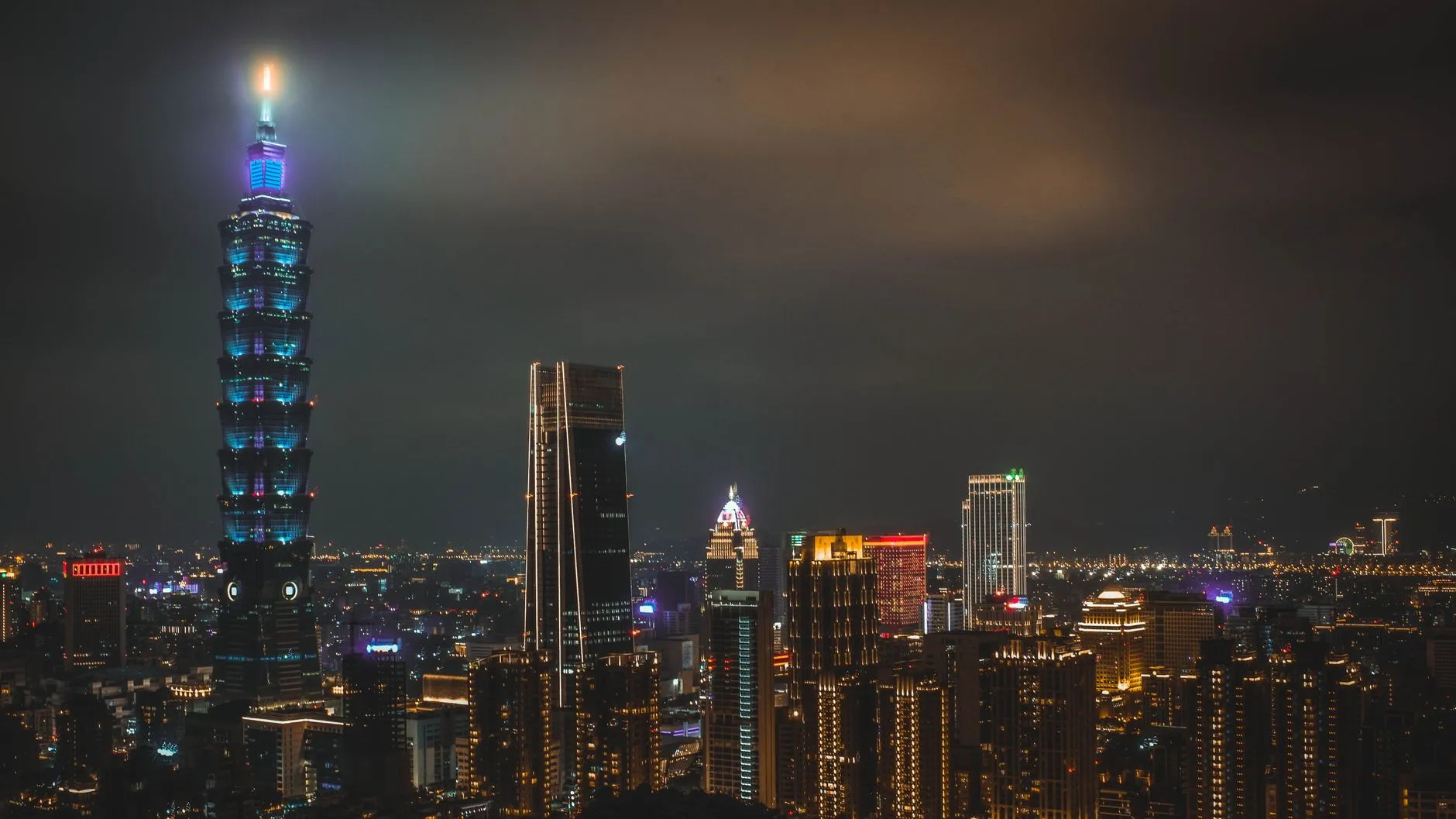
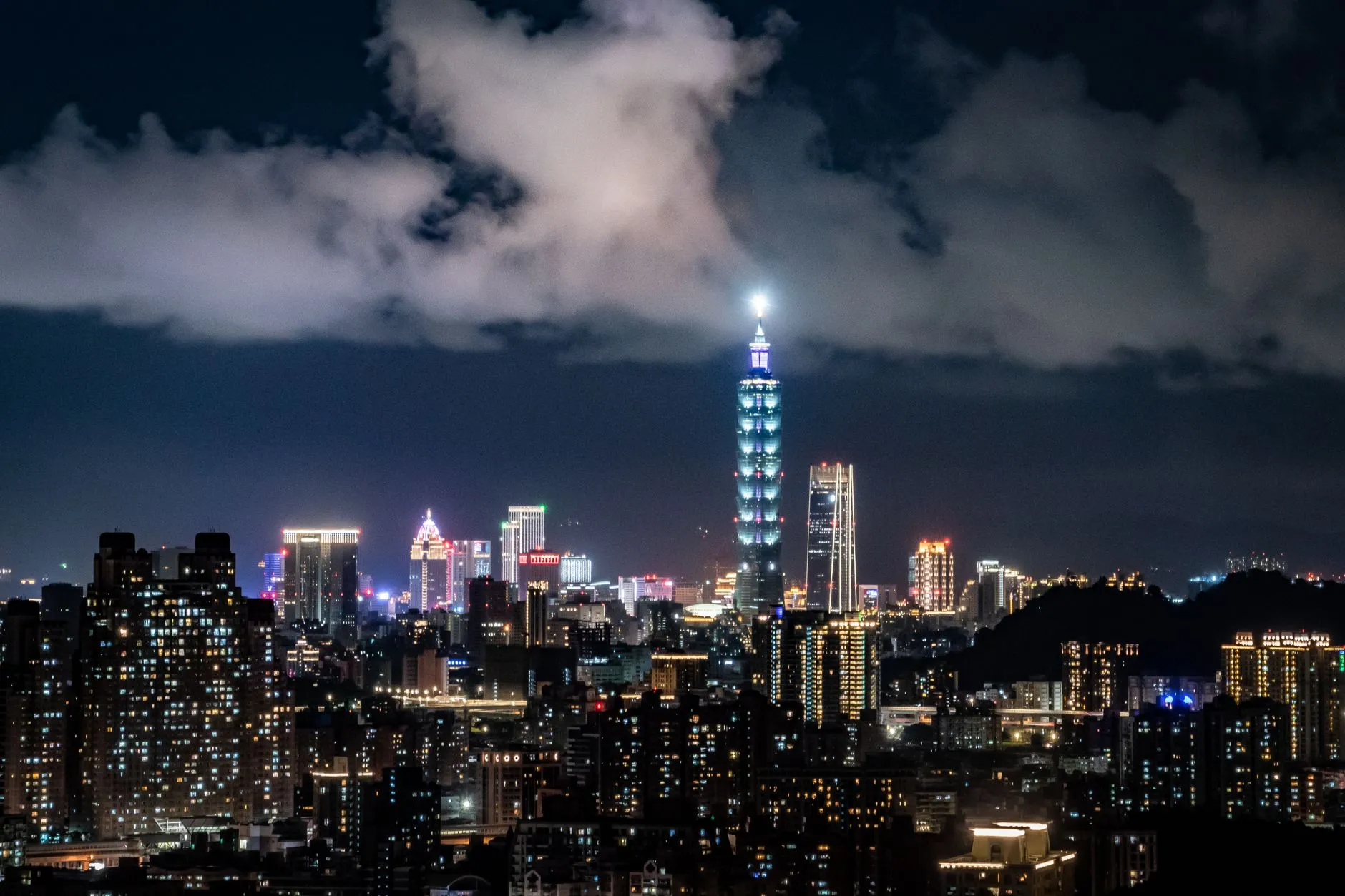
Taipei — the capital, and rightly so. Ancient temples next to Taipei 101, legendary night markets, hot springs at Beitou a short train ride away, and easy day trips to Jiufen and the north coast. If you only have one city, this is it.
Kaohsiung — the big city of the south, warmer and more relaxed, with a harbour, an arts scene in old warehouses (Pier-2), and sunsets over the “Love River.” An excellent base for the south.
Tainan — the historic capital, a city of temples and food. Anyone who cares about Taiwanese culture and authentic food shouldn’t skip it.
Taichung — the midpoint city on the way to Sun Moon Lake, with a huge night market (Fengjia) and a comfortable climate year-round.
Hualien — the gateway to Taroko National Park and the wild east coast.
Nature — the real reason to come
If one thing makes you extend the trip, it’s the mountains. Two-thirds of the island is covered in ranges, some of them rising above 3,900 metres.
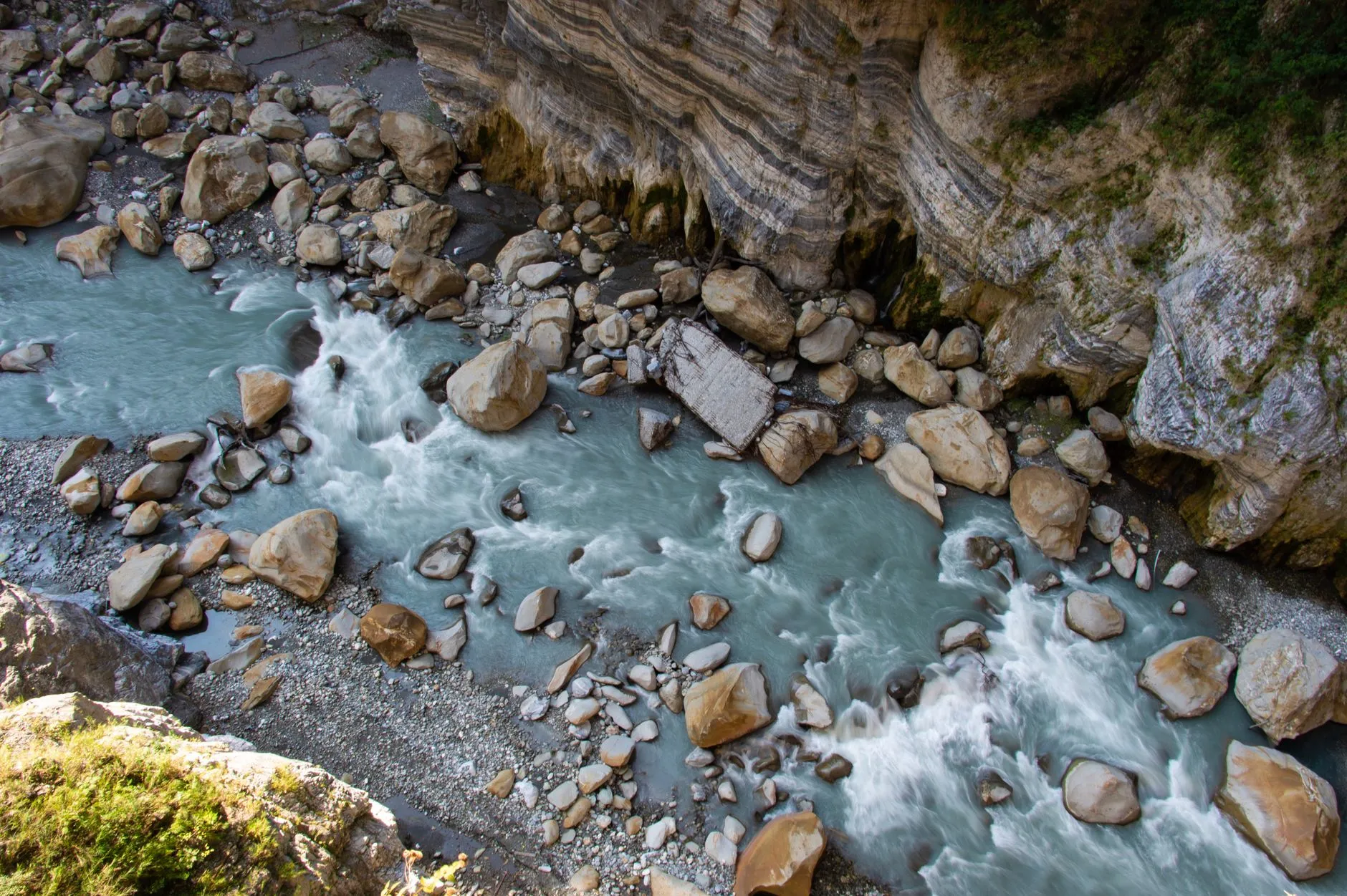
Taroko is the star: a gorge of white marble cliffs that a turquoise river has cut over millions of years, with trails that hug the edge of the drop. Worth knowing: after the April 2024 earthquake, some of the famous trails are still closed and the park is reopening in stages. We keep the current status in the Hualien and Taroko guide. Guided tours to Taroko update according to what’s open and save you the headache of getting around inside the park.
Sun Moon Lake in the centre of the island is a classic stop, a calm mountain lake with temples and cycling paths, ideal for a slower day in the middle of a route.
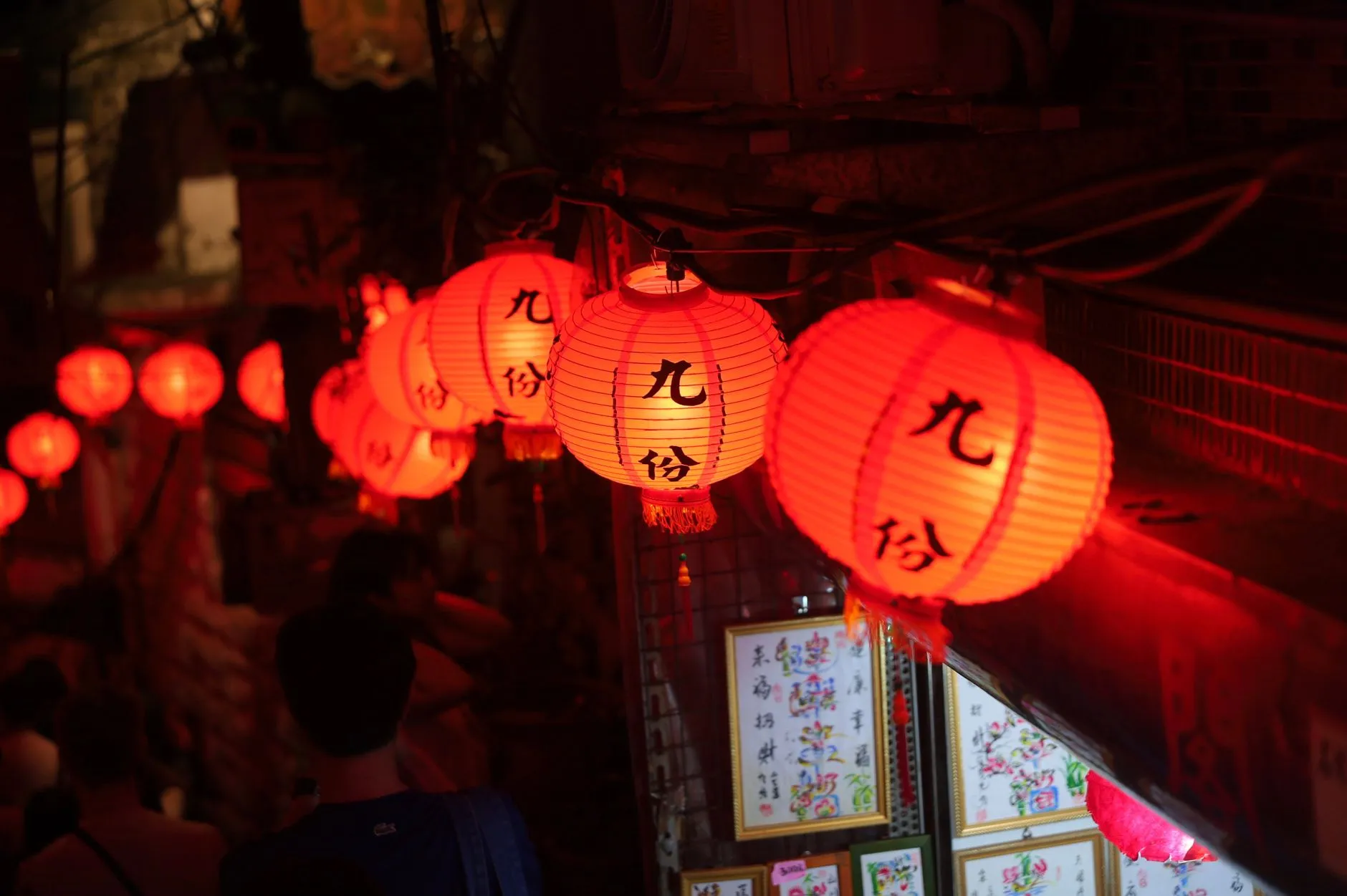
Jiufen, a picturesque tea town up the hillside north of Taipei, fills with red lanterns as darkness falls. It’s very touristy, but at the right hour, once the tour groups leave, it’s magical.
Food — half the experience
Food is central to the trip in Taiwan, and the night markets are the national institution: dozens of stalls, prices of 50–200 NT$ a dish (about ₪6–23), and food you won’t find in restaurants.
The dishes not to miss: beef noodle soup (the noodle-and-beef bowl considered the national dish), xiao long bao (steamed soup dumplings), the bubble tea that was born here, and “century eggs” and stinky tofu for the brave. More in the food and night-markets guide.
What it costs
Taiwan is noticeably cheaper than Japan and similar to Thailand in daily cost, except there are no domestic flights you need to take.
- Budget: about 1,500–2,200 NT$ a day (roughly ₪170–250) — dorms and hostels, night markets, public transport.
- Mid-range: about 2,500–4,000 NT$ a day (roughly ₪290–460) — a mid-tier hotel, restaurants, site entries, the occasional guided tour.
- Entries: the Taipei 101 observatory costs about 600 NT$ (roughly ₪70); many temples are free.
The full breakdown, including currency, ATMs, and a daily budget, is in the money and budget guide.
Visa and entry
This is the easy part. Israelis enter on a 90-day visa waiver — no application needed in advance. The only requirements: a passport valid for at least six months, and an onward flight out of the country. More in the visa guide.
Where to stay
In most big cities it pays to base yourself near a metro station — it saves hours. In Taipei, the Ximending district is popular with younger travellers for its nightlife and location, while the area around Taipei Main Station suits anyone moving around a lot by train. You can compare prices and availability for hotels in Ximending and hotels near Taipei Main Station ahead of time, especially in season.
From here you go inward: pick a city to start in, dive into the cities guide and the ready-made itineraries, and build the trip that fits you.
All the Taiwan guides
Everything we’ve written, in one place. Pick a topic and dive in.
Cities: Taipei · Kaohsiung · Taichung · Hualien and Taroko · Tainan
Itineraries: 5 days · 7–10 days · 14 days
Attractions and nature: Top attractions · Nature and scenery · Hot springs · Jiufen and the north coast
Food and night markets: Night markets · Taiwanese food
Practical info: Visa · When to go · Flights from Israel · Transport · SIM card · Safety · Money and budget · Language · Planning and budget · Where to stay
Tailored travel: Taiwan for LGBTQ+ · With kids · Festivals and holidays · Combining with another destination
Frequently asked questions
How many days do you need in Taiwan?
A week is enough for a serious taste — Taipei, Taroko, and one more city. Ten to fourteen days let you circle the whole island without rushing, including the south and the east coast.
Do Israelis need a visa for Taiwan?
No. Israelis enter visa-free for stays of up to 90 days. All you need is a passport valid for at least six months and an onward flight ticket.
When is the best time to fly to Taiwan?
October–November and March–April. Summer is hot, very humid, and brings typhoons (mainly July–September); winter is pleasant in the south but rainy and grey in the north.
Is there a direct flight from Israel to Taiwan?
No. The usual route is one connection through Bangkok, Hong Kong, Istanbul, or Dubai. Total travel time runs around 14–18 hours.