Cities in Japan
Kanazawa: Kenroku-en, Geisha Districts and Gold Leaf
This guide contains affiliate links. If you book through them we earn a small commission, at no extra cost to you. Affiliate Disclosure
Kanazawa is one of Japan’s most beautiful and least-known cities — sometimes called “Little Kyoto.” The capital of Ishikawa Prefecture on the Sea of Japan coast has preserved its Edo-period heritage: geisha districts with wooden teahouses, a surviving samurai quarter, and one of the finest gardens in the world. It is also Japan’s gold-leaf capital and a centre of traditional crafts.
Kenroku-en — One of Japan’s Three Great Gardens
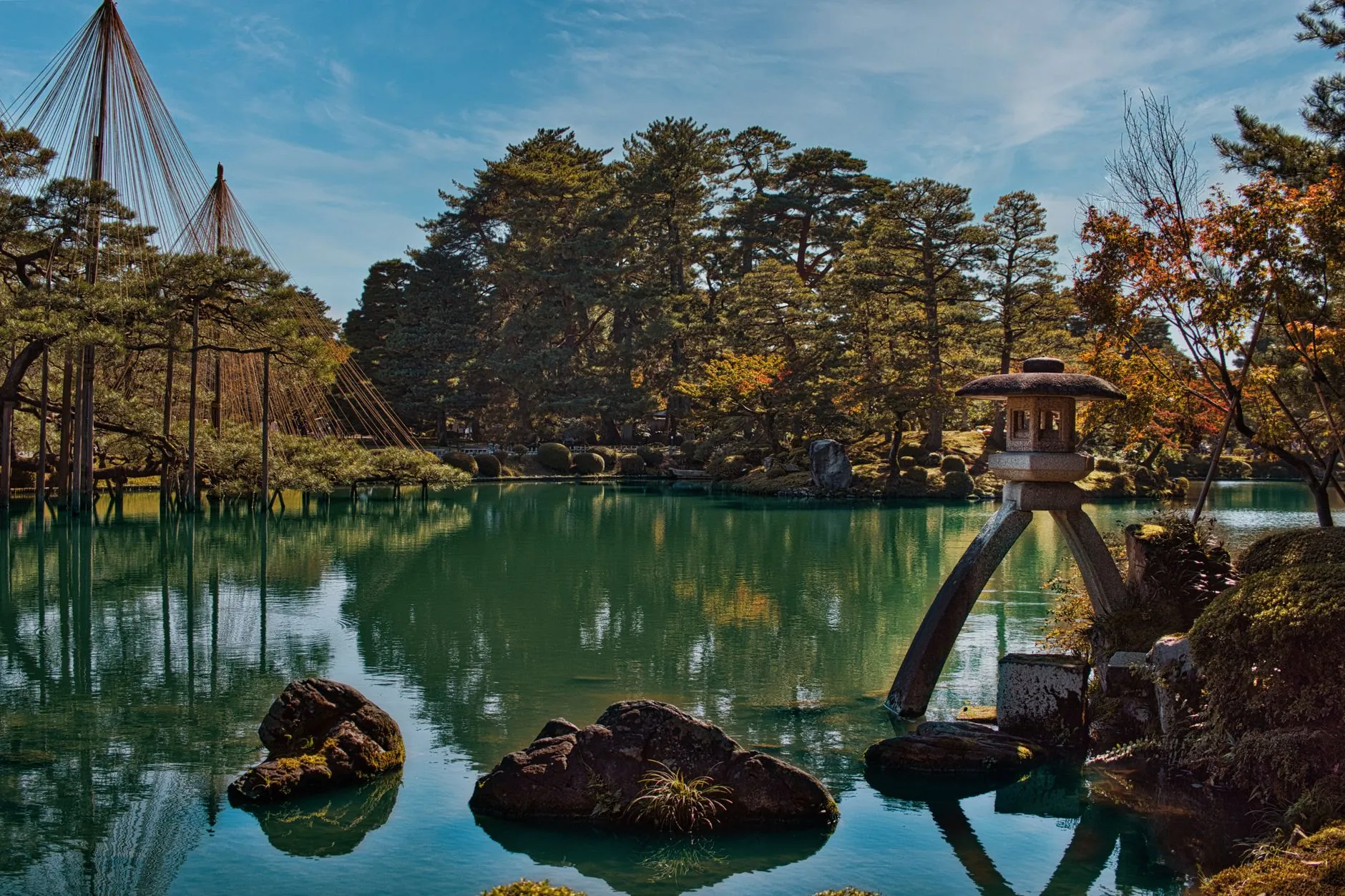
Kenroku-en is the main reason to come to Kanazawa — one of Japan’s three “great gardens.” The name means “garden of six qualities,” describing its perfect combination of spaciousness, tranquillity, antiquity, water, views and panoramas. Winding paths pass between ponds, fountains, stone bridges and ancient trees. Every season changes its character: cherry blossoms in spring, lush green in summer, autumn foliage, and in winter the famous yukitsuri rope supports that protect the trees from snow and create a magical scene. Allow at least one to two hours.
Tours of Kenroku-en and KanazawaGeisha Districts — Higashi Chaya
Kanazawa has preserved three Edo-period geisha districts (chaya). Higashi Chaya is the largest and most beautiful — stone-paved streets lined with centuries-old wooden teahouses, some open to visitors. Here you will also find gold-leaf shops and traditional cafés. Nishi Chaya and Kazue-machi are smaller and quieter. In the evening, if you are lucky, you may hear the sound of shamisen drifting from one of the houses — a glimpse into a world that still lives.
Nagamachi Samurai Quarter
Samurai once lived in Nagamachi, and some of the atmosphere survives to this day: narrow lanes, earthen walls, and channels of running water. Visit Nomura-ke, a restored samurai estate with a small, intimate Japanese garden — one of the city’s most beautiful private gardens. Walking through the quarter feels like stepping back in time, and it is close to Omicho market and the city centre.
Kanazawa Castle and Omicho Market
Beside Kenroku-en stands Kanazawa Castle, a vast fortress that served the powerful Maeda clan. Most of the buildings have been carefully restored in wood and stone, and visitors can enter to see traditional construction techniques. The park around the castle is wide, green and pleasant for a stroll, connecting directly to Kenroku-en over a bridge — during cherry blossom season this is one of the most beautiful spots in the city.
Omicho Market has been Kanazawa’s “kitchen” for more than two hundred years. Hundreds of stalls sell fresh seafood from the Sea of Japan — crabs, oysters, fish and kaisendon (a bowl of rice topped with fresh sashimi), the local specialty. Come hungry in the morning or at lunchtime and eat directly from the stalls.
Gold Leaf and Kanazawa Crafts
Kanazawa produces about 99% of Japan’s gold leaf (kinpaku). The gold, hammered into extraordinarily thin sheets, adorns temples, lacquerware and artworks. As a visitor you can try ice cream topped with a full sheet of gold, buy cosmetics or gilded tableware, and join a workshop where you apply gold leaf to a box or plate yourself — gold leaf workshops and experiences in Kanazawa. Do not miss the Otera (“Ninja Temple”), with hidden doors and concealed staircases.
Kanazawa is also famous for a wide range of traditional crafts: colourful Kutani porcelain, hand-dyed Kaga Yuzen silk, lacquerware and ceramics — all created here today in small workshops. Those with a sweet tooth can try handmade local wagashi confections that accompany the tea ceremony.
21st Century Museum of Contemporary Art
Contrary to its traditional image, Kanazawa also offers world-class contemporary art. The 21st Century Museum of Contemporary Art is a circular, innovative building famous for Leandro Erlich’s “Swimming Pool” installation — an optical illusion where people appear to be standing underwater. The museum is partially free to enter, enjoyable for all ages, and balances the historical sites beautifully.
Getting Here and When to Visit
Since the Hokuriku Shinkansen opened, Kanazawa has become very accessible: about 2.5–3 hours direct from Tokyo on a Kagayaki or Hakutaka, around ¥14,500. From Kyoto it is about 2 hours and from Osaka about 2 hours 10 to 2 hours 30 — but since March 2024 the journey involves a transfer at Tsuruga: the Thunderbird limited express as far as Tsuruga, then the Shinkansen. The transfer itself is short, about 5–7 minutes on foot. Fares run about ¥7,720 from Kyoto and ¥9,410 from Osaka.
For JR Pass holders: the whole route is covered, both legs and both directions, with no supplement — unlike Nozomi on the Tokyo–Osaka line. Within the city, a tourist loop bus connects all the main sights, and a day pass is good value.
Where to Stay
Most hotels are clustered around Kanazawa Station — convenient for transport and day trips, with a wide range of options — hotels near Kanazawa Station. For atmosphere, there are ryokan and small guesthouses in the chaya districts and the historic centre — ryokan in Kanazawa. Book ahead during peak seasons and public holidays.
Continue from here: read the Japan overview guide for all regions, browse the cities guide for more destinations, or combine with Takayama for a journey into the Japanese Alps.
Frequently asked questions
How much time do you need in Kanazawa?
A full day for the main sights; two days for a relaxed pace with the historic districts and the 21st Century Museum.
What is the most important sight in Kanazawa?
Kenroku-en garden — one of Japan's three 'great gardens'. Alongside it, the Higashi Chaya geisha district with its centuries-old wooden teahouses.
When is the best time to visit?
Every season is beautiful. Winter is especially unique: the yukitsuri rope supports in the snow-covered garden are magical, and it is also the season for fresh crab.
Can you visit as a day trip from Tokyo?
Possible but long — about 2.5–3 hours each way on the Shinkansen; at least one overnight stay is preferable.
Related guides
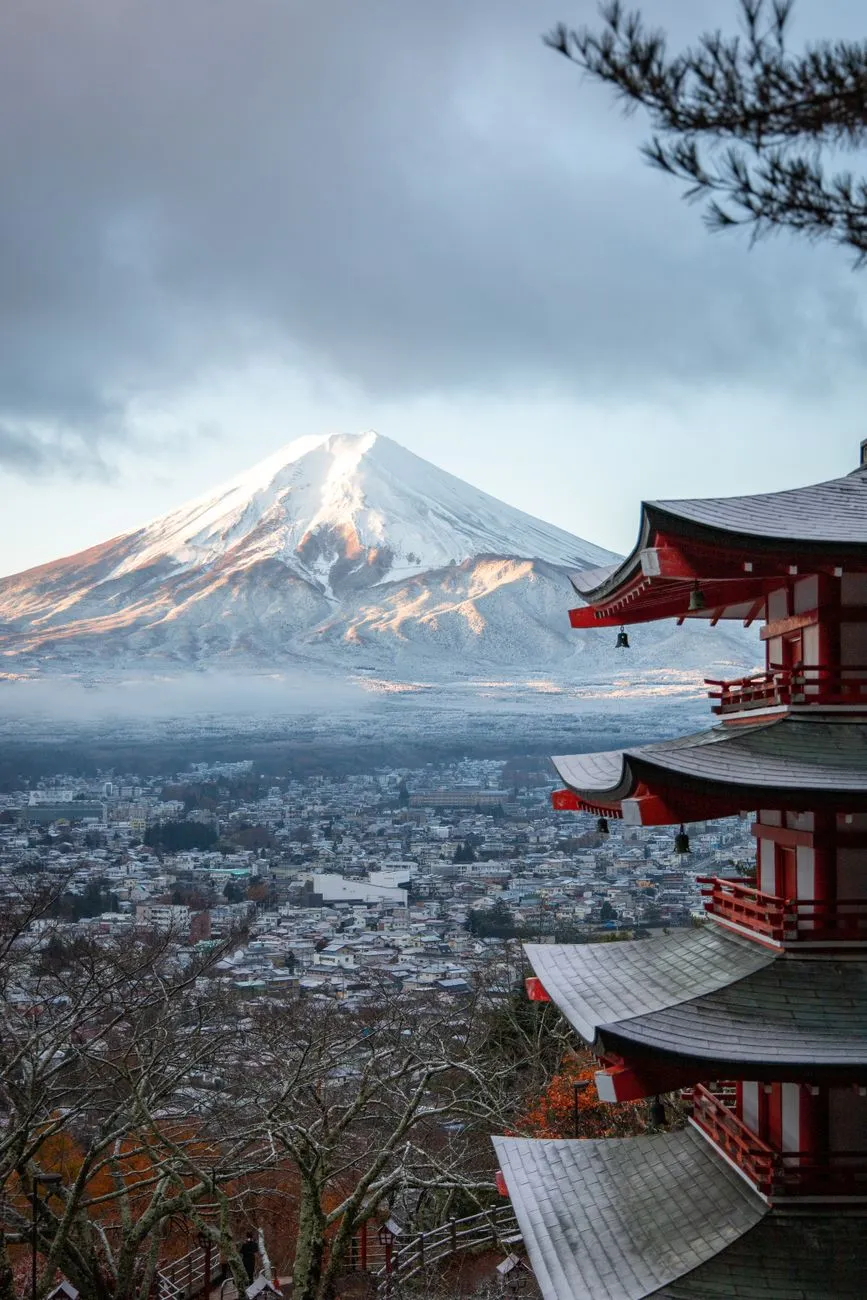
Japan: The Complete Guide for First-Time Visitors
Everything you need to know before flying to Japan: visa, transport, money, food, accommodation, and itineraries — the opening guide to our Japan series.
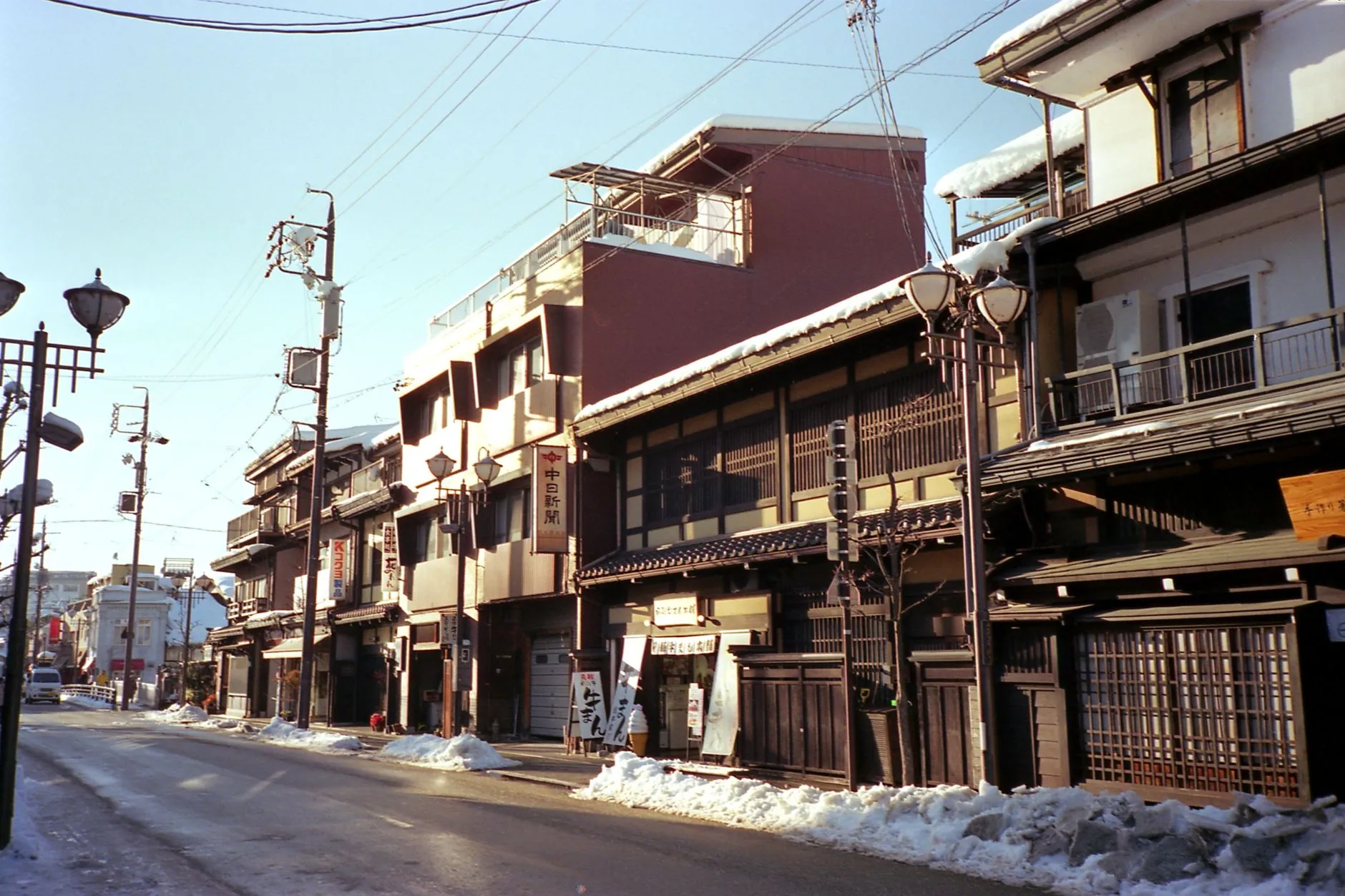
Takayama and the Japanese Alps: Complete Guide
Guide to Takayama: the historic Sanmachi district, Shirakawa-go villages, morning markets, Hida beef, Kamikochi in the Japanese Alps, and the Takayama Festival — rural Japan at its finest.
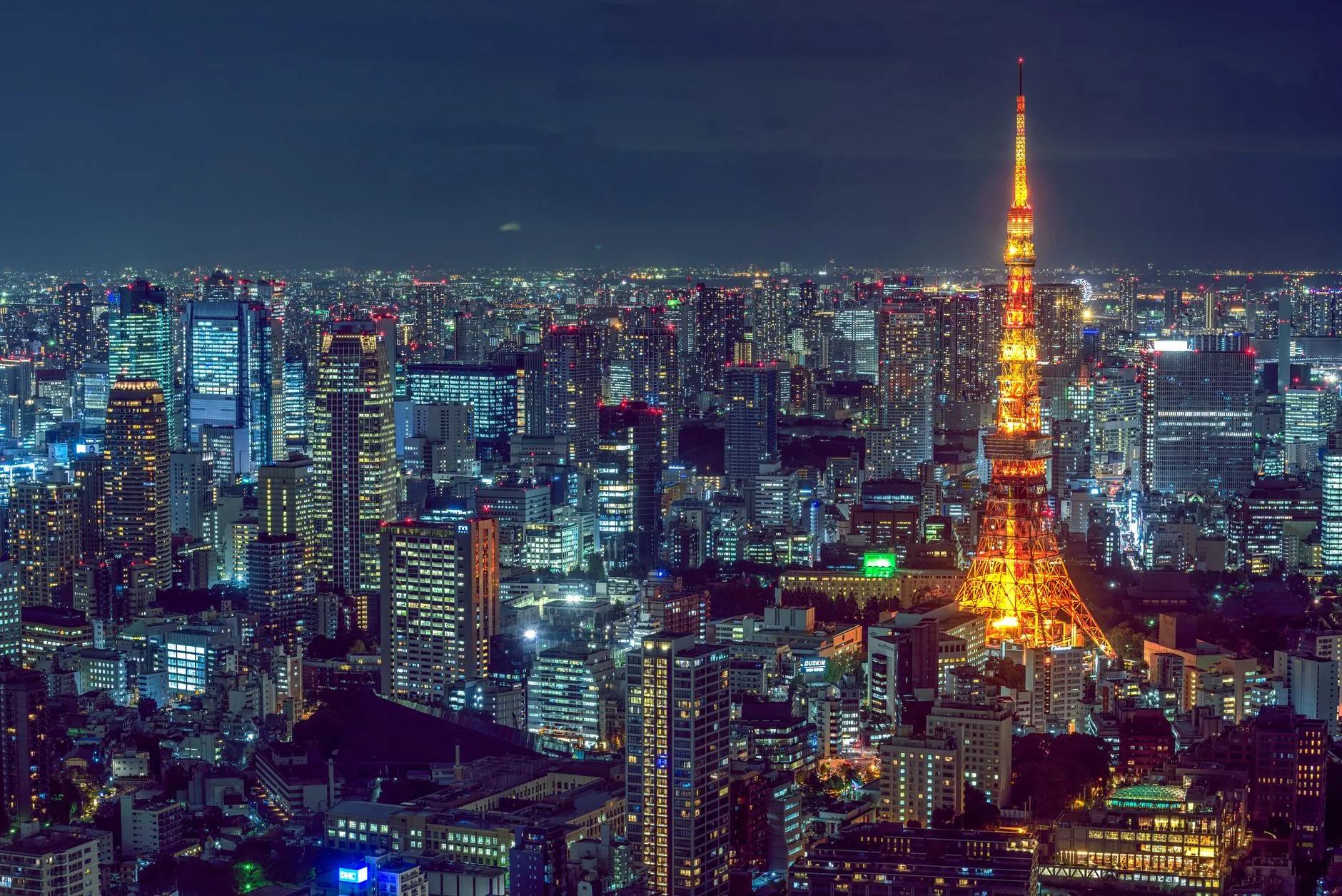
Tokyo: A Complete Guide to Neighbourhoods and Attractions
Everything you need for a trip to Tokyo: the key neighbourhoods, must-see attractions, where to sleep, Japanese food, day trips to Hakone and Kamakura, and a 3-day itinerary.