Itineraries
Suica and Pasmo — The Complete Guide to Japan's IC Cards
This guide contains affiliate links. If you book through them we earn a small commission, at no extra cost to you. Affiliate Disclosure
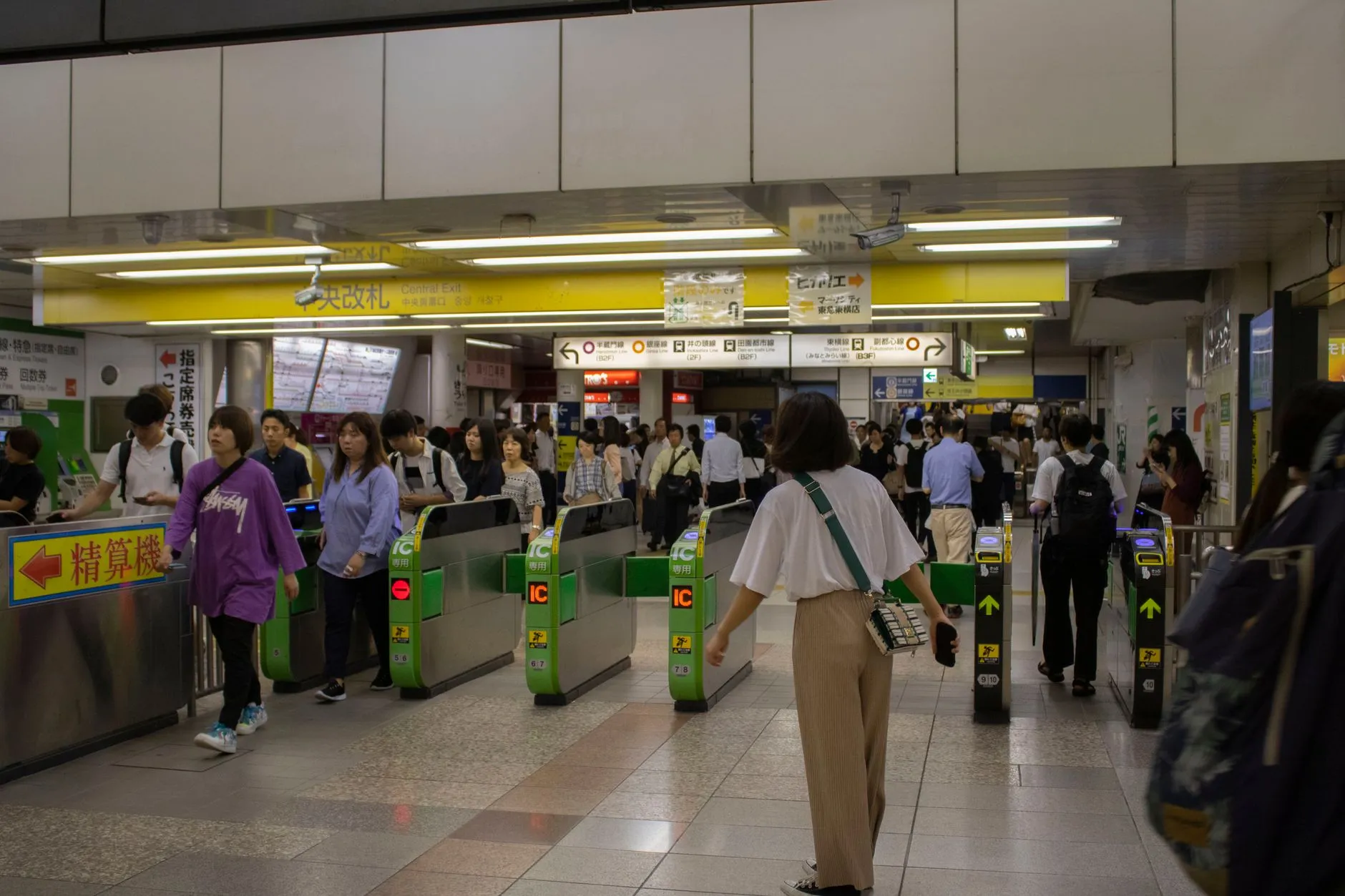
Suica and Pasmo are prepaid IC cards that have become an inseparable part of daily life in Tokyo — and an incredibly convenient tool for travellers. Instead of calculating fares, buying a ticket for every journey, or struggling with machines, you simply tap the gate and go. Beyond transport, you can also use them to pay for everyday purchases around the city, removing a lot of friction from your trip. If you have a JR Pass, remember: you still need Suica or Pasmo for subway rides and private lines the pass does not cover.
How They Work
These are prepaid smart cards — you load money onto them, and each time you enter and exit a train or subway the correct fare is deducted automatically. The same principle works on buses and in shops that accept IC payment. They save time queuing at machines, reduce the chance of picking the wrong ticket, and allow quick payment outside transport too.
They work on all JR trains, Tokyo Metro and private railway lines, city buses, convenience stores, vending machines, and some restaurants and shops inside stations.
The Difference Between Suica and Pasmo
In practice, the difference for travellers is very small. Suica is issued mainly by JR East, so it is commonly bought at JR stations. Pasmo is issued by non-JR railway and subway operators, so it is common at Tokyo Metro and private railway stations. In everyday use in Tokyo — both work almost identically, including cross-use on each other’s networks. Get whichever is available and do not overthink it.
The Digital Version
Today you can also use a digital version of Suica or Pasmo on your phone. On iPhone this works through Apple Wallet, and in some cases through dedicated apps. For tourists, the Welcome Suica Mobile option on iPhone simplifies the card’s setup and top-up even further.
The digital version is more convenient: no need to carry a physical card, just hold your phone near the reader at the gate, and you can easily check your balance at any time. Instead of finding a machine, paying a deposit, and queuing — you issue a digital card and get moving. It is especially suited to travellers who prefer a minimal-carry approach and those who move around a lot by public transport.
How to Top Up and Use
With a physical card — top up at station machines and tap the card reader on entry and exit. With a digital card — top up through your phone’s digital wallet or the relevant app. When the balance runs out, the gate will display a message — go to the nearest top-up machine. Standard physical cards have a refund process covering the remaining balance and deposit according to the issuer’s local rules at the end of your trip.
Tips for Travellers
If you have a compatible iPhone, the digital version is usually the most convenient for city travel. If you are travelling with children, want a souvenir, or prefer simplicity without payment settings — a physical card is still an excellent solution. If there is a problem at the gate — do not panic: there is always a small service window or station staff nearby who can help quickly. Do not store the card in the same wallet compartment as other smart cards — it can sometimes confuse the reader. Top up a small-to-medium amount and add more as needed — that way you do not end up with a large unused balance at the end.
For tours and activities in Tokyo check what is available in advance, and for hotels in Tokyo it is worth booking early.
Return to the Japan travel guide for a full overview, read the JR Pass guide to understand when the pass pays off, or browse itineraries for trip planning.
Frequently asked questions
What is the difference between Suica and Pasmo for a traveller?
In practice almost none — both work on all trains, subway lines, and buses in Tokyo. Suica is more common at JR stations and Pasmo at subway stations, but both are accepted everywhere.
Can you use Suica or Pasmo outside Tokyo?
Yes — they work in Osaka, Kyoto, Kyushu, and many other areas of Japan. They are convenient for local travel in all major cities.
What do you do if the card runs out of balance at the gate?
The gate will display a message. Simply go to the nearest top-up machine at the station, or top up from your phone if you have the digital version. Station staff are always happy to help.
Related guides

Japan: The Complete Guide for First-Time Visitors
Everything you need to know before flying to Japan: visa, transport, money, food, accommodation, and itineraries — the opening guide to our Japan series.
JR Pass 2026 — The Complete Guide: Is It Still Worth It?
Everything you need to know about the JR Pass in 2026: what it covers, the new October 2026 prices, value vs. regional passes, and how to buy and activate it. Full guide in English.

Tokyo: A Complete Guide to Neighbourhoods and Attractions
Everything you need for a trip to Tokyo: the key neighbourhoods, must-see attractions, where to sleep, Japanese food, day trips to Hakone and Kamakura, and a 3-day itinerary.