Travel info
Where to Stay in Tokyo — Neighborhoods, Hotel Types and Prices
This guide contains affiliate links. If you book through them we earn a small commission, at no extra cost to you. Affiliate Disclosure
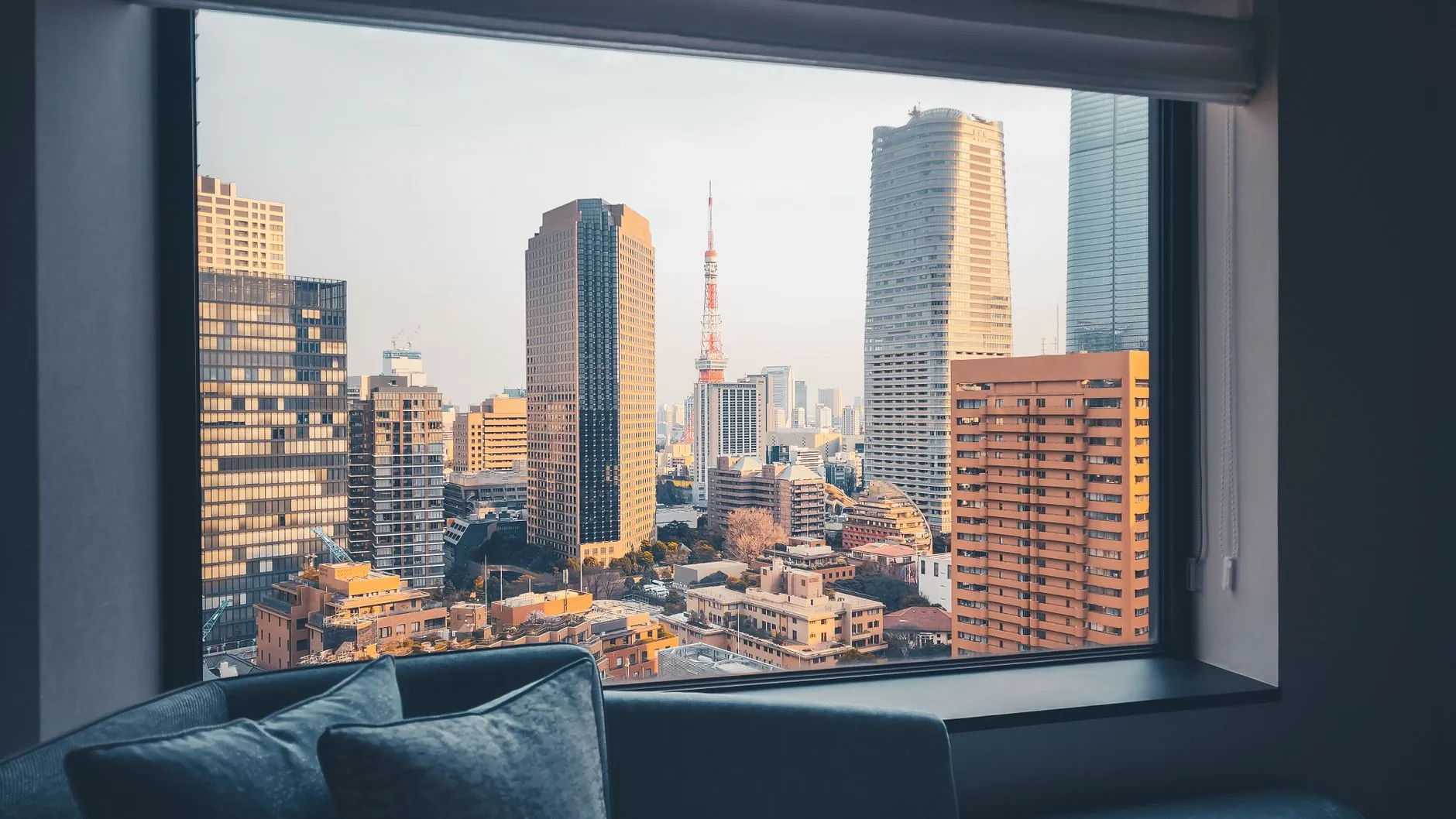
Where you sleep in Tokyo affects your trip more than almost any other decision. The city is vast, but the logic is simple: the closer your hotel to a central train station, the less time and money you spend on getting around. Here’s a full breakdown of neighborhoods, accommodation types, and prices — with recommendations by travel style and budget. For the full city overview, see the complete Tokyo guide.
Rule One: Proximity to a Station
Before looking at price or star rating, check how many minutes’ walk the hotel is from a Yamanote Line or central subway station. A hotel ten minutes from a station will save you hours over the course of your trip. Places further out in the suburbs may be cheaper, but the difference evaporates quickly in transit costs and fatigue.
The Best Neighborhoods to Stay
Shinjuku — The safe choice for first-timers: a massive transit hub connecting almost everywhere, plenty of restaurants, and hotels at every price point. Hotels in Shinjuku.
Shibuya — Central, youthful, and vibrant, right next to the famous scramble crossing, shopping, and nightlife. Great if you want to be in the middle of the action. Hotels in Shibuya.
Tokyo Station / Marunouchi — Central and upscale, with direct access to the Shinkansen. Perfect if you’re combining Tokyo with Kyoto or other cities. Hotels near Tokyo Station.
Asakusa — More affordable and traditionally flavored, near Senso-ji Temple and Tokyo Skytree. Great for an old-Japan atmosphere at a reasonable price. Hotels in Asakusa.
Ueno — Fair prices, a park, museums, and direct access to Narita via Keisei — a real advantage on arrival and departure days. Hotels in Ueno.
Ginza — Quiet, elegant, and upscale, with boutique and luxury hotels. Ikebukuro — Good value, a major transit hub, and less touristy.
Accommodation Types and Prices
- Business hotel: Clean, compact, and efficient — ¥10,000–18,000 (≈ $67–120) per night. The most common and practical choice for most travelers.
- Boutique or luxury hotel: Larger rooms, design, and service — from ¥25,000 (≈ $167) and up.
- Ryokan: Traditional Japanese inn with tatami rooms and futon mattresses — ¥15,000–40,000 (≈ $100–267), an experience rather than just a place to sleep.
- Capsule hotel: Compact and surprisingly comfortable sleep pods — ¥3,500–6,000 (≈ $23–40).
- Hostel: ¥3,000–5,000 (≈ $20–33), great for independent travelers.
- Apartment / Airbnb: Suited to families and longer stays — kitchen and space, but verify the listing is legally registered.
Ryokan and Onsen — a Japanese Experience
At least one night in a ryokan is worth it: a tatami room, futon mattress, yukata robe, and sometimes a multi-course kaiseki dinner. Many ryokan include an onsen (hot spring bath). Know that in an onsen you wash thoroughly before entering the pool, and you go in without clothes. Ryokan in Tokyo itself are rare; for the full experience combine a night in Hakone — see the ryokan and onsen guide and the Fuji and Hakone guide.
What to Expect in a Japanese Room
Rooms in Japan are smaller than in Europe or North America — and that’s entirely normal. A few things to know: a “single” room in Japan is very narrow and meant for one person; a couple should explicitly request a double or twin. Business hotels like APA, Toyoko Inn, and Sotetsu Fresa Inn deliver clean, compact, and functional rooms at a fair price. Capsule hotels are cheap and fun for one or two nights, but there’s no space for an open suitcase. Almost every hotel has a smart toilet, kettle, and toothbrushes.
When to Book
During cherry blossom season (late March–early April), Golden Week (late April–early May), autumn foliage (November), and Japanese New Year (late December–early January), prices spike and good rooms sell out months in advance. Book two to three months ahead for these dates. Most hotels in Japan allow free cancellation until a few days before arrival, so book early with free cancellation and upgrade later if you find something better.
Tokyo rooms are small and the best-located hotels sell out first — especially in sakura and koyo season.
Check availability in TokyoOur Recommendation
First-time visitor: Shinjuku or Shibuya — easiest for getting around. On a tight budget: Asakusa or Ueno. Luxury and quiet: Ginza or Marunouchi. In every case — close to a station, with free cancellation.
Comparing options? See also the guide to where to stay in Kyoto and the Japan travel overview for full trip planning.
Frequently asked questions
Is it better to stay in one area or switch hotels mid-trip?
For most trips, one central area near a station is more than enough. Tokyo is extremely well connected by rail, and switching hotels wastes half a day on check-out and luggage hauling.
What are check-in and check-out times in Tokyo hotels?
Check-in is usually from 15:00, check-out by 10:00 or 11:00. Almost all hotels will hold your luggage before check-in and after check-out.
Can you send luggage between hotels in Tokyo?
Yes — the luggage forwarding service (takkyubin) by companies like Yamato is widely available and affordable, moving a bag between hotels or to the airport within a day.
How much should a couple budget for accommodation in Tokyo?
A good business hotel in a central location runs about ¥12,000–20,000 (≈ $80–133) per night for two. Hostels or capsule hotels bring it down to ¥3,000–6,000 (≈ $20–40) per person.
Related guides
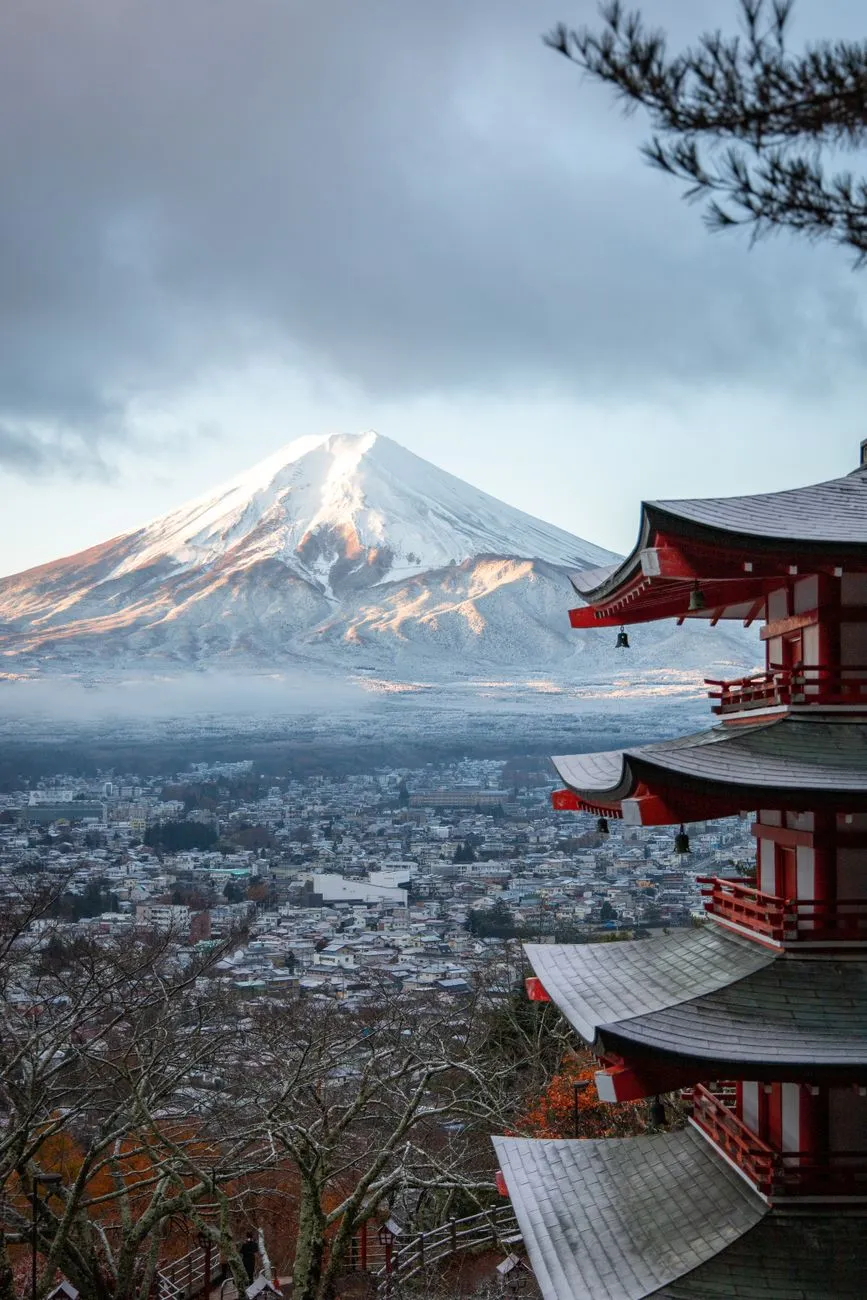
Japan: The Complete Guide for First-Time Visitors
Everything you need to know before flying to Japan: visa, transport, money, food, accommodation, and itineraries — the opening guide to our Japan series.
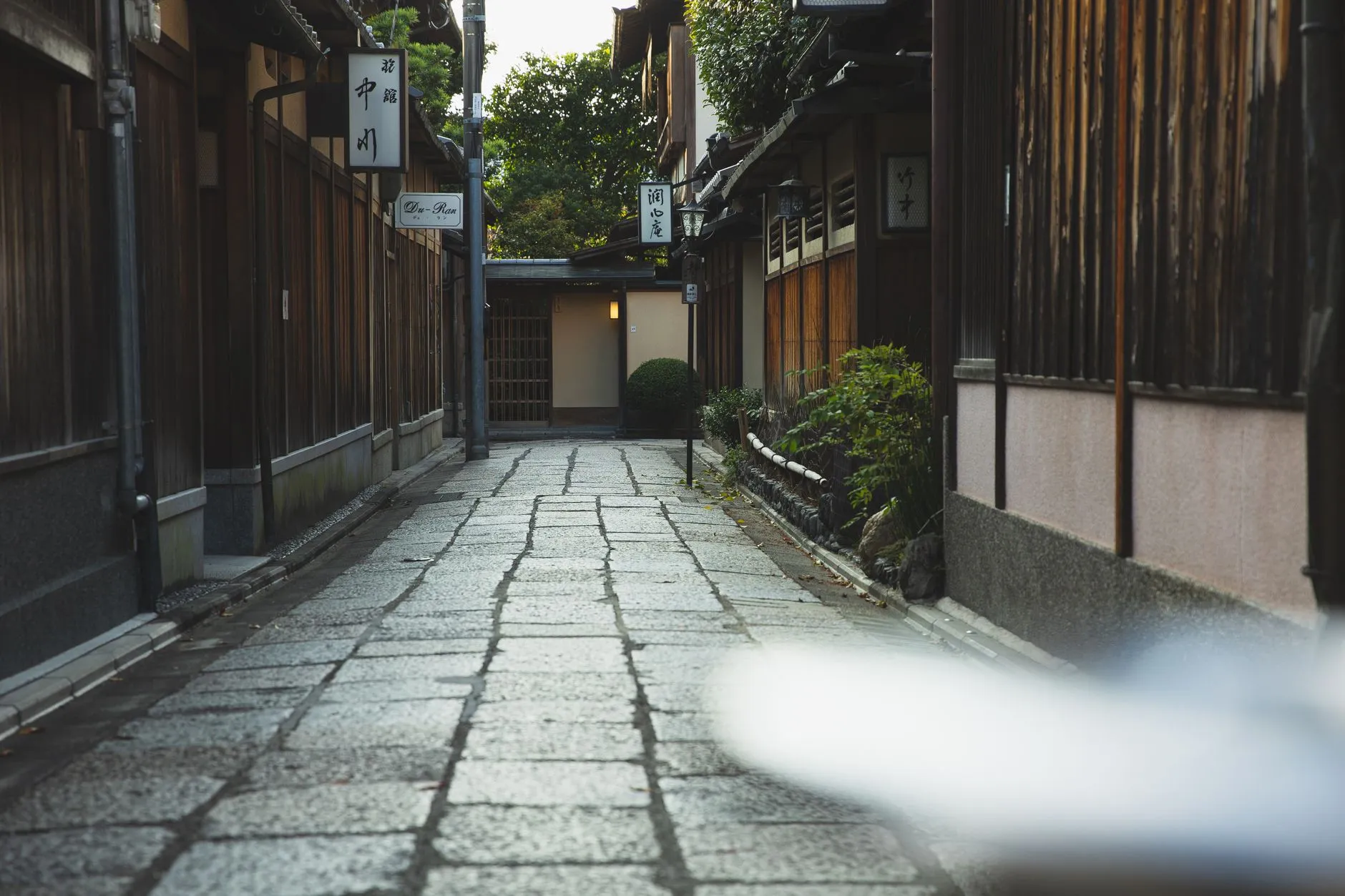
Where to Stay in Kyoto — Neighborhoods, Ryokan and Prices
Where to stay in Kyoto: recommended neighborhoods, ryokan and business hotels, when to book, price ranges, and practical tips.
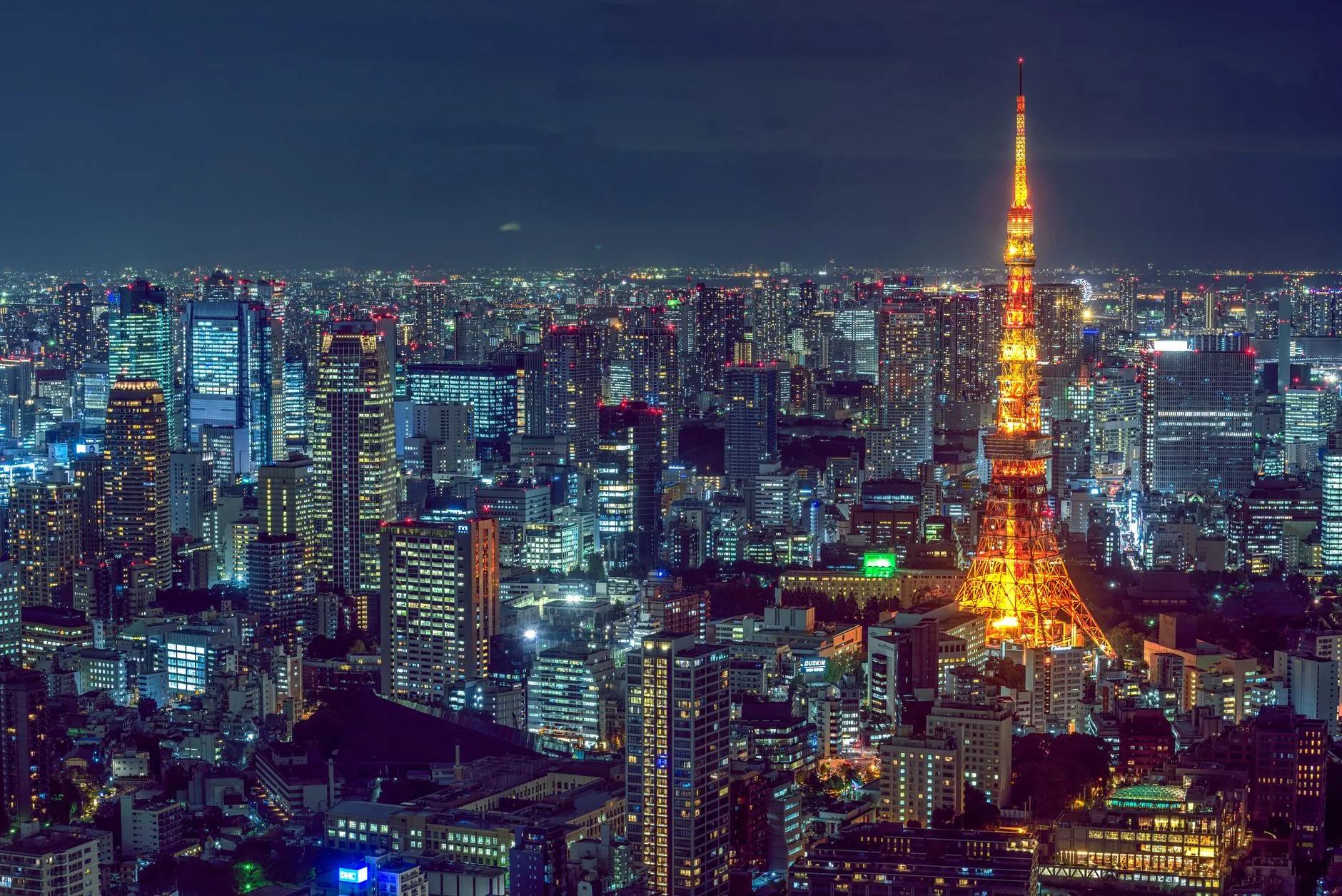
Tokyo: A Complete Guide to Neighbourhoods and Attractions
Everything you need for a trip to Tokyo: the key neighbourhoods, must-see attractions, where to sleep, Japanese food, day trips to Hakone and Kamakura, and a 3-day itinerary.