Travel info
Japan Etiquette and Culture — Complete Guide for Visitors
Japan is famous for its refined etiquette and the mutual respect that permeates every corner of daily life. As tourists, you are not expected to know every rule — Japanese people are very forgiving towards foreigners — but a basic understanding of customs will enrich your experience, impress locals, and prevent awkward moments.
This guide covers the most important rules: bowing, removing shoes, temple etiquette, onsen, eating, and transport. A little awareness goes a long way. Ready to prepare for your first trip? See the first-timer’s Japan guide.
Our Recommendation
The most important rule: respect and consideration for those around you. Speak quietly on public transport, don’t eat while walking, and keep things clean. A light bow instead of a handshake is a safe greeting. And if you make a mistake — a smile and an apology will fix almost everything. Japanese people deeply appreciate the effort itself.
Greetings, Bowing, and Physical Contact
The Japanese greeting is a bow (ojigi) — a slight inclination of the body. The deeper the bow, the greater the respect shown. As a tourist, a light bow is entirely sufficient; handshakes are acceptable with foreigners but not required. Avoid excessive physical contact — hugs and kisses are not customary. Respect for personal space and quiet are core cultural values.
Shoes — When to Remove Them
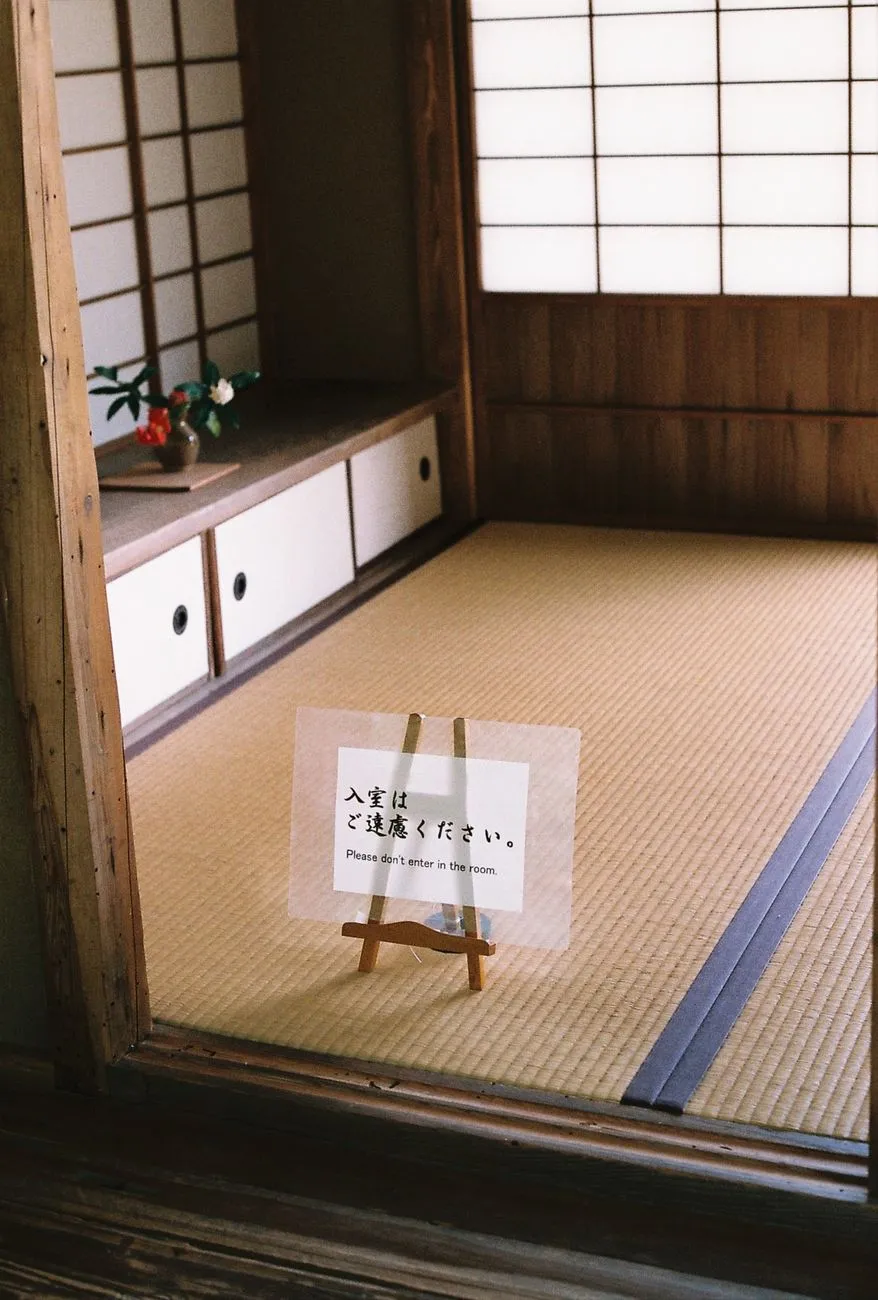
One of the most important rules: remove shoes when entering homes, ryokans, certain temples, tatami rooms, and sometimes restaurants. Look for a step up or a change in floor height (genkan) — the signal to take off your shoes. Wear clean socks without holes. Slippers are usually provided; watch out for separate toilet slippers — don’t forget to swap back.
Temple and Shrine Etiquette
At a Buddhist temple: bow slightly at the entrance, keep your voice down, and switch off your camera flash. At a Shinto shrine (jinja): rinse your hands and mouth at the purification fountain (chozuya) before entering; at the altar — toss a coin, bow twice, clap twice, pray, then bow once more. Do not stand in the centre of the torii gate — it is reserved for the gods. Photography outdoors is permitted; inside is usually forbidden.
Dining Etiquette
The key rule: do not stick chopsticks vertically into rice (it’s a funeral symbol) and do not pass food from chopstick to chopstick. Slurping ramen is not only acceptable — it’s appreciated. Never leave a tip — it’s not customary and can be offensive. Say itadakimasu before the meal and gochisosama deshita after. When pouring drinks, pour for others rather than for yourself. For more on Japanese food and restaurants, see the food cluster.
Public Transport
On trains and the subway, keep quiet: do not speak on the phone (switch to silent mode) and do not talk loudly. Queue in an orderly line according to the floor markings and let people exit before you board. Marked priority seats are reserved for the elderly and people with disabilities. Do not eat on local trains (eating on the shinkansen is fine). Backpacks — take them off your back during busy hours.
Onsen Etiquette
The onsen (hot spring) has clear rules. Enter completely naked (no swimwear), and use separate facilities for men and women. Before entering the pool, wash and lather thoroughly at the washing stations. The small towel does not go into the water — rest it on your head or to the side. People with tattoos — check in advance, as some onsen prohibit them. For more, see the info cluster.
Money, Payment, and Gestures
When paying, do not hand cash directly into someone’s hand — place it on the small tray near the register. Receiving a card or object is done with both hands as a sign of respect. There is no bargaining in Japan — prices are fixed. For tips on budgeting and payments in Japan, see the info cluster.
Taboo Gestures
A few things to avoid: do not point at people with a finger (use an open hand instead), do not blow your nose in public, and do not litter — there are almost no rubbish bins, so carry your rubbish with you. Do not eat while walking. Pushing and raising your voice are considered rude. Silence and patience are highly valued.
Gifts and Giving Culture
Gift-giving is a central part of Japanese culture. When visiting someone’s home, it’s customary to bring a small gift (temiyage), beautifully wrapped. After a trip, it’s traditional to buy omiyage — carefully packaged food souvenirs — for friends and colleagues. If you receive a gift, thank the giver warmly but open it later rather than immediately. The aesthetics of the wrapping matter as much as the gift itself.
Essential Japanese Words
A few words will make a big impression: arigatou (thank you), sumimasen (excuse me — very useful), konnichiwa (hello), hai (yes), onegai shimasu (please). Even if you speak English, attempting a few words in Japanese is always warmly received. Download a translation app just in case.
Etiquette is an inseparable part of what makes Japan so special — a society where respect, consideration, and cleanliness are fundamental values. You don’t need to be perfect; just being attentive and respectful is enough. Remove your shoes, speak quietly, queue patiently, and never leave a tip. From here, read the eSIM and internet guide, check when to visit, or return to the Japan travel guide.
Frequently asked questions
Do I need to know Japanese to get around?
No. A few polite words and a translation app help a great deal, but English is sufficient in most tourist areas.
What if I make an etiquette mistake?
That's perfectly fine — Japanese people are very forgiving towards tourists. A smile and an apology solve almost everything.
Is it really rude to tip in Japan?
Yes — tipping is not customary in Japan and can cause confusion. Good service is always included in the price.
Can I photograph people in Japan?
Always ask permission, especially for geisha and children. Inside temples check the signs — photography indoors is usually prohibited.
Related guides
Japan: The Complete Guide for First-Time Visitors
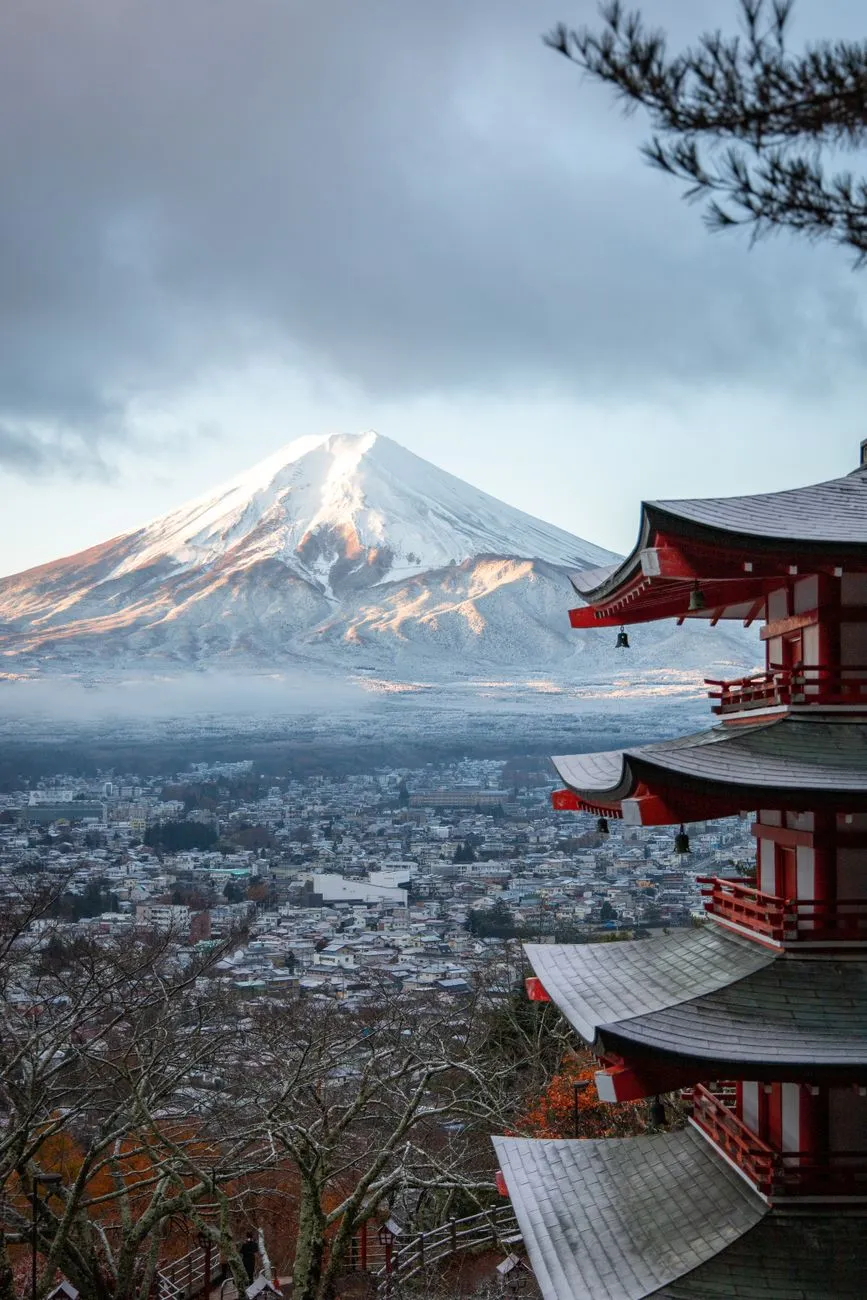
Everything you need to know before flying to Japan: visa, transport, money, food, accommodation, and itineraries — the opening guide to our Japan series.
eSIM and Internet in Japan — Complete Guide for Visitors 2026
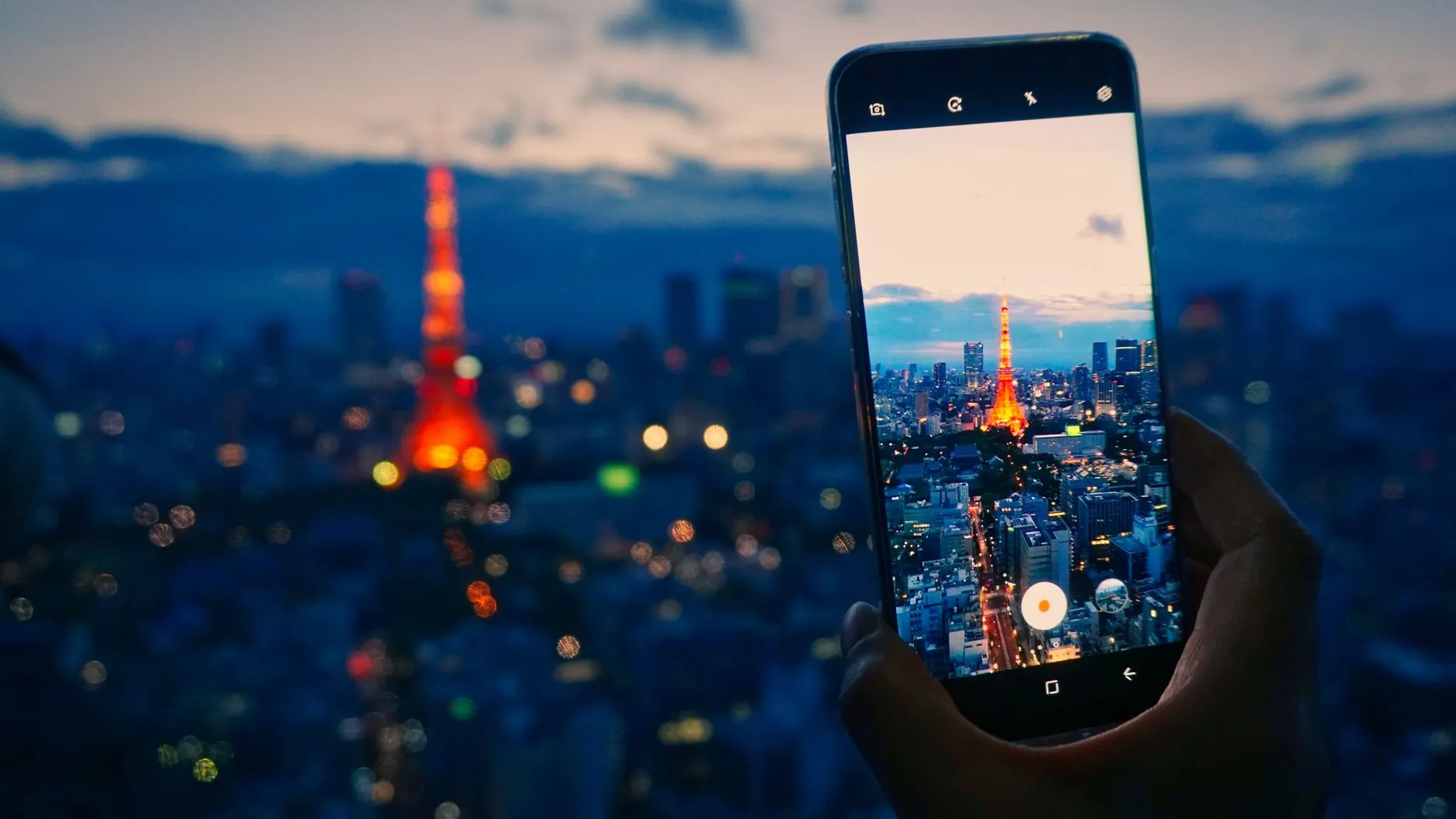
Internet guide for Japan: eSIM, physical SIM, pocket wifi, and public Wi-Fi. How much data you need, top providers, how to install an eSIM, and connection tips.
When to Visit Japan — Month-by-Month Season Guide
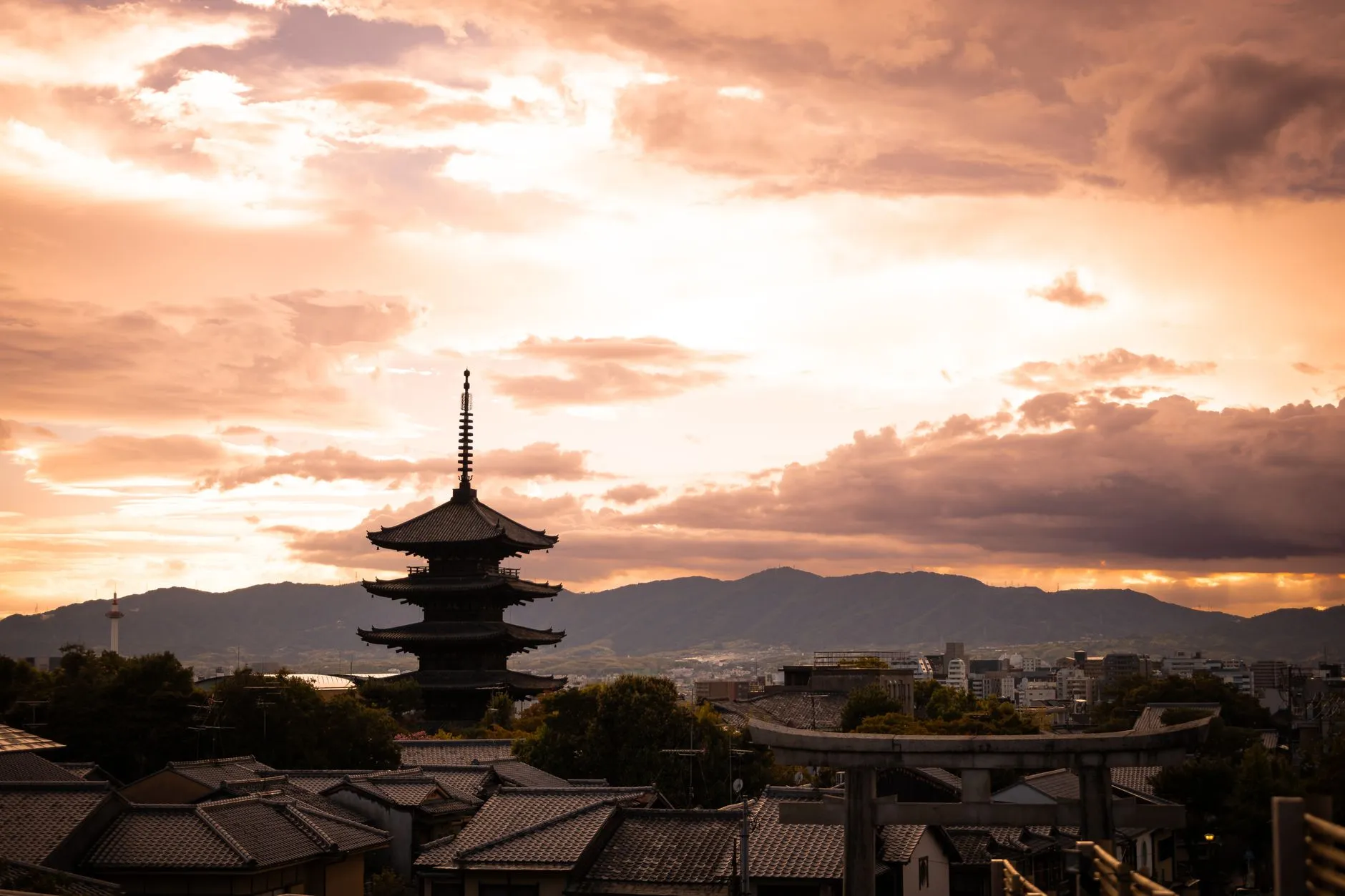
When to fly to Japan? Complete guide to all seasons: spring, summer, autumn and winter, month-by-month weather, cheap vs. busy seasons, and holidays to avoid.