Itineraries
7-Day Japan Itinerary — Day-by-Day Plan
This guide contains affiliate links. If you book through them we earn a small commission, at no extra cost to you. Affiliate Disclosure
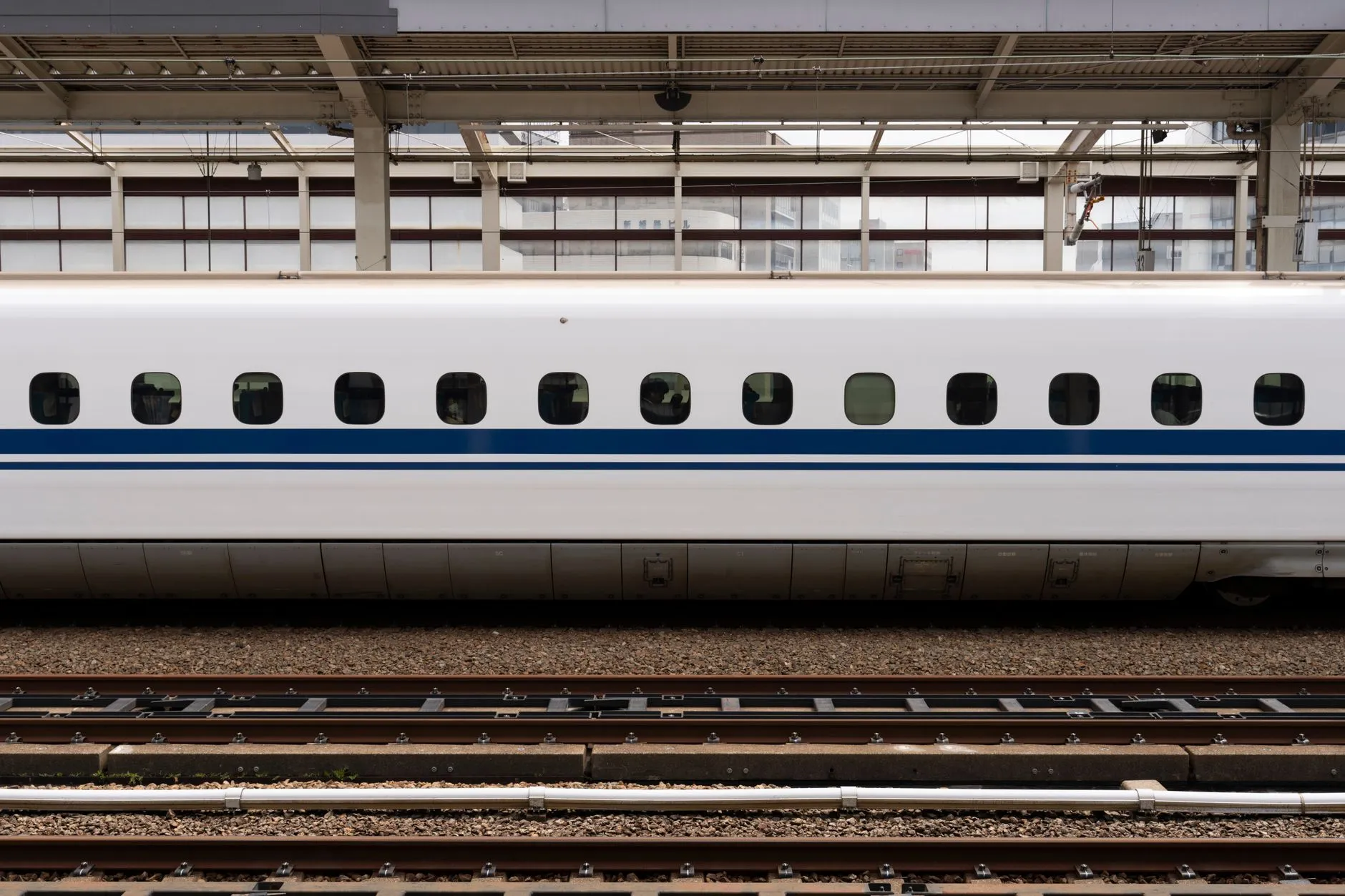
A week in Japan is the perfect length for a first visit: enough time to experience the classic Golden Route — Tokyo, Kyoto, and Osaka — without feeling rushed. You’ll combine the world’s most modern city with ancient temples, quiet gardens, and outstanding street food. The shinkansen links everything quickly, and for most travellers the 7-day JR Pass almost exactly breaks even on this route.
Want more time? See the 10-day itinerary or the 14-day itinerary.
Day 1 — Arrival in Tokyo
You’ve arrived at Narita or Haneda airport. Buy a Suica card and get to your hotel. If you have energy left, take a first stroll through Shinjuku or Shibuya — the world-famous scramble crossing, neon lights, and food. First dinner: ramen or a local izakaya. Go to bed early to beat the jet lag.
Hotels in Tokyo near a main stationDay 2 — The Heart of Tokyo
Morning at Senso-ji temple in Asakusa and a short cruise on the Sumida River. Afternoon in the Imperial Palace gardens or a museum. Evening at Tokyo Skytree for the views, or in the Akihabara district for gaming and anime fans. For full details see the Tokyo guide.
Tokyo tours — book in advanceDay 3 — Day Trip from Tokyo
Choose a day trip today: Mount Fuji and Hakone for mountain views and onsen, Nikko for golden temples in the forest, or Kamakura for the giant Buddha and the sea. If you prefer to stay in the city — teamLab, the outer Tsukiji market, and Yoyogi Park. Return to Tokyo for dinner.
Day 4 — Move to Kyoto
Morning: shinkansen from Tokyo to Kyoto (about 2.5 hours — Mount Fuji is visible on the right). After check-in, start with eastern Kyoto: Kiyomizudera temple, the cobbled Higashiyama lanes, and the Gion geisha district in the evening. Dinner: kaiseki or street food at Nishiki Market. See the Kyoto guide.
Hotels in Kyoto near the stationDay 5 — Western Kyoto
Early morning at the red torii gates of Fushimi Inari (before the crowds). Then the Arashiyama bamboo grove and the golden Kinkakuji pavilion. In the evening, a traditional tea ceremony or a kimono walk. Kyoto rewards a slower pace — don’t try to squeeze everything in.
Tours and experiences in KyotoDay 6 — Nara and Osaka
Morning day trip to Nara (30 minutes from Kyoto): the friendly deer in the park and the giant Buddha at Todaiji. In the afternoon, continue to Osaka and soak up the energy of Dotonbori — neon signs, takoyaki, and okonomiyaki. See the Osaka guide.
Hotels in OsakaDay 7 — Osaka and Departure
Final morning: Osaka Castle and its surrounding gardens, or shopping in Umeda. If your flight is late, stop at Kuromon Market for a farewell meal. From there, a direct train to Kansai Airport. You’ve completed a perfect week!
Logistics: Pass, Accommodation, and Budget
For this itinerary, a 7-day JR Pass almost breaks even (Tokyo–Kyoto–Osaka trips). Accommodation: 3–4 nights in Tokyo and 3 nights in Kyoto or Osaka.
Getting Between Cities
The backbone of this itinerary is the shinkansen: Tokyo to Kyoto in about 2.5 hours, and Kyoto to Osaka in just 15 minutes. Inside cities, use Suica or Pasmo for the metro and buses. In Kyoto, buses are convenient for temples; in Tokyo and Osaka, the metro reaches everywhere. Download a navigation app like Google Maps that shows exact train times. Avoid travelling during rush hour with large suitcases.
Variations and Tips
Nature lovers can swap a city day for an extra day in Hakone or Kawaguchiko. Families with children: add a day at Disneyland or Universal Studios Osaka. Want a slower pace? Expand to the 10-day itinerary. Book activity tickets in Osaka in advance during peak season.
Common Mistakes to Avoid
Don’t cram in too many cities — a week fits two or three, not more. Don’t skip reserving shinkansen seats during peak season. Japan still loves cash — keep yen on hand. Don’t over-plan the first day because of jet lag. Check the holiday calendar: Golden Week (late April) and Obon (mid-August) mean everything is full and expensive.
Best Time to Visit
Spring (late March to April) brings cherry blossom, and autumn (October–November) brings autumn foliage — the two most beautiful and busiest seasons. Summer is hot and humid but full of festivals, while winter is cool, clear, and less crowded, with lower prices.
Continue from here: read the main Japan guide for an overview of all regions, browse the itineraries index for more options, or move on to the 10-day itinerary which adds Hakone and Hiroshima.
Frequently asked questions
Is one week enough for Japan?
Absolutely for a first visit — you'll see the best of Tokyo and the Kansai region. For those wanting Fuji, Hiroshima, or rural areas, 10–14 days is better.
Is the JR Pass worth it for this itinerary?
Usually yes — the three intercity trips (Tokyo–Kyoto–Osaka) cover almost the full cost of the 7-day pass.
Which city is best to sleep in?
Tokyo in the first part, and Kyoto or Osaka in the second. Both are well connected to everywhere else.
When is the best time to visit?
Spring (cherry blossom, March–April) and autumn (foliage, October–November) are peak seasons, but winter is pleasant and less crowded.
Related guides
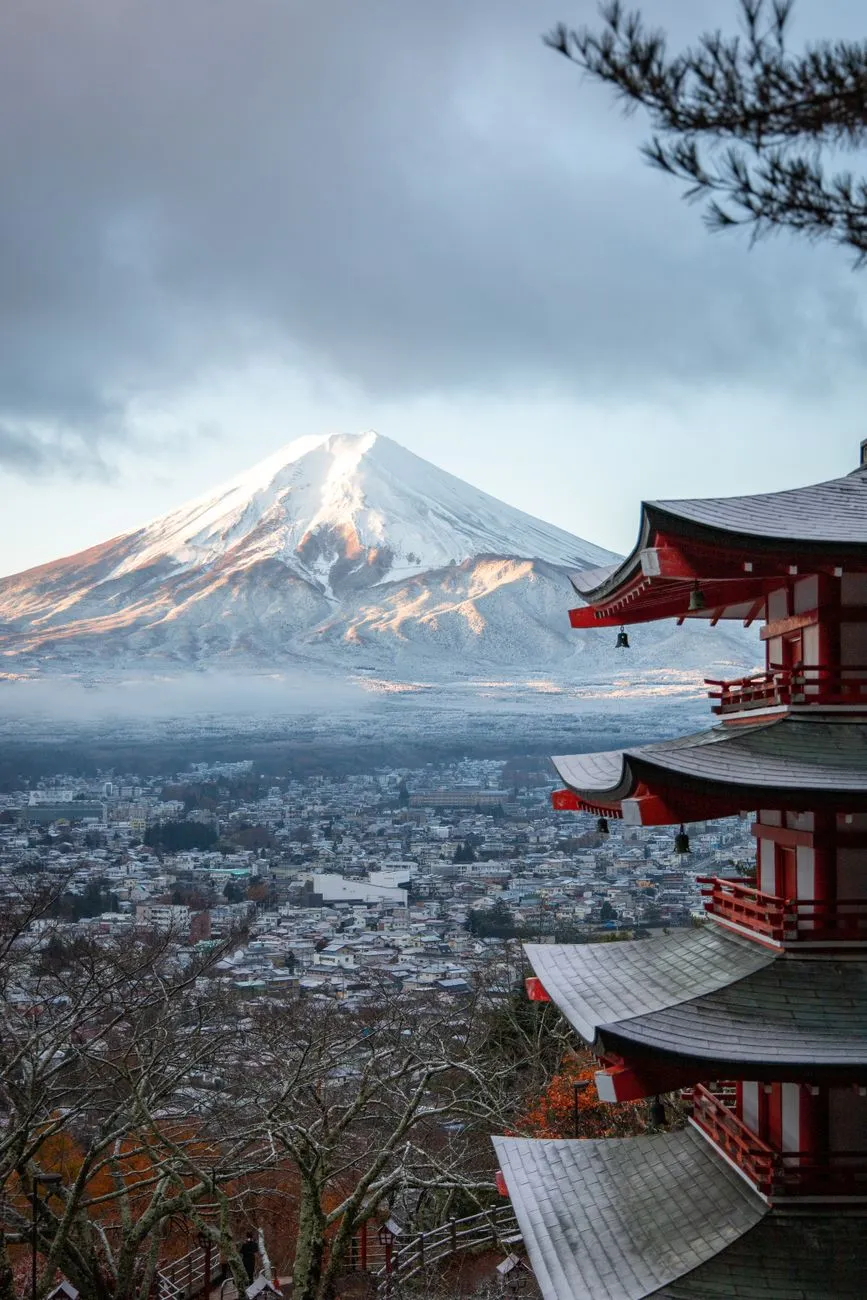
Japan: The Complete Guide for First-Time Visitors
Everything you need to know before flying to Japan: visa, transport, money, food, accommodation, and itineraries — the opening guide to our Japan series.
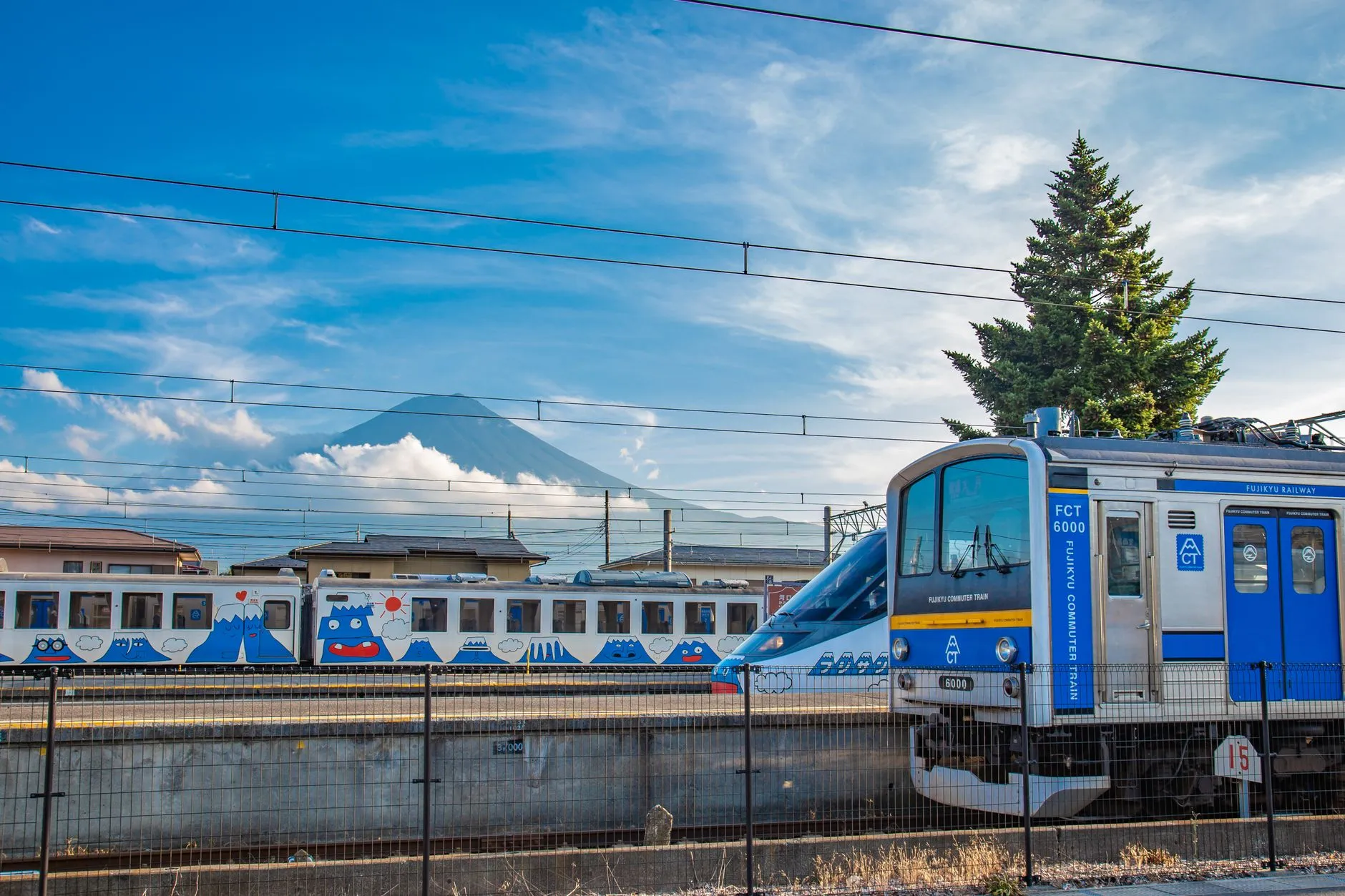
10-Day Japan Itinerary — Day-by-Day Plan
A detailed 10-day Japan itinerary: Tokyo, Fuji-Hakone, Kyoto, Osaka, and Hiroshima day by day, including a ryokan night, JR Pass, and budget.
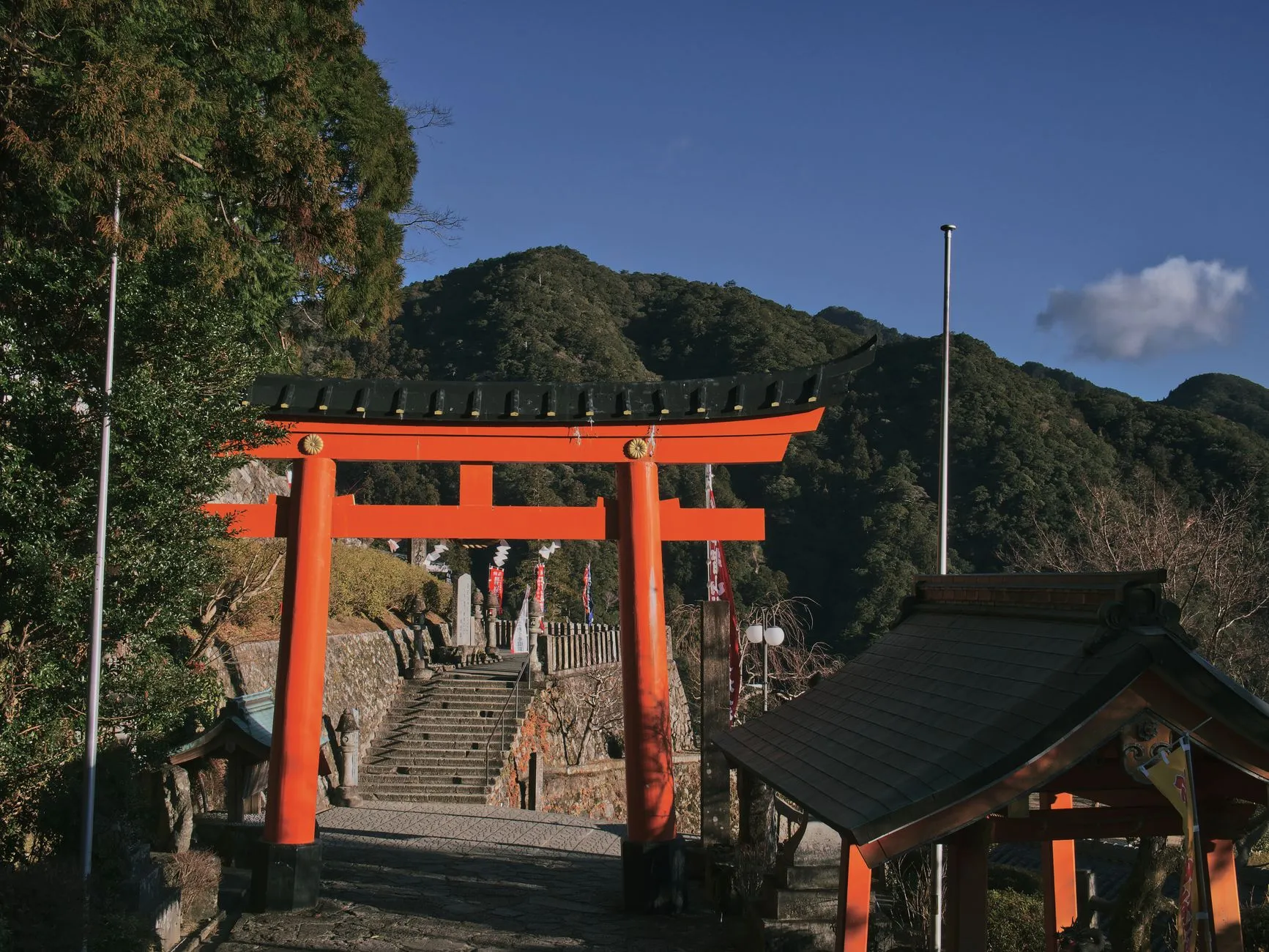
14-Day Japan Itinerary — A Complete Two-Week Plan
A full 14-day Japan itinerary: Tokyo, Hakone-Fuji, Takayama, the Alps, Kanazawa, Kyoto, Osaka, and Hiroshima — day by day.