Travel info
Japan Cherry Blossom (Sakura) Guide — When, Where and How to Plan
This guide contains affiliate links. If you book through them we earn a small commission, at no extra cost to you. Affiliate Disclosure
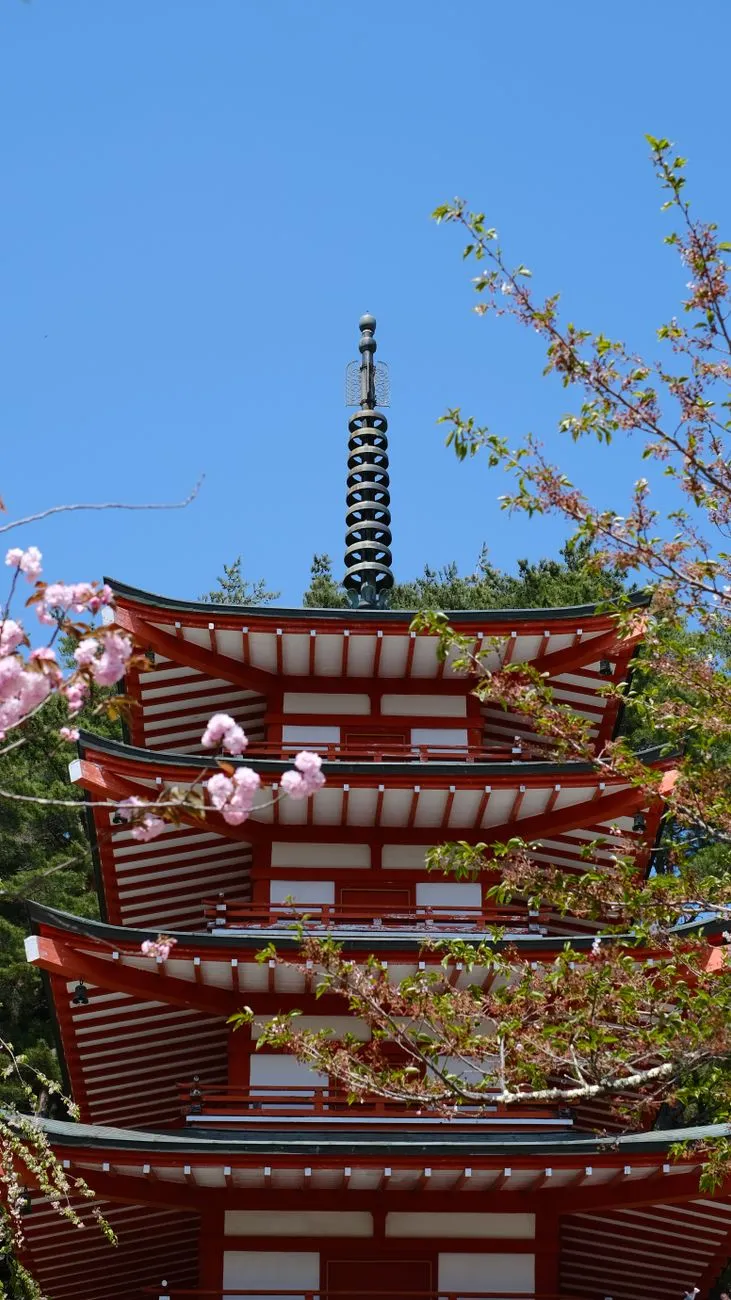
There is no more iconic Japanese experience than cherry blossom season — two magical weeks when the country’s sakura trees paint the landscape in soft pink. It is the most important cultural event on the Japanese calendar, and also the busiest and most expensive tourist season of the year. The bloom is short and unpredictable: just one to ten days in any given location, entirely at the mercy of the weather.
For planning purposes, combine this with the seasons guide and the 7-day itinerary.
What Is Sakura and Why All of Japan Stops
Sakura are cherry tree flowers, and the practice of viewing them is called hanami (literally: “flower viewing”). It is a centuries-old tradition in which families, friends, and coworkers sit on blankets beneath the blooming trees, eating and drinking. The blossoms symbolise the fleeting beauty of life in the Buddhist worldview — beautiful precisely because they are brief. During this season every park, riverbank, and temple path fills with pink.
When the Sakura Blooms
The bloom travels from south to north over almost two months. In Okinawa it begins as early as January–February. In most central cities — Tokyo and Kyoto — it peaks from late March through early April (usually around 28 March–5 April). Osaka is similar to Tokyo. Further north, in Sendai and Hokkaido, the bloom arrives in mid-to-late April and even early May. Dates shift each year depending on the preceding winter — a warm winter brings earlier blooms.
Tracking the Forecast — How Not to Miss It
Japan’s Meteorological Agency and private sites publish a sakura forecast that updates from early March, giving first-opening and peak-bloom dates for each region. Follow it in the weeks before your flight. If you are flexible you can even chase the bloom northward. Peak bloom lasts only 4–7 days, so arriving slightly before the forecast beats arriving after it.
Best Spots in Tokyo
Tokyo offers some of the most stunning locations: Ueno Park with thousands of trees and hanami-packed paths, Shinjuku Gyoen — spacious and quiet (paid entry, fewer crowds), the Meguro River with trees lining both banks and evening illumination, and Chidorigafuchi moat near the Imperial Palace, where you can rent a rowing boat beneath the blossoms — hanami tours in Tokyo.
Best Spots in Kyoto and Beyond
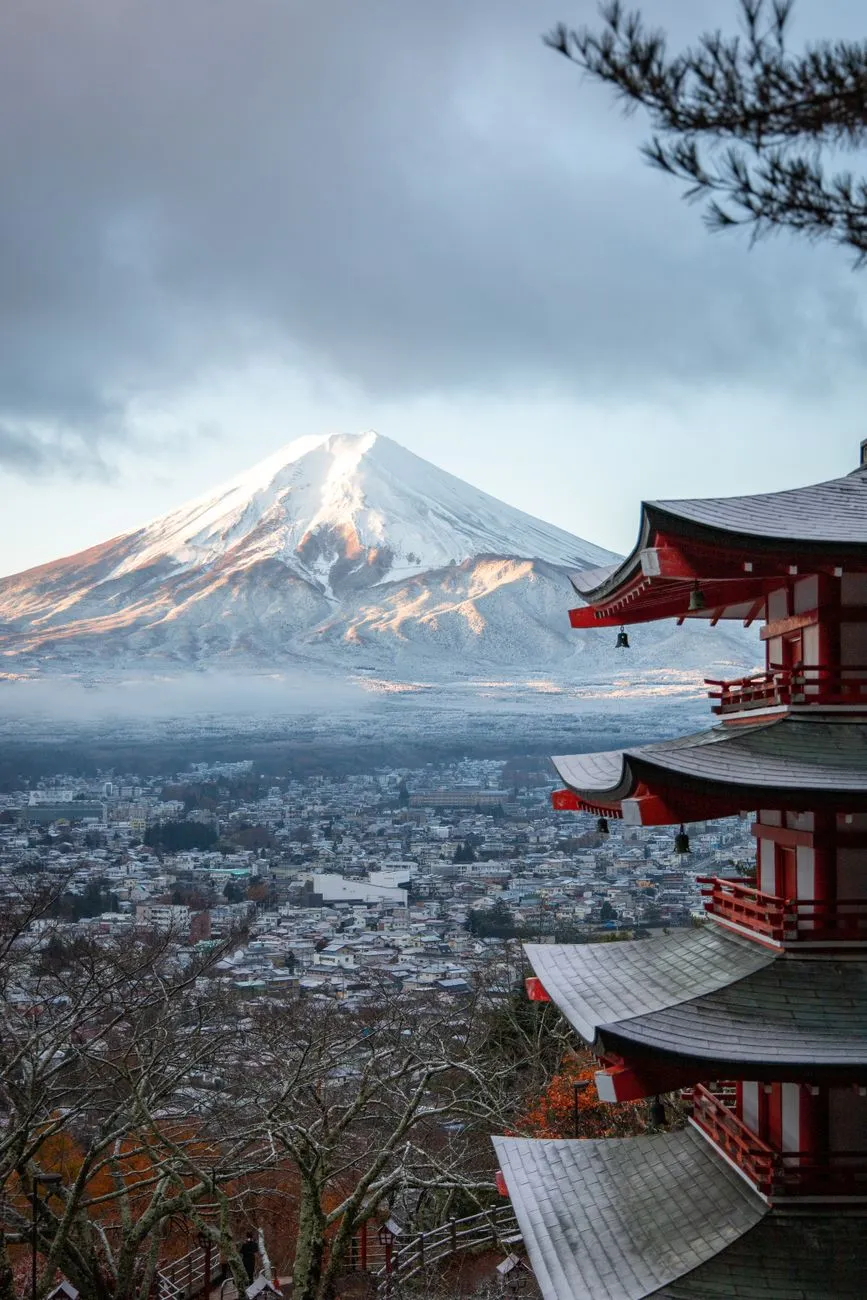
Kyoto is enchanting in season: the Philosopher’s Path along a blossom-lined canal, Maruyama Park with its giant lit-up weeping cherry, and Arashiyama. Beyond the big cities, Kawaguchiko offers the ultimate combination: pink cherry blossoms with snow-capped Mount Fuji in the background — day trips to Fuji and Kawaguchiko. Himeji Castle glows white surrounded by pink, and Mount Yoshino is covered with 30,000 trees blooming in layers up the hillside.
Hanami — How to Do It Right
Hanami is a picnic. Buy a mat or blanket, pick up food from a convenience store or seasonal stalls, grab drinks, and claim a spot under the trees. At popular parks, people arrive early morning to get a good position. In the evening, yozakura (night-time illuminated viewing) creates a uniquely magical mood. Keep the area clean and take your rubbish with you — it is part of the etiquette.
Seasonal Food and Drinks
Sakura takes over the menu too: sakura mochi (pink rice cake wrapped in a pickled cherry leaf), sakura-flavoured drinks at coffee chains and shops, pink ice cream, and limited-edition sweets. Festival stalls (yatai) sell yakitori, takoyaki, and candied apples. This is your chance to try flavours that exist only for a few weeks each year.
How Much Does Sakura Season Cost?
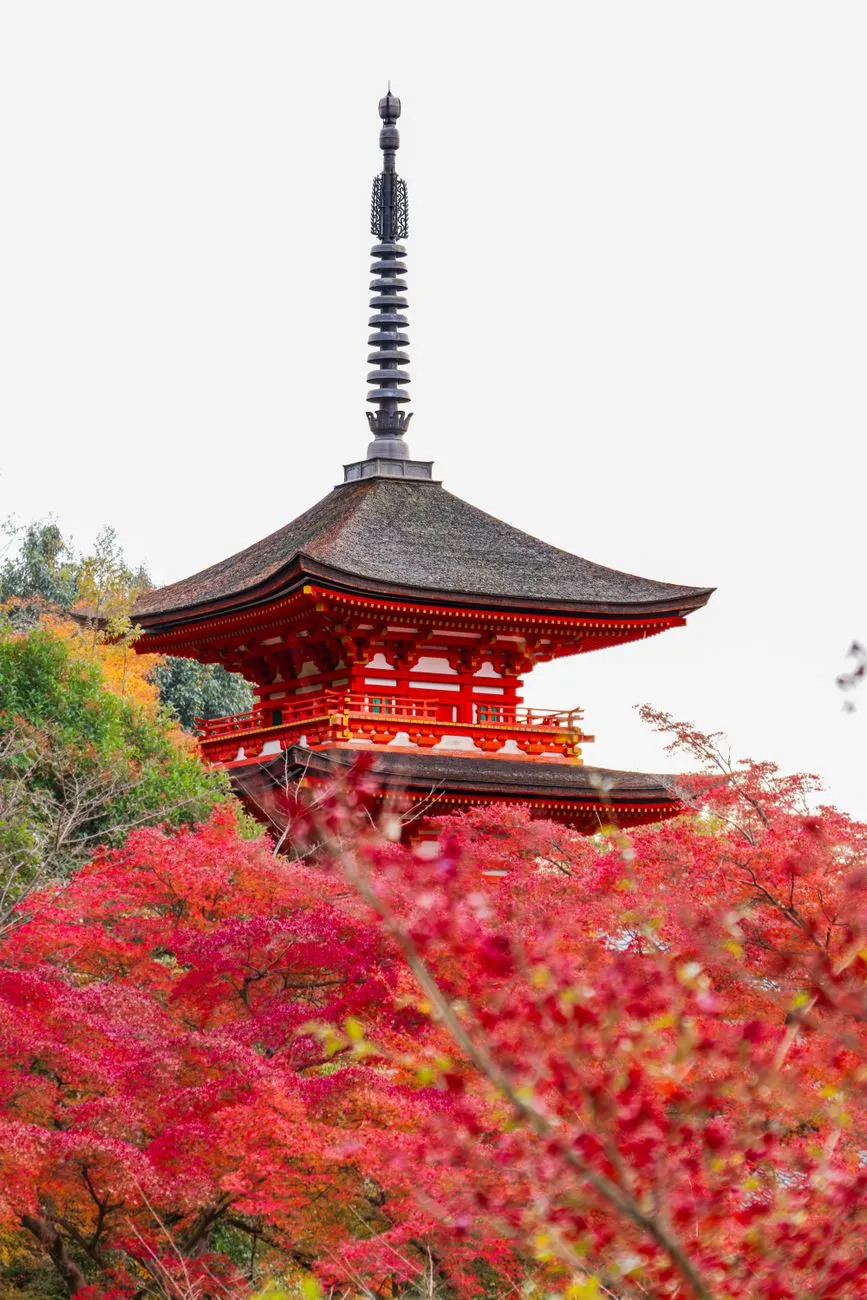
This is the most expensive season: flight and hotel prices spike, especially around Golden Week (late April). Expect to pay 30–50% more for accommodation than usual — book hotels for cherry blossom season well ahead. Despite the cost, most visitors agree it is worth every yen. If your budget is tight, consider the autumn koyo season instead — equally beautiful and 30–40% cheaper. See the autumn leaves guide.
Cherry Tree Varieties
Japan has more than 200 cherry tree varieties. The most common is Somei-yoshino — soft pink-white, blooming before the leaves appear — responsible for most of the famous scenery. Shidare-zakura is a weeping cherry with hanging branches, spectacular at temples. Yaezakura blooms later with double, densely packed flowers in a deeper pink. Knowing the varieties helps explain why different regions bloom at different times.
Continue from here: read the autumn koyo guide and the seasons guide, plan with the 7-day itinerary and the JR Pass guide, or return to the Japan travel guide.
Frequently asked questions
How long does cherry blossom season last in Japan?
About 7–10 days from first opening, but peak beauty lasts only 4–7 days. Rainy or windy weather can cut it short.
What if I miss the peak bloom?
You can chase it north — if you miss Tokyo, Sendai or Hokkaido will still be blooming later.
Do I need to book in advance for sakura season?
Absolutely — flights and hotels are booked up months in advance. It is the most expensive season of the year.
Are the cherry blossom parks free to enter?
Most parks are free; some gardens like Shinjuku Gyoen charge a small entry fee.
Related guides
Japan: The Complete Guide for First-Time Visitors
Everything you need to know before flying to Japan: visa, transport, money, food, accommodation, and itineraries — the opening guide to our Japan series.
Autumn Koyo in Japan 2026 — When, Where and Tips
Complete guide to Japan's autumn leaf season (koyo): 2026 calendar, the most beautiful spots in Kyoto, Tokyo and the Alps, evening illuminations, seasonal food and practical tips.
When to Visit Japan — Month-by-Month Season Guide
When to fly to Japan? Complete guide to all seasons: spring, summer, autumn and winter, month-by-month weather, cheap vs. busy seasons, and holidays to avoid.