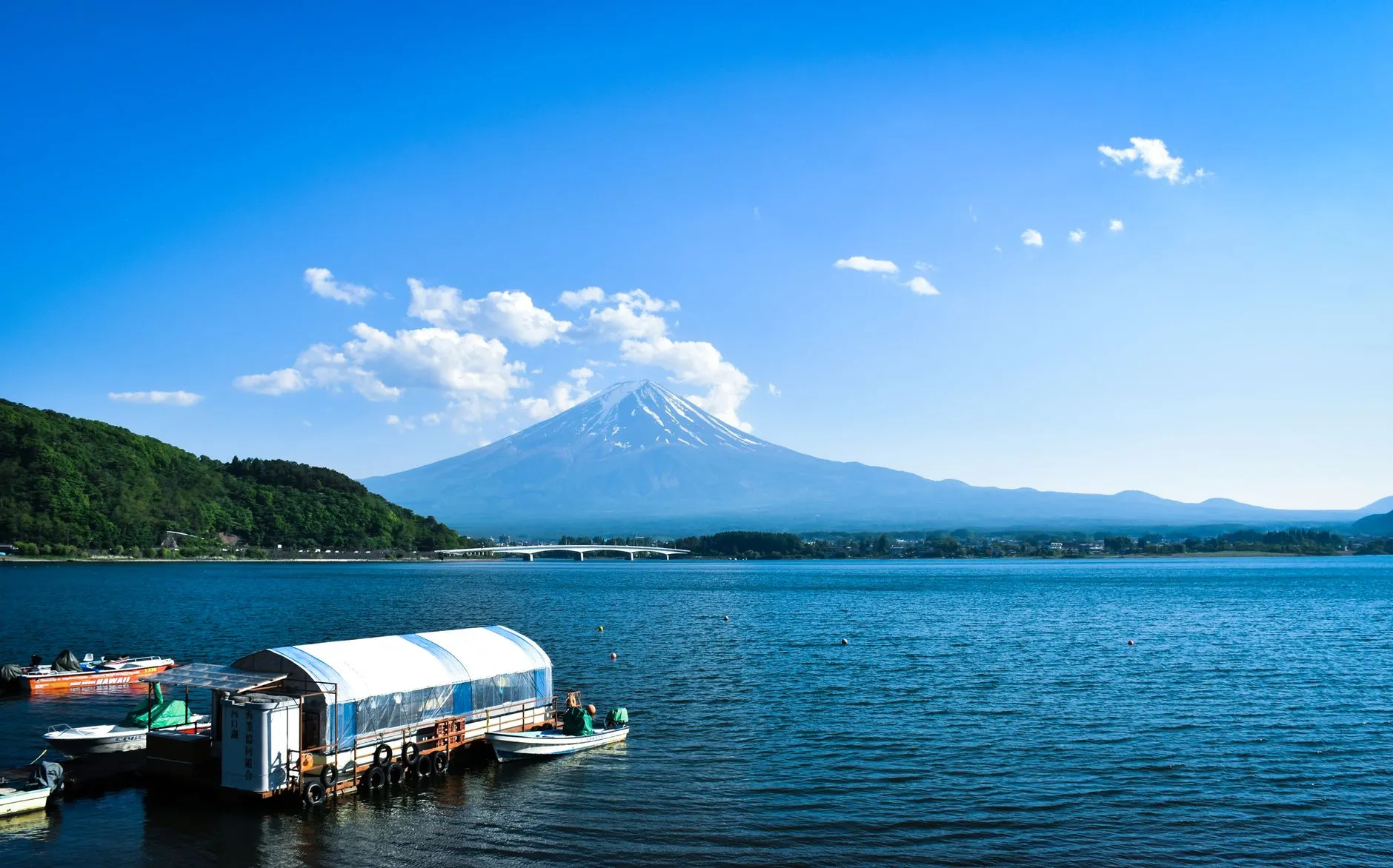
Attractions and nature
Mount Fuji from Tokyo in One Day — How to Get There and What You Actually See
This guide contains affiliate links. If you book through them we earn a small commission, at no extra cost to you. Affiliate Disclosure
Mount Fuji (3,776 m) sits about two hours from Tokyo, which is why nearly every visitor considers seeing it in a single day. It is entirely doable — provided you understand one thing first: you are not travelling to the mountain, you are travelling to a place from which you can see it.
This guide covers exactly where to go, how long it takes, what it costs, and when your chances of actually seeing the peak are good. For the lake district itself, see the Kawaguchiko guide.
Where you actually see Fuji from
The mountain itself is a volcano with nothing to do on it outside the climbing season. What you are looking for is a viewpoint, and there are three classics:
The Five Lakes area (Kawaguchiko) — the view from every photograph, with the mountain reflected in the water. Hakone — a mountain hot-spring region with a ropeway and a cruise on Lake Ashi, and Fuji on the horizon. Chureito Pagoda — the red pagoda with the mountain behind it, the most photographed scene in Japan.
Option 1 — Direct bus to Kawaguchiko
The simplest and cheapest route. Buses leave from Busta Shinjuku (above Shinjuku station) straight to Kawaguchiko station: 1 hour 45 minutes to 2 hours, around ¥2,200 (≈ $15) each way.
Reserve a seat in advance. These buses sell out on weekends and through the autumn leaf season, and there is nothing to be done at the terminal if you have not booked. From Kawaguchiko station a tourist loop bus runs to every viewpoint around the lake.
Option 2 — Train to Hakone
If you would rather take a train, head for Hakone: the Odakyu Romancecar from Shinjuku to Hakone-Yumoto takes about 90 minutes. From there the famous loop begins — mountain railway, a ropeway over the volcanic Owakudani valley, and a boat across Lake Ashi.
Hakone’s advantage: there is something to do even on a cloudy day. Hot springs, an open-air museum and mountain scenery do not depend on Fuji showing up.
tickets and tours in HakoneOption 3 — An organised tour
A tour from Tokyo collects you in the morning, stops at three or four viewpoints and returns in the evening. It is the most efficient answer for anyone with exactly one day, because it removes the planning and the transfers between local bus routes.
The trade-off: you are tied to a schedule and cannot stay for sunset. In peak season it is still usually the right call.
Mount Fuji day trips from TokyoWhen Fuji is actually visible
This is the question that decides whether the trip succeeds, and the answer is strongly seasonal. Winter is the best season: dry, clear air and a snow-capped peak — December to February give the highest odds.
Summer is the worst. July and August are humid and hazy, and the mountain is hidden most days — an irony, since that is precisely the climbing season. Spring and autumn sit in between, with mornings after rain being the best bet.
Check the forecast the night before. If the sky is completely covered, consider moving the trip to another day of your itinerary, or choosing Hakone, which stands on its own regardless.
Chureito Pagoda — the photograph everyone knows
The five-storey red pagoda that appears on almost every Japan poster stands in Arakurayama Sengen Park, above Shimoyoshida station — about ten minutes by train from Kawaguchiko. From the car park it is roughly 400 steps up to the viewing terrace, where the familiar composition opens up: the pagoda, a small town below it, and the mountain behind.
Arrive early. The terrace is narrow, and in cherry blossom and autumn leaf season the queue for the photograph can run half an hour. In winter the steps can be iced over — walking shoes, not smooth trainers.
A realistic timetable for one day
06:30 leave the hotel · 07:30 bus from Shinjuku · 09:15 arrive Kawaguchiko · 09:30–12:00 viewpoints around the lake · 12:30 lunch · 13:30 Chureito Pagoda (400 steps, worth it) · 16:00 bus back · 18:00 in Tokyo.
That is a full day and not a relaxed one. Travelling with children or at a slower pace, drop one stop in advance rather than rushing through all of them.
What it costs
Return bus: about ¥4,400 (≈ $29). Local loop bus for the day: about ¥1,500 (≈ $10). Meals and entries: ¥3,000–5,000. Total per person: roughly ¥9,000–11,000 (≈ $60–73) for an independent day.
An organised tour costs more — typically ¥12,000–20,000 — but includes everything and removes the planning.
When to skip the day trip entirely
If your dates are flexible, one night in Kawaguchiko is worth more. You get the mountain at sunset and at sunrise, the two best hours of the day, and you can sleep in a ryokan with an onsen facing it. It is also insurance: two mornings double your chances of good weather.
hotels and ryokan in KawaguchikoFrom here: read the Kawaguchiko guide for the area in detail, the Fuji and Hakone guide for wider planning, or return to the Tokyo guide for the city’s other day trips.
Frequently asked questions
How long does it take to reach Mount Fuji from Tokyo?
A direct bus from Shinjuku to Kawaguchiko takes about 1 hour 45 minutes to 2 hours. The train to Hakone takes about 90 minutes. Both work as a day trip.
Will I actually see the mountain on a day trip?
It depends entirely on the weather. On clear winter mornings the odds are very good; in summer the mountain is hidden behind haze most days. Always start early.
Kawaguchiko or Hakone?
Kawaguchiko for the mountain itself and the photographs. Hakone for a combined day of hot springs, a lake cruise and a ropeway — worthwhile even if Fuji stays hidden.
Can I climb Mount Fuji on a day trip?
No. The climbing season runs July to early September only, requires an advance reservation and a fee, and takes a day and a night. It is an entirely different trip.
Related guides
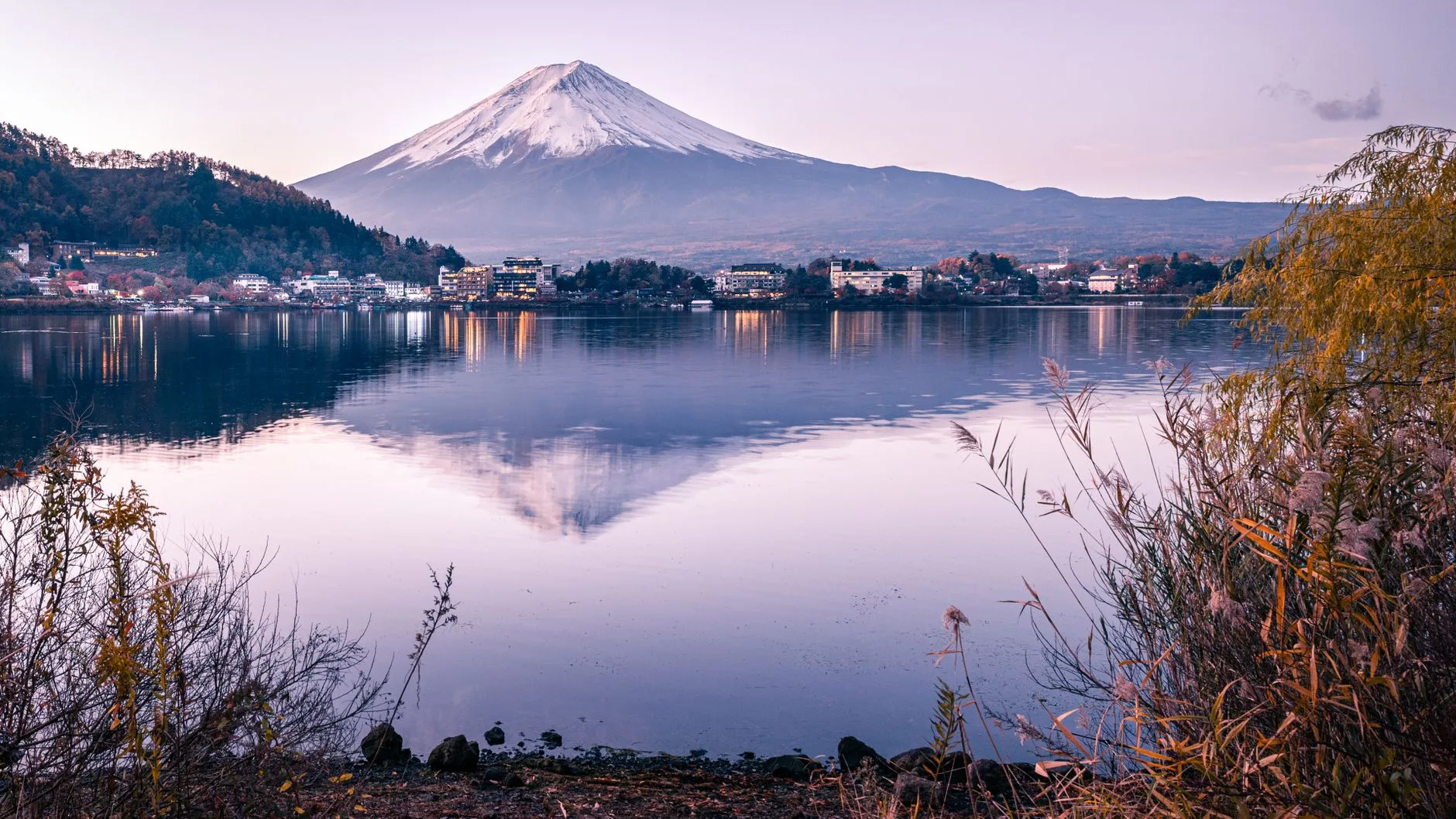
Kawaguchiko and the Fuji Lakes: Guide to the Mountain View
Guide to Kawaguchiko and the Fuji Lakes: viewpoints of Mount Fuji, Chureito Pagoda, Oshino Hakkai village, attractions, accommodation, and planning tips.
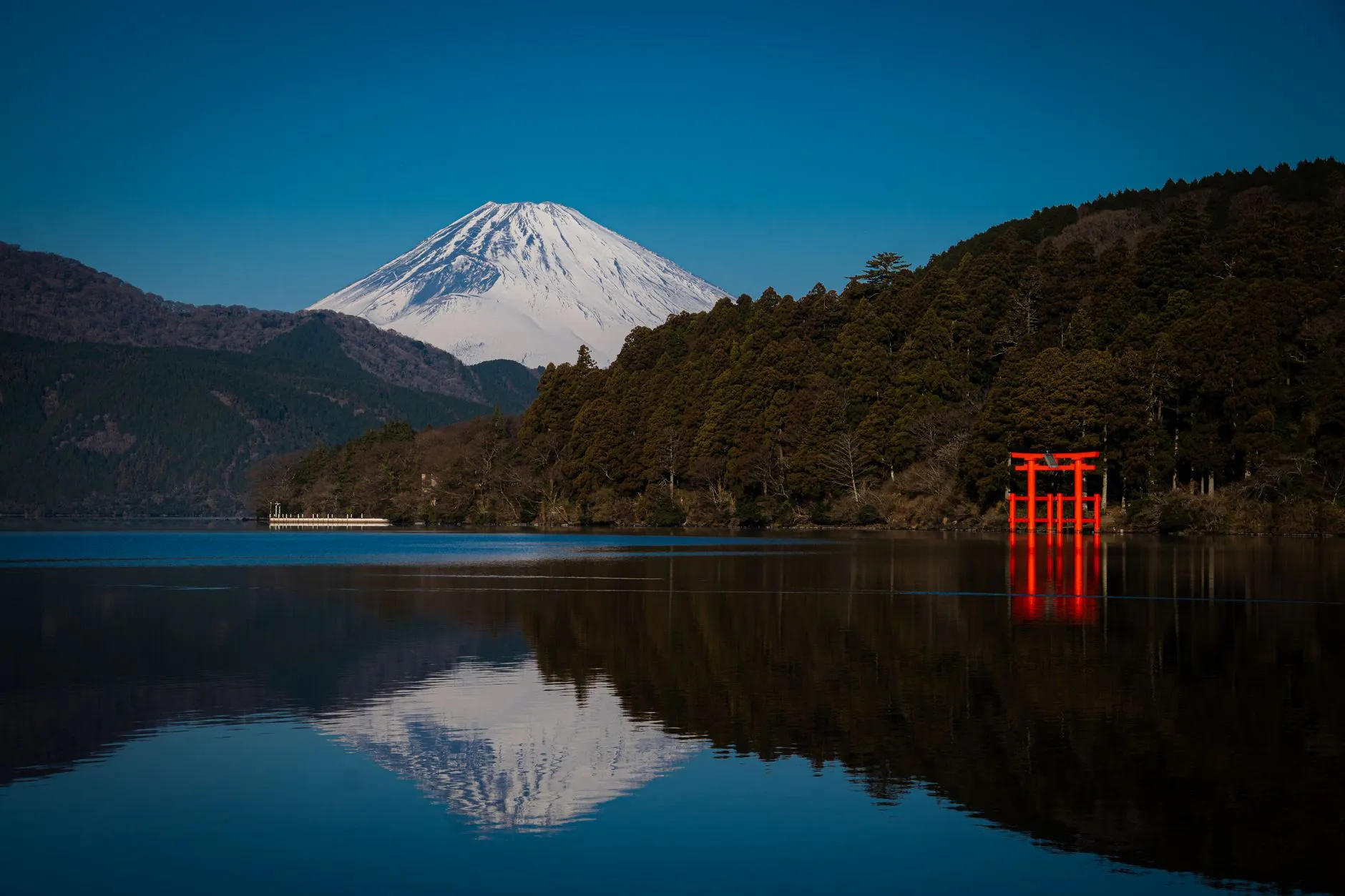
Mount Fuji and Hakone: A Complete Guide
Complete guide to Mount Fuji and Hakone: how to get there, the Hakone Loop, onsen, the Fuji Lakes, viewpoints, and planning tips. Day trip or overnight from Tokyo.
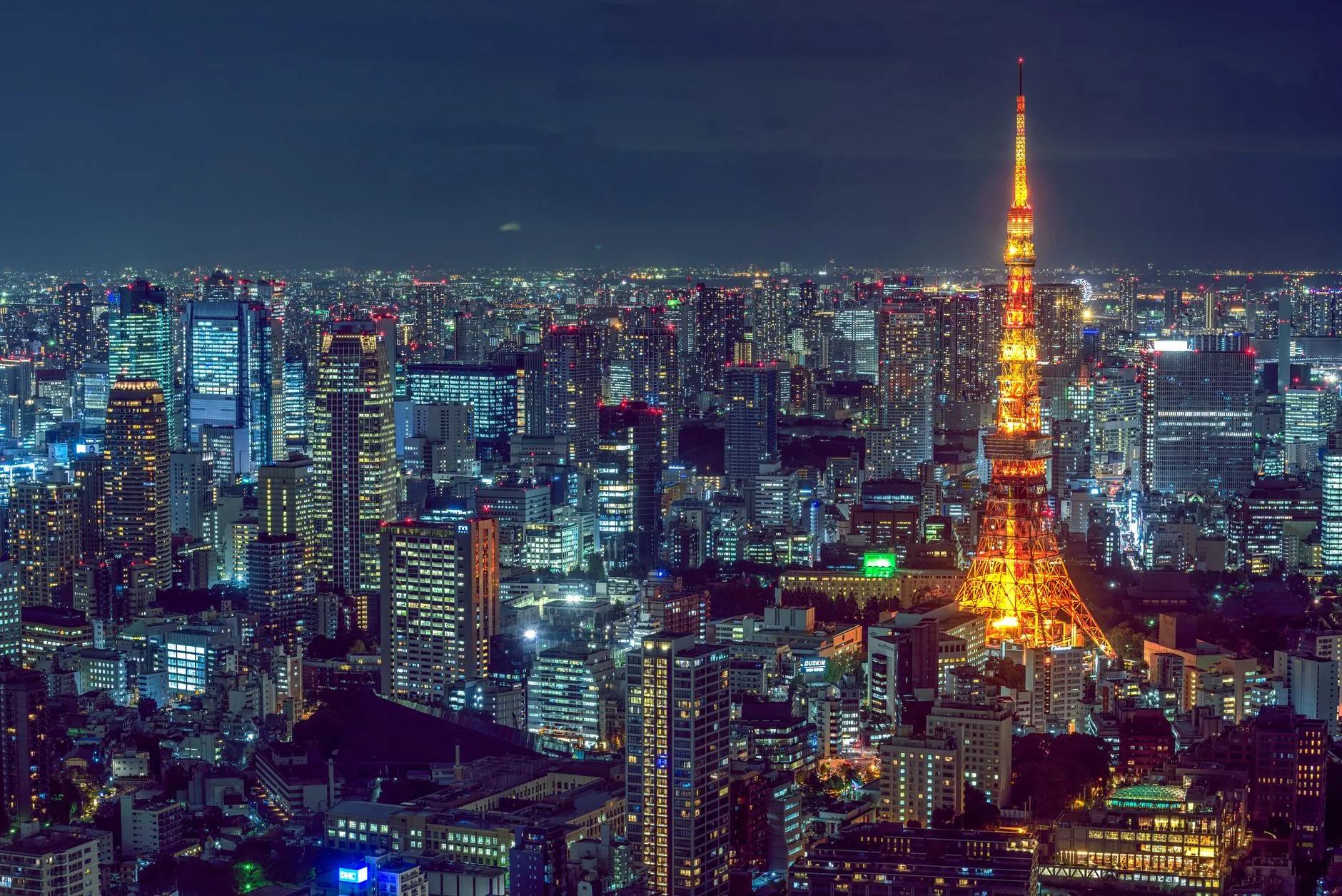
Tokyo: A Complete Guide to Neighbourhoods and Attractions
Everything you need for a trip to Tokyo: the key neighbourhoods, must-see attractions, where to sleep, Japanese food, day trips to Hakone and Kamakura, and a 3-day itinerary.