Itineraries
JR Pass 2026 — The Complete Guide: Is It Still Worth It?
This guide contains affiliate links. If you book through them we earn a small commission, at no extra cost to you. Affiliate Disclosure
The JR Pass (Japan Rail Pass) is Japan’s most famous travel pass — unlimited travel across most of the national rail network, including high-speed shinkansen trains, for 7, 14, or 21 consecutive days. For years it was the savvy traveller’s secret weapon, but after the dramatic price rise in October 2023 the picture changed completely. This guide explains exactly what the pass covers, how much it costs in 2026, and how to calculate whether it’s genuinely worth it for your trip — or whether a regional pass or Suica card is the smarter choice.
Bottom Line — Is It Worth It?
Planning the classic 7-day itinerary Tokyo–Kyoto–Hiroshima–Tokyo? That route alone comes to about ¥44,500, which puts the national pass right on the line — and tips it into worthwhile the moment you add the Narita Express and local JR rides. Staying mainly in one region, like Tokyo with day trips or just the Kansai area? A regional pass or pay-per-ride is almost always better. The maths is simple: add up the journeys you planned anyway and compare to the price of the pass.
What Is the JR Pass?
The JR Pass is a product that Japan Railways Group offers exclusively to foreign visitors on a tourist visa. It grants free access through the gates on all JR lines across Japan — from Tokyo to Kyushu — without buying a ticket for each journey. Instead, you tap the pass (now a magnetic card that passes through the automatic gate) and board. It is especially valuable for those planning to cross large distances, where savings accumulate quickly.
What the Pass Covers — and What It Doesn’t
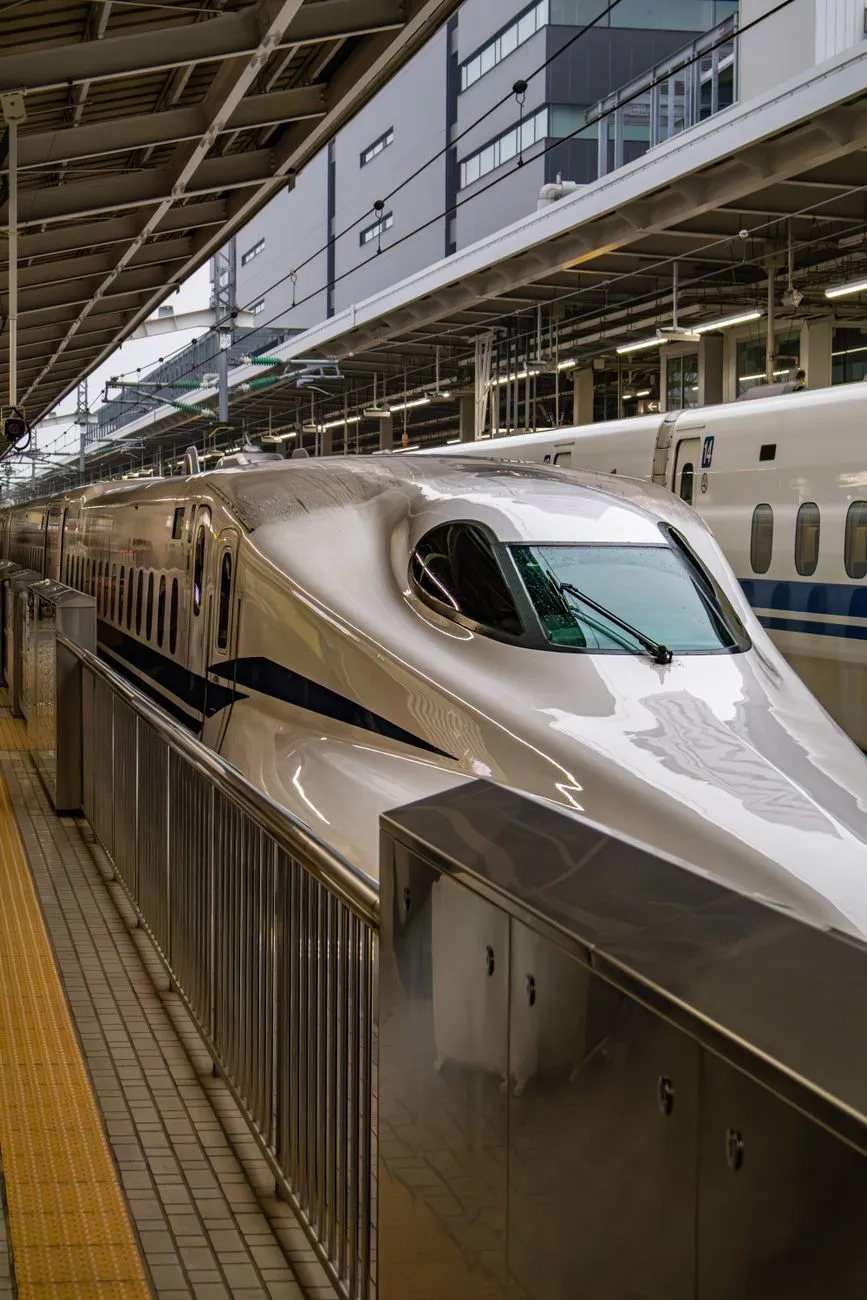
The pass covers most of the JR network: shinkansen lines, local and limited-express trains, the Narita Express from the airport to Tokyo, and even the JR ferry to Miyajima Island. What it does not cover: Tokyo and Osaka subways (these are not JR), private lines, and — crucially — the two fastest shinkansen services, Nozomi and Mizuho. With the pass you travel on Hikari or Kodama shinkansen, which are only 20–40 minutes slower on the Tokyo–Osaka route. Since 2023 you can pay a surcharge to ride Nozomi as well.
How Much Does It Cost in 2026?
After a dramatic price rise of around 70% in 2023, adult ordinary-class prices rose again on 1 October 2026: 7 days — ¥53,000 (≈ $353), up from ¥50,000; 14 days — ¥84,000 (≈ $560), up from ¥80,000; 21 days — ¥105,000 (≈ $700), up from ¥100,000. Green class (first class) moved to ¥74,000 / ¥116,000 / ¥147,000. Children aged 6–11 pay half price. For comparison, a single shinkansen trip from Tokyo to Kyoto costs about ¥14,000 (≈ $93) one way — meaning one return journey already recoups more than half the cost of the pass.
Is It Worth It? Let’s Calculate
Take a real one-week itinerary: Tokyo to Kyoto (¥14,000 ≈ $93), Kyoto to Hiroshima (¥11,500 ≈ $77), and Hiroshima back to Tokyo (¥19,000 ≈ $127) — a total of around ¥44,500 (≈ $297). Against ¥50,000 on the official site the gap is only ¥5,500, and a Narita Express return (about ¥6,000) closes it on its own — so the pass pays off. Against ¥53,000 from an agent you also need a few local rides to justify it. By contrast, a Tokyo-based itinerary with a day trip to Hakone and other nearby spots adds up to only about ¥15,000 (≈ $100) — and there the national pass is clearly a waste of money. Careful planning of a 7-day route is the best way to decide.
Regional Passes — The Smart Alternative
If you are not crossing all of Japan, a regional pass is almost always better value. JR East offers a pass for the Tohoku and Nagano regions at a reasonable price for northern excursions. JR West sells the Kansai-Hiroshima Area Pass, which covers Osaka–Kyoto–Hiroshima for a few thousand yen. JR Central offers passes for the Mt. Fuji and Nagoya area. A further advantage: regional passes allow travel on Nozomi and are far cheaper than the national pass. Always check whether your travel region is covered by a focused pass before buying the national one.
How to Buy the Pass
Until 2023 the pass had to be purchased outside Japan; today it can also be bought inside the country. Since October 2026 the channel you buy through changes the price: JR’s official reservation site still charges ¥50,000 for a week, while overseas agents and retailers have moved to ¥53,000. In exchange, an authorised retailer saves you dealing with a Japanese site and often offers support in your own language — the roughly $20 difference is what you pay for that convenience. Either way you receive an Exchange Order, which you convert to the actual pass at a JR counter at the airport or a major station by presenting your passport — book your pass in advance. Keep the voucher safe — without it you cannot activate the pass.
How to Activate and Use It
When converting, choose the start date — it does not have to be that same day. Choose wisely to cover the days with your longest journeys. After activation, simply pass the card through the automatic gate. Seat reservations are included free with the pass and are recommended in advance at the counter for popular trains, especially during cherry-blossom season and Golden Week. Without a reservation you can sit in the non-reserved carriages.
How Many Days Should You Buy?
The national pass only comes in 7, 14, and 21 days — there is no 10-day version. If your itinerary lasts 10 or 12 days, it is usually best to buy a 7-day pass and time it for the window when your long intercity journeys are concentrated, using Suica or a regional pass on the other days. A proven tactic: cluster your big leaps — Tokyo–Kyoto–Hiroshima — into one week, so a single pass covers the bulk of the cost. Plan the order of your cities around this from the start, not as an afterthought.
Final Tips
Download the Japan Travel by NAVITIME app, which filters routes covered by the JR Pass. Plan long journeys on your pass days and local days outside it. Remember that a Suica or Pasmo card is still needed for the subway and private lines. Looking for activities in Tokyo along the way? For hotels along your route it is worth searching early. Also read the shinkansen guide and the complete Tokyo guide.
Return to the Japan travel guide for a full overview, browse itineraries for more route options, or head to the shinkansen guide to understand the trains themselves.
Frequently asked questions
Can a tourist buy the JR Pass?
Yes — anyone entering Japan on a tourist visa is eligible to purchase it.
Does the pass cover the airport transfer?
Yes, the Narita Express from Narita Airport and the JR line from Kansai Airport. Coverage from Haneda Airport is partial only.
Can you pause the pass and restart later?
No — the pass is valid for consecutive days from the moment of activation, with no freeze option.
How much does the JR Pass cost in 2026?
From 1 October 2026 a 7-day ordinary-class pass costs ¥53,000 from overseas agents and authorised sellers, against ¥50,000 on JR's official reservation site — a saving JR has described as available for a limited time. The 14-day pass is ¥84,000 and the 21-day pass ¥105,000.
What is the difference between ordinary class and Green class?
Green is first class with wider, quieter seats, and costs about 40% more. Ordinary class is perfectly comfortable for most travellers.
Related guides

Japan: The Complete Guide for First-Time Visitors
Everything you need to know before flying to Japan: visa, transport, money, food, accommodation, and itineraries — the opening guide to our Japan series.
Shinkansen — Guide to Japan's Bullet Train 2026
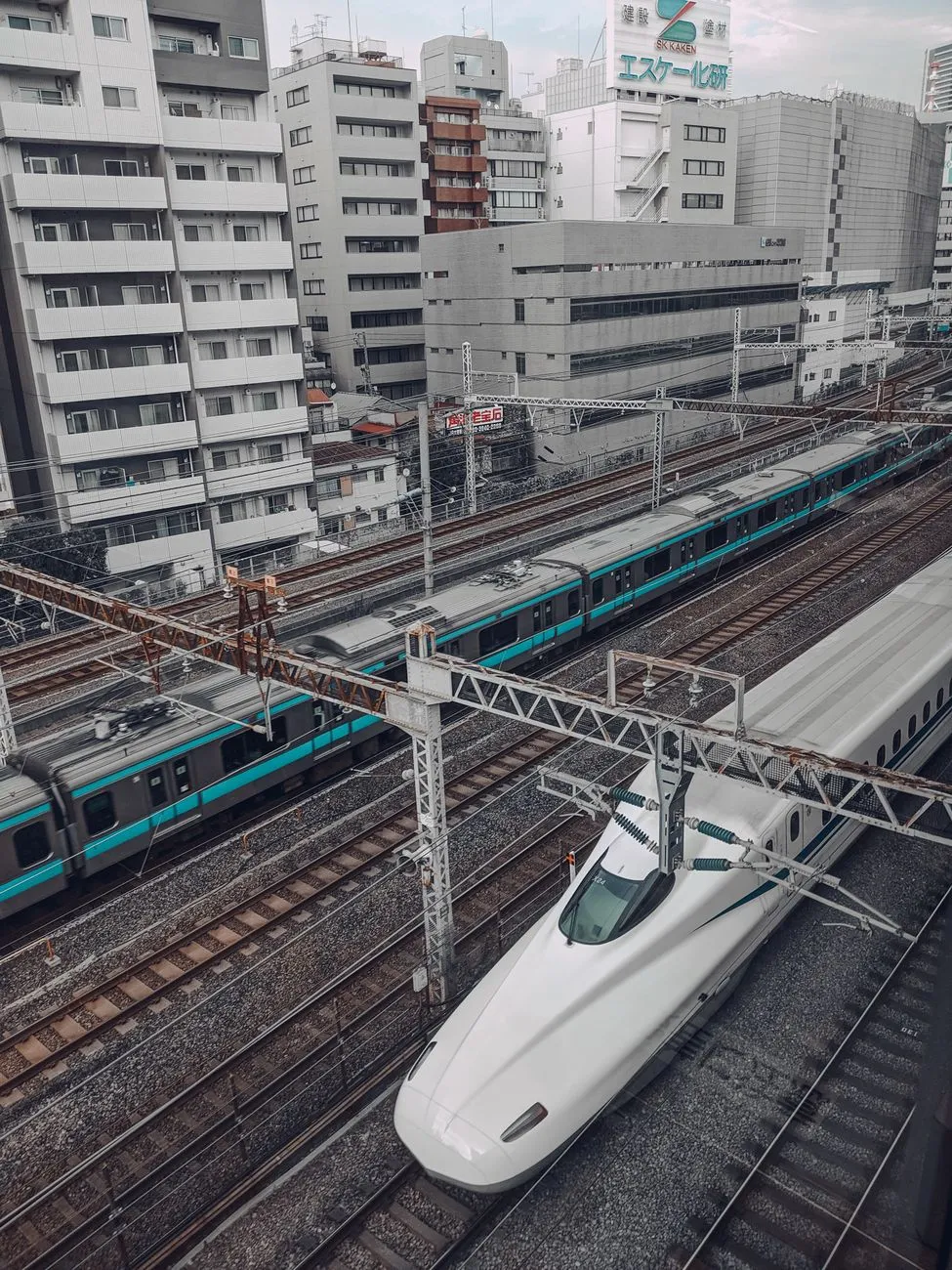
Complete shinkansen guide: lines, train types (Nozomi/Hikari/Kodama), how to buy tickets, seat reservations, prices, and the on-board experience. In English.
7-Day Japan Itinerary — Day-by-Day Plan
A detailed 7-day Japan itinerary: Tokyo, Kyoto, and Osaka day by day, including day trips, JR Pass, accommodation, and budget. The ideal first-timer's plan.