Attractions and nature
Day Trips from Tokyo: Hakone, Fuji, Nikko and Kamakura
This guide contains affiliate links. If you book through them we earn a small commission, at no extra cost to you. Affiliate Disclosure
One of Tokyo’s great advantages is its location: within one to two hours by train you can reach mountains, hot springs, ancient temples, and the sea — without giving up your city accommodation. Here are the best day trips, with travel times, highlights, and how to get there. This is part of the complete Tokyo guide.
Hakone — Onsen and Fuji Views
Hakone is the classic day trip from Tokyo: hot springs, views of Mount Fuji, and Lake Ashi. The most convenient route is the Odakyu Romancecar train (about 90 minutes from Shinjuku), and with the Hakone Free Pass you get combined transport — ropeway, mountain railway, bus, and a “pirate ship” cruise on the lake. Don’t miss the steaming sulfur valley of Owakudani and the Open Air Museum. For those with extra time, a night at a ryokan with onsen in Hakone turns the trip into a perfect experience. See also the Fuji and Hakone guide.
The Fuji Five Lakes Area (Kawaguchiko)
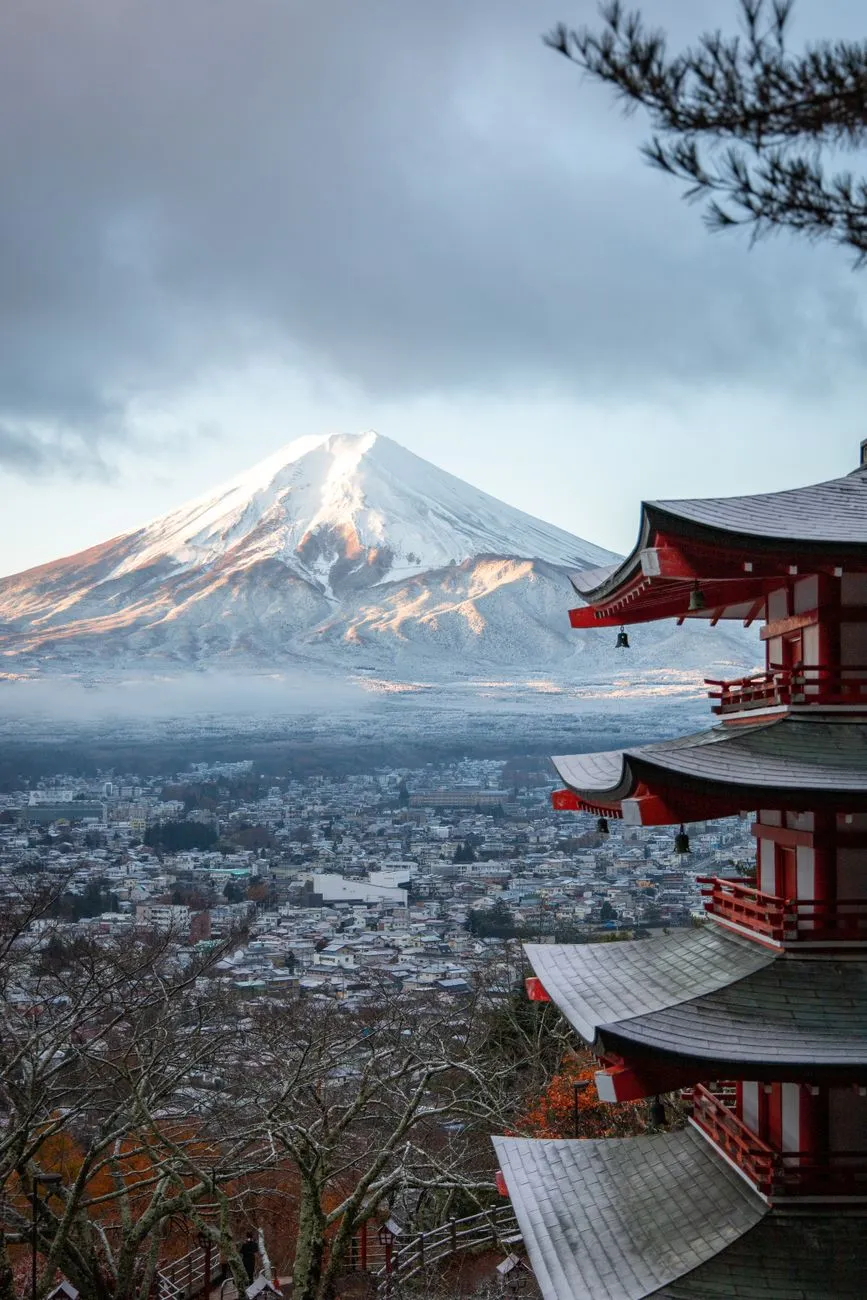
The Fuji Five Lakes area around the town of Kawaguchiko offers the best views of the mountain. The iconic spot is the red Chureito Pagoda with Fuji in the background — one of Japan’s most recognized images. A direct bus runs from Shinjuku (about two hours). The best time to see the mountain clearly is early morning and in the cooler months, when the air is crisp. See the Kawaguchiko guide.
Nikko — Temples and Nature
Nikko, two hours north of Tokyo on the Tobu railway, is a UNESCO World Heritage Site. The Toshogu shrine complex is richly decorated with gold and set within an ancient cedar forest. Nearby are the impressive Kegon Falls and Lake Chuzenji; the area is especially stunning during autumn foliage in October–November — day tours to Nikko from Tokyo. Full guide: Nikko.
Kamakura — The Great Buddha and the Sea
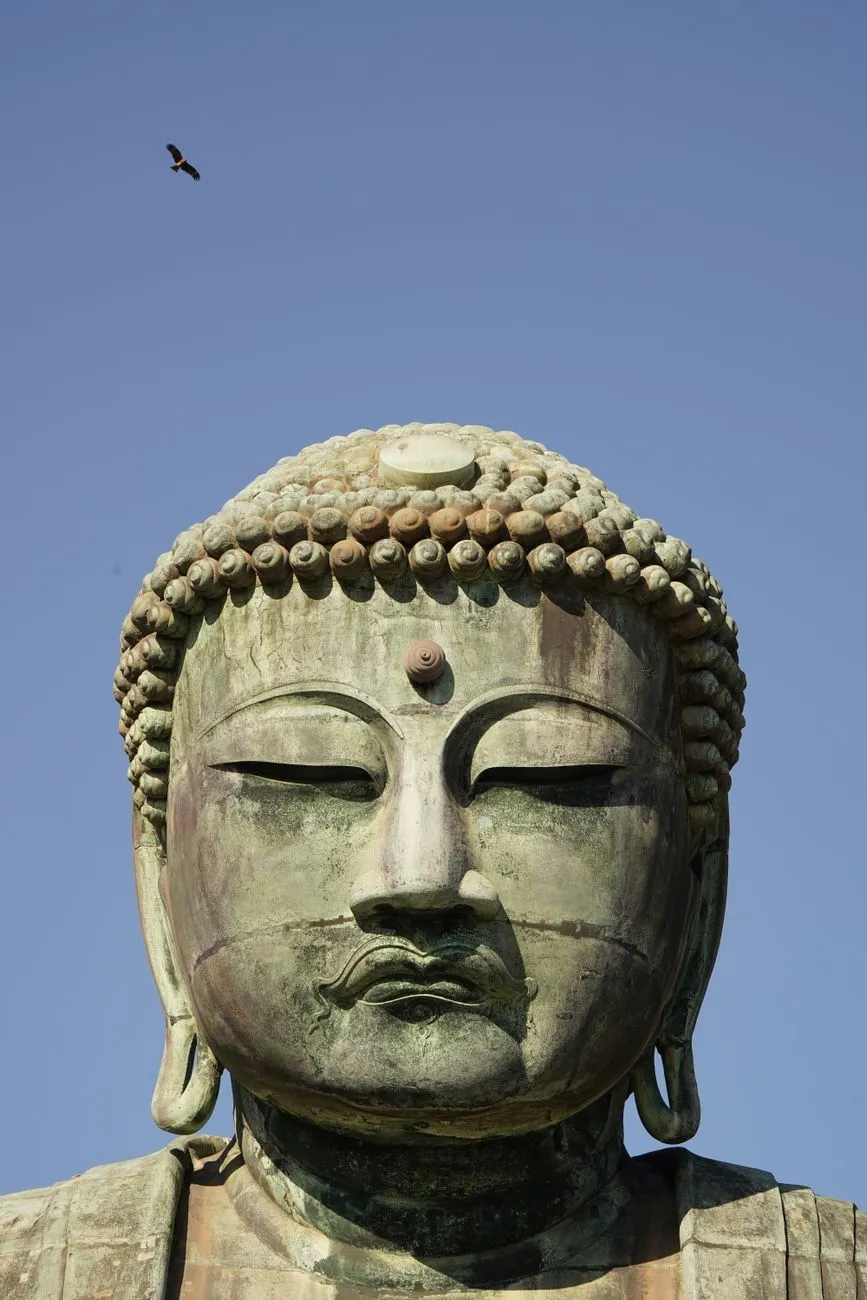
Kamakura, about an hour from Tokyo by JR train, combines history and the sea. The main attraction is the Great Buddha (Kotoku-in) standing about 13 meters tall, alongside Hase-dera temple, the bamboo grove of Hokoku-ji, and pleasant beaches. The scenic Enoden railway line connects the sites along the coastline — tours in Kamakura. Full guide: Kamakura.
Yokohama — The Closest Getaway
Yokohama, the large port city next to Tokyo (about 30 minutes away), offers Japan’s largest Chinatown, the Minato Mirai waterfront, and a relaxed atmosphere. See our complete Yokohama guide.
Kawagoe — “Little Edo”
Kawagoe, nicknamed “Little Edo,” is one of the easiest day trips from Tokyo — about 30 minutes by train from Ikebukuro station. The main street preserves Edo-era merchant warehouses with black walls, and the old bell tower has become the city’s symbol. Try sweet potato in every form (the local specialty), walk the candy lane, and visit Kita-in temple. Perfect for those who want a taste of traditional Japan without a long journey.
Mount Takao — Mountain Air Near the City
Mount Takao (Takao-san) is Tokyo residents’ nearby nature escape — about 50 minutes from Shinjuku on the Keio line. A 599-meter mountain with several marked hiking trails; the easiest route includes a cable car and suits families too. On clear days, Mount Fuji is visible from the summit. In autumn (November) the slopes turn red-orange — head out early. Comfortable walking shoes are enough; no special gear needed.
Atami — Onsen by the Sea
Atami, a resort town on the Izu Peninsula coast, is just 50 minutes from Tokyo Station by shinkansen — making it an especially easy day trip. The town is known for its hot springs (onsen), a seafront promenade, and the MOA Museum of Art with ocean views. You can combine a day-onsen bath, a fresh fish lunch, and a stroll along the waterfront. In winter, plum trees bloom here early, and on clear days the blue sea stretches to the horizon. A great choice for sea air and calm without much effort.
Independent or Guided?
Most day trips from Tokyo are perfectly doable independently with a train and some planning. Guided day tours from Tokyo are most worthwhile when you want to cover several distant sites in one day (e.g., Fuji and Hakone together), when traveling with children or elderly parents, or when you’d rather not deal with timetables.
How Much It Costs and Whether You Need a JR Pass
Most day trips from Tokyo cost ¥2,000–6,000 round trip by train (≈ $13–40), depending on the distance and shinkansen use. The national JR Pass almost never pays off for Tokyo day trips alone — it starts making sense only when combining inter-city travel (Tokyo–Kyoto–Osaka). For local trips, check cheaper regional passes like Hakone Free Pass or Nikko Pass, which also include internal transport at the destination. Load a Suica or Pasmo card and keep some cash for stalls and temples.
Day Trip Tips
- Leave early in the morning — sites get crowded and travel takes time.
- Check combined passes in advance (e.g., Hakone Free Pass) — they save money.
- Check the return train time — especially from rural areas.
- For Fuji — check the weather forecast; a clear day is essential for the view.
Return to the Japan travel guide to plan your full trip, or see the things to do in Tokyo for the city itself.
Frequently asked questions
How much does a day trip from Tokyo cost by train?
Usually ¥2,000–6,000 round trip (≈ $13–40), depending on the distance and whether shinkansen is involved.
Do I need a JR Pass for day trips?
Almost never worth it just for day trips from Tokyo; it pays off for inter-city travel. Check regional passes like Hakone Free Pass instead.
Which day trip is closest?
Yokohama (about 30 minutes) or Kamakura (about an hour).
When is the best time to see Mount Fuji?
On clear, cool days — especially in winter; in humid summer the mountain is usually hidden by clouds.
Related guides
Japan: The Complete Guide for First-Time Visitors
Everything you need to know before flying to Japan: visa, transport, money, food, accommodation, and itineraries — the opening guide to our Japan series.
Things to Do in Tokyo: Top Experiences
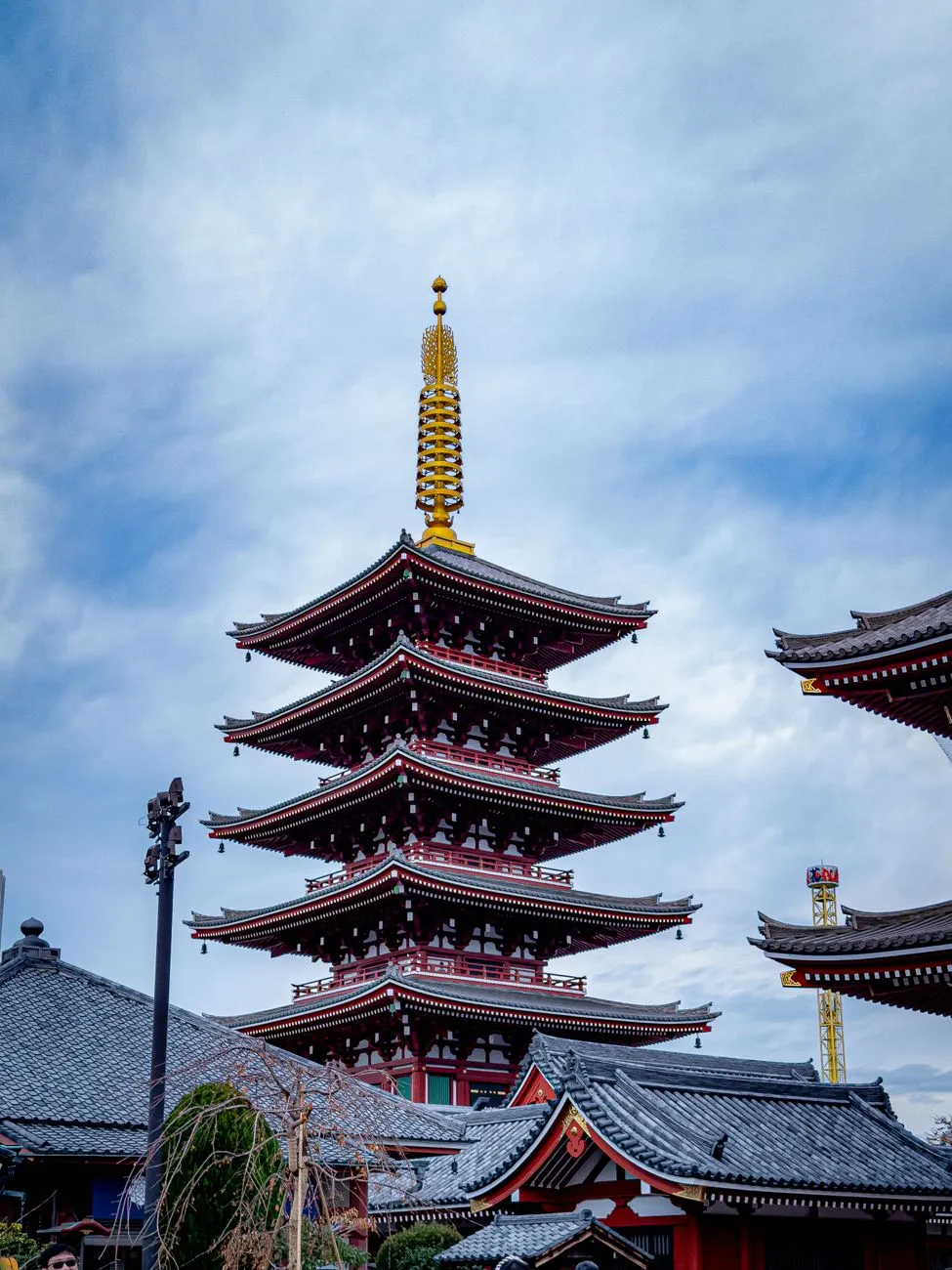
The best experiences in Tokyo: from Shibuya crossing and Senso-ji to teamLab, izakaya, baseball, and observation decks — a complete guide.
Tokyo: A Complete Guide to Neighbourhoods and Attractions
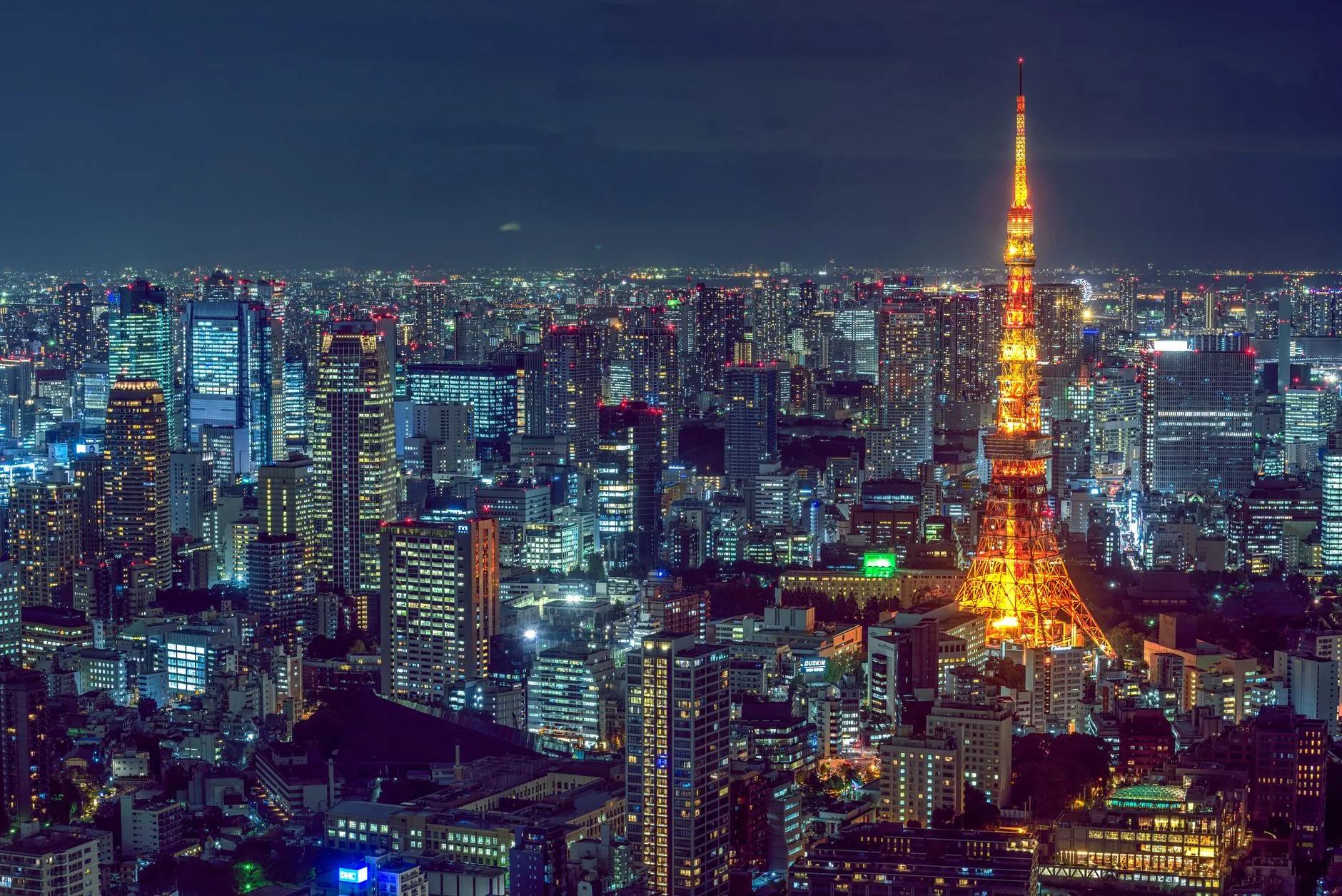
Everything you need for a trip to Tokyo: the key neighbourhoods, must-see attractions, where to sleep, Japanese food, day trips to Hakone and Kamakura, and a 3-day itinerary.