Cities in Japan
Kawaguchiko and the Fuji Lakes: Guide to the Mountain View
This guide contains affiliate links. If you book through them we earn a small commission, at no extra cost to you. Affiliate Disclosure
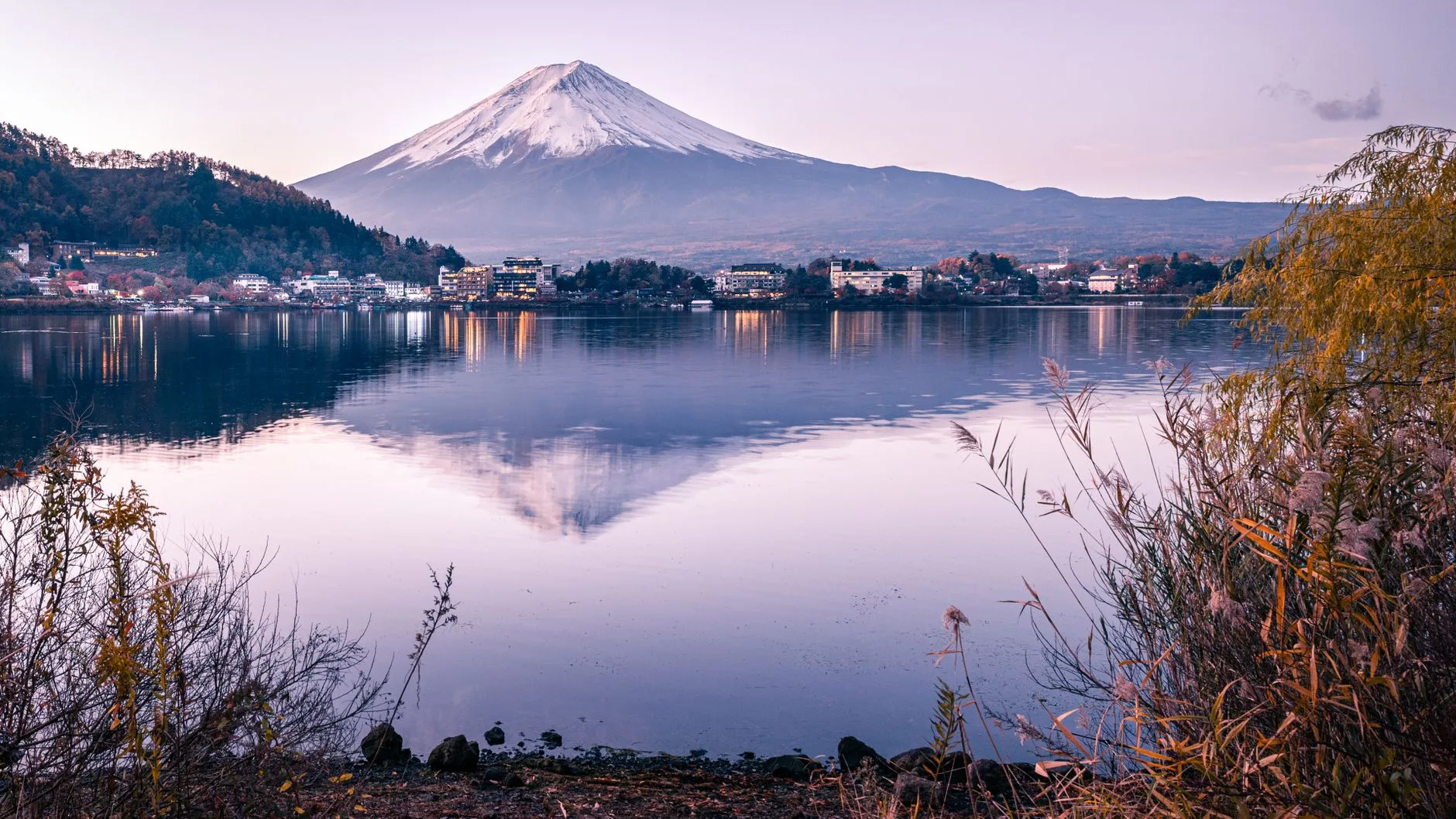
Lake Kawaguchiko is the most popular and accessible of the Fuji Five Lakes — and one of the best places in the world to see Mount Fuji reflected in still water. About two hours from Tokyo, the area combines breathtaking scenery, onsen, lakeside cafés, and family-friendly attractions — and it is an outstanding base for an overnight stay facing the mountain. At dawn, when the water is calm and Fuji is still clear, the view is genuinely difficult to describe in any way except unforgettable.
The Fuji Five Lakes — who is who
The Fuji Five Lakes (Fuji Goko) stretch along the northern base of the mountain, each with its own character and angle:
- Kawaguchiko — the most accessible and developed: hotels, attractions, and easy transport. The first choice for most travellers.
- Saiko — quieter and more natural, with a traditional village and lava caves.
- Yamanaka-ko — the largest of the lakes, popular for water sports.
- Shoji and Motosu — the smallest and quietest; Lake Motosu is the source of the image printed on the ¥1,000 note.
What to do at Kawaguchiko
Activities on the lakeshore: ride the Kachi-Kachi Ropeway for a panoramic view of the lake and the mountain; take a sightseeing cruise on the lake; or cycle around it on a pleasant, clearly marked path. Oishi Park on the northern shore offers one of the finest views — especially during the lavender season (June–July) or when the red kochia turns the banks scarlet in autumn. There are also small museums, lakeside cafés with terraces, and public onsen facilities.
Kachi-Kachi Ropeway and area toursThe best viewpoints
Chureito Pagoda (Arakura Sengen) — 400 steps lead to a viewpoint with a red pagoda and Mount Fuji behind it. During cherry blossom season (April) this is the most photographed spot in Japan — arrive early morning before the crowds.
Oishi Park — an open view of the mountain across the lake, with flower beds in the foreground.
The northern shore of Kawaguchiko — the classic reflection of Fuji in still water, best at dawn.
Oshino Hakkai — a village with crystal-clear spring ponds and the mountain in the background.
Oshino Hakkai village
Oshino Hakkai is one of the most picturesque spots in the area — eight crystal-clear spring ponds fed by snowmelt from Mount Fuji, surrounded by traditional thatched-roof houses. On clear days the mountain appears in the background. Entry to most of the village is free, and a stroll takes one to two hours. Nearby is Saiko Iyashi-no-Sato, a reconstruction of a traditional thatched-roof village, now a living museum with craft workshops.
Family attractions
Fuji-Q Highland is a large amusement park with some of Japan’s fastest and highest roller coasters, as well as gentler rides for young children. The ice and lava caves formed by ancient eruptions offer a fascinating geological experience. Cycling around the lake and a picnic at Oishi Park are fun for the whole family.
When to visit
Each season has its own character:
- Spring (April) — cherry blossoms around the lake and at Chureito.
- Summer — lavender fields in June–July, but the mountain is sometimes hidden behind cloud.
- Autumn (October–November) — colourful foliage and red kochia on the banks.
- Winter — the highest chance of seeing the mountain clearly, snow-capped and dramatic.
In every season: early morning is the best time.
Where to stay
Staying overnight facing Mount Fuji is a large part of the experience. On the northern and eastern shores of Kawaguchiko you will find hotels and ryokan with a direct view of the mountain, many with onsen and outdoor baths. One night here lets you see the mountain at sunset, under the stars, and at dawn — something no day trip can give.
Hotels and ryokan with Fuji views on the lakeshoreBook a room with a Fuji view ahead of time, especially at weekends and during peak seasons.
Getting here from Tokyo
The easiest way from Tokyo is a direct bus from the Busta Shinjuku terminal to Kawaguchiko Station — about 1 hour 45 to 2 hours, around ¥2,200 one way, and sometimes about ¥2,000 booked online in advance. Buses run roughly hourly. You can also travel by train via Otsuki. Note that the bus is not covered by the JR Pass. Inside the area, a tourist bus (red / green / blue lines) links all the main sites — a daily pass is recommended. If combining with Hakone, see the Fuji and Hakone guide and check the seasonal connecting bus.
Food and coffee with a view
Part of Kawaguchiko’s charm is sitting with a coffee facing the mountain. Along the northern shore, lakeside cafés with terraces facing Mount Fuji are perfect for a leisurely breakfast after the dawn watch. Try hōtō — flat noodles in a miso broth with pumpkin and vegetables, a comforting local winter dish. There are also fish restaurants, Fuji-themed sweet shops, and small sake breweries. Arrive hungry — the local food complements the scenery.
Walking routes
Nature lovers will find trails for every level. A short, easy path circles part of the lakeshore; beyond it are routes up to Mount Tenjō (also reached by the ropeway) with a panoramic view of the lake and Mount Fuji. More experienced walkers can tackle forest paths around Lake Saiko and the lava caves. In autumn the trails glow with foliage; in spring, with blossoms. Always bring water, comfortable footwear, and a warm layer.
From here you can carry on: the Mount Fuji and Hakone guide for onsen and the Hakone Loop, the Tokyo guide for base planning, or the Japan overview guide for a tour of all the regions.
Frequently asked questions
How much time do you need for Kawaguchiko?
A full day covers the main sights — Chureito Pagoda, Oishi Park, and the lake. But one overnight stay is recommended to catch the quiet morning view of the mountain.
Can you visit as a day trip from Tokyo?
Yes, but it is a long one — two hours each way. Leave early and check the weather forecast.
When is the best time to visit?
Autumn and winter for a clear view of the mountain; spring for cherry blossoms at Chureito and around the lake; summer for lavender fields in June and July.
Do you need a car to get around?
No — the sightseeing bus (red, green, and blue lines) connects all the main sites. A daily pass is worth buying. A car adds flexibility but is not essential.
Related guides
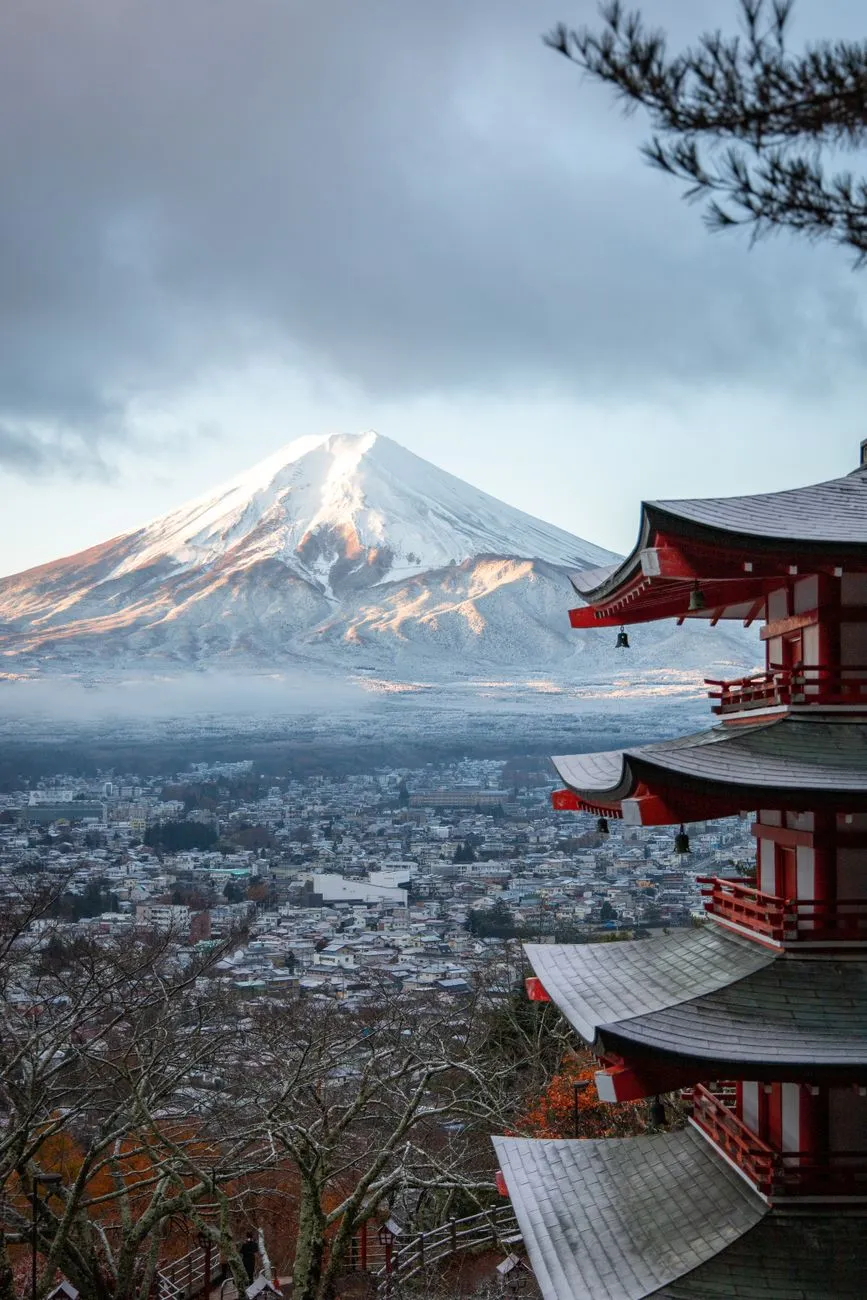
Japan: The Complete Guide for First-Time Visitors
Everything you need to know before flying to Japan: visa, transport, money, food, accommodation, and itineraries — the opening guide to our Japan series.
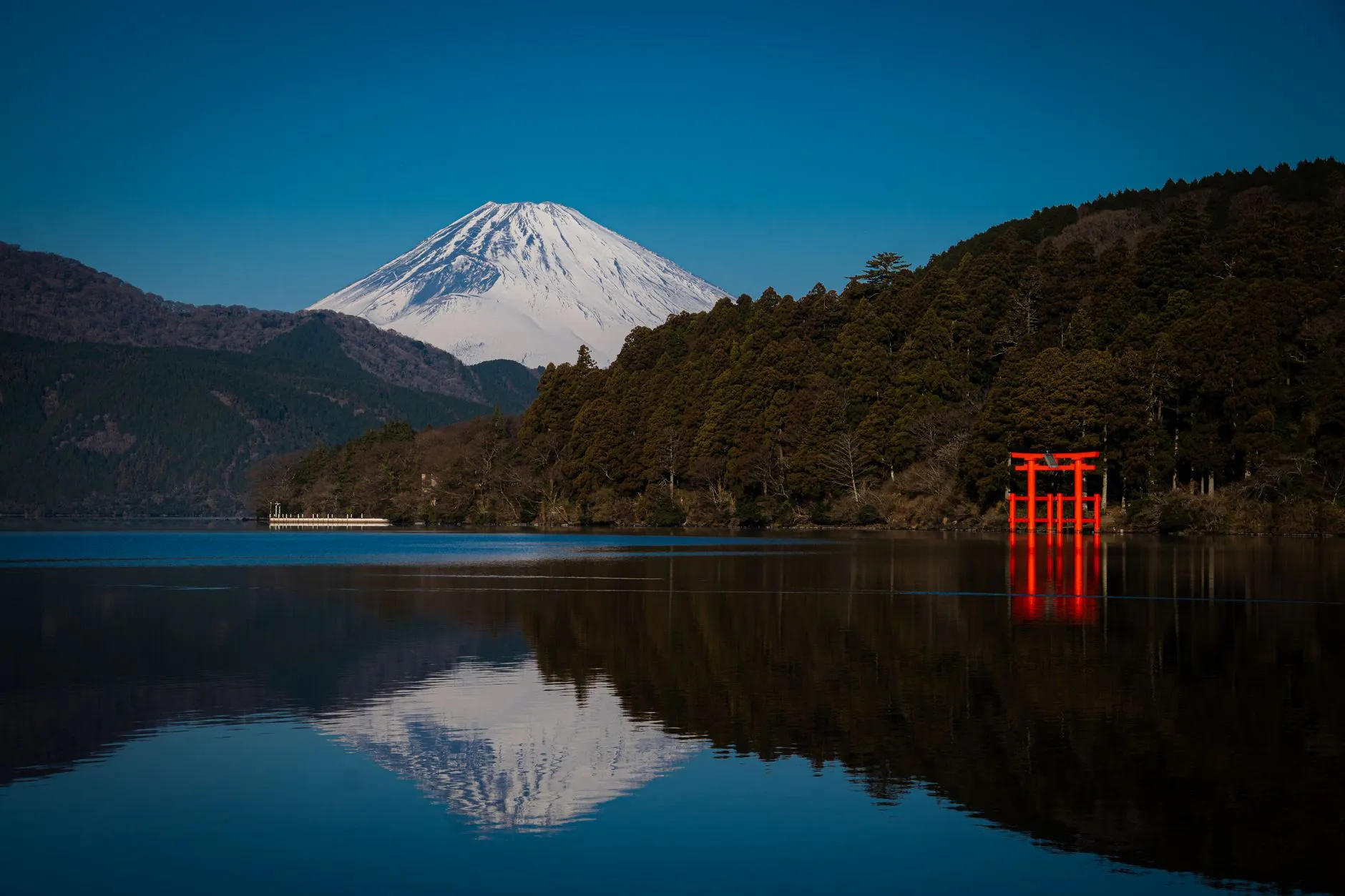
Mount Fuji and Hakone: A Complete Guide
Complete guide to Mount Fuji and Hakone: how to get there, the Hakone Loop, onsen, the Fuji Lakes, viewpoints, and planning tips. Day trip or overnight from Tokyo.
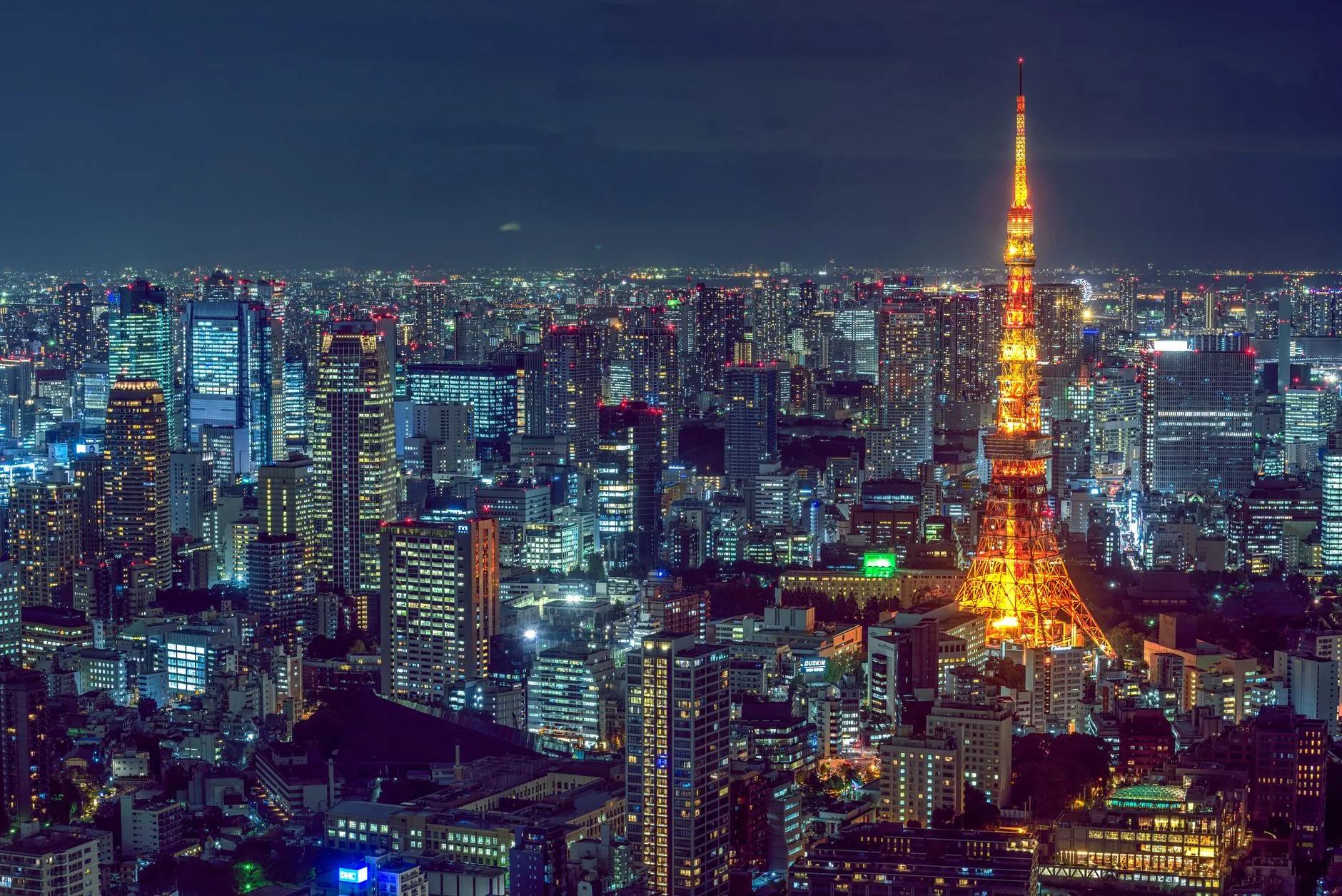
Tokyo: A Complete Guide to Neighbourhoods and Attractions
Everything you need for a trip to Tokyo: the key neighbourhoods, must-see attractions, where to sleep, Japanese food, day trips to Hakone and Kamakura, and a 3-day itinerary.