Cities in Japan
Mount Fuji and Hakone: A Complete Guide
This guide contains affiliate links. If you book through them we earn a small commission, at no extra cost to you. Affiliate Disclosure
Mount Fuji (3,776 m) is Japan’s highest and most sacred mountain — and arguably the country’s most recognisable symbol. Most travellers do not climb it; they come to see it, and to soak in the onsen at its base. The best area for both is Hakone and the Fuji Lakes — both less than two hours from Tokyo and perfect for a day trip or a single overnight stay.
Getting here from Tokyo
Both areas are easily reached from Tokyo, but by different routes. For Hakone, travel from Shinjuku Station on the Odakyu Line — including the comfortable Romancecar express — about one and a half hours. The Hakone Free Pass is worth buying: it covers the train from the city and all internal transport in the area — ropeway, sightseeing boat, and buses.
For the Fuji Lakes area (Kawaguchiko) — a direct bus from Shinjuku Station takes about two hours, or you can go by train via Otsuki. You can combine both areas, but they are linked mainly by a seasonal bus — check timings in advance.
The Hakone Loop — the classic route
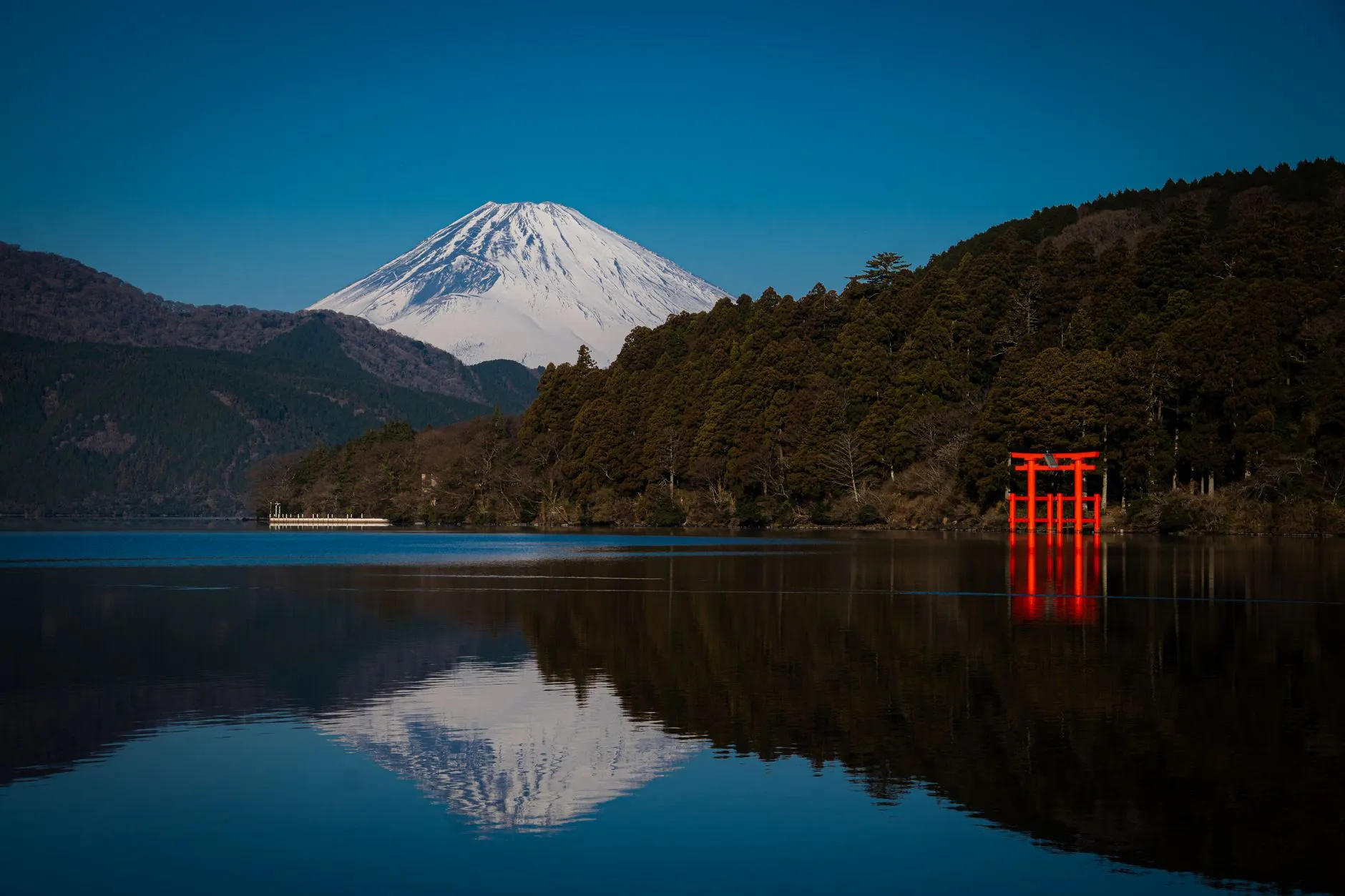
The classic way to discover Hakone is the “Hakone Loop” — a circular route using several unique forms of transport. You start at Hakone-Yumoto, climb aboard the switchback mountain railway, continue by ropeway over the volcanic Owakudani Valley (where the famous black eggs cooked in sulphur springs are eaten), and descend to Lake Ashi. From there, a pirate-ship sightseeing boat carries you to the famous red torii gate of Hakone Shrine standing in the water — one of the most photographed images in Japan.
Along the way, the Hakone Open-Air Museum is worth a stop for its outdoor sculpture garden and a collection of works by Picasso. Hakone Loop tours and the Hakone Free Pass.
Onsen in Hakone
Hakone is one of Japan’s onsen capitals, and soaking in a hot spring with mountain views is an essential part of any visit. You can stay at a ryokan with a private or communal onsen, or pay for a day-use onsen without staying overnight. Many facilities offer outdoor rotenburo baths with views.
Ryokan with onsen in Hakone — book in advance, especially at weekends and during peak seasons.
Where and when to see Mount Fuji
The secret to seeing Mount Fuji is weather and timing. The mountain is clearest on cool, bright days — winter (December–February) offers the highest chance, while the humid summer months usually hide it behind cloud. The best time of day is the early morning hours.
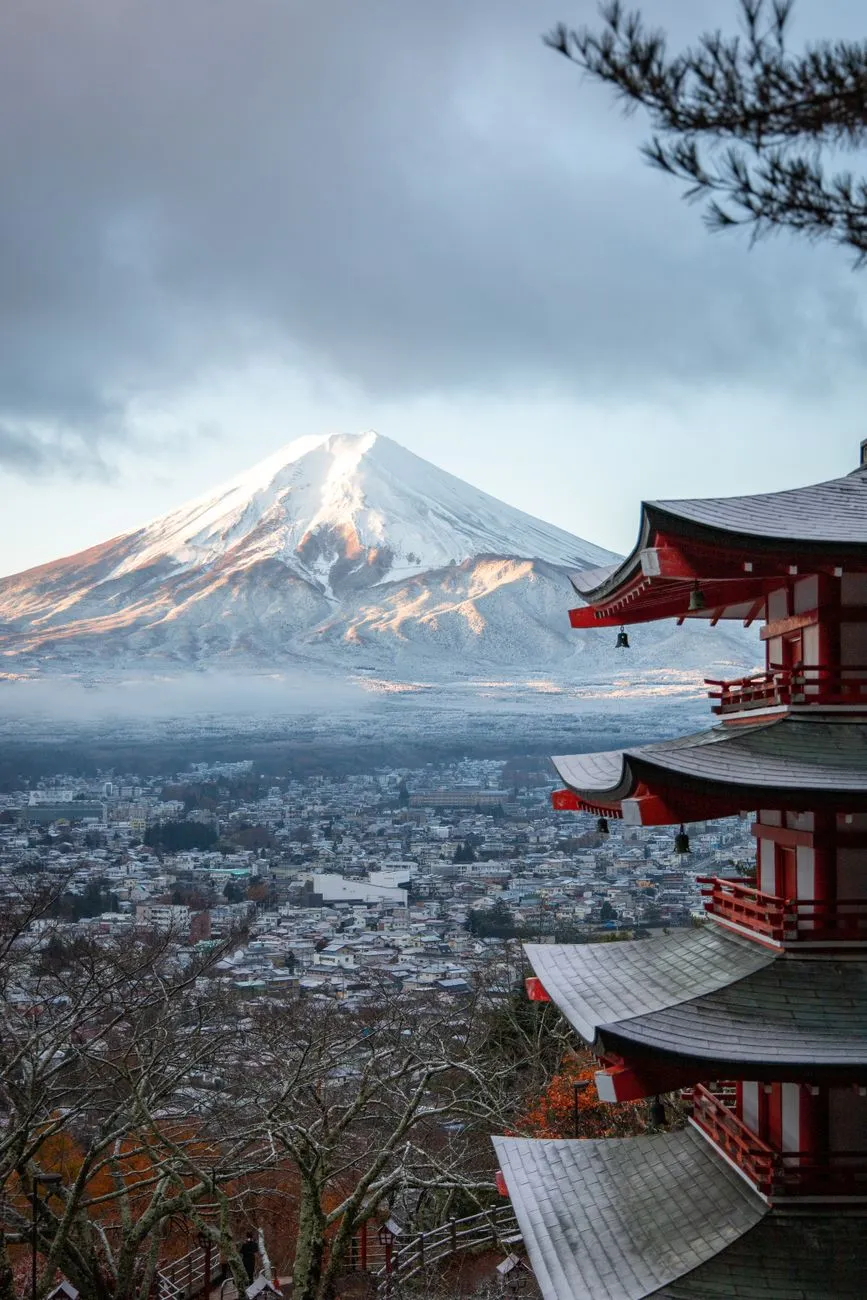
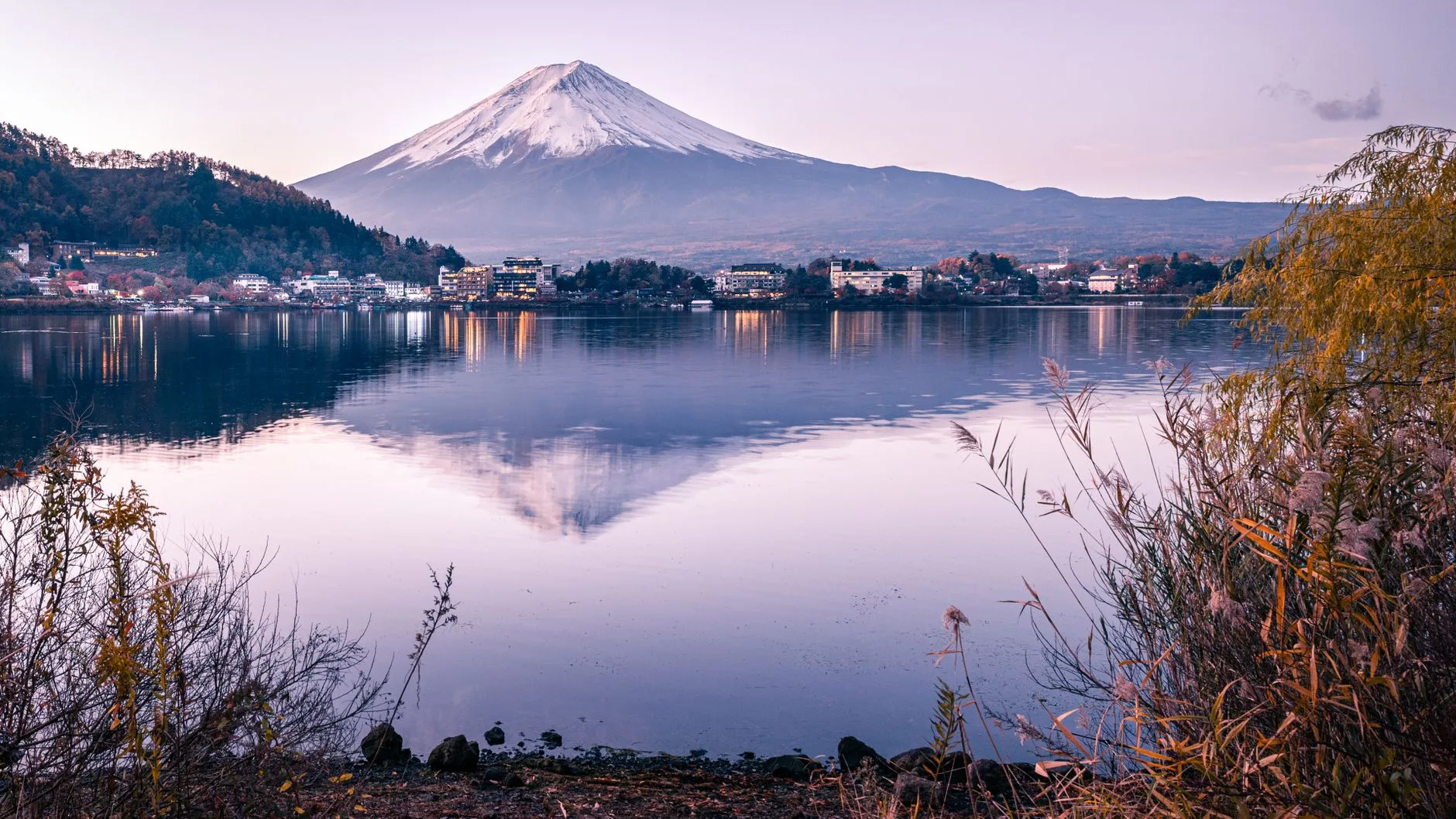
Famous viewpoints: Chureito Pagoda (Arakura Sengen) with the red pagoda and the mountain behind — stunning during cherry blossom season; the shores of Lake Kawaguchiko for the classic reflection; and the village of Oshino Hakkai with its crystal-clear spring ponds. For the Fuji Lakes and Chureito in detail, see the Kawaguchiko guide.
Climbing Mount Fuji
The summit climb is possible only during the official season — early July to early September, when the trails and mountain huts are open. The most popular route is the Yoshida Trail. Many people climb overnight to catch the sunrise from the summit. Important to know: this is a demanding climb at high altitude, requiring preparation, warm clothing, and a slow pace to avoid altitude sickness. Those who do not plan to climb will enjoy the experience from below just as much. Guided Mount Fuji climbing tours.
Other attractions in the area
Beyond the Loop and the viewpoints, the area has plenty more. In Hakone: the Pola Museum of Art in the forest, the Venetian Glass Museum, and the gardens at Gora. Around Mount Fuji: Fuji-Q Highland amusement park with some of Japan’s fastest roller coasters; the ice and lava caves formed by past eruptions; and the viewpoints from each of the five lakes — every one offers a different angle on the mountain.
Where to stay
Two main options. In Hakone — a ryokan with onsen is the classic experience, ideal for a romantic and restorative night. In Kawaguchiko — hotels and guesthouses on the lakeshore with a direct view of Mount Fuji, perfect for morning photography. Both suit a single overnight stay that transforms a rushed day trip into a calm encounter with the mountain. Book ahead during peak seasons and weekends.
Where to stay in HakoneDay trip or overnight — what is better
A day trip from Tokyo to either area is perfectly feasible — but one overnight stay significantly upgrades the experience. The main reason is morning light. Mount Fuji looks brightest in the early hours, before the clouds gather. Staying also allows you to enjoy an onsen without time pressure. If you only have one day — take the first train and check the morning forecast; if you have a night — you get the sunset, the stars, and the dawn facing the mountain.
Two days? Do both — a night at a ryokan in Hakone and a second night on the shores of Lake Kawaguchiko.
From here you can carry on: the Kawaguchiko and Fuji Lakes guide for detail on the lakes and Chureito Pagoda, the Tokyo guide for base planning, or the Japan overview guide for a tour of all the regions.
Frequently asked questions
Hakone or the Fuji Lakes — which should you choose?
Hakone for the onsen and a diverse loop route with multiple forms of transport. The Fuji Lakes for the classic reflected view of the mountain. If time allows — both.
Can you see Mount Fuji from Tokyo?
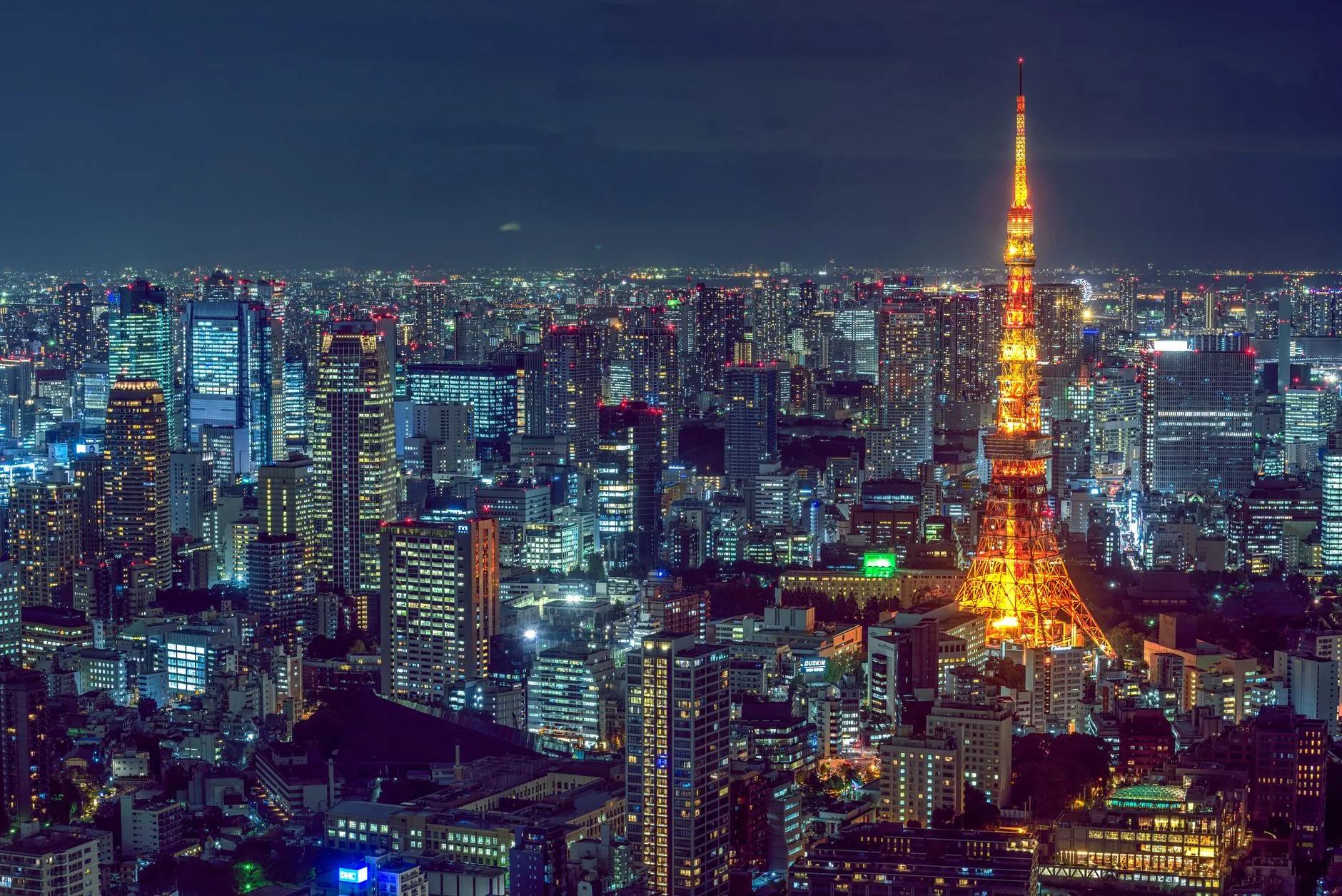
On clear days, yes — from high observation decks in Tokyo. But the best views are from Hakone and the Fuji Lakes, away from the urban haze.
When is the best time to visit?
Autumn and winter (January–February) for a clear, snow-capped view. Spring for cherry blossoms at Chureito Pagoda. Summer — the mountain is often hidden in cloud.
Do you need to climb Mount Fuji to enjoy it?
Not at all. Most travellers — including most Japanese themselves — experience the mountain from below, from the lakes and viewpoints. The view from the ground is just as moving.
Related guides
Japan: The Complete Guide for First-Time Visitors
Everything you need to know before flying to Japan: visa, transport, money, food, accommodation, and itineraries — the opening guide to our Japan series.
Kawaguchiko and the Fuji Lakes: Guide to the Mountain View
Guide to Kawaguchiko and the Fuji Lakes: viewpoints of Mount Fuji, Chureito Pagoda, Oshino Hakkai village, attractions, accommodation, and planning tips.
Tokyo: A Complete Guide to Neighbourhoods and Attractions
Everything you need for a trip to Tokyo: the key neighbourhoods, must-see attractions, where to sleep, Japanese food, day trips to Hakone and Kamakura, and a 3-day itinerary.