Cities in Japan
Kyoto: Guide to Temples, Neighbourhoods and Experiences
This guide contains affiliate links. If you book through them we earn a small commission, at no extra cost to you. Affiliate Disclosure
Kyoto was Japan’s imperial capital for more than a thousand years and remains the country’s cultural and spiritual heart today. While Tokyo races forward, Kyoto keeps a different pace: over 1,600 Buddhist temples, hundreds of Shinto shrines, palaces, Zen gardens, and stone-paved alleys where geisha still walk.
Anyone arriving with expectations of a museum city will be surprised — Kyoto pulses with life, crowds in peak season, and has a way of converting even sceptics the moment they set the map aside and turn down a random lane between two temples.
When to visit and how to beat the crowds
Spring (late March–early April): cherry blossoms — the busiest and most expensive season. Autumn (mid-November–early December): red-orange foliage, widely considered the most beautiful time. Summer (June–August): hot and humid, but the Gion Matsuri festival in July is a spectacular sight. Winter (December–February): cool, quiet, and cheaper; a snow-dusted temple is a rare and stunning image.
Getting here and getting around
From Tokyo: Shinkansen (bullet train) — about 2 hours 15 minutes on a Nozomi, but Nozomi is not covered by the JR Pass; with the pass you take a Hikari, around 2 hours 40 minutes. In the city: city bus (~¥230 ≈ $1.50 per ride) and the subway cover most attractions; an ICOCA or Suica card works on both. Gion and Higashiyama reveal themselves on foot — that is exactly how they are meant to be explored; a bicycle suits the flatter northern districts.
The temples and sites you must not miss
Fushimi Inari Taisha — thousands of vermilion torii gates hand-painted up a forested mountain. Free entry, open 24 hours; arrive at dawn to walk the tunnel of orange in silence.
Kinkaku-ji (Golden Pavilion) — a wooden pavilion covered in gold leaf that reflects perfectly on the surface of the pond below. Admission around ¥500 (≈ $3.30).
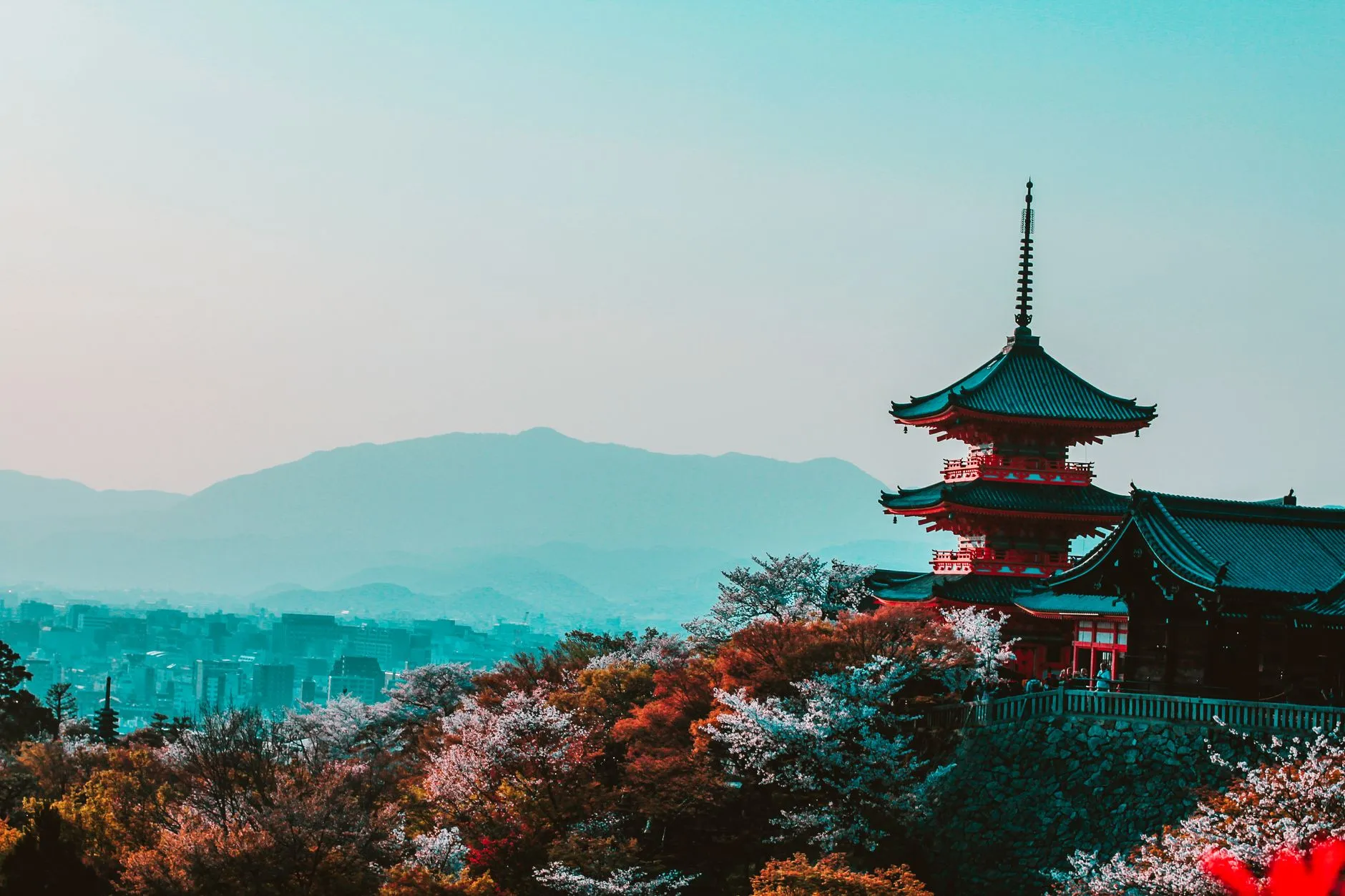
Kiyomizudera — an ancient wooden temple on a hillside, a vertiginous viewing platform, and the long traditional shopping lane leading up to it.
Arashiyama — a green, breathing bamboo grove, the Tenryu-ji temple and its Zen garden, the Togetsu-kyo bridge over the Hozu River, and the Iwatayama monkey park with its panoramic views. On the way back — fresh matcha from one of many small vendors.
Ginkaku-ji and the Philosopher’s Path — the understated Silver Pavilion and, more memorably, a shaded canal-side path lined with cherry trees, good for meeting cats and locals.
Nijo Castle — a 17th-century shogun’s palace with famous “nightingale floors” that squeak with every step, designed as an early-warning security system — tickets for Nijo Castle.
Ryoan-ji — the famous Zen rock garden: 15 stones on raked gravel; some are always hidden from any single viewpoint.
Arashiyama — bamboo, river, and monkeys
The bamboo grove fills up by 9:00 — arrive before. A short walk leads to Tenryu-ji and its Zen garden (paid entry). The Togetsu-kyo bridge over the Hozu River offers greenery in every direction. The Iwatayama monkey park requires a short 20-minute uphill walk but rewards with a panorama over the city. On the way back, a cup of fresh matcha is inescapable.
Gion and Higashiyama — the Kyoto of the geisha
Cobbled streets, wooden teahouses, red paper lanterns — this is the Kyoto you imagined. Evening is the time: you may catch a geisha or maiko finishing her shift — treat the encounter with respect and distance, no photographing faces. Natural walking route: Hanamikoji → Shinbashi along the canal → Ninnen-zaka and Sannen-zaka → Kiyomizudera.
Other temples worth a detour: Sanjusangendo (1,001 gilded Kannon statues), Nanzen-ji (massive wooden gate and an ancient aqueduct running through the city), Tofuku-ji (rare autumn foliage in November, a bridge over a maple gorge), Heian Shrine (a giant vermilion torii, ornamental garden).
Special experiences worth booking ahead
Kimono rental for an hour or two; a traditional tea ceremony with a tea master; an evening dinner with a maiko; a calligraphy workshop; a tour of the Nishijin silk-weaving district. All sell out quickly in peak seasons — tours and experiences in Kyoto.
Food in Kyoto
Kaiseki — a multi-course seasonal Japanese meal, one of the highest gastronomic experiences in Japan. Yudofu — simmered tofu in a light broth, a traditional temple food around Higashiyama. Obanzai — classic Kyoto home cooking: vegetables, beans, and tofu. Nishiki Market — Kyoto’s “kitchen”: a narrow covered market full of stalls selling fish, pickles, skewers, and tempura. Matcha appears everywhere — ice cream, lattes, desserts; the town of Uji, the matcha capital, is worth half a day. In the Fushimi sake-brewing district — tours and tastings.
Where to stay
Around Kyoto Station — most convenient for transport and day trips, hotels at every price point — hotels near Kyoto Station.
Gion / Higashiyama — traditional and charming, close to the major temples, but pricier; ryokan with futons and kaiseki — worth at least one night — hotels and ryokan in Gion.
Kawaramachi / Downtown — nightlife, shopping, restaurants, and easy access to the Kamo River and public transport.
Day trips from Kyoto
Nara (about 45 minutes by train) — the Great Buddha at Todai-ji, free-roaming deer, and Kasuga Taisha shrine. Osaka (15 minutes on the Shinkansen) — Dotonbori, Kuromon market, and Osaka Castle. Uji (30 minutes) — the matcha capital and Byodoin temple. Fushimi — Inari shrine and sake breweries, a short bus ride from the city centre.
2–3 day itinerary
Day 1 (east): Fushimi Inari at dawn → Kiyomizudera and the Sannen-zaka lanes in the morning → Nishiki Market for lunch → Gion and the Philosopher’s Path at dusk.
Day 2 (north/west): Kinkaku-ji and Ryoan-ji in the morning → a full afternoon in Arashiyama (bamboo, Tenryu-ji, monkeys).
Day 3 (centre/surroundings): Nijo Castle → Nishiki Market again for a snack → day trip to Nara or Uji.
From here you can carry on: read the Japan overview guide for a tour of all the regions, browse the itineraries for a full trip plan, or head to the cities guide to explore more destinations.
Frequently asked questions
How many days should you spend in Kyoto?
Two days is the minimum; three is more comfortable and allows a day trip to Nara or Uji. During peak seasons (cherry blossoms and autumn foliage) book accommodation weeks ahead.
When is the best time to visit Kyoto?
Late March to early April for cherry blossoms, and mid-November for the red-orange autumn foliage. Both seasons are busy and expensive — book early. Winter is quiet and cheaper, sometimes with a rare dusting of snow on the temples.
Do you need to buy tickets in advance for Kyoto attractions?
Fushimi Inari and many temples charge at the gate or are free. For special tea ceremonies, kimono rental, and guided experiences — book in advance via GetYourGuide.
How do you get around Kyoto?
City bus (around ¥230 per ride) and the subway cover most sites; an ICOCA or Suica card works on both. Gion and Higashiyama are best on foot; a bicycle suits the flatter northern areas.
Related guides
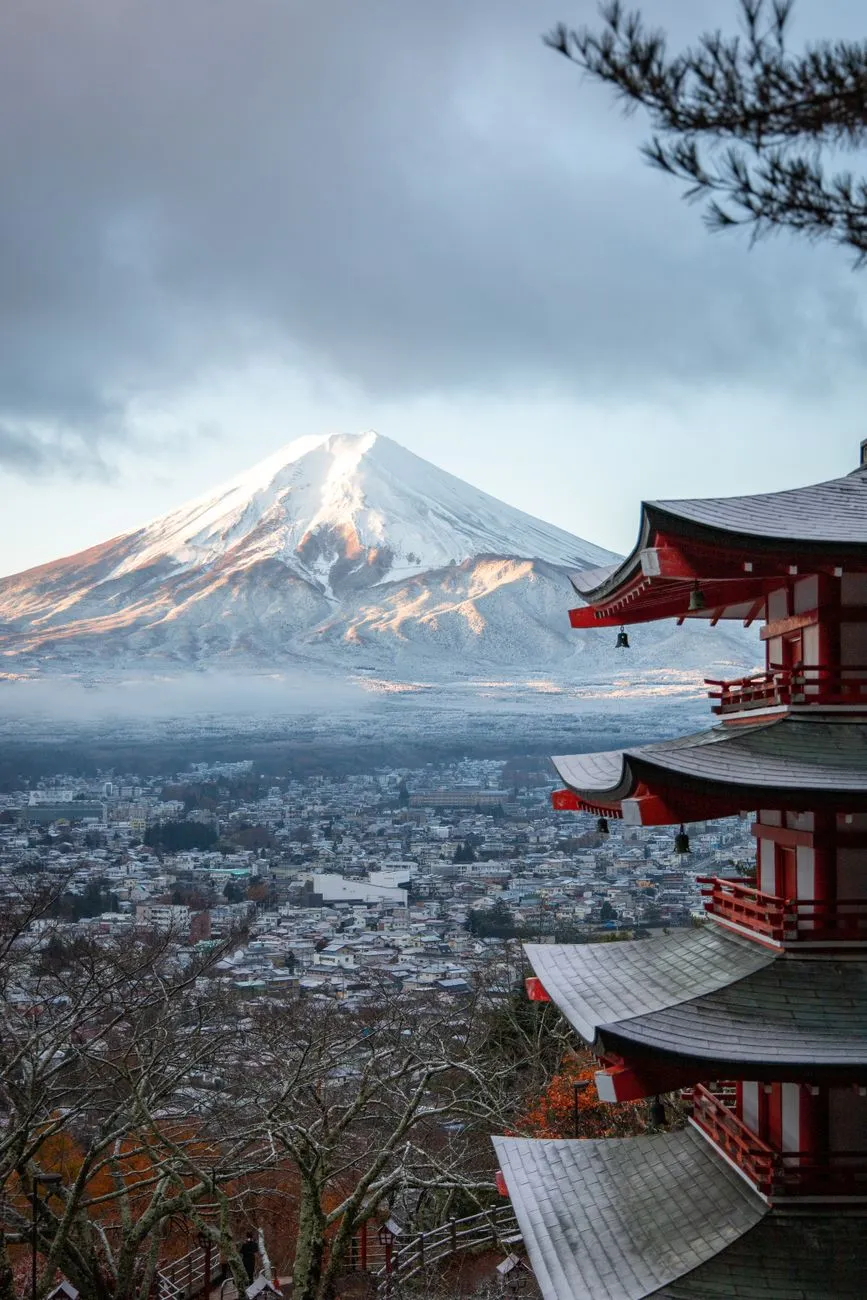
Japan: The Complete Guide for First-Time Visitors
Everything you need to know before flying to Japan: visa, transport, money, food, accommodation, and itineraries — the opening guide to our Japan series.
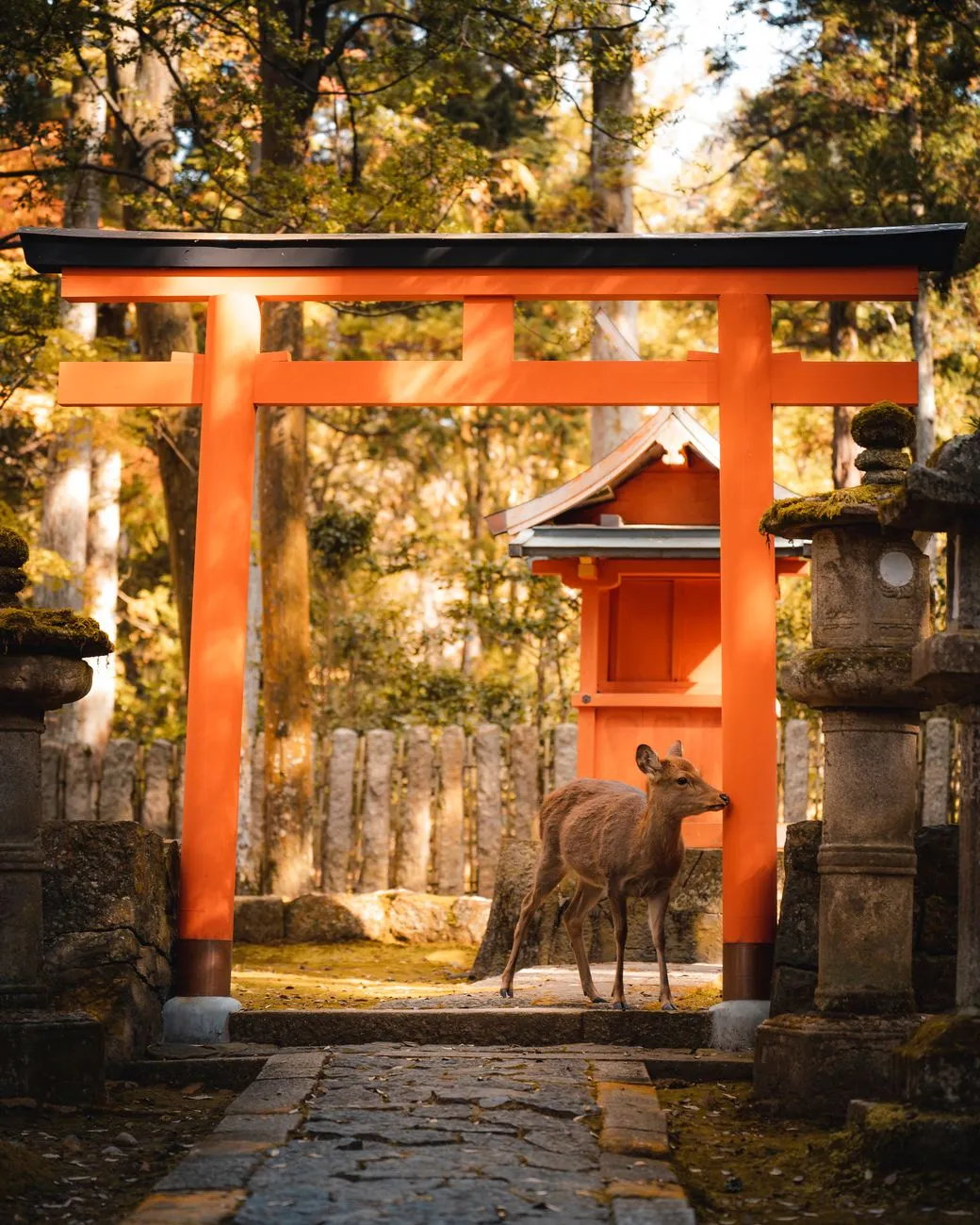
Nara: Deer, Temples and the Great Buddha
A complete guide to Nara: the deer park, Todai-ji temple, Kasuga Taisha shrine, and the Naramachi historic quarter. Perfect as a day trip from Kyoto or Osaka, or a quiet overnight stay.
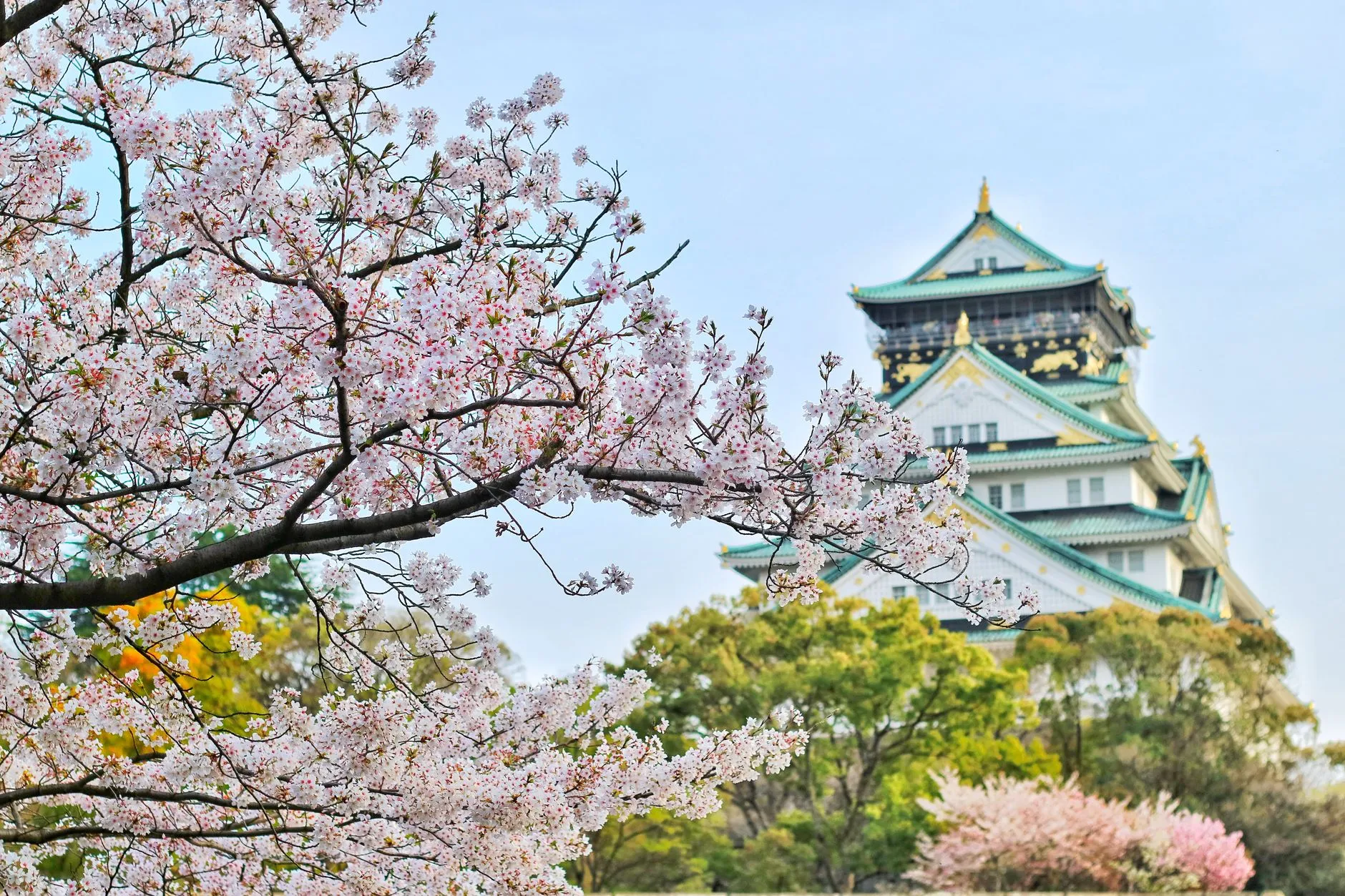
Osaka: Guide to Food, Nightlife and Attractions
Everything you need for Osaka: Dotonbori, Osaka Castle, Shinsaibashi, Universal Studios Japan, where to stay, and a recommended 2-day itinerary.