Cities in Japan
Hiroshima and Miyajima: Complete Guide
This guide contains affiliate links. If you book through them we earn a small commission, at no extra cost to you. Affiliate Disclosure
Hiroshima is a city of memory and hope. In 1945 it became the first city in the world to be struck by an atomic bomb, and today it is a vibrant, thriving city dedicated to peace. Alongside its deeply moving memorials, the area offers one of the most beautiful sights in Japan — the floating torii gate of Miyajima — and unique local food.
Peace Memorial Park and the Dome
The heart of any visit to the city is Peace Memorial Park, a wide complex dedicated to the victims and to the hope of a world free from nuclear weapons. At its centre stands the Atomic Bomb Dome (Genbaku Dome), the skeletal remains of the only building left standing near the blast’s hypocenter, now a UNESCO World Heritage site. The Peace Memorial Museum tells the story through testimonies and objects — a moving and difficult visit, but an important one. The park also holds the Children’s Peace Monument with thousands of origami cranes, and the Peace Bell. Allow at least half a day, and come with an open heart.
Miyajima and the Floating Torii Gate
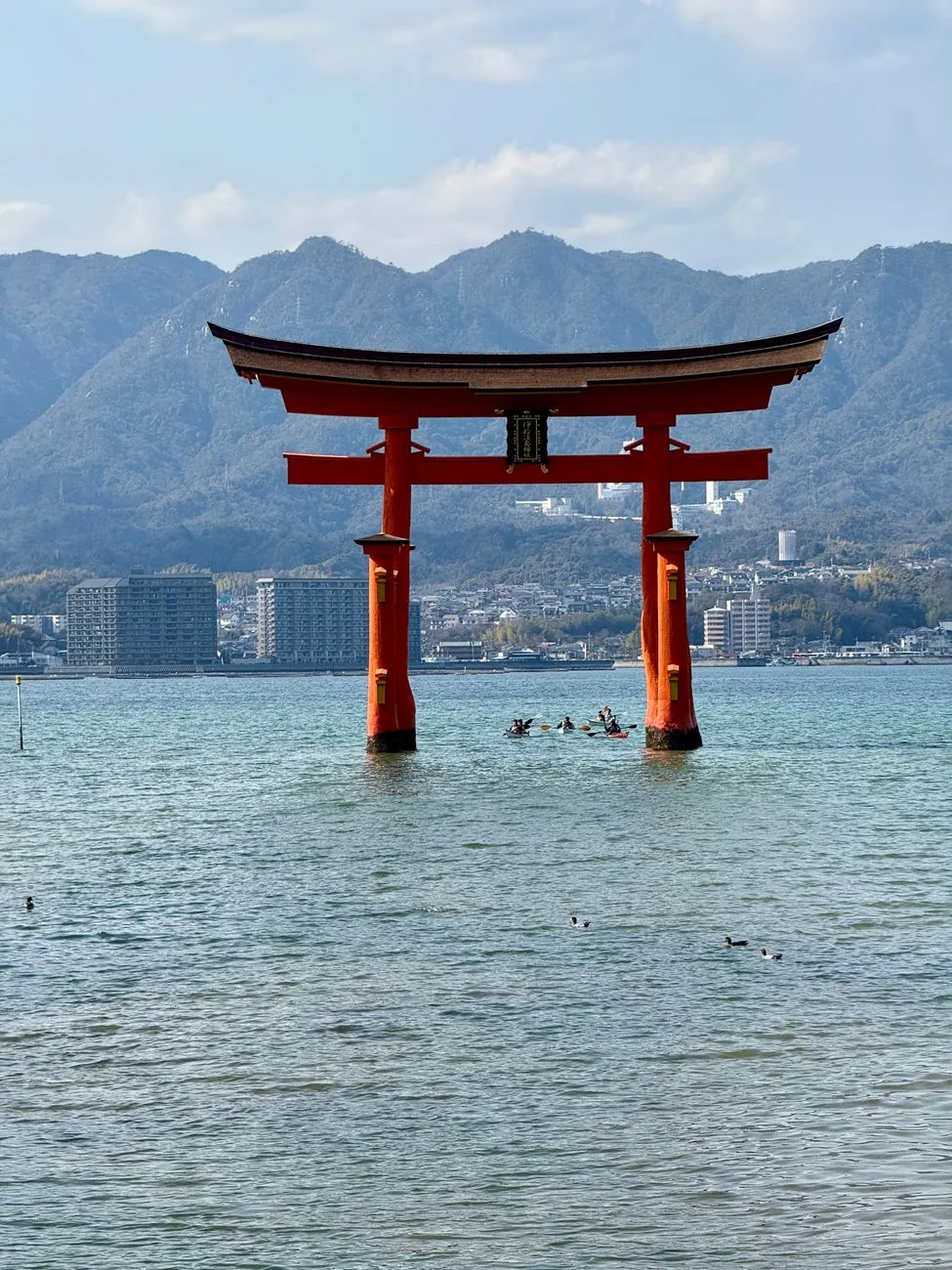
A short train ride and a ferry crossing away lies Miyajima island, one of the most beautiful places in Japan. Its symbol is the floating torii gate of Itsukushima Shrine, which stands in the water and appears to float above the sea at high tide. At low tide you can walk right up to it. The shrine itself, built on stilts above the sea, is magnificent in its red against the green mountain backdrop. Arrive around sunset for the best light, or in the evening when the gate is illuminated.
Tours to Miyajima and HiroshimaMore to See on Miyajima
Beyond the famous gate, Miyajima has much to offer. Take the ropeway or hike to the summit of Mount Misen for breathtaking views over the Seto Inland Sea. Friendly deer roam freely on the island — but do not feed them. Visit the tranquil Daisho-in temple on the mountain slope, and wander the main street with its food stalls. Do not miss momiji manju — maple-leaf-shaped cakes filled with sweet bean paste, the island’s famous local treat.
Hiroshima Food — Okonomiyaki, City Style
Hiroshima takes pride in its own version of okonomiyaki. Unlike the Osaka version where everything is mixed together, here the dish is built in layers — a thin batter base, a generous amount of cabbage, bean sprouts, meat, egg and yakisoba noodles — then cooked on a teppan griddle. The result is tall, rich and filling. A great place to try it is Okonomimura, a whole building full of okonomiyaki stalls. Another local specialty: fresh oysters from the Inland Sea, grilled or fried. In the harbour area, look out for Setouchi lemon — a sweet, refreshing citrus from the surrounding islands that appears in sweets and local drinks too.
Hiroshima Castle and Shukkeien Garden
For those with extra time, Hiroshima Castle (“Carp Castle”) is a reconstruction of the shogun’s fortress from the Edo period, with a museum inside and views from the top floor. Nearby is Shukkeien Garden, a classic Japanese garden with a pond, bridges and teahouses — a quiet green oasis in the heart of the city, carefully rebuilt after the war.
Getting Here
Hiroshima is well connected by Shinkansen, but the journey time depends on the service. From Tokyo: about 4 hours on a direct Nozomi (around ¥19,500), or about 5 hours on a Hikari or Sakura with a transfer at Shin-Osaka (around ¥19,000). From Osaka: about 1 hour 25 to 1 hour 35 (around ¥9,890 unreserved).
Important for JR Pass holders: Nozomi and Mizuho are not included in the pass — riding one costs a supplement (about ¥6,500 from Tokyo). With the pass you take a Hikari or Sakura, so budget 5 hours from Tokyo rather than 4, with a transfer at Shin-Osaka. The Miyajima ferry is included at no extra cost. For Miyajima, take the local train to Miyajima-guchi station, then a short ferry (about 10 minutes) to the island. Within the city, a convenient tram line connects the main sights.
When to Visit and Where to Stay
Hiroshima is pleasant almost year-round. Spring (April) is beautiful with cherry blossoms in Peace Park and on Miyajima. Autumn (November) turns Momijidani garden on Miyajima a stunning red. Summer is hot and humid; winter is cooler and quieter.
For accommodation, two main options. In Hiroshima itself there is a wide range of hotels around the station and city centre, convenient for transport and food — hotels in Hiroshima. For a special experience, stay in a ryokan on Miyajima island itself, when the gate is illuminated and the deer are calm — ryokan on Miyajima.
Continue from here: read the Japan overview guide for a tour of all regions, browse the cities guide for more destinations, or plan a route through Kyoto and Osaka.
Frequently asked questions
How much time do you need in Hiroshima?
One day for the city and Peace Park, and another day (or at least half a day) for Miyajima. A day trip from Kyoto is possible but long — staying overnight is better.
When does the torii gate appear to 'float'?
During high tide. Check a tide table for your visit date to time it perfectly. At low tide you can walk right up to the gate.
Is Peace Memorial Park suitable for children?
Yes, though some content is heavy. Prepare children gently in advance for what they will see.
Does the JR Pass cover the ferry to Miyajima?
Yes — JR Pass holders travel by local train to Miyajima-guchi station and take the ferry to the island at no extra charge.
Related guides
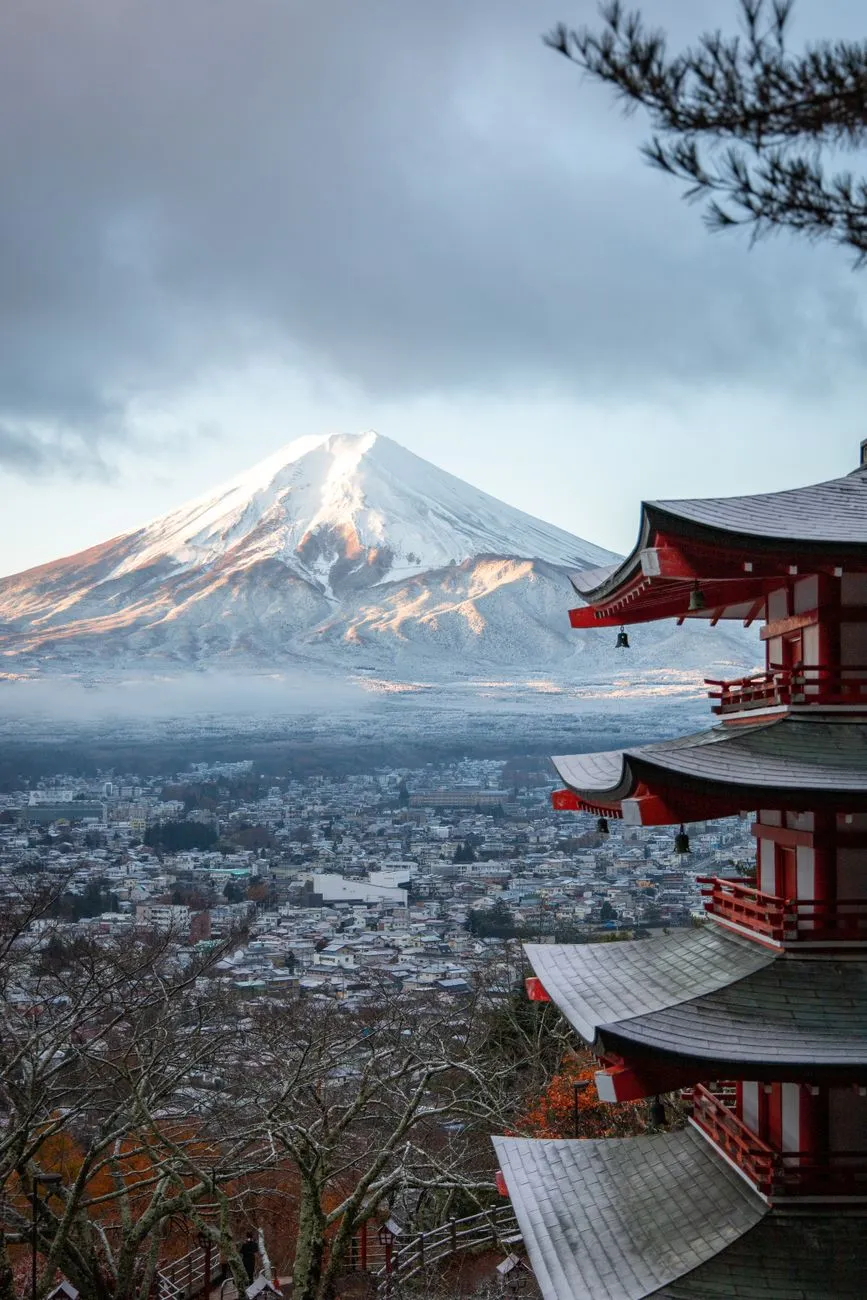
Japan: The Complete Guide for First-Time Visitors
Everything you need to know before flying to Japan: visa, transport, money, food, accommodation, and itineraries — the opening guide to our Japan series.
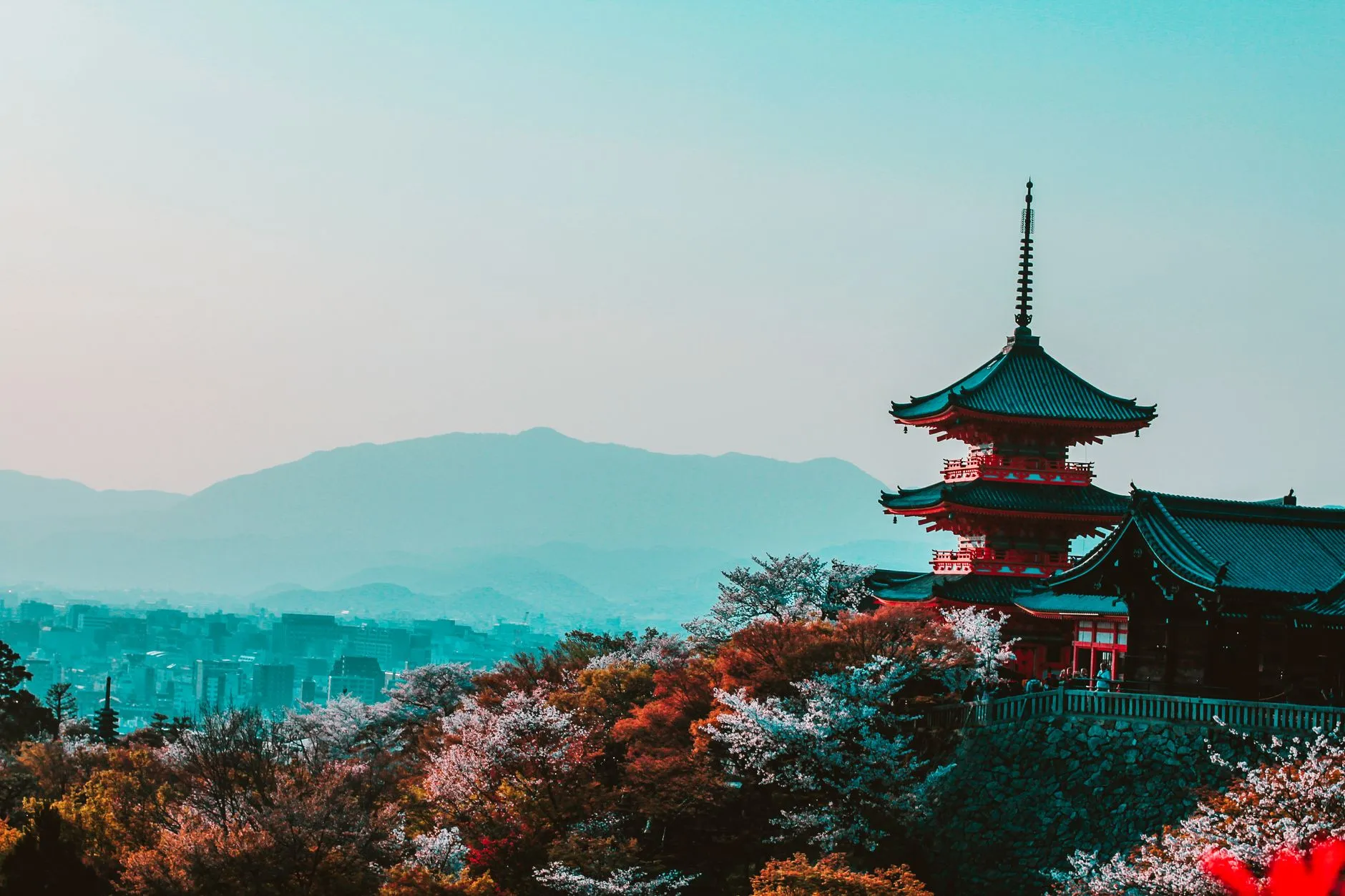
Kyoto: Guide to Temples, Neighbourhoods and Experiences
Everything you need for Kyoto: Fushimi Inari, the Golden Pavilion, Arashiyama, Gion, when to visit, how to get around, where to stay, and a recommended 2–3 day itinerary.
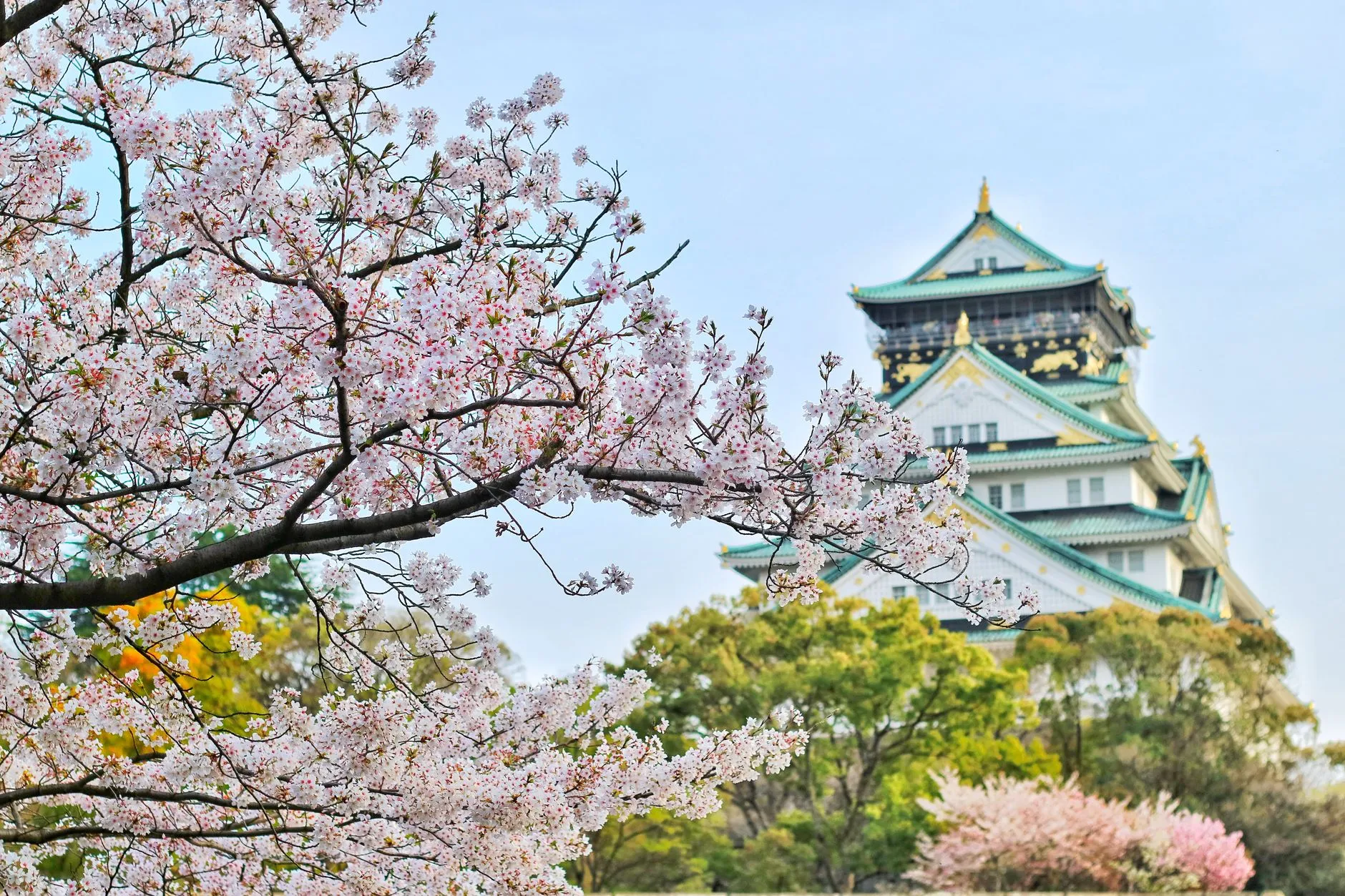
Osaka: Guide to Food, Nightlife and Attractions
Everything you need for Osaka: Dotonbori, Osaka Castle, Shinsaibashi, Universal Studios Japan, where to stay, and a recommended 2-day itinerary.