Cities in Japan
Osaka: Guide to Food, Nightlife and Attractions
This guide contains affiliate links. If you book through them we earn a small commission, at no extra cost to you. Affiliate Disclosure
Osaka is the city of people, food, and energy. Less formal than Tokyo, more direct and funnier, it embodies what the Japanese themselves call the “Osaka soul” — generosity, instant humour, and a genuine love of eating. Travellers arriving after Kyoto find less tradition and more life here.
Must-see attractions
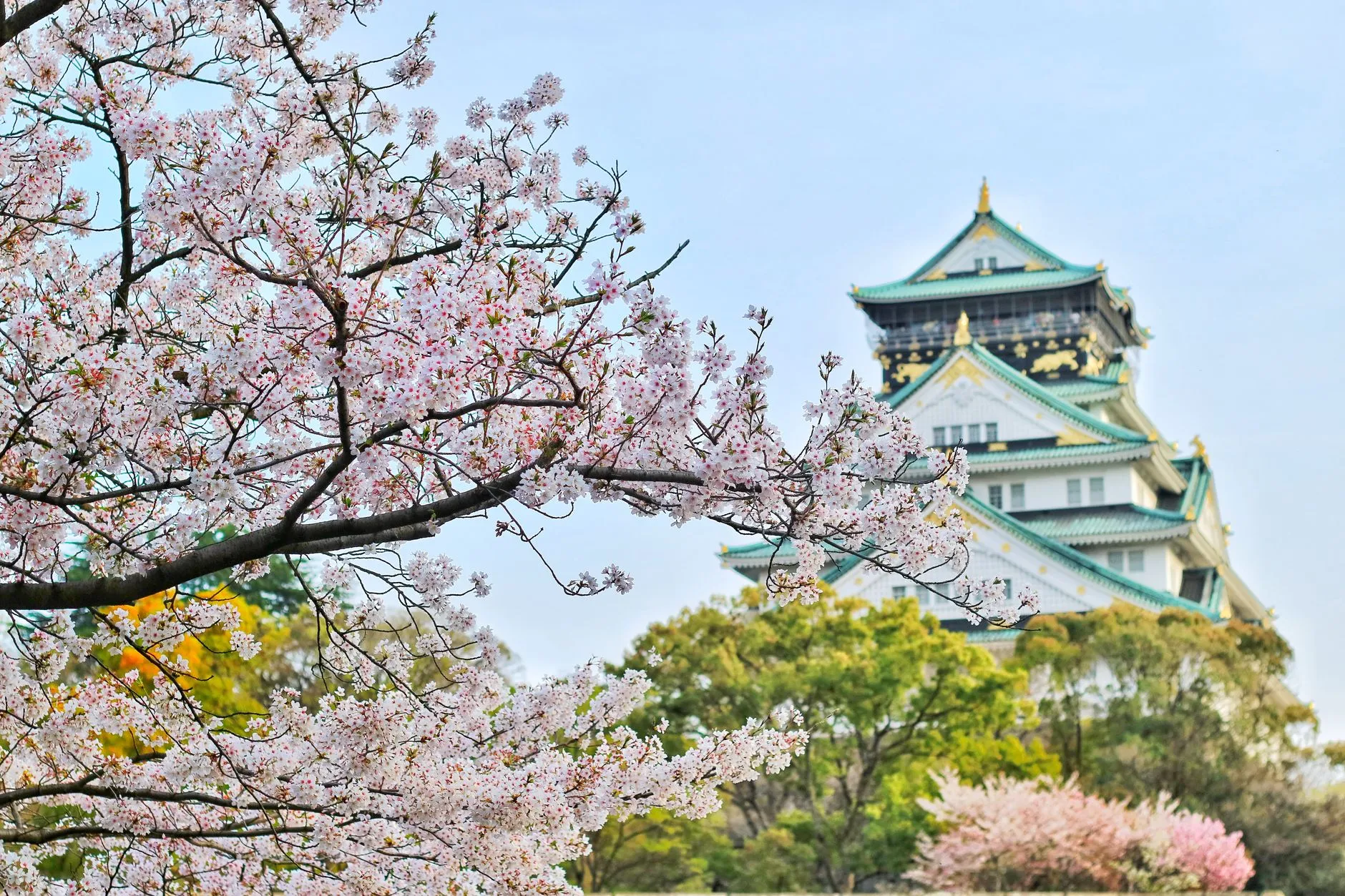
Osaka Castle (大阪城) — one of the city’s defining landmarks, surrounded by a wide park and water-filled moats. The museum inside tells the story of the samurai era. Particularly beautiful during cherry blossom season — tickets for Osaka Castle.
Dotonbori (道頓堀) — the beating heart of eating and nightlife: a central canal, iconic neon signs, restaurants and stalls packed side by side. Arrive hungry — takoyaki ¥400–600 (≈ $2.70–4), okonomiyaki ¥800–1,200 (≈ $5.30–8). Best after dark.
Shinsaibashi (心斎橋) — the main shopping district. Long pedestrian streets and covered arcades. A short walk from Dotonbori — easy to combine.
Umeda Sky Building (梅田スカイビル) — the “Floating Garden Observatory” with a 360° rooftop view. Good from sunset onwards — tickets for Umeda Sky Building.
Shinsekai and Tsutenkaku Tower (新世界・通天閣) — the retro district of old Osaka: street-food stalls, a vintage observation tower, and a neighbourhood that time half-forgot. Essential here: kushikatsu — deep-fried skewers; the iron rule: never double-dip in the shared sauce.
Kuromon Market (黒門市場) — a lively covered food market: fresh seafood, snacks, sweets, and fast dishes. Late morning to noon is the right time.
Kaiyukan Aquarium (海遊館) — one of Japan’s largest aquariums, excellent for families and rainy days.
Sumiyoshi Taisha (住吉大社) — one of Japan’s oldest Shinto shrines, with a beautiful arched bridge and a peaceful atmosphere well away from tourist crowds.
Universal Studios Japan (USJ) — a full-day theme park. Buy tickets in advance and consider an Express Pass during busy periods — tickets for USJ.
Where to stay
Namba — the pulsing heart of the city, Dotonbori within walking distance, hotels at every budget — hotels in Namba.
Umeda / North Osaka — the main rail hub, convenient for travel days. Strong selection of business hotels — hotels in Umeda.
Namba and Umeda offer a wide range of accommodation — from budget hostels and capsule hotels to full business hotels at various price points.
Food you cannot miss
Takoyaki — hot batter balls filled with octopus and topped with sweet sauce, ¥400–600 (≈ $2.70–4) for eight. Okonomiyaki — a savoury Japanese pancake with vegetables, meat, or seafood, ¥800–1,200 (≈ $5.30–8). Kushikatsu — breadcrumb-fried skewers, affordable per skewer. Osaka-style ramen — a mild dashi broth with generous toppings. Kuromon Market for hot street-side seafood bites.
Day trips from Osaka
Kyoto (15 minutes on the Shinkansen) — temples, Gion, and Fushimi Inari; a full day. Nara (45 minutes by train) — deer, the Great Buddha, and Kasuga Taisha. Kobe (30 minutes) — a port city with authentic Kobe beef and a nostalgic foreign settlement district.
2-day itinerary
Day 1 — Classic Osaka: Osaka Castle and the surrounding park in the morning → Kuromon Market for lunch → Shinsaibashi shopping → Dotonbori and okonomiyaki in the evening.
Day 2 — Entertainment and views: Shinsekai and kushikatsu in the morning → Sumiyoshi Taisha → Umeda Sky Building at sunset → a late dinner in the Namba streets.
From here you can carry on: read the Japan overview guide for a tour of all the regions, browse the itineraries for a full trip plan, or explore more destinations in the cities guide — including Kyoto and Nara.
Frequently asked questions
How many days should you give Osaka?
Two full days covers the highlights. Add a third for Universal Studios Japan. Osaka also works as an excellent base for day trips to Kyoto and Nara.
Is Osaka more expensive than Tokyo?
Generally not — street food is relatively cheap (takoyaki ¥400–600, okonomiyaki ¥800–1,200) and hotels in Namba can be competitive. Osaka is famous for high value eating.
What must you eat in Osaka?
Takoyaki (octopus balls), okonomiyaki (savoury pancake), kushikatsu (deep-fried skewers), and ramen. Dotonbori is the easiest starting point for all of the above.
How do you get to Osaka from elsewhere?
From Kyoto: 15 minutes on the Shinkansen. From Tokyo: around 2.5 hours on a Nozomi, which the JR Pass does not cover — with the pass you take a Hikari, about 3 hours. Kansai International Airport (KIX) connects to the city via the Haruka Express.
Related guides
Japan: The Complete Guide for First-Time Visitors
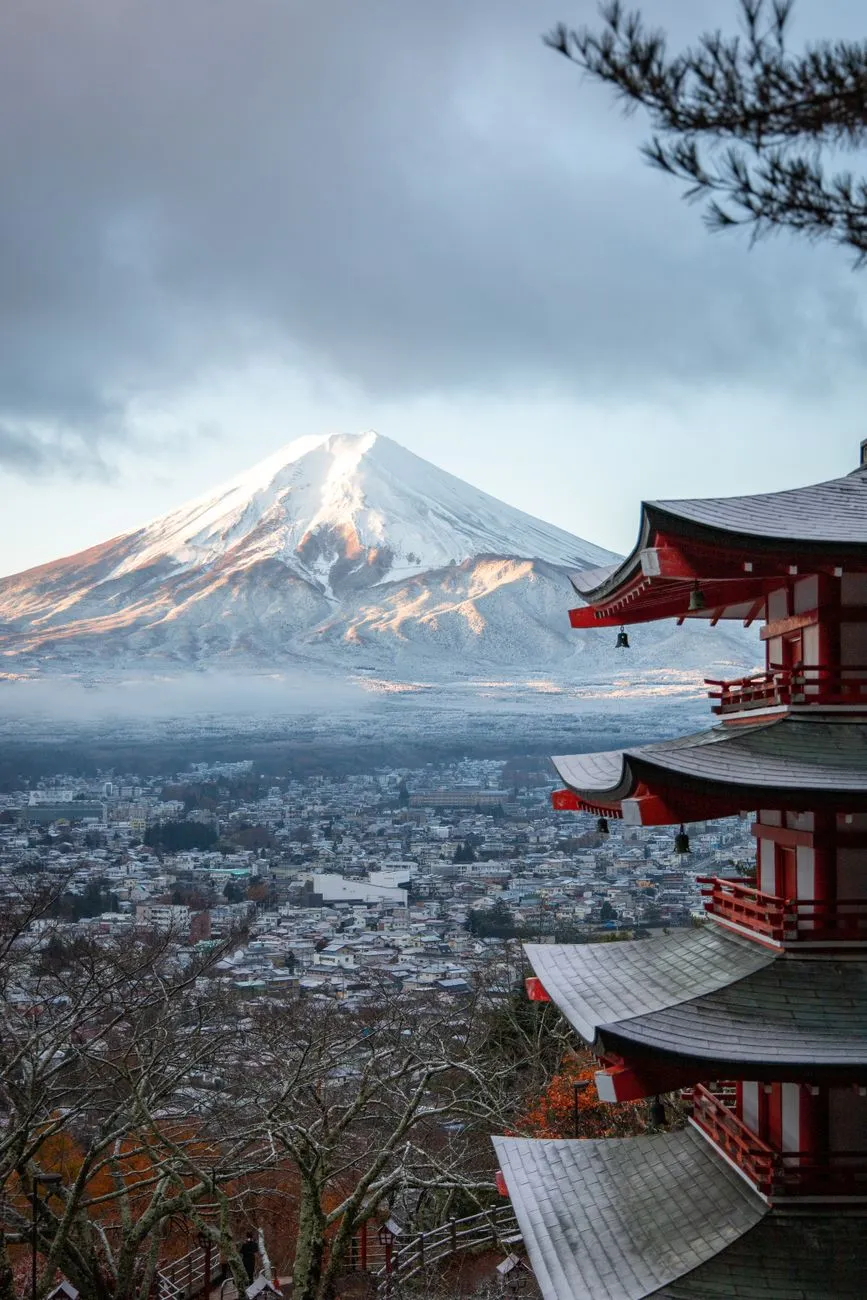
Everything you need to know before flying to Japan: visa, transport, money, food, accommodation, and itineraries — the opening guide to our Japan series.
Kyoto: Guide to Temples, Neighbourhoods and Experiences
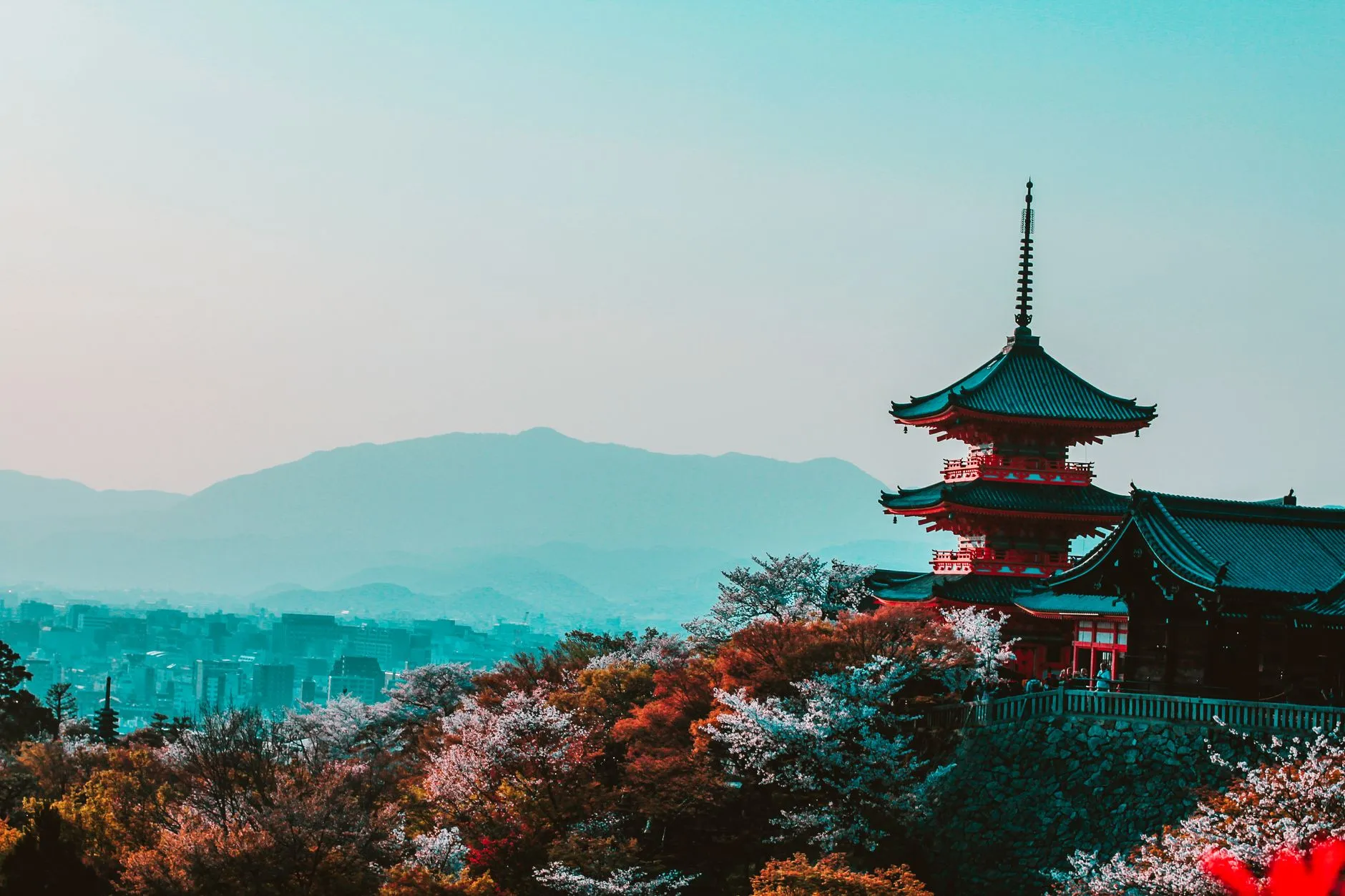
Everything you need for Kyoto: Fushimi Inari, the Golden Pavilion, Arashiyama, Gion, when to visit, how to get around, where to stay, and a recommended 2–3 day itinerary.
Nara: Deer, Temples and the Great Buddha
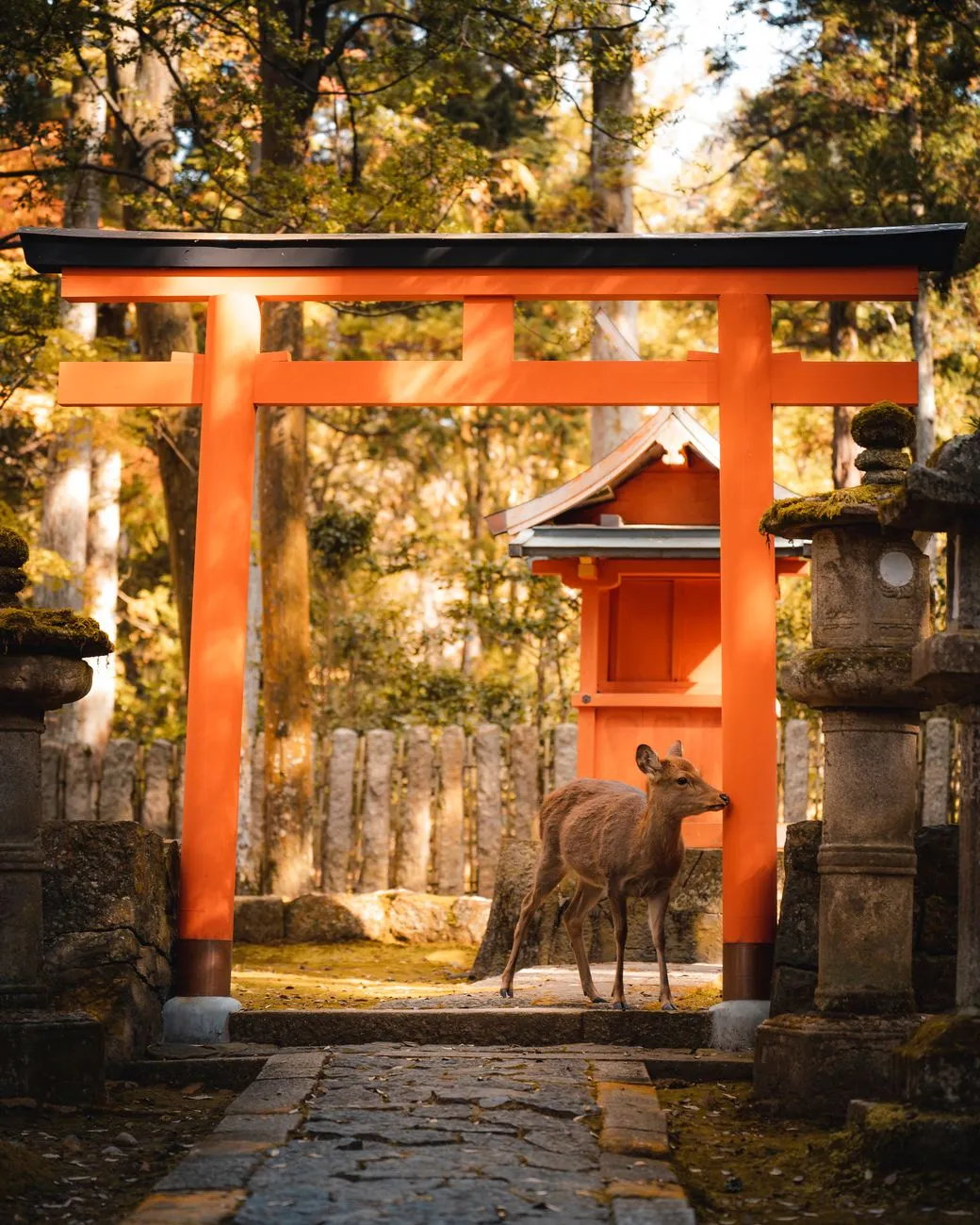
A complete guide to Nara: the deer park, Todai-ji temple, Kasuga Taisha shrine, and the Naramachi historic quarter. Perfect as a day trip from Kyoto or Osaka, or a quiet overnight stay.