Attractions and nature
Kyoto Temples and Gardens: Zen and Moss Guide
This guide contains affiliate links. If you book through them we earn a small commission, at no extra cost to you. Affiliate Disclosure
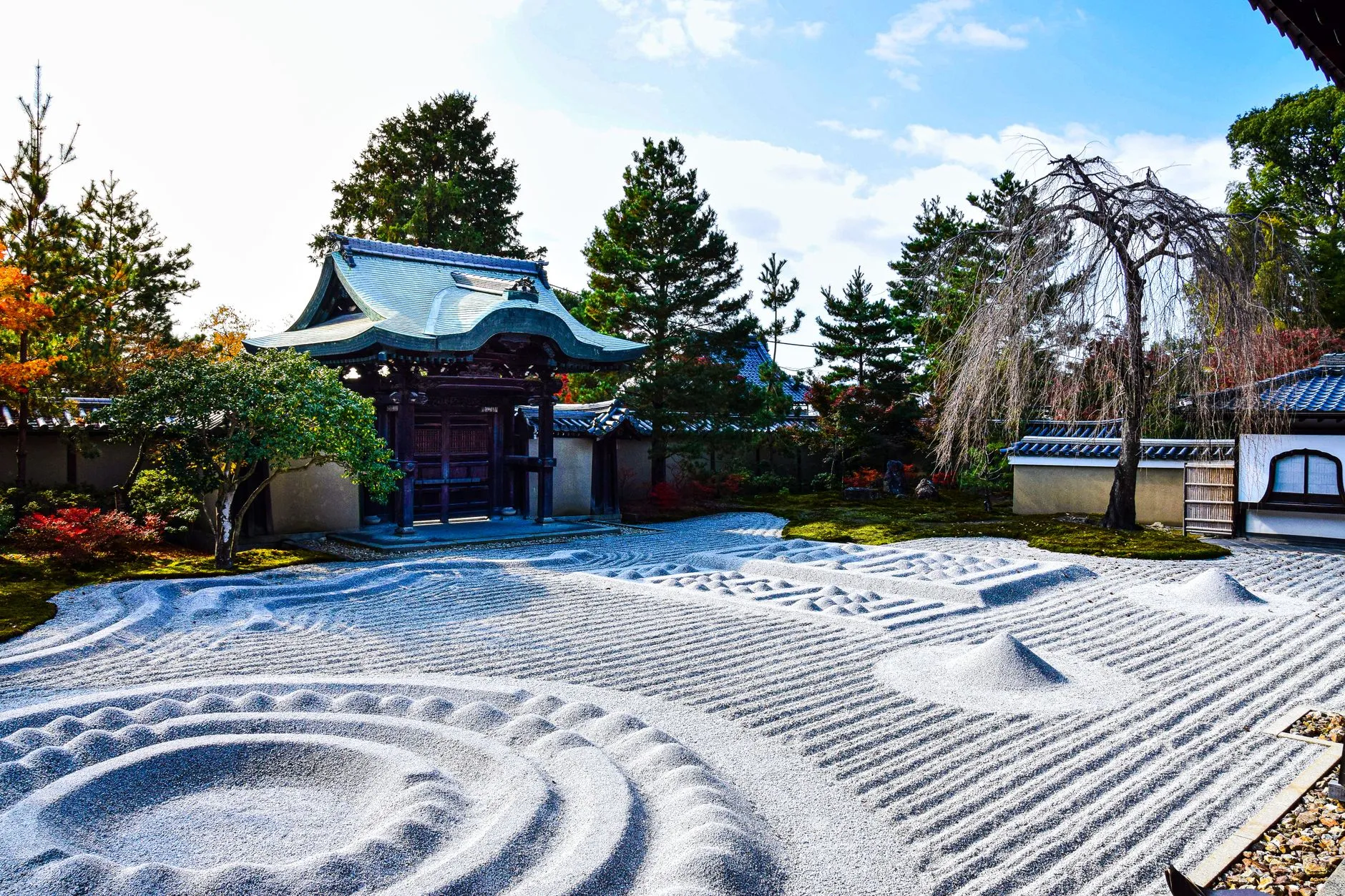
If Tokyo is a city of neon and movement, Kyoto is a city of temples and gardens. For centuries, monks and garden masters have shaped spaces here designed for reflection and calm — abstract rock gardens, reflective ponds, and green carpets of moss. Visiting Kyoto’s temple gardens is not just an exercise in beauty — it’s an experience of a different pace. This guide covers the types of gardens, which temples you must not miss, and how to experience them properly by season.
Types of Japanese Gardens
The Japanese garden has its own language, and it’s worth knowing the main styles:
- Karesansui (dry Zen garden): raked gravel representing water, with stones representing mountains or islands. The garden at Ryoan-ji is the classic example — minimalist and abstract.
- Chisen (pond garden): a garden built around a central pond with bridges and stones, designed to be “walked” around while views change.
- Roji (tea garden): a modest stone path leading to the teahouse, designed to create a calm transition from the outside world to the ceremony.
- Moss garden: a soft green carpet of dozens of moss species, especially beautiful after rain. Saiho-ji (Kokedera) is the most famous.
Temples and Gardens You Must Not Miss
The temple gardens every visitor to Kyoto should see:
- Ryoan-ji: the world’s most famous Zen rock garden — 15 stones on raked gravel, never all visible at once.
- Ginkaku-ji (Silver Pavilion): combines a meticulously designed gravel garden with a moss garden and a climbing hillside path.
- Saiho-ji (Kokedera): the “moss temple” with more than 120 species of moss — requires advance reservation and participation in a short ceremony before entry.
- Tenryu-ji in Arashiyama: a 14th-century pond garden that uses the mountains behind it as “borrowed scenery” (shakkei).
- Tofuku-ji: a vast complex with modern Zen gardens and a bridge over a maple-filled ravine — spectacular during autumn foliage.
For a complete Kyoto itinerary and how to connect the sites, see the complete Kyoto guide.
Gardens by Season
The gardens change character throughout the year. In spring (late March–April), cherry blossoms flower in Heian Shrine gardens and Maruyama Park. In autumn (mid-November–early December), Tofuku-ji and Eikando burn red and orange — among the most beautiful sights in Japan. During the rainy season (June), moss gardens reach their peak of green. In winter, a thin layer of snow on a Zen garden creates a quiet, rare picture. In any season — arrive early in the morning, when gardens are quiet and the light is soft.
Ritual, Meditation, and Temple Etiquette
A temple garden is a spiritual space, and a few simple rules will deepen the experience. Keep quiet and lower your voice; remove shoes when entering inner wooden halls and viewing verandas; and don’t photograph where signs prohibit it. In many temples you can sit on the veranda facing the garden and simply observe — that’s how the garden is meant to be experienced. Some temples also offer zazen (seated meditation) or a tea ceremony for visitors. Guided tours and tea ceremony experiences in Kyoto can be booked in advance for a deeper connection to the space.
The Philosophy Behind the Garden
Every Japanese garden embodies a worldview. The garden doesn’t try to copy nature as it is, but to distill it — to represent a mountain, sea, or forest through a few stones, gravel, and plants. The principle of shakkei (“borrowed scenery”) incorporates distant mountains into the composition. The deliberate asymmetry and use of empty space come from the aesthetic of wabi-sabi — beauty in simplicity, imperfection, and transience. Once you understand this, the rock garden transforms from a minimalist arrangement into a space for contemplation.
Lesser-Known Gardens Worth Visiting
Beyond the famous gardens, Kyoto is full of quiet gems without queues. Murin-an near Nanzen-ji is a modern water garden with a stream and views of the Higashiyama mountains. Shoden-ji offers a Zen garden with a borrowed view of Mount Hiei. Entsu-ji is celebrated for its perfect blend of garden and nature. And the small moss garden of Gio-ji in Arashiyama is an intimate and magical spot. If you’ve seen the big ones, these smaller gems will give you Kyoto without the crowds.
Buddhist Temple vs Shinto Shrine
In Kyoto you’ll encounter two types of religious sites, and it’s useful to distinguish them. A Buddhist temple (name ending in “-ji” or “-in,” like Kinkaku-ji) typically includes a prayer hall, Buddha statues, and a garden. A Shinto shrine (ending in “-jinja” or “-taisha,” like Fushimi Inari) is identified by the torii gate at the entrance and is dedicated to kami — spirits of nature. At a Shinto shrine, the custom is to rinse hands and mouth at the water basin, bow slightly, and clap hands in prayer. Both worlds coexist side by side.
If you have time for only one garden — Ryoan-ji early in the morning, when the gravel is freshly raked and the space is quiet. Return to the Japan travel guide to plan your full trip, and see the complete Kyoto guide to connect all the sites.
Frequently asked questions
Do I need to book tickets to the gardens in advance?
Only for Saiho-ji (Kokedera) — the other gardens are open for walk-in entry with payment on site.
How long does a garden visit take?
30–60 minutes per garden, but it's worth staying longer to sit and contemplate.
Which garden is best for a first visit?
Ryoan-ji for the classic Zen rock garden, or Tenryu-ji in Arashiyama for a pond garden with scenic views.
Are the gardens suitable for children?
Yes, but keep a calm pace and explain the silence rules in advance. For overall Kyoto planning, see the complete Kyoto guide.
Related guides
Japan: The Complete Guide for First-Time Visitors
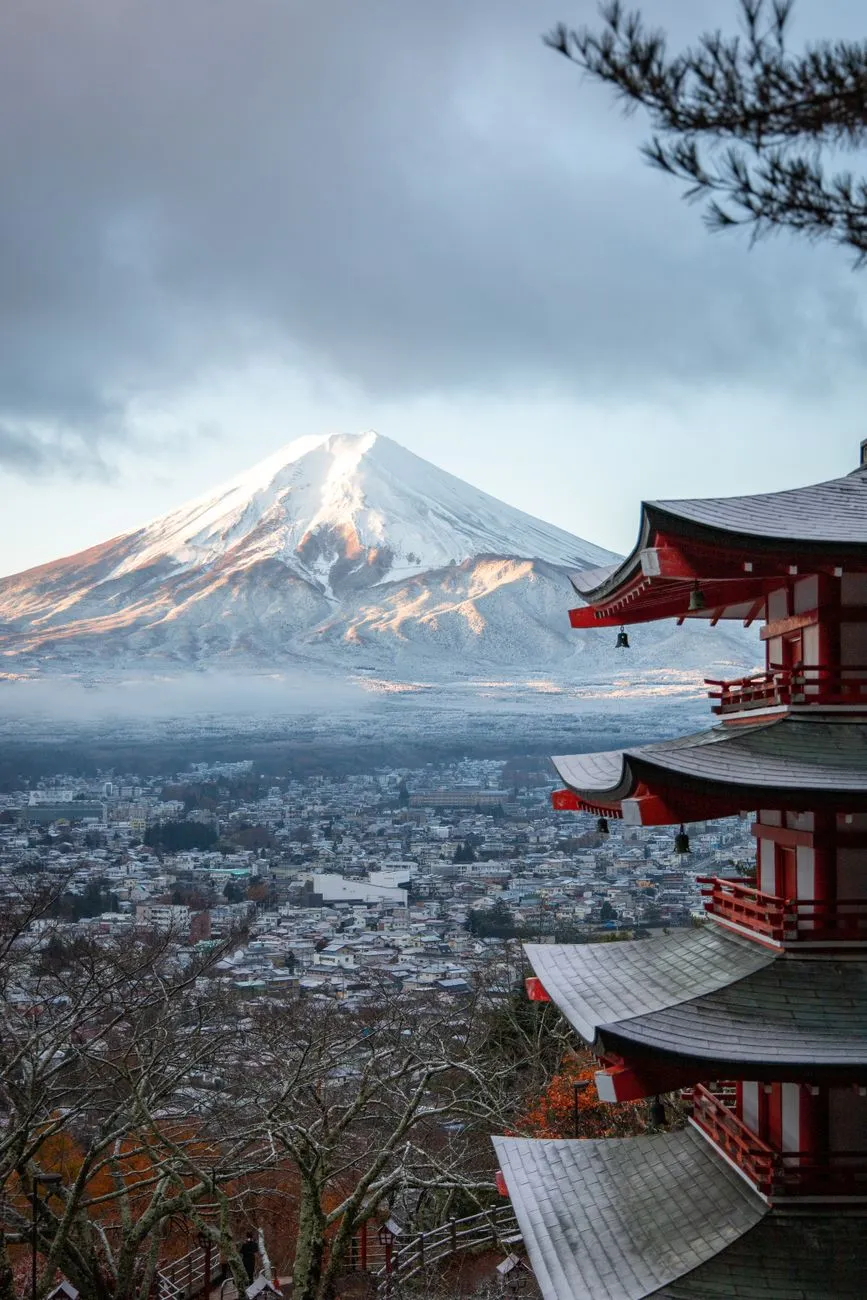
Everything you need to know before flying to Japan: visa, transport, money, food, accommodation, and itineraries — the opening guide to our Japan series.
Kyoto: Guide to Temples, Neighbourhoods and Experiences
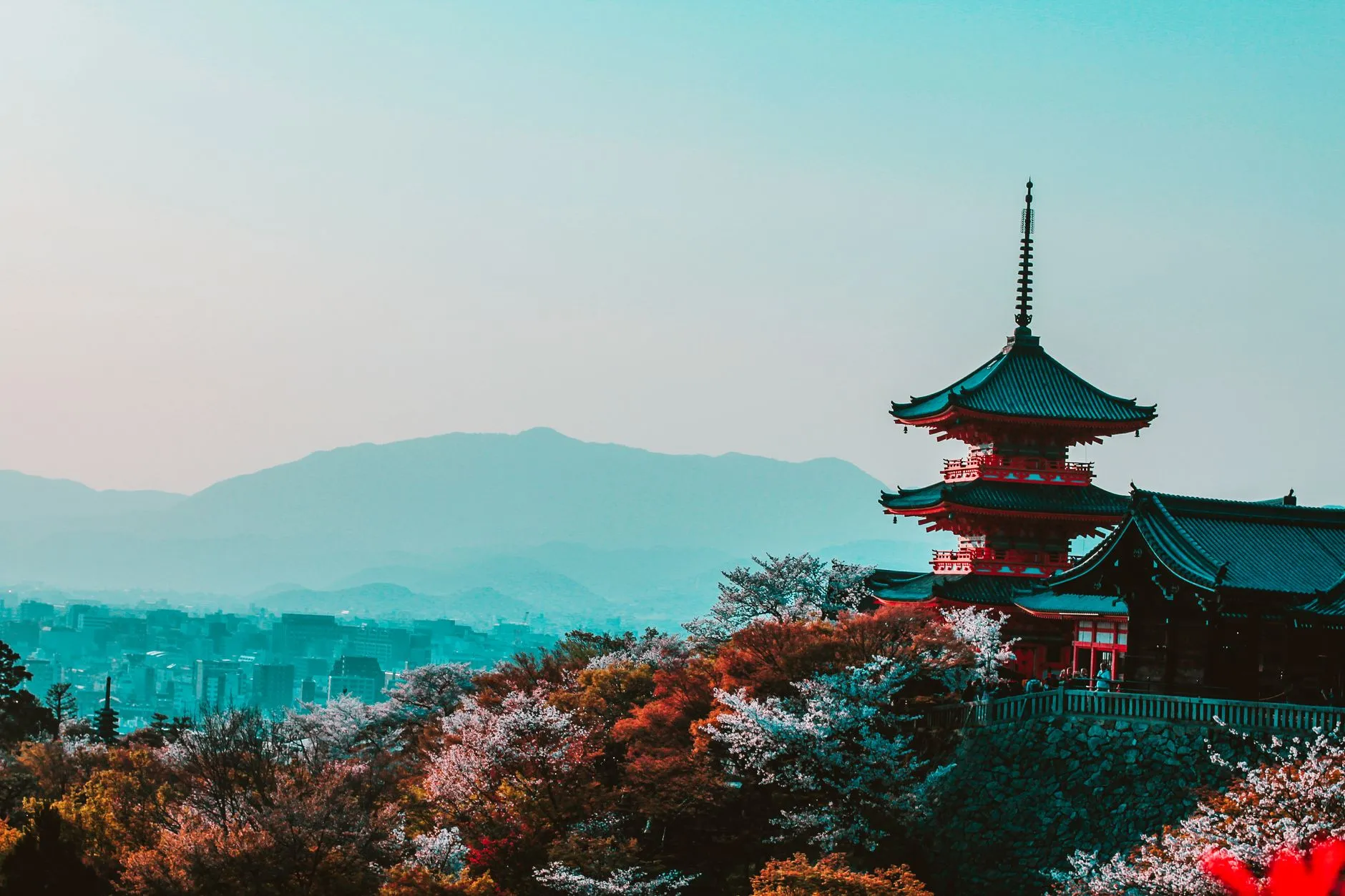
Everything you need for Kyoto: Fushimi Inari, the Golden Pavilion, Arashiyama, Gion, when to visit, how to get around, where to stay, and a recommended 2–3 day itinerary.