Japanese food
Osaka Food Guide: Dotonbori, Takoyaki and Kuromon
This guide contains affiliate links. If you book through them we earn a small commission, at no extra cost to you. Affiliate Disclosure
If Kyoto is the city of temples, Osaka is the city of food. Locals sum up their attitude in one word — kuidaore, “eat until you drop.” Osaka is Japan’s culinary capital: street stalls, neon-lit alleys, and tiny restaurants each specializing in a single dish. This guide covers the must-try dishes, where to eat them, and how to do it like a local — because in Osaka, the meal is the main attraction.
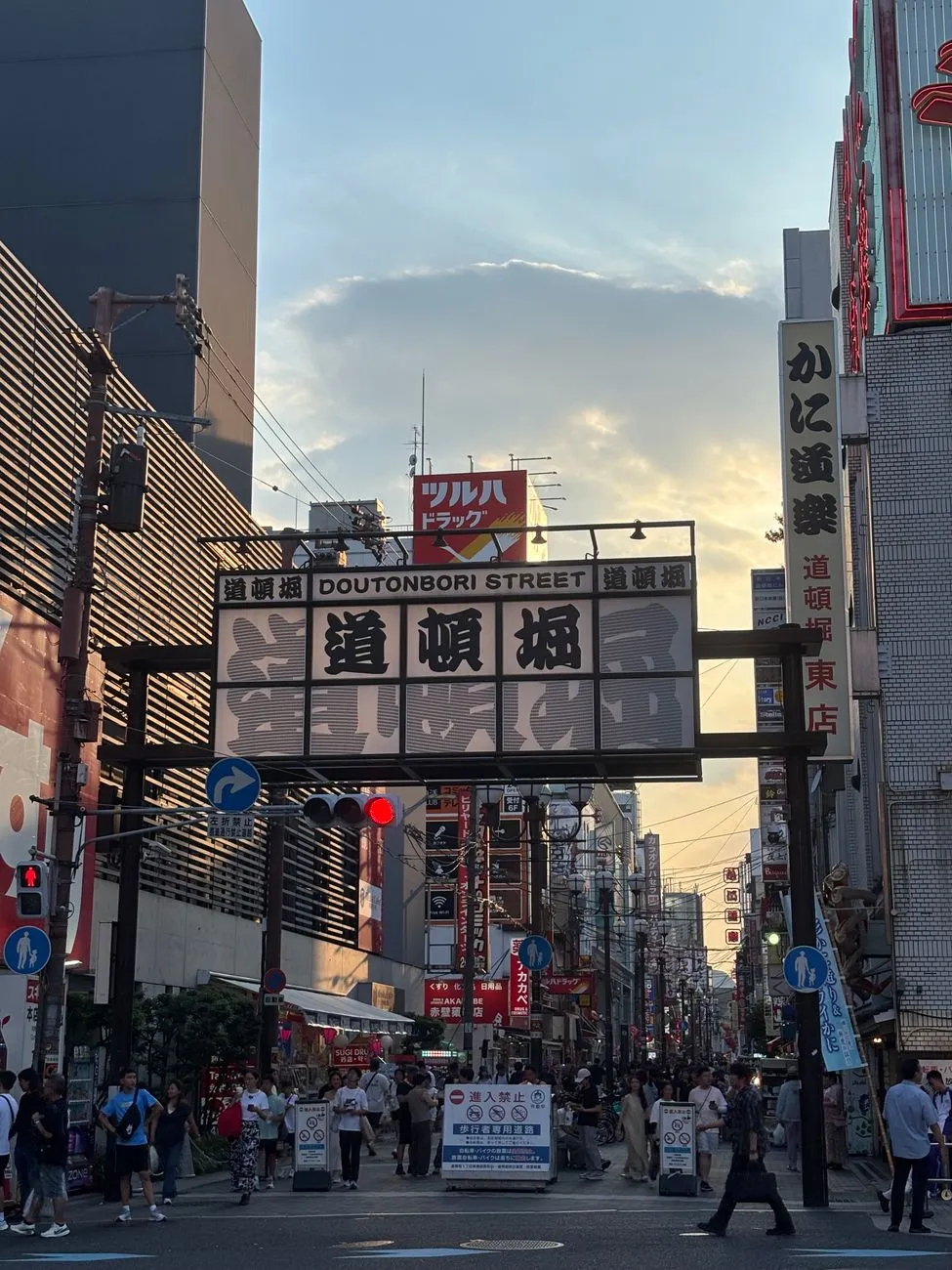
Dotonbori — The Heart of Osaka’s Food Scene
Dotonbori is Osaka’s beating heart, especially at night. Along the canal, enormous neon signs reflect in the water — topped by the famous Glico running man with arms raised, the city’s icon. The main street is packed with stalls and restaurants, with 3D signs of a giant crab, a dragon, and a puffer fish. Here you’ll find all of Osaka’s classic dishes in one place, from takoyaki to okonomiyaki. Come hungry, bring cash, and plan to eat on the move.
Dishes You Must Try
The dishes you cannot leave Osaka without:
- Takoyaki: batter balls filled with octopus, grilled in a special pan and topped with sauce, mayo, and bonito flakes — the street food most associated with Osaka.
- Okonomiyaki: a savory “pancake” with cabbage, batter, and toppings of your choice, griddled on a teppan right in front of you.
- Kushikatsu: skewers of meat, vegetables, and seafood in crispy panko breading, dipped in shared sauce — iron rule: no double-dipping! Especially popular in the Shinsekai area.
- Kitsune udon: udon noodles in broth with sweet fried tofu — a comforting local dish.
- Ramen and pastries: Osaka is also a paradise for ramen and diverse street cuisine. Don’t miss sweet pastries like taiyaki.
Okonomiyaki and Takoyaki — Symbols of the City
The two dishes that have become Osaka’s symbols deserve explanation. Okonomiyaki (the name means “grill what you like”) is a batter of flour, egg, and grated cabbage with meat, seafood, or cheese, griddled on a teppan and topped with brown sauce, mayo, and seaweed. Takoyaki is baked in a special hemispherical pan — crispy outside while the inside stays soft and molten. In both cases, part of the fun is watching the preparation. Many restaurants let you grill your own on a teppan at the table.
Where to Eat — Recommended Neighborhoods
- Dotonbori and Namba: the largest concentration of stalls and restaurants, ideal for your first evening. Stay near the food scene in Namba.
- Shinsekai: retro and colorful district around Tsutenkaku Tower — the kushikatsu capital.
- Kuromon Market: “Osaka’s kitchen,” a covered market with fresh food stalls (details below).
- Umeda (Kita): modern business district with restaurant floors in shopping centers — convenient for quality food in any weather.
Kuromon Market — Osaka’s Kitchen
Kuromon Ichiba Market has been “Osaka’s kitchen” for over a century. A covered alley several hundred meters long, packed with stalls of fish, meat, fruit, pickles, and ready-made food. Here you can taste fresh sashimi, grilled scallops, wagyu slices, premium fruit, and pudding — all on the spot, while walking. Come in the morning or midday when the stalls are active. A great opportunity to try a wide variety in small portions.
Food Experiences Beyond the Stalls
Beyond street stalls, Osaka offers diverse food experiences. Try a standing sushi bar for a quick, fresh meal, or conveyor-belt sushi (kaiten) which is especially fun with kids. An izakaya-hopping evening — moving between small Japanese pubs with sharing plates and beer — is a great way to experience local culture. Guided food tours in Osaka let you cover multiple neighborhoods with cultural context included. And for accessible luxury: depachika, the food halls in the basements of Umeda department stores, are a paradise of delicacies, bento, and high-quality desserts.
Sweets and Desserts
Osaka doesn’t stop at savory dishes — there’s a whole world of sweets. Don’t miss Rikuro’s cheesecake, a fluffy, warm Japanese-style cheesecake with lines near Namba. Try taiyaki (fish-shaped pastry filled with red bean paste or cream), soft-serve ice cream in Japanese flavors, and elaborate fruit parfaits. Melon pan (sweet melon bun) and dango (rice cake skewers) appear on every corner. Save room after the savory round — desserts here are an experience in their own right.
Getting There and When to Visit
Osaka is very close: from Kyoto it’s 15 minutes by shinkansen or about 40 minutes by local train; from Tokyo about 2.5 hours by shinkansen. Within the city, the Midosuji subway line connects Umeda (Kita) in the north with Namba and Dotonbori (Minami) in the south — the two main food hubs. Most food areas are walkable from Namba or Shinsaibashi stations. The best time for the street food experience is evening, when stalls and neon reach their peak, but Kuromon Market operates during the day. Tip: many combine Osaka as a day trip from Kyoto, but one night in the city is worth it for the nightlife and late-night eating.
One evening in Osaka? Start at Dotonbori with takoyaki and okonomiyaki, move to kushikatsu in Shinsekai, and finish at a small noodle bar. Have a day? Add a morning at Kuromon Market. See also the Japan travel guide and the Japanese food guide for the full picture.
Frequently asked questions
How much time do I need to eat my way through Osaka?
One evening in Dotonbori gives you a taste, but two days lets you cover Shinsekai and Kuromon as well.
When is the best time to visit Dotonbori?
At night, when the neon signs are lit and the atmosphere is at its peak.
Can vegetarians eat in Osaka?
Partially — vegetable okonomiyaki and kushikatsu are possible, but many dishes contain fish or bonito; it's worth asking.
Do I need a reservation?
Generally no for street stalls, but popular sit-down restaurants in the evening benefit from arriving early or booking.
Related guides
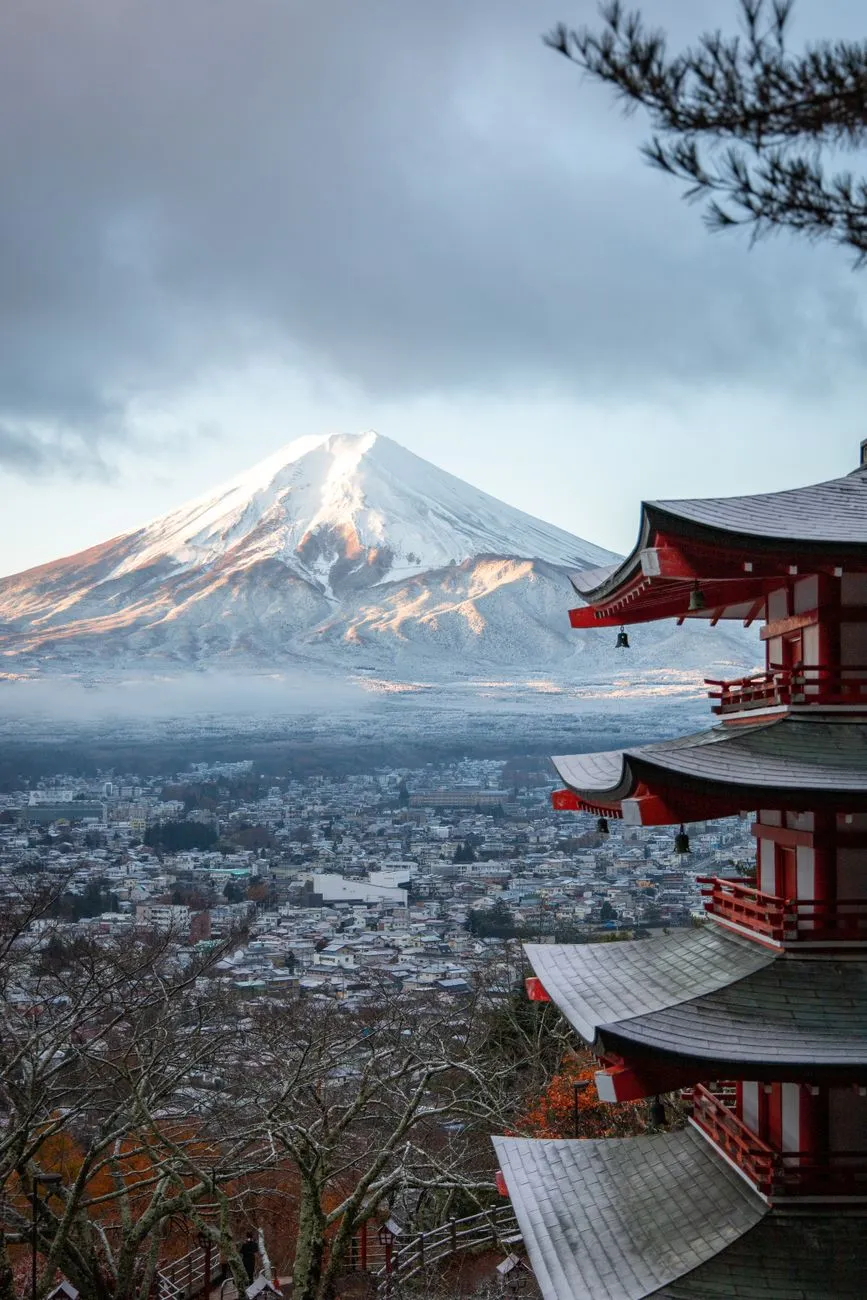
Japan: The Complete Guide for First-Time Visitors
Everything you need to know before flying to Japan: visa, transport, money, food, accommodation, and itineraries — the opening guide to our Japan series.
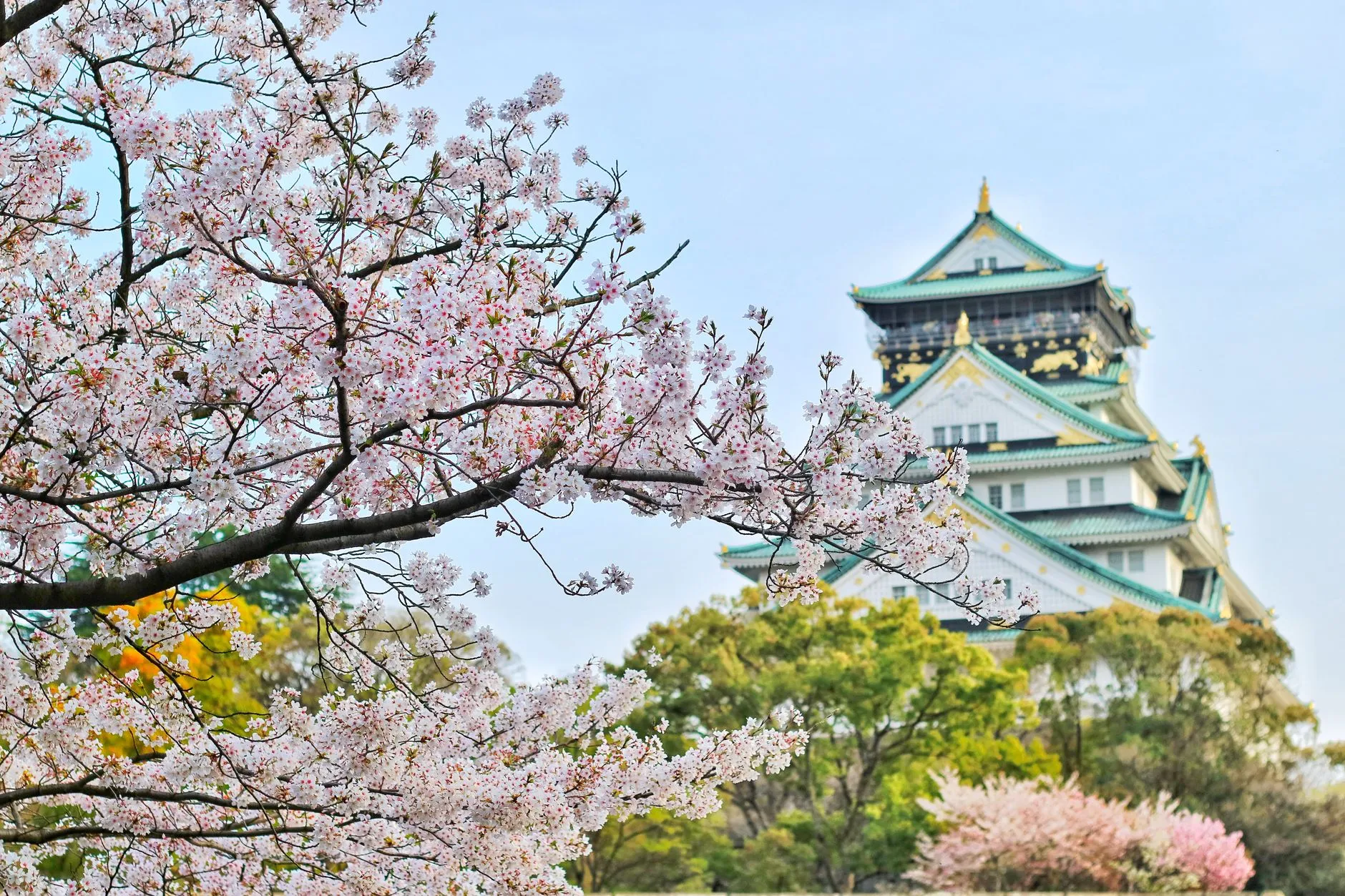
Osaka: Guide to Food, Nightlife and Attractions
Everything you need for Osaka: Dotonbori, Osaka Castle, Shinsaibashi, Universal Studios Japan, where to stay, and a recommended 2-day itinerary.
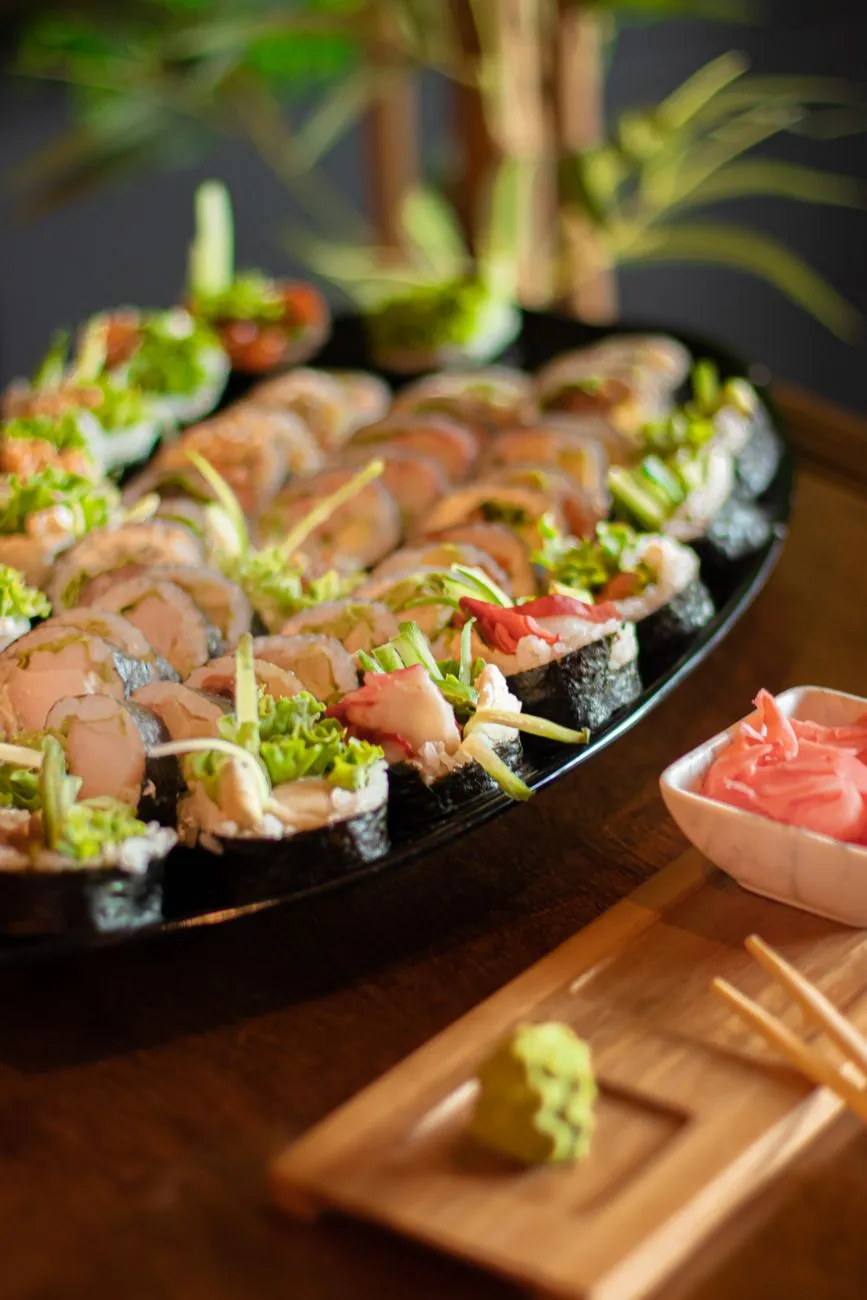
Japanese Food Guide: What to Eat and Where
Complete guide to Japanese food: sushi, ramen, street food, kaiseki, izakaya, regional specialties, konbini, vegetarian options, and dining etiquette.
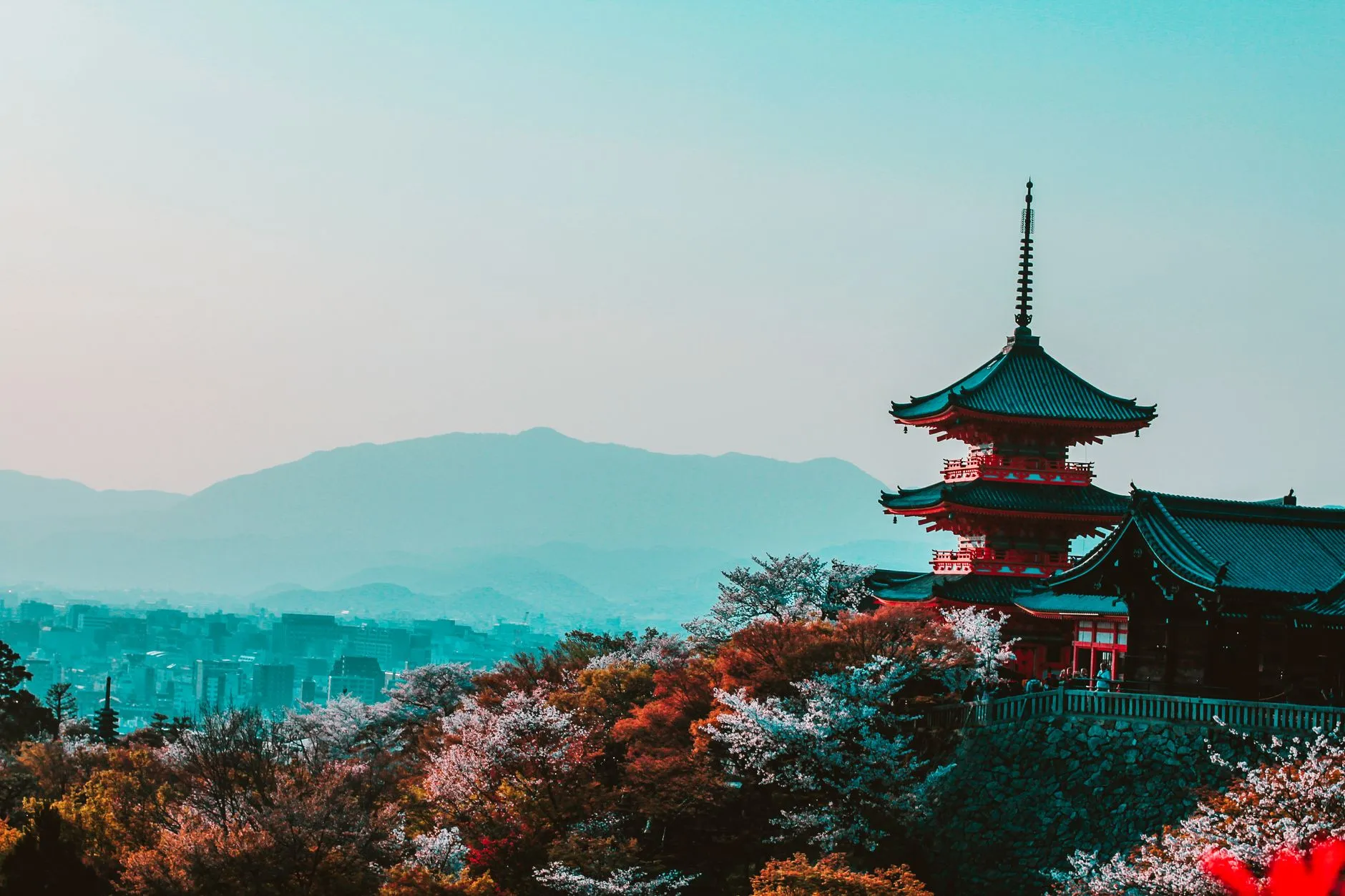
Kyoto: Guide to Temples, Neighbourhoods and Experiences
Everything you need for Kyoto: Fushimi Inari, the Golden Pavilion, Arashiyama, Gion, when to visit, how to get around, where to stay, and a recommended 2–3 day itinerary.