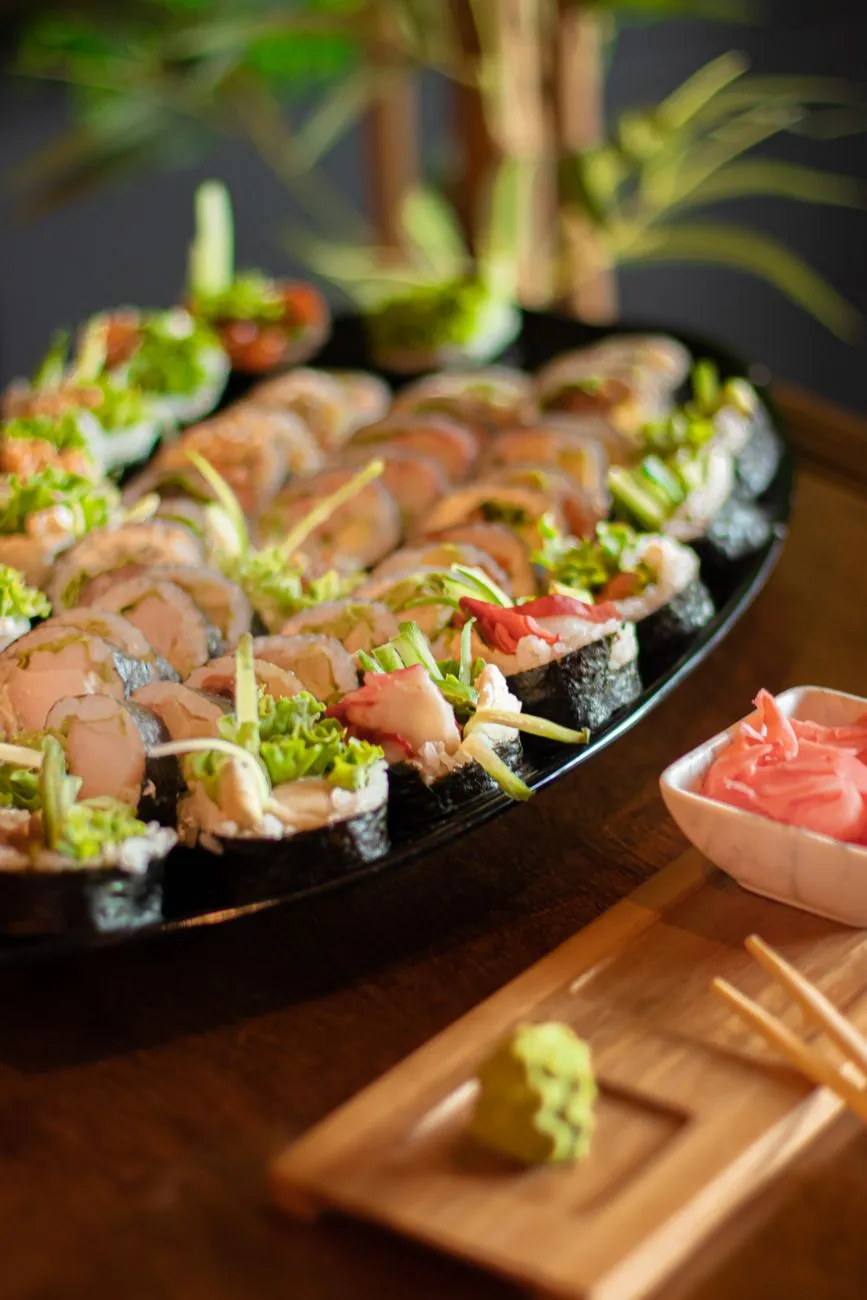
Japanese food
Japanese Food Guide: What to Eat and Where
This guide contains affiliate links. If you book through them we earn a small commission, at no extra cost to you. Affiliate Disclosure
One of the biggest reasons to fly to Japan is the food. Japanese cuisine (washoku) has been recognized as a UNESCO cultural heritage, and it is far more than sushi: steaming ramen, street food, delicate kaiseki dinners, and surprisingly good konbini snacks. Japanese food is built on freshness, seasonality, balance, and visual beauty. Want to go deeper into one region? See our Osaka food guide.
Japanese Cuisine in Brief
Japanese cooking follows a simple principle: fresh, seasonal ingredients processed minimally to preserve their natural flavor. The foundations are rice, fish, vegetables, soy, and seaweed. The fifth taste, umami, was identified in Japan and comes from dashi broth, miso, and soy sauce. A traditional Japanese meal emphasizes balance of flavors, colors, and textures — eating is an experience for all the senses.
Sushi and Sashimi
Sushi is perhaps Japan’s most famous dish: lightly seasoned rice topped with fresh fish. Sashimi is raw fish served alone, without rice. For an authentic experience, visit a small sushi-ya or a conveyor-belt sushi restaurant (kaiten-zushi) for a fun, affordable meal. Tuna (maguro), salmon, and salmon roe (ikura) are classics. The outer market at Tsukiji in Tokyo is excellent for fresh sushi at breakfast.
Ramen and Noodles
Ramen is arguably tourists’ favorite dish: wheat noodles in a rich broth with slices of pork (chashu), a soft-boiled egg, and green onion. Every region has its own style — tonkotsu (pork bone broth) in Fukuoka, miso in Hokkaido, shoyu in Tokyo. Beyond ramen, try udon (thick noodles) and soba (buckwheat noodles). You order at a ticket machine by the entrance — fast and cheap.
Street Food
Japanese street food is a celebration, especially in Osaka (the food capital). Don’t miss takoyaki (octopus balls), okonomiyaki (savory pancake), yakitori (chicken skewers), taiyaki (fish-shaped waffle with filling), and dango. Festival stalls (yatai) and covered markets like Dotonbori and Kuromon are perfect — see the Osaka guide.
Tempura, Tonkatsu, and Fried Dishes
The Japanese are masters of light, crispy frying. Tempura is vegetables and seafood in an airy batter, deep-fried to a delicate crunch. Tonkatsu is a breaded pork cutlet in panko crumbs, served with shredded cabbage and a thick sauce. Kara-age is juicy Japanese fried chicken. These are typically served with rice, miso soup, and pickles — a complete, satisfying meal.
Washoku and Kaiseki
For the most traditional and refined experience, try kaiseki — a multi-course seasonal meal rooted in the tea ceremony. Each small dish is served in a fitting vessel and reflects the season. It is expensive but unforgettable, common in ryokan and in Kyoto. Basic washoku consists of rice, soup, fish, and pickles — a balanced home-style meal. See the Kyoto guide.
Izakaya and Drinking Culture
An izakaya is a Japanese pub — the place locals go after work for food and drinks. You order small sharing dishes: edamame, yakitori, sashimi, tempura, and more, with beer, sake, or highball. The atmosphere is lively and friendly. Say “kanpai” (cheers) before drinking. The Golden Gai district in Tokyo is a legendary izakaya experience.
Food by Region
Every region of Japan has a culinary specialty. Osaka is the capital of street food. Kyoto specializes in delicate cuisine, tofu, and kaiseki. Hokkaido is famous for fresh seafood, dairy, and miso ramen. Fukuoka for tonkotsu ramen. Part of the pleasure of the trip is tasting local specialties in each city.
Konbini and Budget Eating
Convenience stores (konbini) — 7-Eleven, Lawson, and FamilyMart — are a true Japanese institution. They offer fresh, quality food at low prices: rice balls (onigiri), sandwiches, bento boxes, hot soups, and pastries. Perfect for breakfast, train journeys, or a quick meal. Chains like Yoshinoya (beef bowls) are also cheap and good — you can eat well on a tight budget.
Vegetarians and Vegans
Since dashi (fish broth) appears in almost everything, vegetarianism in Japan is challenging but possible. Look for shojin ryori restaurants (Buddhist temple cuisine, fully vegan), Indian food, and tofu dishes. Major cities offer more options. Learn the phrase “no meat and no fish” in Japanese, or use apps like HappyCow. Konbini also carry marked vegetarian options.
Basic Dining Etiquette
A few rules: don’t stick chopsticks upright in a bowl of rice (it resembles a funeral ritual), don’t pass food chopstick-to-chopstick, and it’s fine — even encouraged — to slurp ramen loudly. No tipping. Say “itadakimasu” before eating and “gochisosama” after. See the full etiquette guide.
Where and When to Eat — and Cooking Classes
Look for restaurants with a local queue — a reliable quality signal. Ticket machines at the entrance solve the language barrier. Meal times: lunch 11:30–14:00 (cheap set menus), dinner 18:00–22:00. Book ahead for high-end restaurants. Carry cash — many small restaurants are card-free. See the money guide.
Want to bring a piece of Japanese cuisine home? Japanese cooking classes and food experiences are a great way to learn: make sushi, ramen, or okonomiyaki with a local chef, usually with a market visit. Fun for families and solo travelers alike.
And if the real barrier is simply getting through the door, a guided food tour is what changes that. Tiny alleyway izakaya, restaurants with no English menu, and stalls whose queue is entirely local are exactly the places that are hard to enter alone, and a guide opens them — food tours in Tokyo and Osaka. Especially worthwhile on the first evening, before you can read a menu.
Food is one of the strongest memories from a trip to Japan. From simple sushi to sophisticated kaiseki, from comforting ramen to a konbini snack — every meal is an experience. Return to the Japan travel guide to plan your full trip.
Frequently asked questions
Is food in Japan expensive?
Not necessarily — you can eat well for ¥800–1,500 per meal (≈ $5–10) at ramen shops, konbini, or chain restaurants, or spend much more on kaiseki.
Do restaurants in Japan speak English?
Not always, but picture menus and ticket vending machines make ordering easy even without shared language.
Is tipping expected in Japan?
No — tipping is not customary in Japan and can even confuse staff.
Can I find non-Japanese food?
Absolutely — major cities offer diverse international cuisine including Indian, French, and Italian.
Related guides
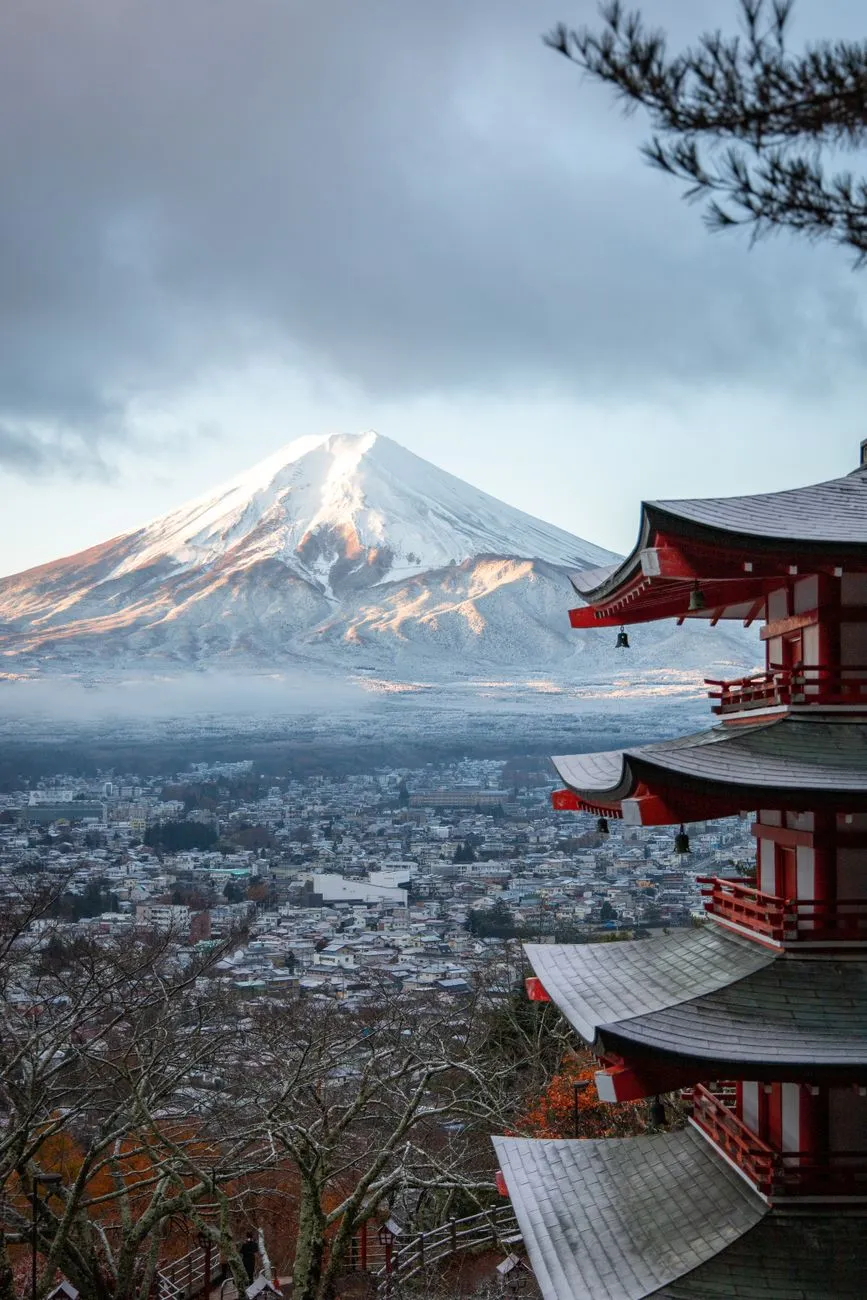
Japan: The Complete Guide for First-Time Visitors
Everything you need to know before flying to Japan: visa, transport, money, food, accommodation, and itineraries — the opening guide to our Japan series.
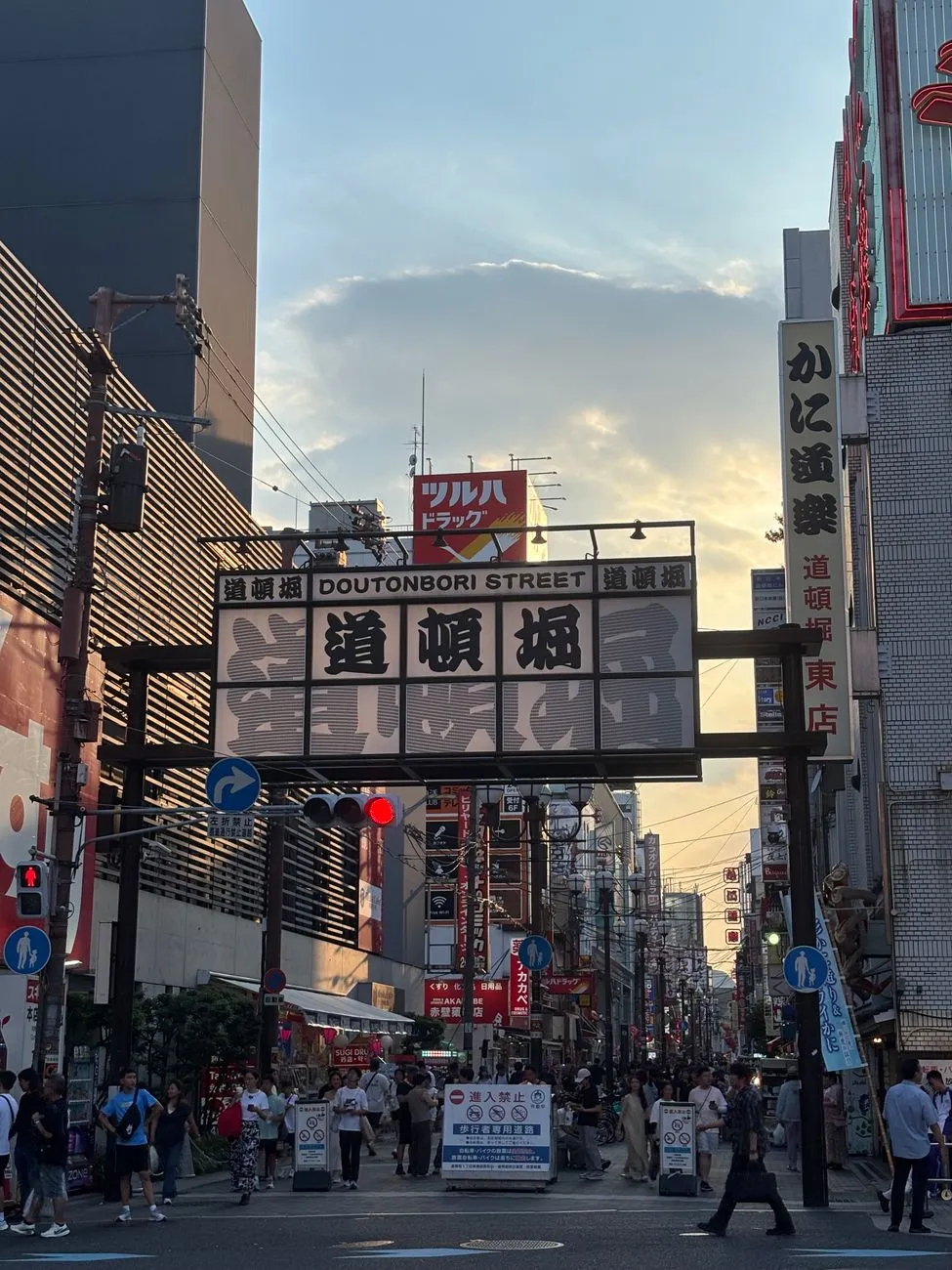
Osaka Food Guide: Dotonbori, Takoyaki and Kuromon
Complete guide to eating in Osaka: Dotonbori, takoyaki, okonomiyaki, and kushikatsu — where to eat, Kuromon Market, and tips for eating like a local.
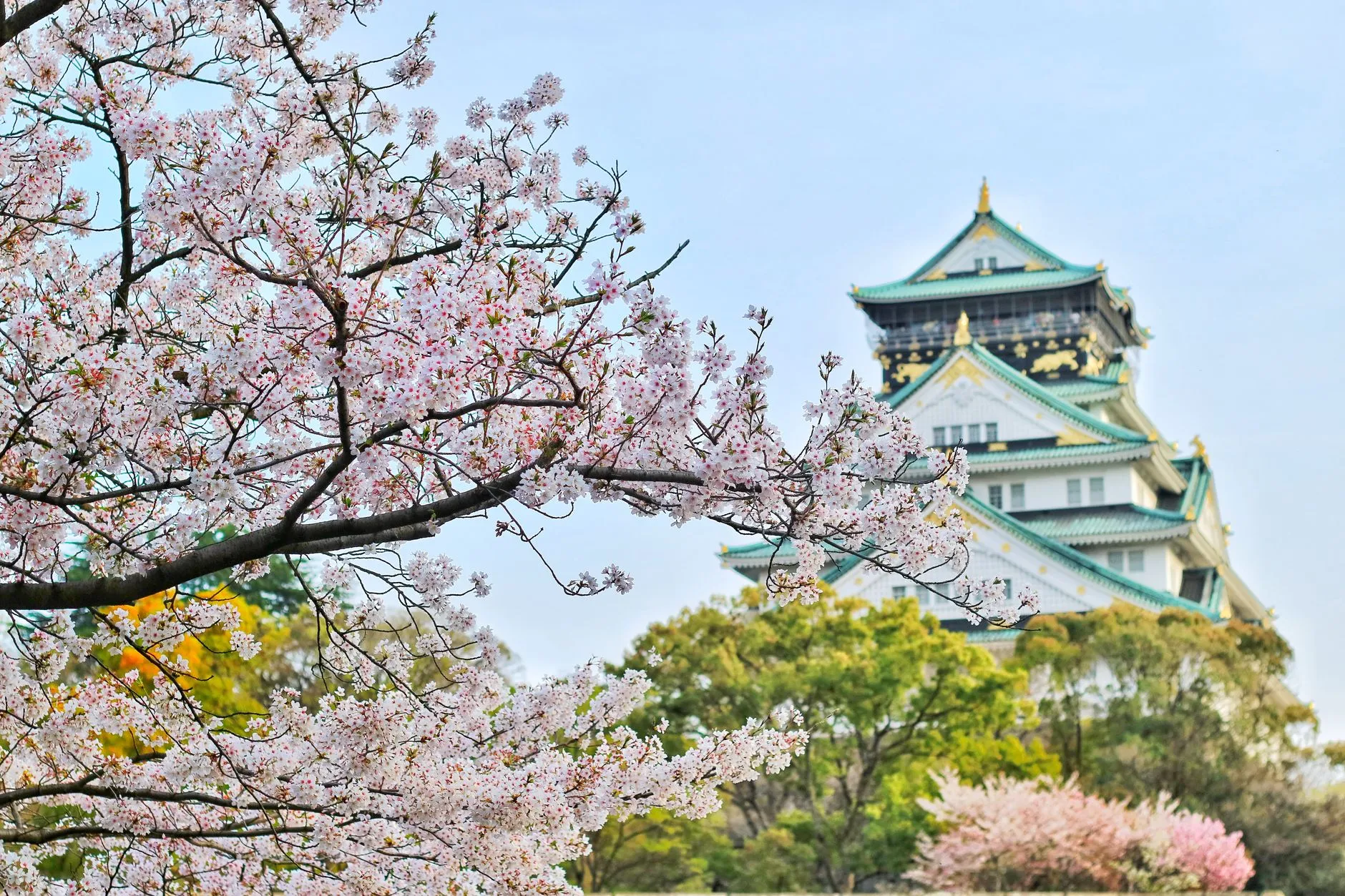
Osaka: Guide to Food, Nightlife and Attractions
Everything you need for Osaka: Dotonbori, Osaka Castle, Shinsaibashi, Universal Studios Japan, where to stay, and a recommended 2-day itinerary.
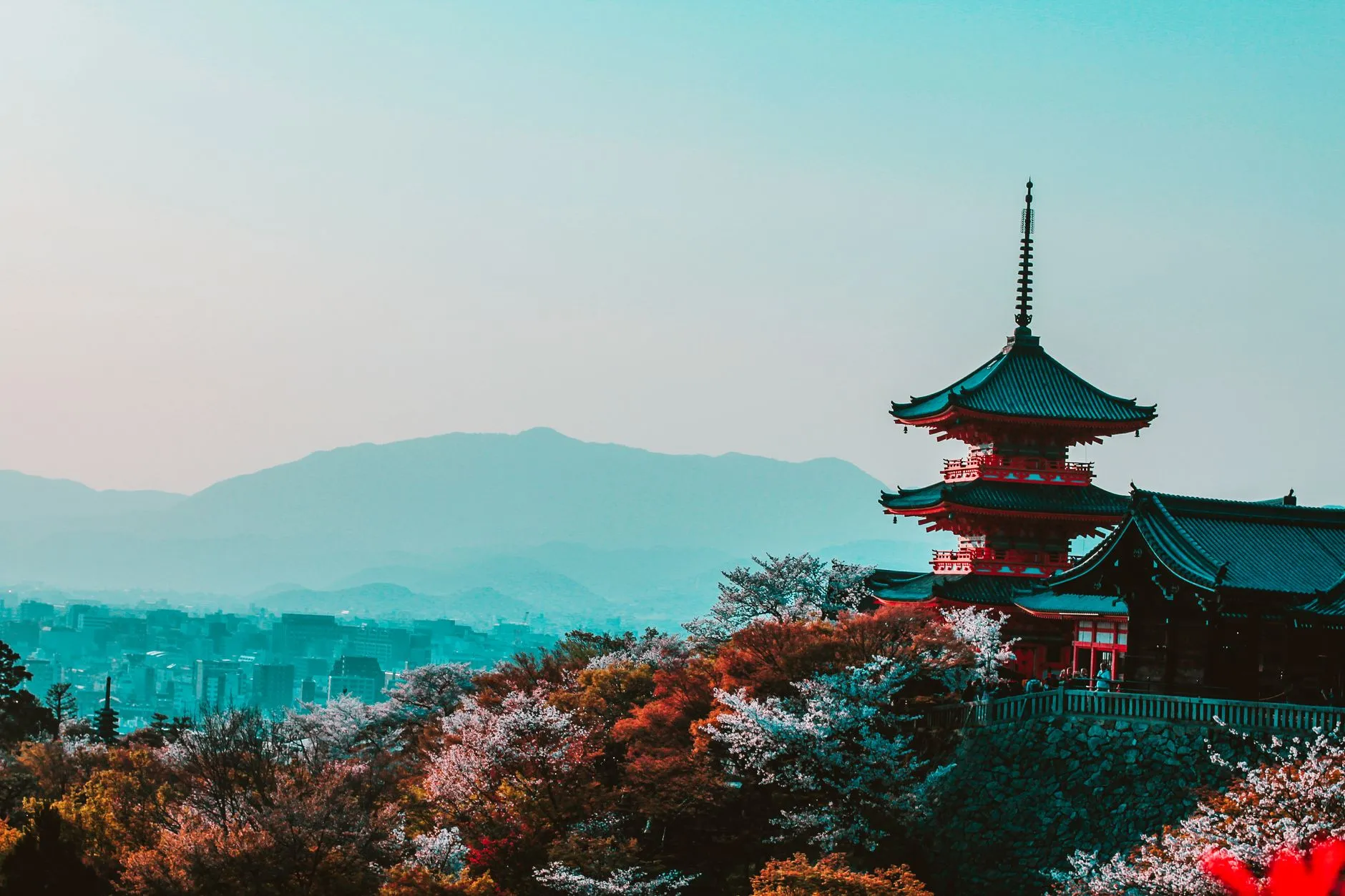
Kyoto: Guide to Temples, Neighbourhoods and Experiences
Everything you need for Kyoto: Fushimi Inari, the Golden Pavilion, Arashiyama, Gion, when to visit, how to get around, where to stay, and a recommended 2–3 day itinerary.