Cities in Japan
Nara: Deer, Temples and the Great Buddha
This guide contains affiliate links. If you book through them we earn a small commission, at no extra cost to you. Affiliate Disclosure
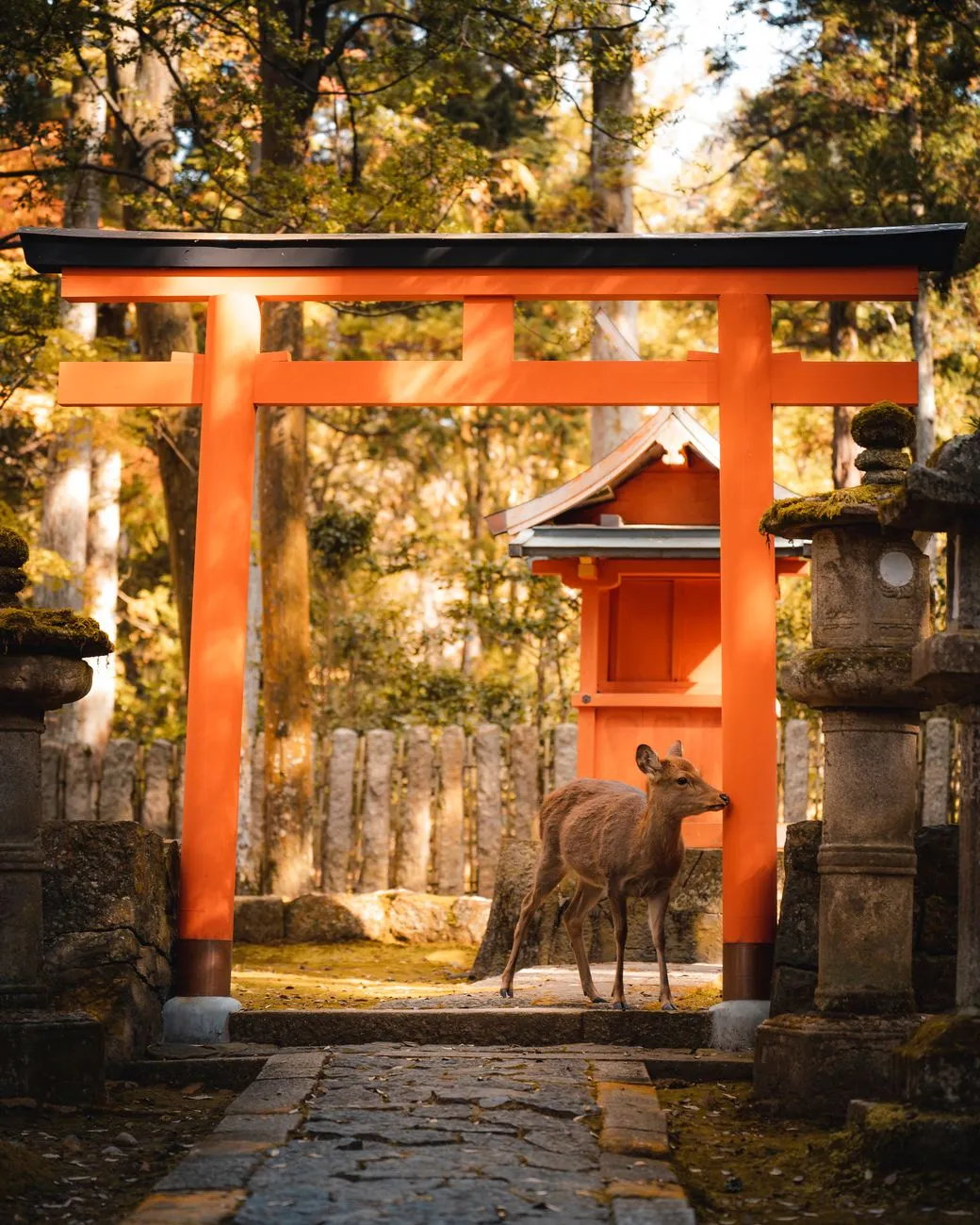
Nara is one of Japan’s most engaging cities for anyone who loves history, nature, and spirituality in a single day. As Japan’s ancient capital, it holds some of the country’s most important sites — temples and paths that feel like a journey through time, and at their centre a vast park where some 1,200 deer wander freely and interact with visitors as a matter of daily routine.
Nara moves at a relaxed pace, considerably quieter than Osaka and Kyoto. Most travellers arrive on a day trip — but a single overnight reveals a city that is strikingly different once the tour groups have left.
Nara Park — the living heart
Nara Park is a vast park in the heart of the city, encompassing the main temples, ponds, and walking paths. About 1,200 deer roam freely within it; in the Shinto tradition they are messengers of the gods (shinshi, 神使) rather than gods themselves, and have been protected since the eighth century.
The main sites
Todai-ji (東大寺) — a monumental Buddhist temple housing Japan’s largest bronze Buddha statue (about 15 m tall), cast in the eighth century. The hall itself is one of the world’s largest wooden buildings. Admission ¥800 (≈ $5.30) for adults, ¥400 (≈ $2.70) for children (6–12). Arrive early morning to beat the tour groups — tours at Todai-ji and Nara.
Kasuga Taisha (春日大社) — a major Shinto shrine founded in 768. The approach paths are lined with hundreds of stone and bronze lanterns, lit during special festivals. The adjacent forest keeps the atmosphere genuinely mystical — one of the most photogenic places in the city.
Kofuku-ji (興福寺) — a temple complex near the park with a five-storey pagoda that appears on almost every Nara postcard. Combining it with a walk around the adjacent pond adds a beautiful reflected view.
Naramachi (ならまち) — the historic merchant quarter from the Edo period: traditional townhouses with white-plastered lower walls, narrow lanes, small boutiques, and quiet cafés. Best explored at midday when the shops are open.
Isuien Garden (依水園) — a carefully maintained Japanese garden using “borrowed scenery” that incorporates a distant pagoda into the composition. Genuine quiet and gardening artistry that rewards a slow visit.
Note that Kasuga Taisha (inner area), Kofuku-ji and Isuien each charge separate admission, while Nara Park itself is free. If you would rather have a guide tie the sites together — guided tours in Nara.
Getting here
From Kyoto: Kintetsu Kyoto Line (express service), about 35–45 minutes. JR Nara Line, about 45 minutes. Note that Kintetsu lines are not covered by the JR Pass while the JR Nara Line is — if you hold a pass, take the JR route. From Osaka: Kintetsu Nara Line from Uehonmachi or Namba, about 40 minutes. Nara Station is a 20–25 minute walk from most sites, or a short bus ride.
Where to stay
Most travellers visit on a day trip and do not stay overnight. For those who do — hotels in Nara offer a quiet experience far from tourist crowds. The trade-off: evenings are very still once the day groups have departed in the afternoon.
Food in Nara
Nara is known for tofu dishes and some local specialities, though the dining scene is narrower than Osaka or Kyoto. Mochi (rice cakes) — sold along the approach to Todai-ji, sometimes made fresh in front of you. Simple ramen and udon — around Kintetsu Nara Station. A small local market near the park for a quick and inexpensive lunch.
Fitting Nara into your itinerary
Nara works perfectly as a focused day trip: 4–5 hours covers the park, Todai-ji, and Kasuga Taisha. It pairs naturally with a half-day in Kyoto (only about 45 minutes away), or you can build a “Nara + Osaka” day — Nara in the morning, Osaka for the evening.
From here you can carry on: read the Japan overview guide for a tour of all the regions, browse the itineraries for a full trip plan, or return to the cities guide to explore more destinations.
Frequently asked questions
Is Nara worth visiting as a day trip from Kyoto?
Absolutely — about 45 minutes by train (Kintetsu or JR). You can cover the main sites in 4–5 hours and be back in Kyoto for dinner.
Are the deer dangerous?
Generally not, but they are bold — especially if they think you have food. Keep plastic bags and snacks inside your bag, and hold empty hands up if you are not feeding them.
What are Todai-ji's opening hours?
Usually 07:30–17:30 (slightly seasonal). Admission ¥800 (≈ $5.30) for adults and ¥400 (≈ $2.70) for children (6–12). The surrounding Nara Park is always open and free.
How long should you stay in Nara?
Most travellers come for a day trip. One night lets you experience the city in the early morning and after the tour groups leave — a genuinely different atmosphere.
Related guides
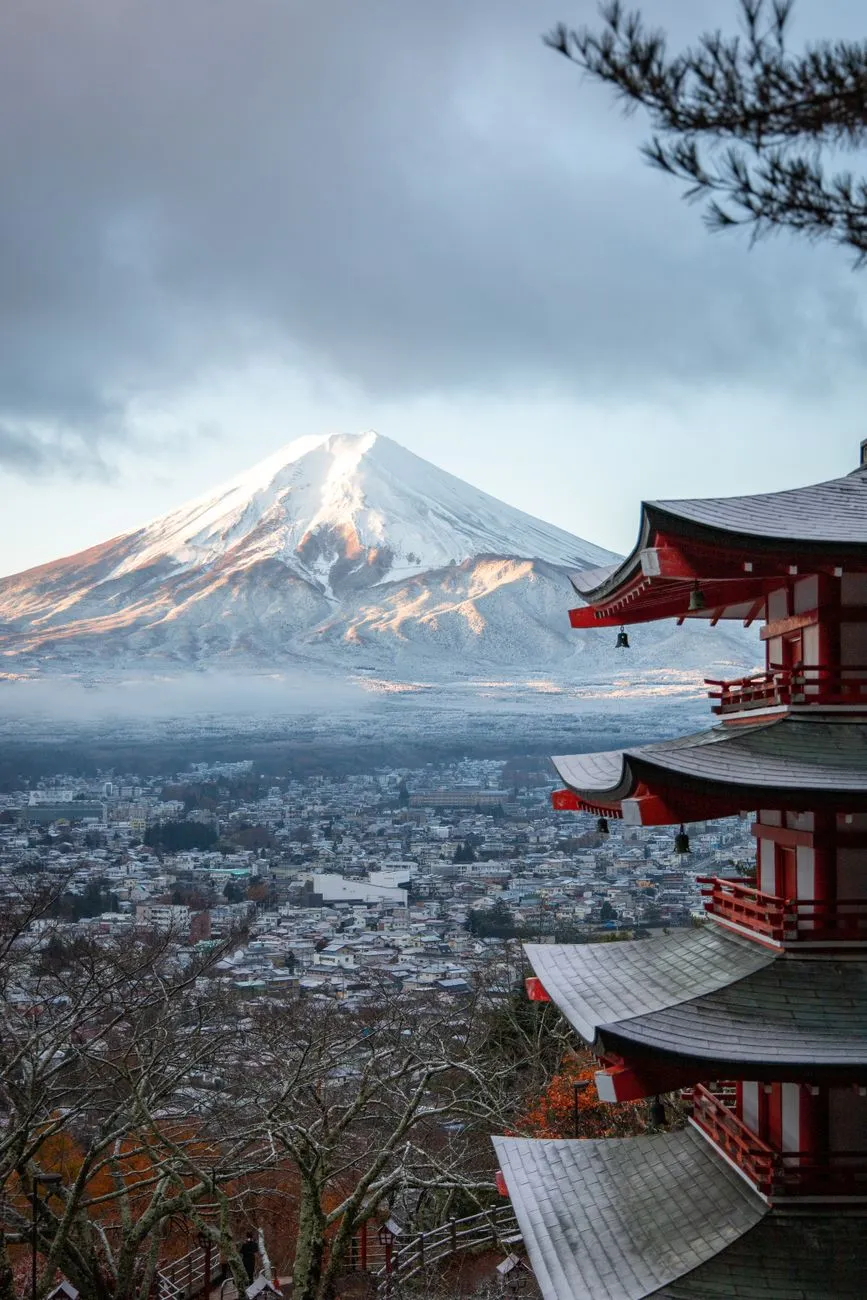
Japan: The Complete Guide for First-Time Visitors
Everything you need to know before flying to Japan: visa, transport, money, food, accommodation, and itineraries — the opening guide to our Japan series.
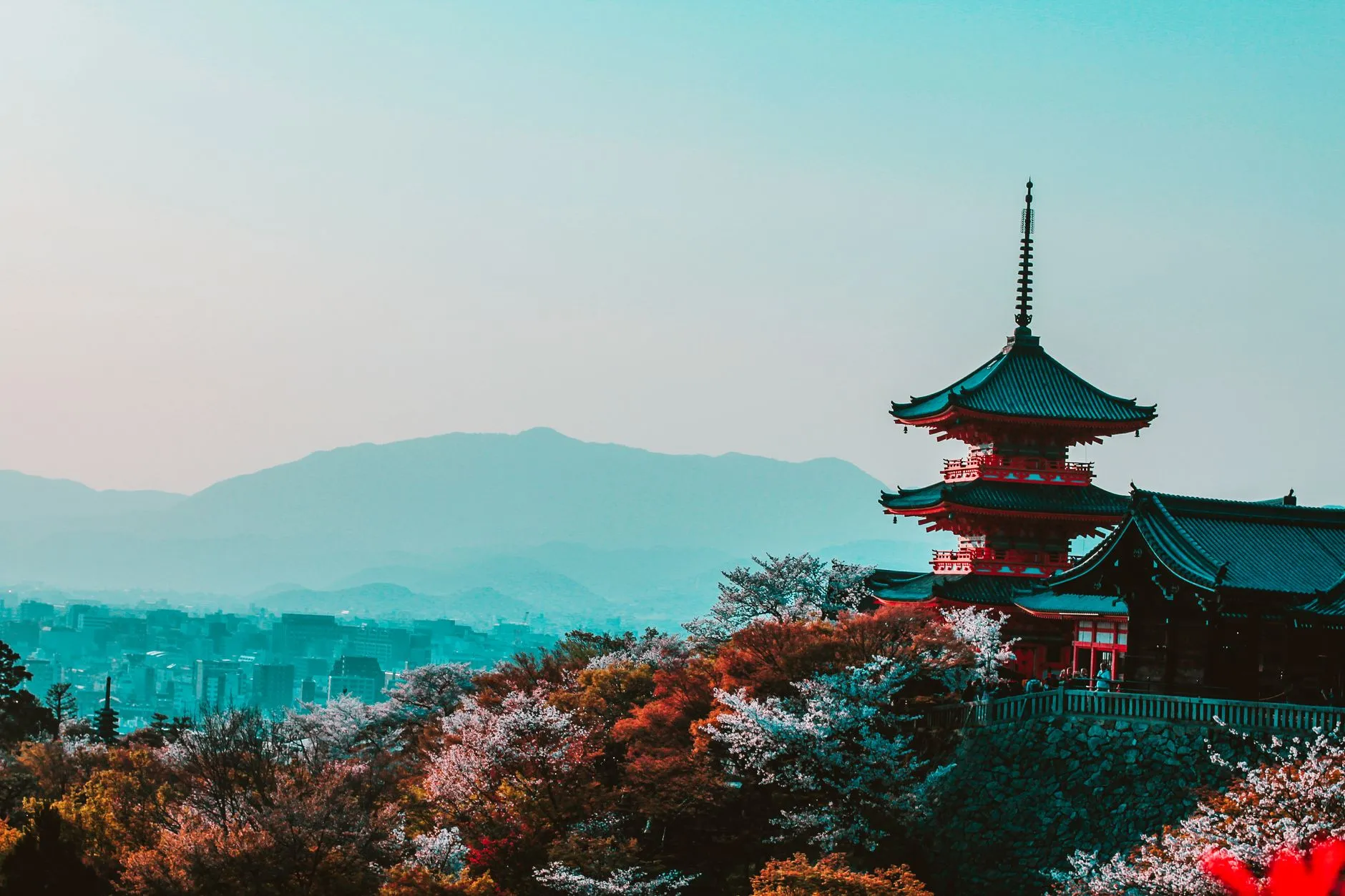
Kyoto: Guide to Temples, Neighbourhoods and Experiences
Everything you need for Kyoto: Fushimi Inari, the Golden Pavilion, Arashiyama, Gion, when to visit, how to get around, where to stay, and a recommended 2–3 day itinerary.
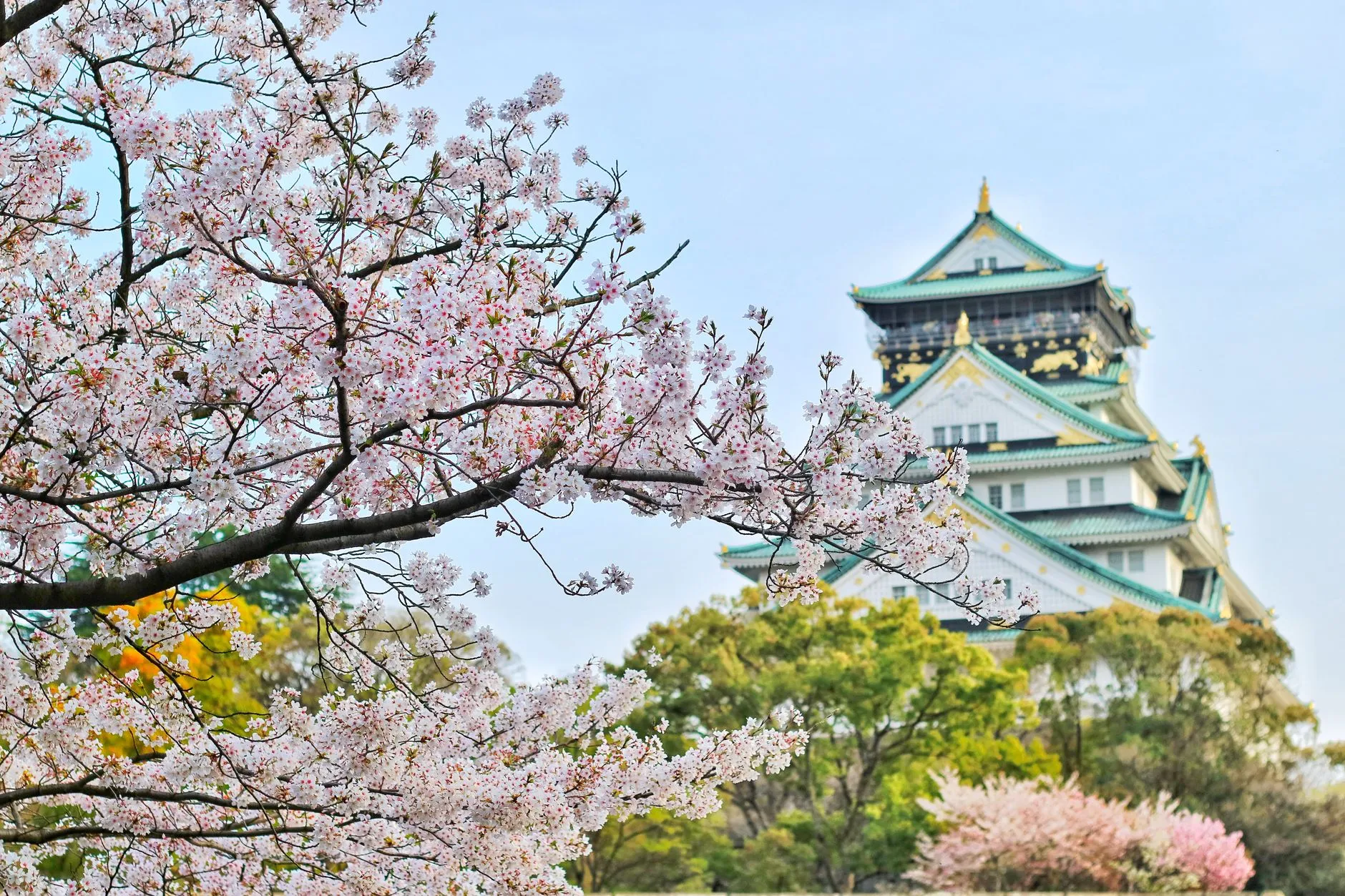
Osaka: Guide to Food, Nightlife and Attractions
Everything you need for Osaka: Dotonbori, Osaka Castle, Shinsaibashi, Universal Studios Japan, where to stay, and a recommended 2-day itinerary.