Attractions and nature
Things to Do in Tokyo: Top Experiences
This guide contains affiliate links. If you book through them we earn a small commission, at no extra cost to you. Affiliate Disclosure
Tokyo offers an endless number of experiences — from quiet temples to neon-lit alleys that never sleep. We’ve gathered the highlights here: from must-see attractions to local experiences that few first-timers discover. For a full plan, see the complete Tokyo guide.
Must-Have Experiences in Tokyo
- Cross Shibuya Scramble: the busiest intersection in the world, where hundreds of people cross with every light cycle. Climb the Shibuya Sky observation deck for a sunset view — Shibuya Sky tickets sell out for the sunset slot, so book ahead. Find the Hachiko dog statue nearby — Tokyo’s symbol of loyalty.
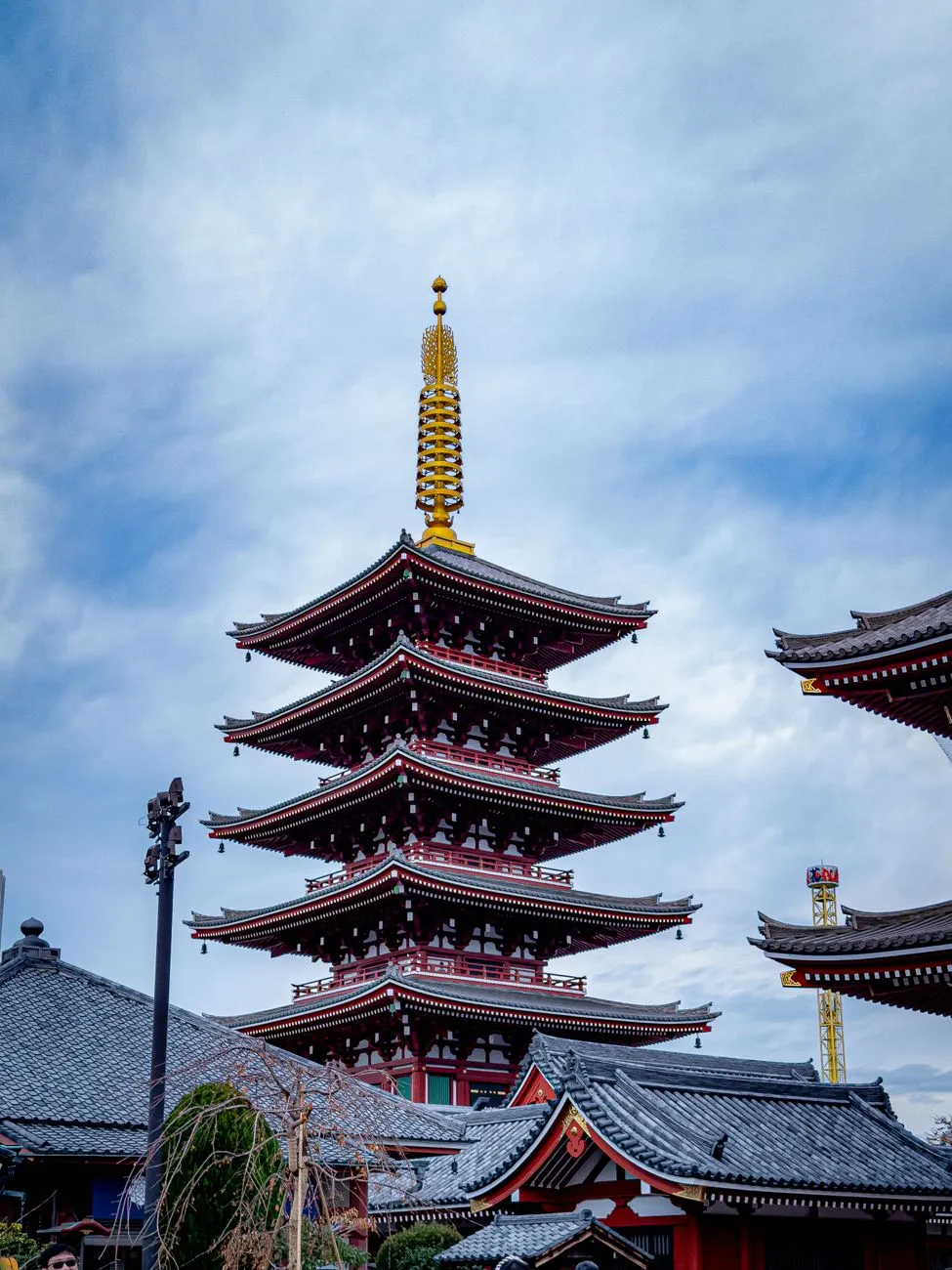
- Dawn at Senso-ji: the city’s oldest temple, in Asakusa. Arrive early before the crowds — the atmosphere is quiet, the light is soft, and the photos are far better. Walk along Nakamise-dori on the way for snacks and souvenirs.
- teamLab: an immersive digital art museum where you become part of the installation — rooms of light, water, and changing flowers. Book teamLab Planets tickets in advance — they sell out fast.
- Akihabara: the anime, manga, and gaming district. Browse multi-story shops, play in arcades, and visit themed cafés — a sensory experience even for non-fans.
- Harajuku and Omotesando: colorful Takeshita Street with crepes and youth fashion on one side, and a designer boulevard on the other — a perfect blend of pop culture and luxury.
Local Experiences Worth Knowing
- Izakaya evening: the best way to taste local Tokyo — small dishes, yakitori, and beer in the alleys of Omoide Yokocho or Golden Gai.
- Baseball game: a lively, family-friendly Japanese experience — fans sing non-stop and the atmosphere is festive even if you don’t know the rules.
- Karaoke: rent a private room for an hour and sing until the early hours — a Japanese classic.
- Sumo: if there’s a tournament during your visit (January, May, September) — unforgettable; otherwise you can watch morning training at a stable.
- Observation decks: Tokyo Skytree, the tallest tower in Japan — Tokyo Skytree tickets; or Tokyo Tower. For the budget-conscious — the Metropolitan Government Building observation deck is free.
- Ghibli Museum or Disneyland: for families and animation fans — Ghibli tickets sell out months in advance.
Food Experiences in Tokyo
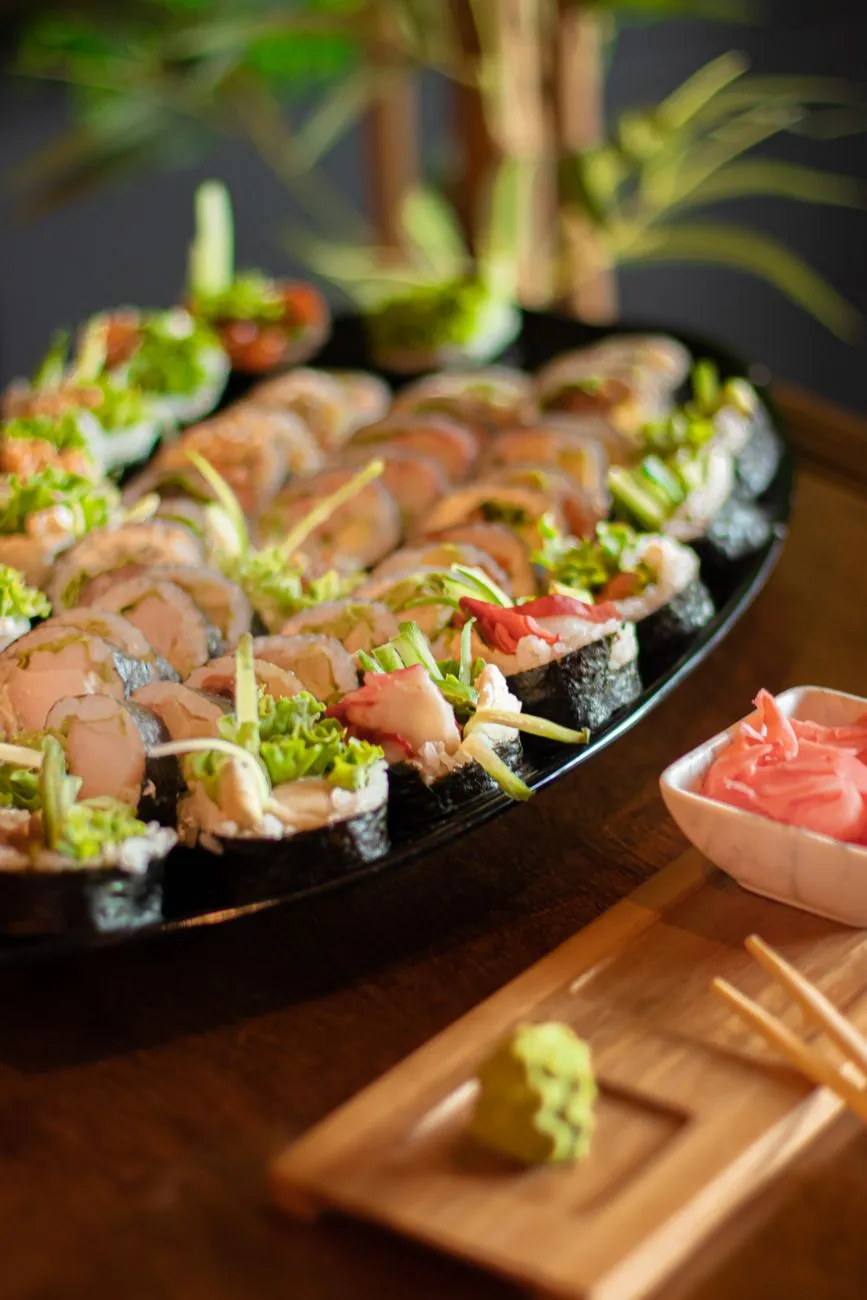
Tokyo is a culinary paradise. Start with conveyor-belt sushi (plates at ¥100–500, ≈ $1–3), move on to a steaming bowl of ramen ordered by ticket machine, and don’t miss the depachika — spectacular food halls in department store basements. Fresh sushi breakfast at Toyosu Market and surprisingly high-quality konbini food round out the picture. See the Japanese food guide.
Tokyo at Night
After dark the city dresses in neon. Wander through the buzzing Kabukicho quarter of Shinjuku, drink in one of Golden Gai’s tiny bars, or head up to a rooftop bar for a night view.
Neighborhoods Worth Experiencing
Much of the Tokyo experience is simply wandering between neighborhoods, each its own distinct world:
- Shibuya: the world’s most famous crosswalk, neon, and urban energy — stand by the Hachiko statue and watch the organized chaos.
- Harajuku: Takeshita Street for street fashion and sweet crepes, and right beside it the serene Meiji Shrine in a forested park.
- Akihabara: paradise for electronics, anime, and video game fans, spread across entire buildings.
- Asakusa: old Tokyo around Senso-ji temple, rickshaws, and traditional souvenir shops.
Experiences by Season
Tokyo changes character throughout the year. In spring (late March–April), have a hanami picnic under cherry blossoms in Ueno Park. In summer, attend a local matsuri festival and fireworks over the Sumida River. In autumn (November), fall foliage turns Rikugi-en garden red. In winter, streets like Roppongi and Marunouchi light up with spectacular holiday illuminations. Plan around the season and you’ll see a completely different Tokyo.
Free Experiences Worth Using
Tokyo has a reputation for being expensive, but some of the best experiences cost nothing. Take the free observation deck on the 45th floor of the Tokyo Metropolitan Government Building for panoramic views — and on clear days, Mount Fuji. Stroll through the Imperial Palace gardens, visit Meiji Shrine and Senso-ji, and browse the stalls at the outer Tsukiji Market.
How to Experience Tokyo Right — and Guided Options
To get the most out of it, start early (temples and attractions are quieter in the morning), load a Suica card for easy transit, and don’t try to cram everything into one day. Sushi workshops, night food tours, and guided Tokyo experiences can be booked in advance and save a lot of hassle. For a full day-by-day plan, see the complete Tokyo guide.
How Many Days to Spend
To experience Tokyo without rushing, set aside at least three to four full days. Spread the experiences: one day for modern neighborhoods (Shibuya–Harajuku–Shinjuku), one for traditional Tokyo (Asakusa–Ueno), and one for theme experiences (Akihabara, teamLab, food). Rainy days are opportunities too — museums, underground malls, and teamLab galleries are perfect for them. For day trips out of the city, see the day trips from Tokyo guide.
Return to the Japan travel guide to plan your full trip.
Frequently asked questions
How many days should I spend in Tokyo?
Three to four full days let you experience the city without rushing; two days cover only the main highlights.
Do I need to book tickets in advance?
Yes for teamLab, Ghibli Museum, and Disneyland — they sell out months ahead.
What's the best free experience in Tokyo?
The observation deck of the Tokyo Metropolitan Government Building in Shinjuku — panoramic views and on clear days Mount Fuji, for free.
What should I do on a rainy day?
Museums, underground shopping malls, and teamLab galleries are ideal for rainy days.
Related guides
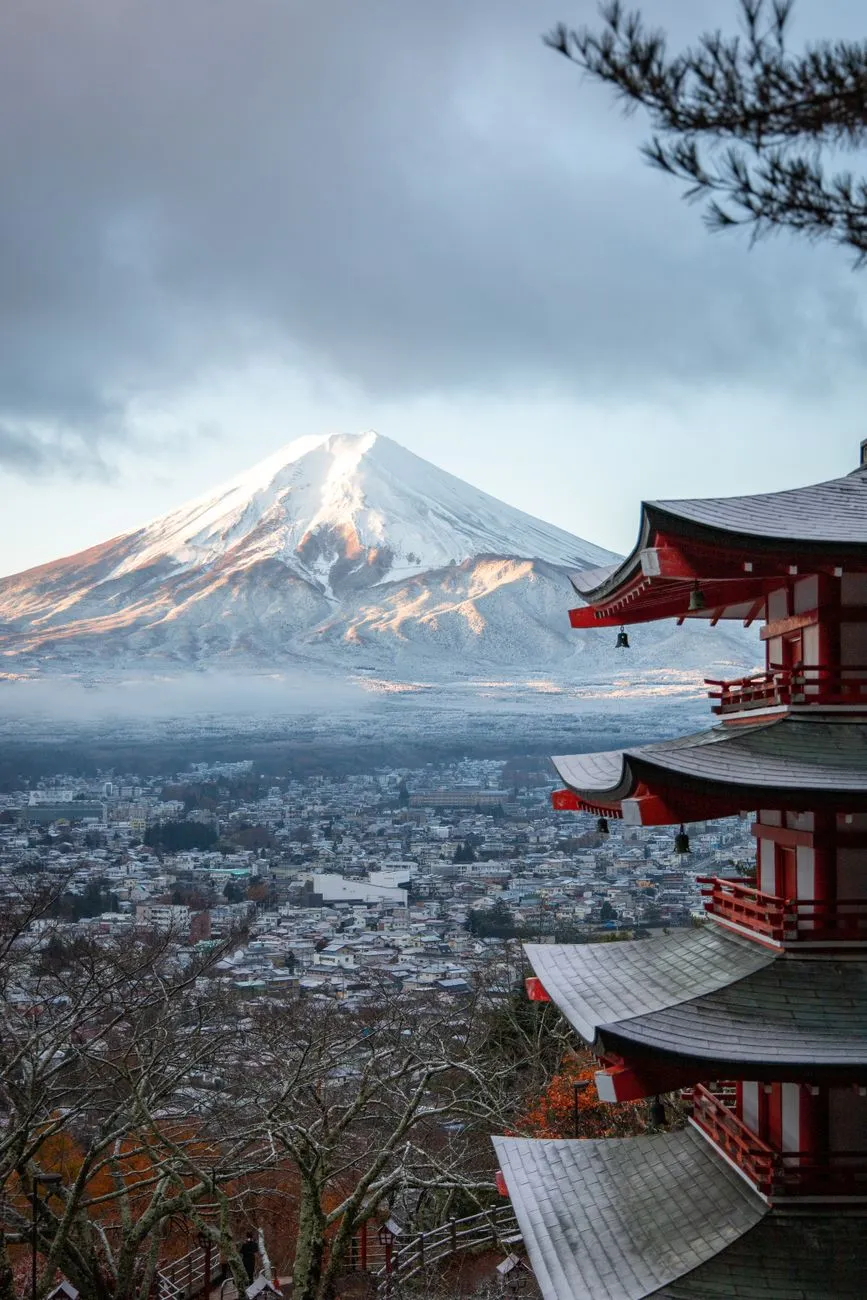
Japan: The Complete Guide for First-Time Visitors
Everything you need to know before flying to Japan: visa, transport, money, food, accommodation, and itineraries — the opening guide to our Japan series.
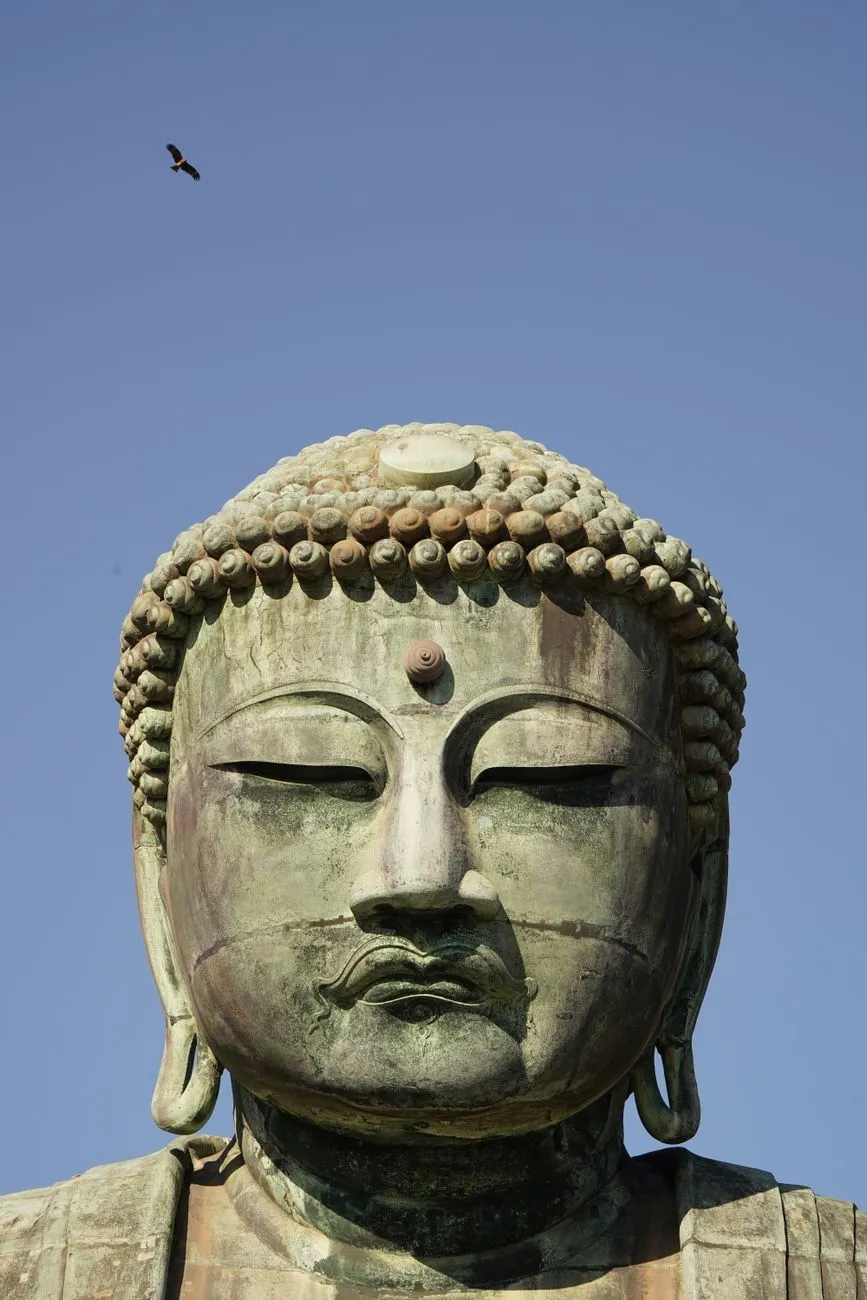
Day Trips from Tokyo: Hakone, Fuji, Nikko and Kamakura
The best day trips from Tokyo: Hakone and the Fuji lakes, Nikko, and Kamakura — how to get there, what to see, and tips for planning the perfect escape.
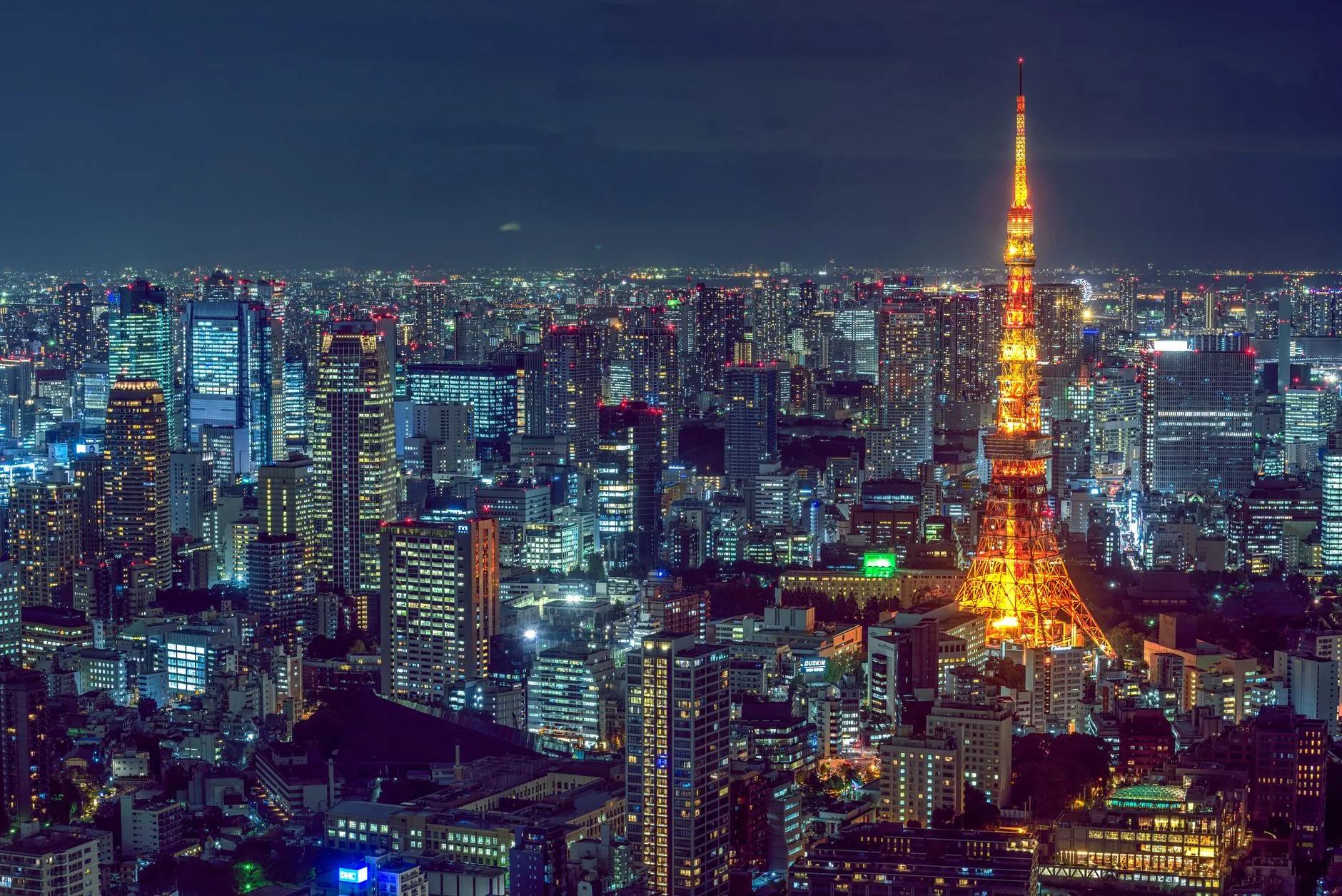
Tokyo: A Complete Guide to Neighbourhoods and Attractions
Everything you need for a trip to Tokyo: the key neighbourhoods, must-see attractions, where to sleep, Japanese food, day trips to Hakone and Kamakura, and a 3-day itinerary.
Japanese Food Guide: What to Eat and Where
Complete guide to Japanese food: sushi, ramen, street food, kaiseki, izakaya, regional specialties, konbini, vegetarian options, and dining etiquette.