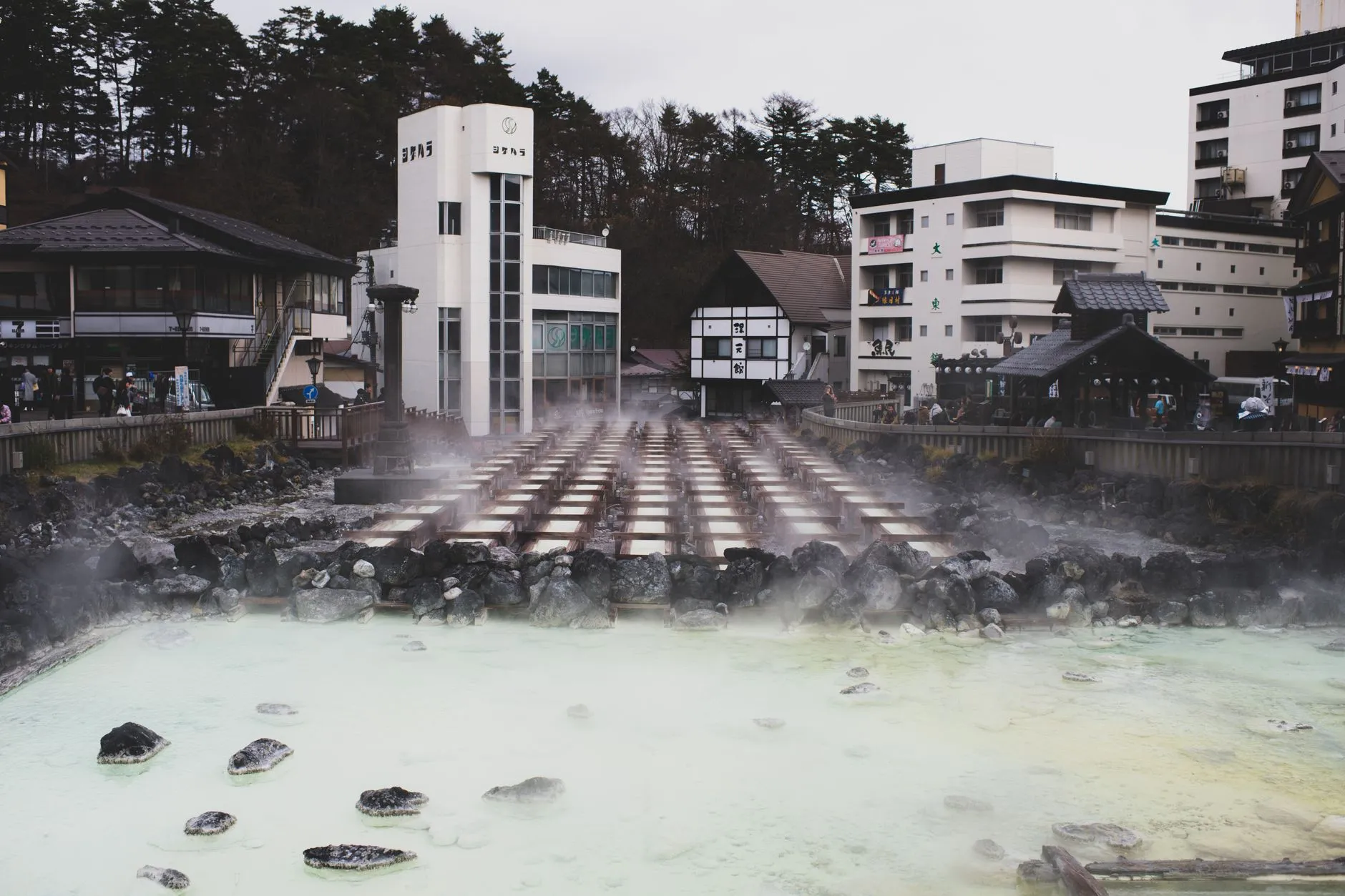
Travel info
Ryokan and Onsen in Japan — Complete Guide
This guide contains affiliate links. If you book through them we earn a small commission, at no extra cost to you. Affiliate Disclosure
If there is one accommodation experience that embodies traditional Japan, it is the ryokan — a traditional Japanese inn with tatami rooms, carefully prepared seasonal meals, and often a private or shared onsen (hot spring). A stay at a ryokan is not just a place to sleep; it is a complete ritual of hospitality (omotenashi), tranquility, and connection with nature. Want to combine it with scenery? See the Mt. Fuji and Hakone guide.
Our Recommendation
One night at a ryokan with an onsen is worth every yen — it is the highlight of any trip to Japan. Book in advance for a night in Hakone, Kusatsu, or a mountain destination, and choose a ryokan with kaiseki dinner included. Arrive in the afternoon, bathe in the onsen before dinner, and allow yourself to slow down. Don’t miss the morning onsen.
What Is a Ryokan
A ryokan is a traditional Japanese inn, some of which are centuries old. Unlike a Western hotel, a ryokan offers a full cultural experience: entering shoeless, a Japanese-style room, impeccable meals, and Zen gardens. The staff — often in kimono — care for guests with great dedication: this is omotenashi, the art of Japanese hospitality. Ryokans range from family-run and modest to luxurious and very expensive.
The Tatami Room and Futon
A ryokan room is floored with tatami mats (woven rice straw), which you walk on in socks only. The center holds a low table with floor cushions, and sometimes a display alcove (tokonoma) with a flower or calligraphy. In the evening, staff lay out a futon (mattress) on the floor for sleeping and fold it away in the morning. There is no Western bed — and that is part of the charm. The room usually overlooks a garden.
Meals — Kaiseki and Breakfast
One of the highlights of a ryokan stay is the food. Dinner is usually kaiseki — a series of carefully prepared and beautifully arranged seasonal courses, served in your room or in a dining room. Fish, local vegetables, tofu, and sometimes wagyu beef. The Japanese breakfast includes rice, miso soup, grilled fish, egg, and pickles. Most ryokans include half-board in the price. See also Japan’s food guide for more.
Onsen — What It Is and Why It’s Worth It
An onsen is a geothermal hot spring — Japan sits on an active volcanic zone and is blessed with thousands of springs. The mineral-rich water is considered therapeutic and deeply relaxing. Many ryokans include an onsen, indoor or outdoor. Bathing in the hot water, especially with a mountain or snow view, is a profoundly calming experience and a central part of Japanese leisure culture.
Types of Onsen
There are several types of onsen: Indoor (naisenboro) — covered pools. Outdoor (rotenburo) — in the open air, usually with a stunning view, and the most beloved experience. Private (kashikiri, or a room with its own onsen) — ideal for couples, families, and tattooed guests, solving any nakedness discomfort. Check in advance what options the ryokan offers.
Yukata and What to Wear
At the ryokan you will be given a yukata — a light cotton robe worn throughout the inn, for meals, the onsen, and sleeping. Wrap the left side over the right (the reverse is done only for the deceased!), and tie it with a sash (obi). Slippers and tabi socks are also provided. In some onsen towns it is common to stroll outdoors in your yukata — it is part of the relaxed experience.
Recommended Onsen Towns
Japan is full of picturesque onsen towns. ryokan in Hakone near Mt. Fuji is the most accessible from Tokyo — see the Fuji and Hakone guide for planning. ryokan in Kusatsu is famous for the hottest water. Beppu in Kyushu is known for its steaming vents. Ginzan Onsen and Kinosaki preserve an authentic Edo-era atmosphere.
The Tattoo Issue
In Japan, tattoos have historically been associated with organized crime (yakuza), so many public onsens prohibit entry to tattooed guests. Solutions: choose a ryokan with a private onsen (kashikiri), cover a small tattoo with a waterproof patch, or look for tattoo-friendly onsens (their numbers are growing). Always check the policy in advance to avoid disappointment.
How Much Does a Ryokan Cost
A ryokan is usually more expensive than a regular hotel but includes a great deal. Typical prices range from ¥15,000 to ¥50,000 (≈ $100–333) per person per night, including a kaiseki dinner and breakfast. Luxury ryokans reach ¥80,000 (≈ $533) or more. Prices are per person, not per room. Despite the cost, the full experience justifies at least one night. See the money guide for budget planning.
Booking Tips
Book in advance — good ryokans fill up, especially in peak seasons. Sites like Booking, Rakuten Travel, and Japanese Guest Houses list ryokans. Confirm whether the price includes meals (usually yes). Ask about a private onsen if relevant. Arrive at check-in time (usually 15:00) to make the most of the onsen and dinner.
A good ryokan has only a handful of rooms and the half-board rate is per person — book early for weekends and holidays.
Find a ryokanShukubo — Temple Lodging
An interesting alternative to a ryokan is shukubo — staying in a Buddhist temple, particularly popular in Koyasan. Guests sleep in simple tatami rooms, eat temple vegan food (shojin ryori), and may join morning prayer or meditation. It is a spiritual, quiet experience, cheaper than a luxury ryokan, and ideal for those seeking authenticity and deep peace.
A ryokan stay with an onsen is one of the most authentic ways to experience traditional Japan — tranquility, flawless hospitality, seasonal food, and a hot-water soak with a view. Even for one night, work it into your itinerary. Book in advance, come with an open mind, and flow with the traditional pace. See also the etiquette guide before your visit, and the first-timer’s Japan guide for the full overview.
Frequently asked questions
Is staying in a ryokan necessary?
Not mandatory, but one night is among the most memorable experiences in Japan — highly recommended.
Can I enter an onsen with a tattoo?
Usually not in public baths. The solution: choose a ryokan with a private onsen (kashikiri) or look for tattoo-friendly onsens.
What if I'm uncomfortable being nude in a public onsen?
Choose a ryokan with a private onsen (kashikiri) — perfect for couples, families, and anyone who prefers full privacy.
Are meals included in the ryokan price?
In most ryokans yes — half-board with a kaiseki dinner and a Japanese breakfast. Confirm when booking.
Related guides
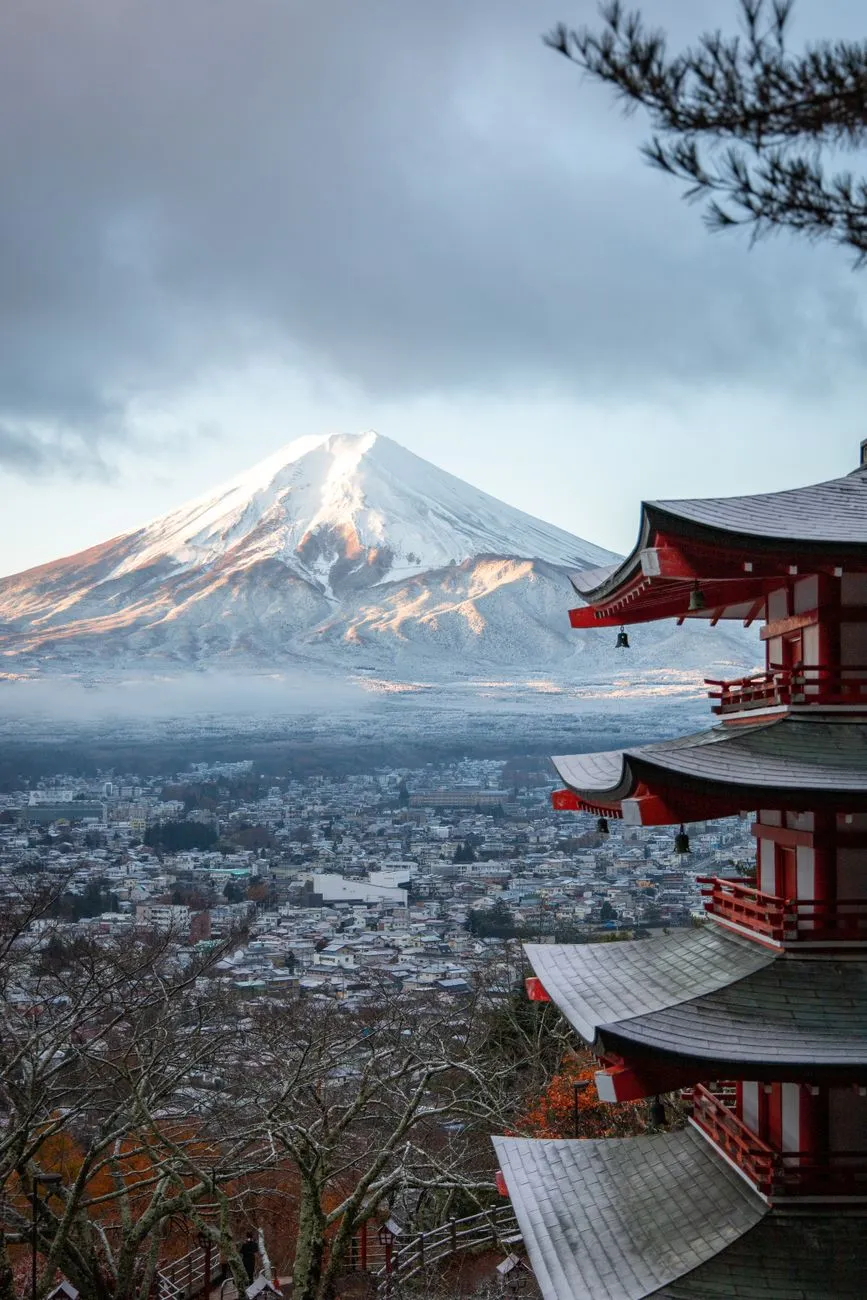
Japan: The Complete Guide for First-Time Visitors
Everything you need to know before flying to Japan: visa, transport, money, food, accommodation, and itineraries — the opening guide to our Japan series.
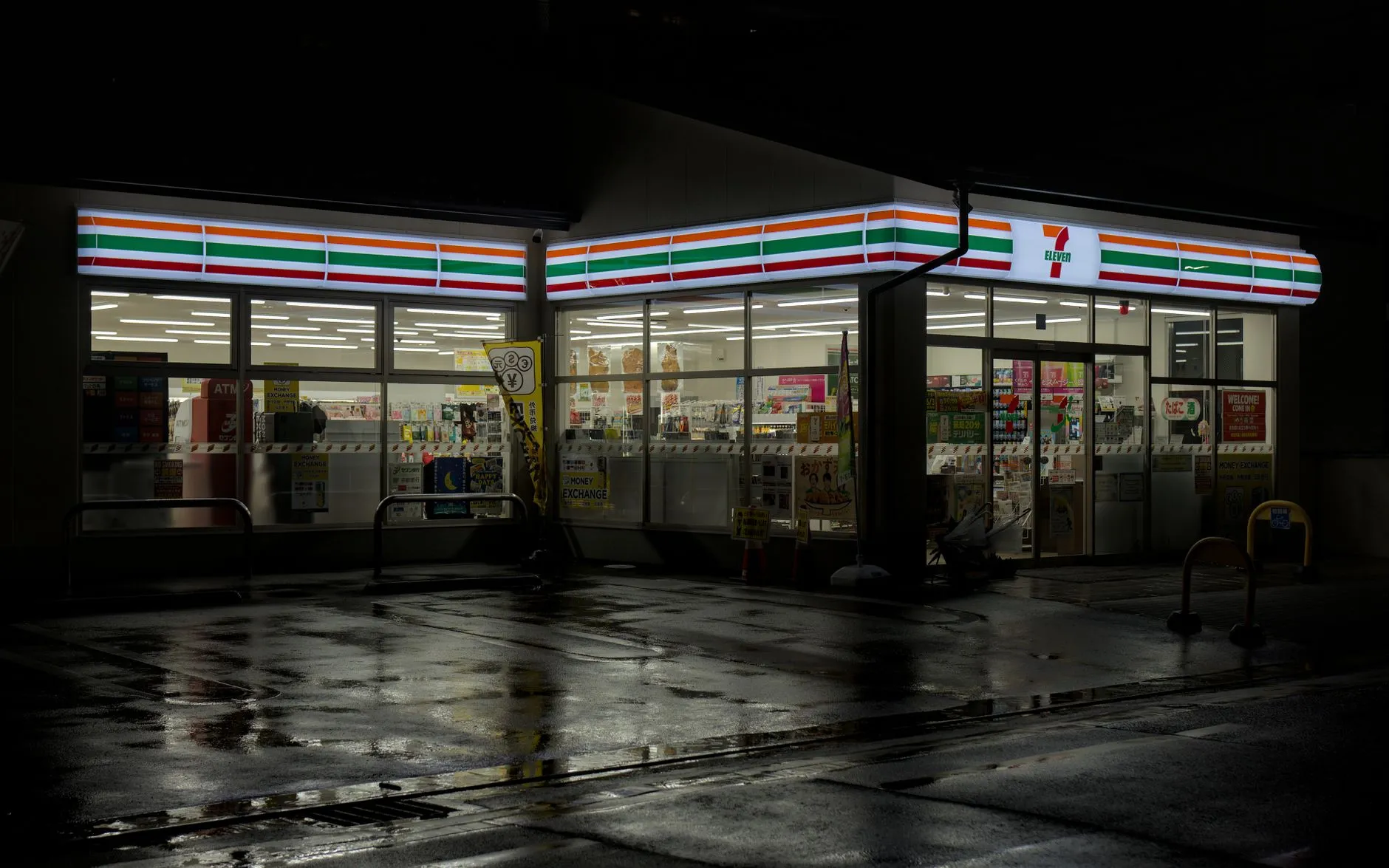
Money, Cash and Cards in Japan — Complete Guide
Money guide for Japan: cash vs. card, IC cards (Suica), where to use ATMs, currency exchange, tourist tax refund, daily budget tips, and common mistakes to avoid.
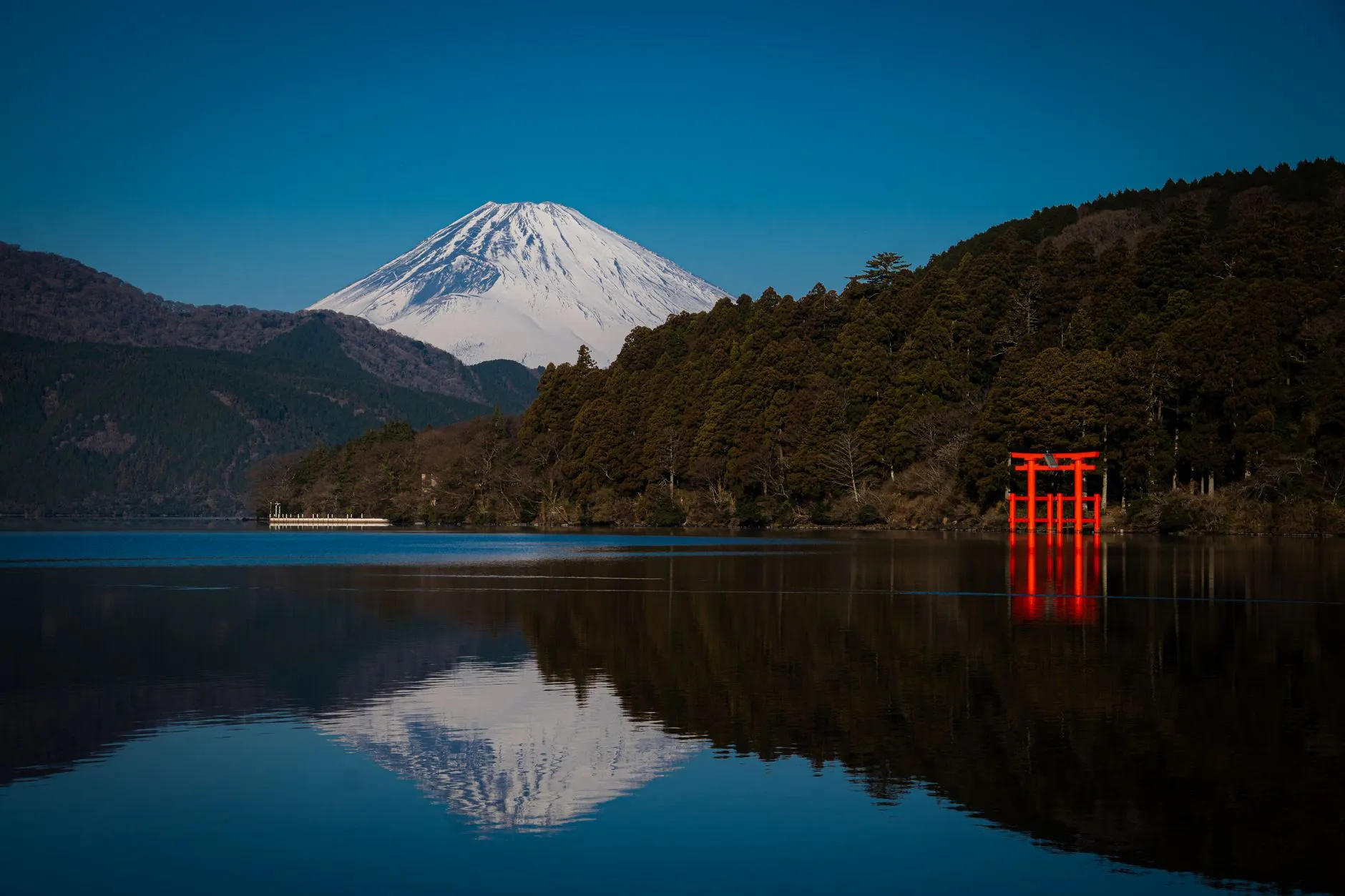
Mount Fuji and Hakone: A Complete Guide
Complete guide to Mount Fuji and Hakone: how to get there, the Hakone Loop, onsen, the Fuji Lakes, viewpoints, and planning tips. Day trip or overnight from Tokyo.