Cities in Japan
Nikko — Toshogu Shrine, Kegon Falls and Lake Chuzenji: The Complete Guide
This guide contains affiliate links. If you book through them we earn a small commission, at no extra cost to you. Affiliate Disclosure
Nikko (日光), about two hours north of Tokyo, combines two things that are rarely found together: a lavish, gilded shrine complex that is a UNESCO World Heritage Site, and mountain scenery of waterfalls, a lake and forests. The Japanese saying “don’t say ‘magnificent’ until you have seen Nikko” explains why it is one of the most popular day trips from the capital.
This guide covers what to see, how to get there and how much time you need. To compare it with other day trips, see day trips from Tokyo.
Toshogu — the gilded shrine
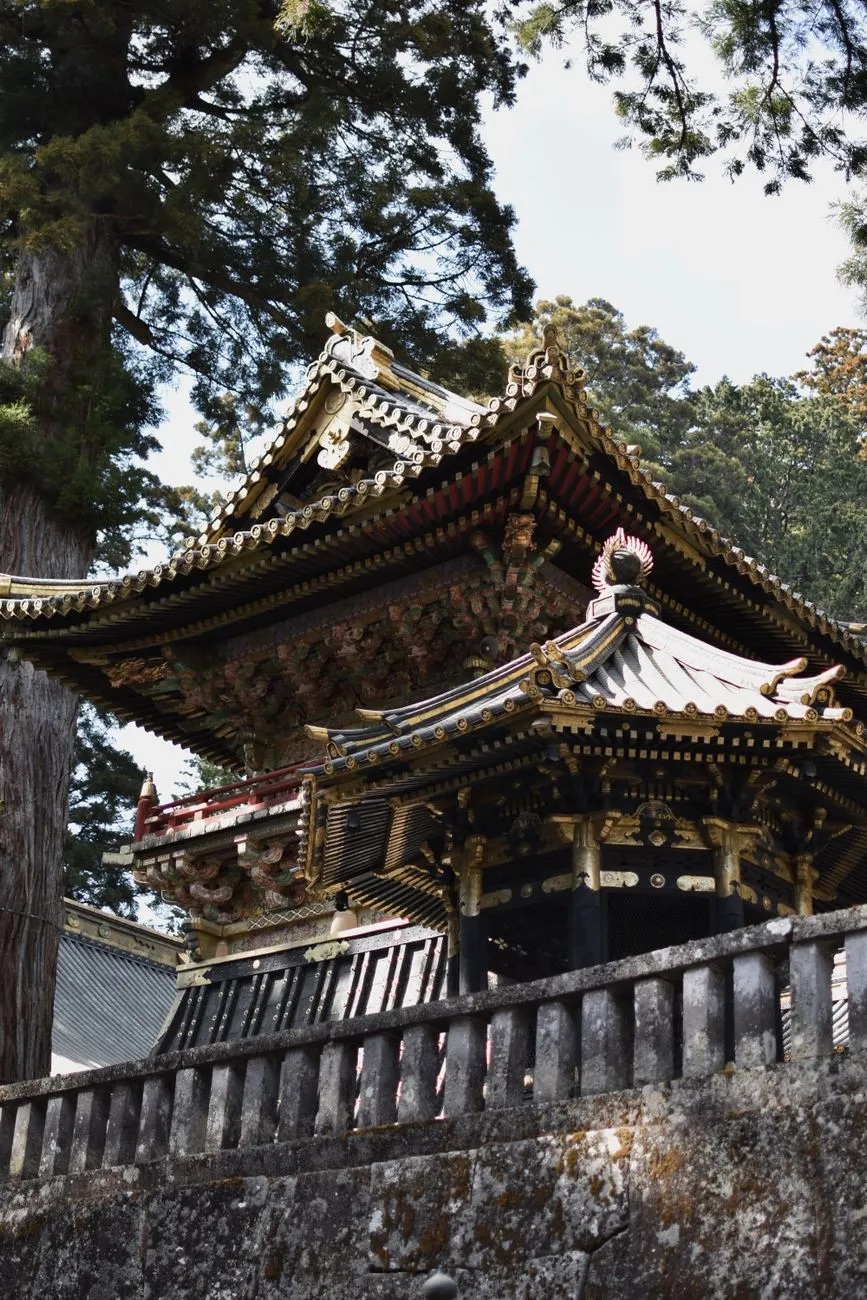
Toshogu (東照宮) is a Shinto shrine built in the 17th century in honour of Tokugawa Ieyasu, the shogun who founded the dynasty that ruled Japan for 250 years. Unlike the restraint of Kyoto’s temples, here every surface is covered with colourful wood carvings, gold leaf and lacquer. Don’t miss the Yomeimon Gate, with hundreds of carved figures; the three wise monkeys (“see no evil, hear no evil, speak no evil”) on the sacred stable; and the sleeping cat (Nemuri-neko) on the way to Ieyasu’s tomb, up 200 stone steps among cedar trees.
Entry is about ¥1,600 (≈ $11) for adults. Arrive at opening time, before the tour groups get in from Tokyo.
More in the complex: Rinno-ji, Futarasan and Shinkyo
Next to Toshogu are Rinno-ji, a Buddhist temple with a huge hall and three gilded Buddha statues, and Futarasan, a quieter Shinto shrine. The Taiyu-in complex, the mausoleum of Ieyasu’s grandson, resembles Toshogu but is smaller and calmer, and is worth a visit if you have time. At the entrance to the shrine area stands Shinkyo Bridge (神橋), a red bridge over the Daiya River and one of Nikko’s symbols. You can photograph it from the road for free, or walk on it for a small fee.
Kegon Falls and Lake Chuzenji
About 40 minutes by bus from town, up the winding Irohazaka road, lies Lake Chuzenji at about 1,270 metres, and next to it Kegon Falls, a waterfall about 97 metres high. A lift goes down to a viewing platform at the base, where you see it in full force. Around the lake there are walking trails, boat cruises and restaurants, and in autumn the scenery here is red and gold.
Organised day tours to Nikko from TokyoAutumn leaves in Nikko
Nikko is one of the best places for autumn leaves in the Tokyo area. The colours start high up, around the lake and the Senjogahara marshland, in early to mid-October, and move down to the town and the shrines in late October and early November. On weekends in the season the road to the lake jams for hours, so arrive early in the morning or on a weekday. The full foliage calendar is in the autumn leaves guide.
Kinugawa and Edo Wonderland
About half an hour from Nikko is Kinugawa Onsen, a hot-spring town along a river gorge, with large onsen hotels. On the way is Edo Wonderland, a theme park recreating an Edo-period town, with ninja, samurai and shows, which is especially good for families with children. Combining Nikko with a night in Kinugawa turns a day trip into a short break.
Getting there
By Tobu: from Asakusa Station in Tokyo, a limited express (Spacia X or Kegon) runs to Tobu-Nikko Station in about two hours, with no changes. Tobu sells a NIKKO PASS that includes the train and local buses, good value if you are going up to the lake. By JR: Tohoku Shinkansen from Tokyo to Utsunomiya (about 50 minutes), then the JR Nikko Line (about 45 minutes). This route is covered by the JR Pass. From the stations there are buses to the shrines and the lake, or it is about 30 minutes on foot to the shrines.
Staying overnight in Nikko?
You can see the shrines on a day trip, but one night lets you reach Toshogu at opening time, before the groups, and spend a second day at the lake and the falls without rushing. In town and around the lake there are ryokan and onsen hotels, and a ryokan stay with a traditional dinner is part of the experience. Details in the ryokan and onsen guide.
Ryokan and hotels in NikkoTips for your visit
Start with the shrines in the morning and go up to the lake in the afternoon, or the other way round in leaf season to beat the traffic. Wear comfortable shoes, as there are many stone steps. Bring a warm layer: the lake is several degrees colder than town, which you really notice in autumn. And for lunch, try yuba, tofu skin, Nikko’s local speciality.
From here: compare destinations in day trips from Tokyo, read about the autumn leaves season or go back to the Tokyo guide.
Frequently asked questions
How do you get from Tokyo to Nikko?
The most convenient way is the Tobu limited express from Asakusa, about two hours to Tobu-Nikko Station. With a JR Pass, take the shinkansen to Utsunomiya and then the JR Nikko Line, also about two hours in total.
Can you see Nikko on a day trip?
Yes, the shrine complex and Shinkyo Bridge can be seen in one day from Tokyo. If you want to add Kegon Falls and Lake Chuzenji, you need a full day and an early start, or one night's stay.
How much does Toshogu cost?
About ¥1,600 (≈ $11) for adults and about ¥550 (≈ $4) for school-age children. A combined ticket with the Treasure House museum costs about ¥2,400 (≈ $16). Prices as of October 2026.
When are the autumn leaves in Nikko?
Around the lake and the higher mountains (Okunikko) the leaves turn as early as early to mid-October, and in town and at the shrines in late October and early November. On weekends in the season the road to the lake is very congested.
Related guides
Day Trips from Tokyo: Hakone, Fuji, Nikko and Kamakura
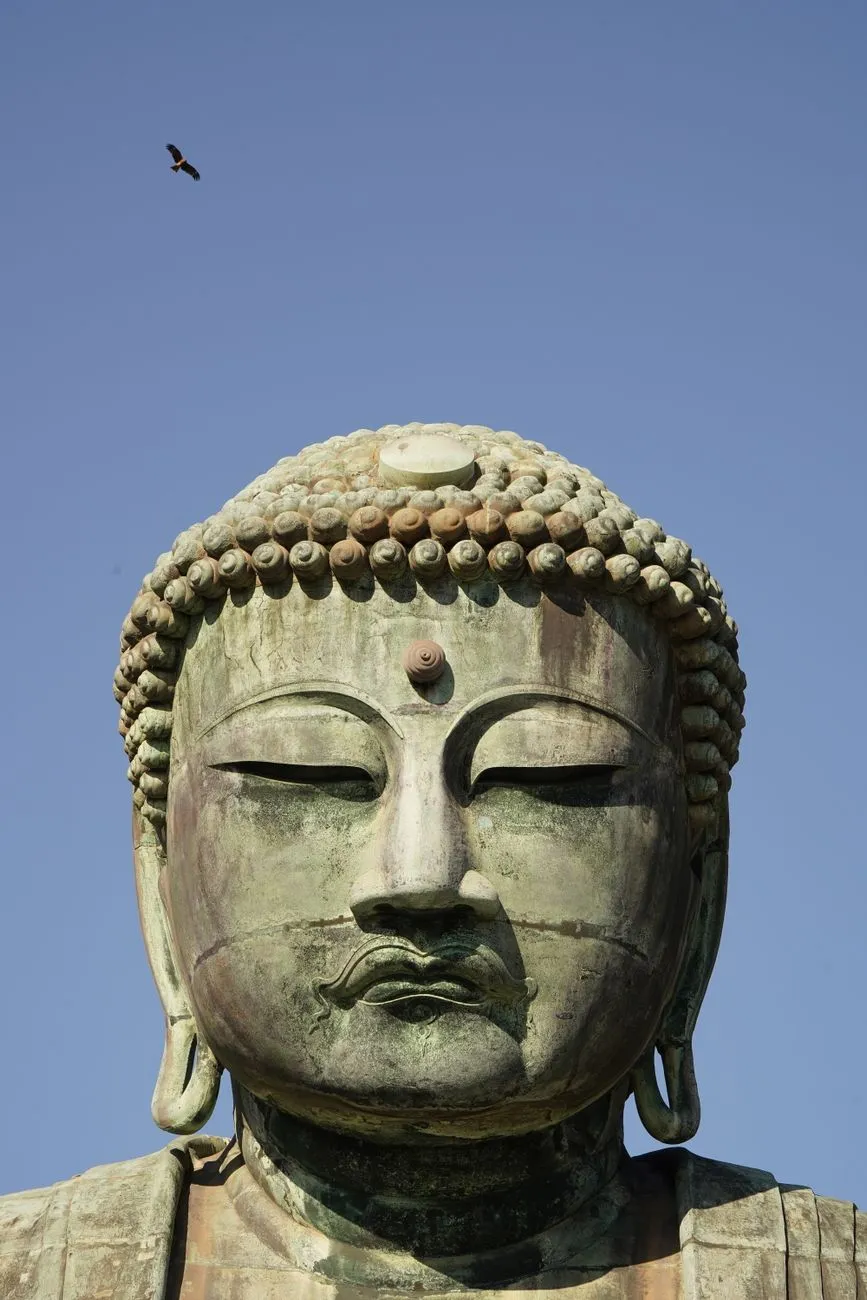
The best day trips from Tokyo: Hakone and the Fuji lakes, Nikko, and Kamakura — how to get there, what to see, and tips for planning the perfect escape.
Autumn Koyo in Japan 2026 — When, Where and Tips
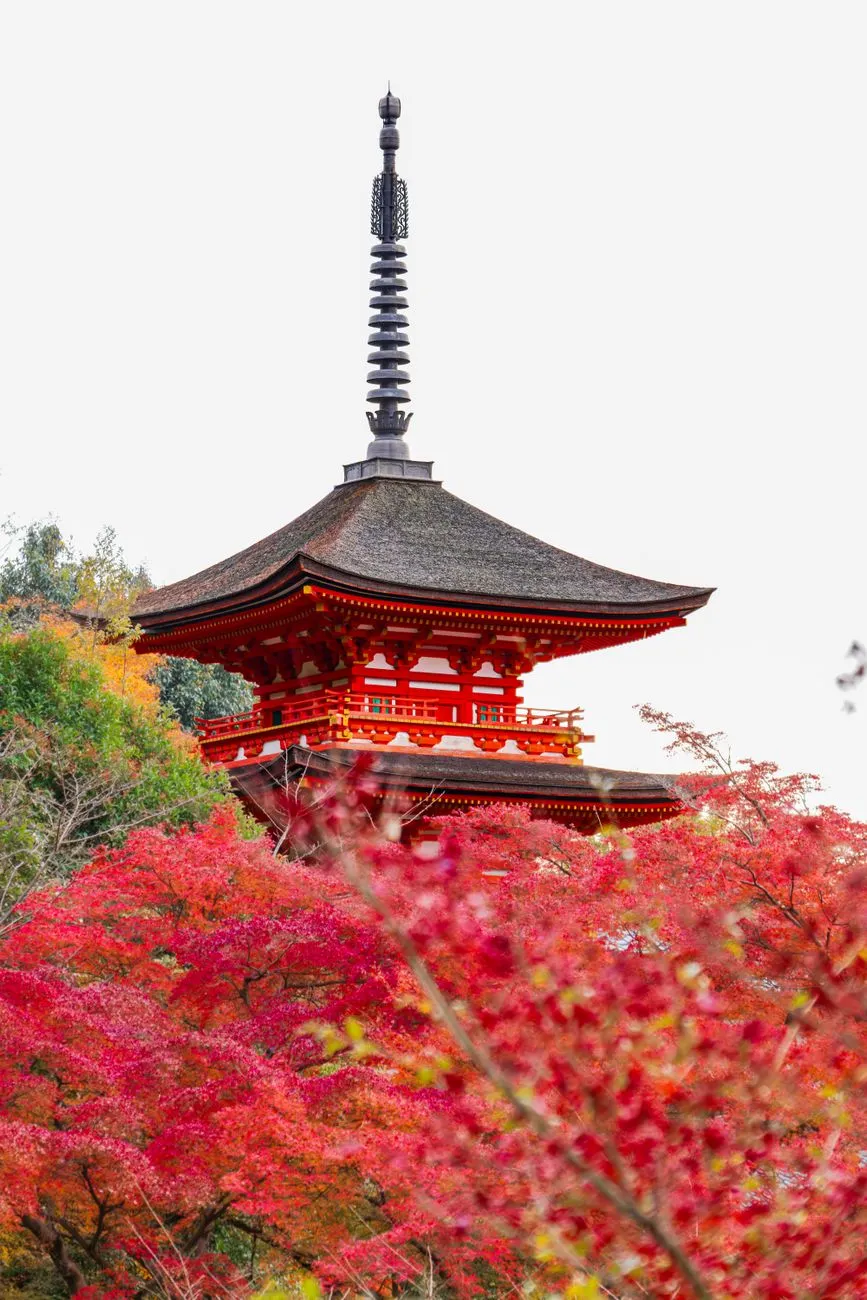
Complete guide to Japan's autumn leaf season (koyo): 2026 calendar, the most beautiful spots in Kyoto, Tokyo and the Alps, evening illuminations, seasonal food and practical tips.
Tokyo: A Complete Guide to Neighbourhoods and Attractions
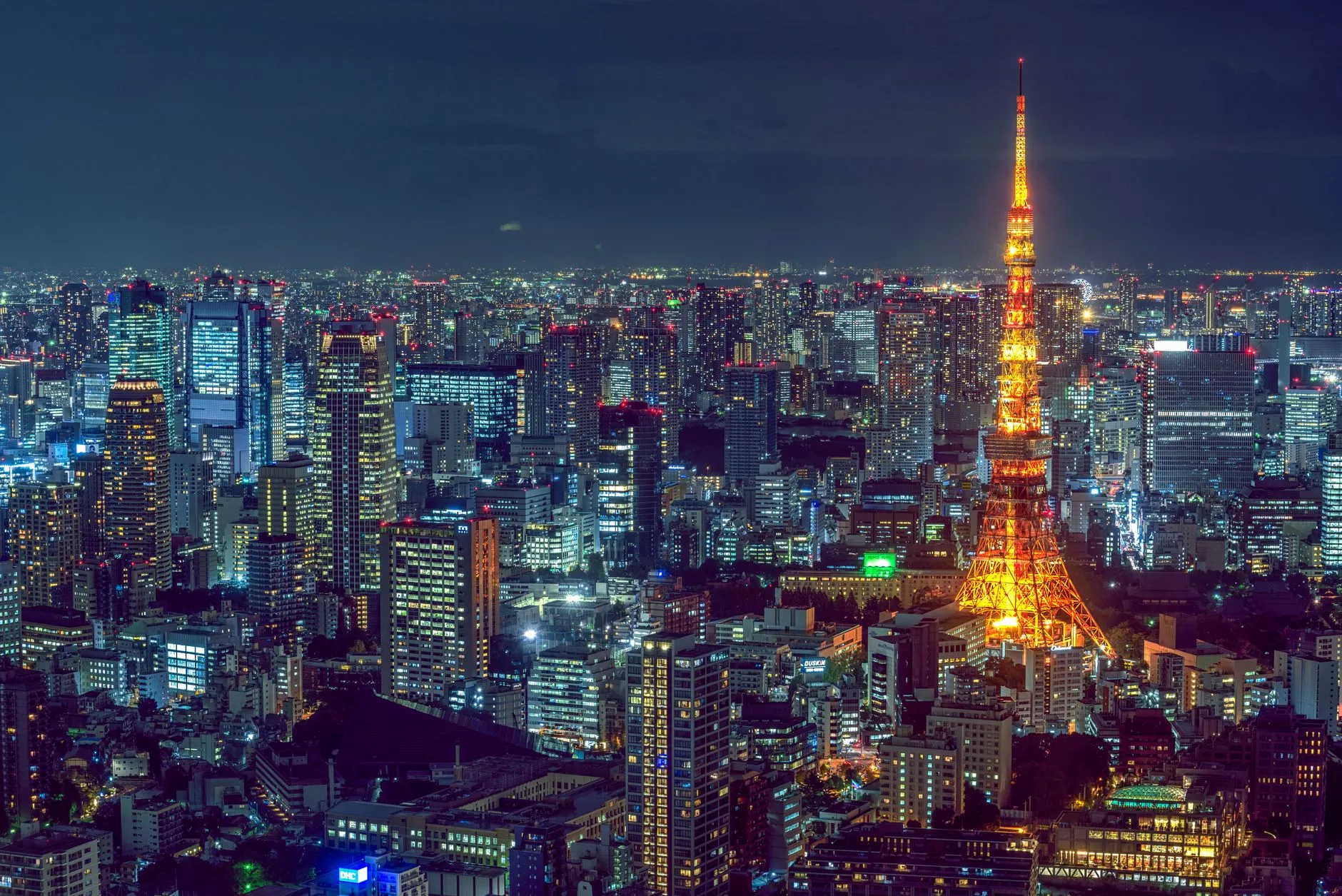
Everything you need for a trip to Tokyo: the key neighbourhoods, must-see attractions, where to sleep, Japanese food, day trips to Hakone and Kamakura, and a 3-day itinerary.