Tailored trips
Japan with Kids — Itinerary, Attractions and Family Tips
This guide contains affiliate links. If you book through them we earn a small commission, at no extra cost to you. Affiliate Disclosure
Japan is one of the easiest destinations in the world to travel with children. The streets are safe in the evening, clean public toilets are in almost every station, and it has things kids never forget: a train doing nearly 300 km/h, deer that bow, sushi arriving on a conveyor belt and some of the best theme parks anywhere.
What changes from a couples’ trip is the pace and the advance bookings. This guide covers exactly that: what suits each age, how to get around with a stroller, where to stay and what to lock in before you fly. For the route itself, start from the 7-day itinerary.
Why Japan works so well with kids
Three things make Japan especially easy for families. Safety: Japanese children ride trains alone from primary school. Infrastructure: every large station has lifts, toilets with changing tables and often a nursing room, and most malls and department stores have an equipped baby room. Food on hand: konbini (7-Eleven, FamilyMart, Lawson) are open 24 hours with onigiri, yogurt, cut fruit and water, so there is always an answer to sudden hunger.
What suits each age
Babies and toddlers (0–4): easier than it sounds. A carrier beats a stroller at temples with steps and at rush hour, and a light folding stroller beats a heavy one. Ages 5–9: the best age for theme parks, the aquarium and the deer of Nara. Ages 10 and up: anime, manga, arcades, teamLab and the Ghibli Museum, plus an easy hike up Mount Takao from Tokyo.
The big theme parks
Tokyo Disneyland and DisneySea — two neighbouring parks. Disneyland is classic and suits little ones; DisneySea is unique to Japan and more impressive for adults. Prices change by date; on the cheapest days a one-day ticket starts at about ¥8,900 (≈ $59) for adults and ¥5,300 (≈ $35) for children.
Universal Studios Japan (USJ) in Osaka — home of Super Nintendo World. A one-day ticket is about ¥8,400–9,400 (≈ $56–63) for adults and ¥5,400–6,300 (≈ $36–42) for ages 4–11; under-4s enter free. In busy seasons consider an Express Pass. More in the Osaka guide.
Universal Studios Japan ticketsFuji-Q Highland near Kawaguchiko — some of Japan’s fastest roller coasters, a gentler area for small children and a view of Mount Fuji.
Kids’ attractions in Tokyo and Osaka
Ghibli Museum — pure magic for anyone who grew up on Totoro. Tickets are sold only in advance, on the 10th of each month at 10:00 Japan time for the following month, through Lawson Ticket’s website, and they sell out fast. teamLab — digital art that kids run around inside. Pokémon Centers — giant shops children refuse to leave. In Osaka, the Kaiyukan aquarium is one of Japan’s largest and a perfect rainy-day plan.
Tickets for Tokyo attractionsTrains with kids and a stroller
The shinkansen ride is an attraction in itself. Children aged 6–11 pay half fare on JR trains, the shinkansen and the JR Pass (7-day child pass: ¥27,000 ≈ $180). Under-6s ride free as long as they don’t occupy a reserved seat. On a long ride it is worth paying the child fare to get a seat.
With a stroller, follow the signs for the lift (エレベーター) and avoid the morning (08:00–09:30) and evening rush. On the Tokaido and Sanyo shinkansen lines, a large suitcase (over 160 cm in combined dimensions) requires a reserved seat with luggage space, so it is easier to ship bags between cities with takkyubin and travel with just a daypack and the stroller. See the shinkansen guide.
Where to stay with kids
Japanese hotel rooms are small, and a standard business hotel fits two people. For a family of four, look for a family room (Family Room / Quad), a licensed apartment with a kitchenette, or in Kyoto a machiya, a traditional wooden townhouse rented whole. A ryokan with a private onsen (kashikiri) lets the whole family bathe together. See also where to stay in Tokyo.
Family rooms in TokyoFood kids actually eat
Conveyor-belt sushi (kaiten) is the big hit: kids pick their own plates, and there is fried chicken, corn and desserts too. Family restaurants (famiresu) such as Gusto and Saizeriya are cheap, show a photo of every dish, and some have kids’ menus. Ramen, udon, Japanese curry and karaage (fried chicken) suit nearly every child. Allergies? Print an allergy card in Japanese, since most staff don’t speak English. See also the Japanese food guide.
What to book in advance
Pace, rest and common mistakes
The biggest mistake is cramming. Plan two main attractions a day at most, with a midday break at the hotel or in a park, and one rest day a week. On a Fuji day trip with kids, drop one stop up front instead of rushing. Street bins are rare, so a small bag in your daypack saves a lot. In summer (July–August) heat and humidity are hard on little ones: do the outdoors in the morning and air-conditioned places at midday.
From here: build the frame with the 7-day itinerary or the 10-day itinerary, check when to go, or read about Osaka, Japan’s most family-friendly city.
Frequently asked questions
From what age is Japan a good trip for kids?
There is no minimum age. With babies and toddlers Japan is very easy thanks to the cleanliness, changing rooms and safety. From about 5–6, kids really enjoy the theme parks, the shinkansen and the deer in Nara.
Do children pay on Japanese trains?
Children aged 6–11 pay half fare on JR trains and the shinkansen. Under-6s ride free as long as they don't occupy a reserved seat. A child JR Pass costs half the adult price.
Tokyo Disney or Universal Osaka?
For young children, Tokyo Disney is calmer and more magical. For older kids and Mario fans, Universal Osaka with Super Nintendo World. Both price by date, so buy tickets in advance.
How many days does a family trip to Japan need?
10–14 days is the right pace for a family: Tokyo, the Fuji area and Kyoto–Osaka, with a rest day. With one week, stick to Tokyo and Kyoto–Osaka.
Related guides
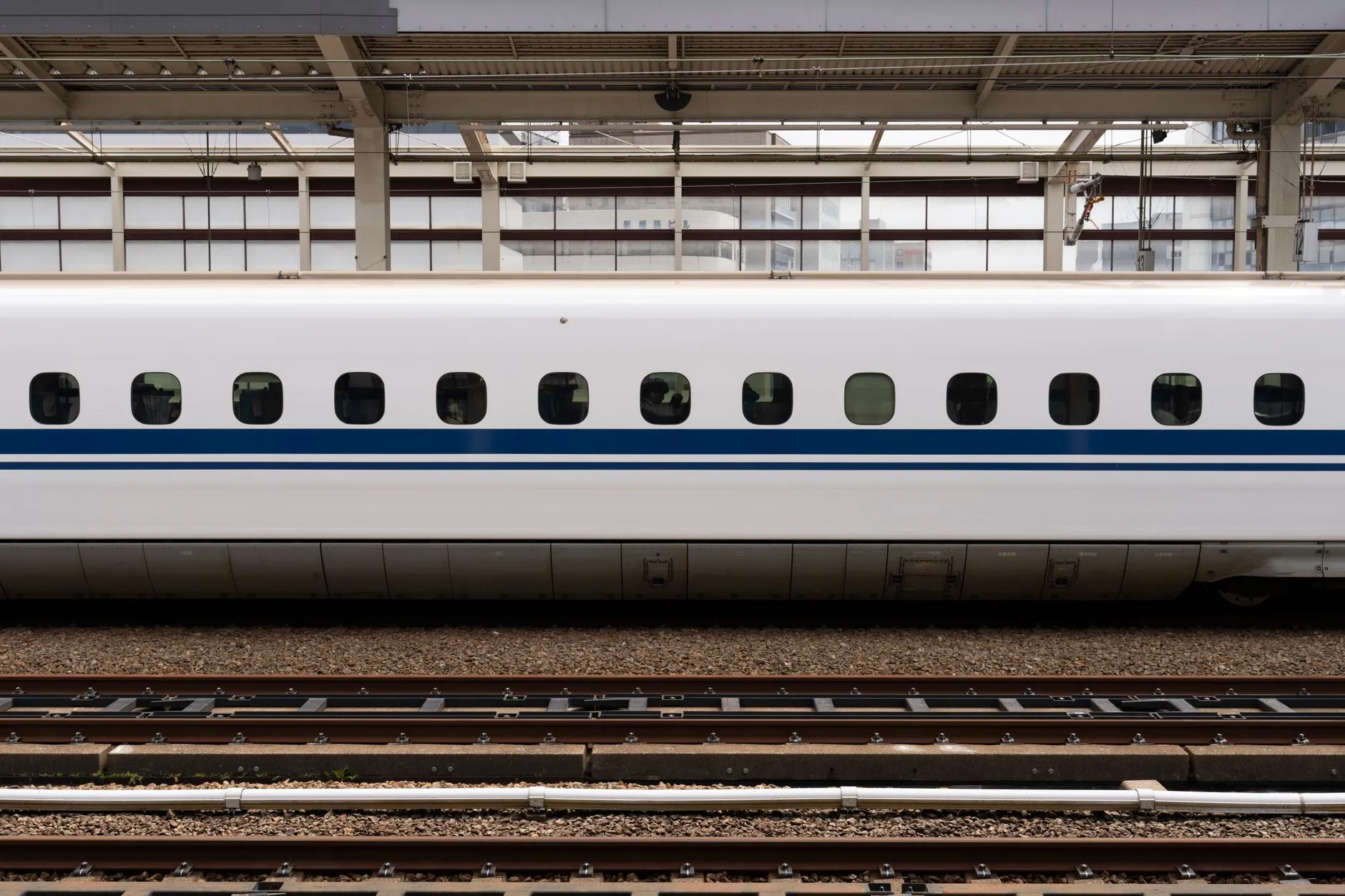
7-Day Japan Itinerary — Day-by-Day Plan
A detailed 7-day Japan itinerary: Tokyo, Kyoto, and Osaka day by day, including day trips, JR Pass, accommodation, and budget. The ideal first-timer's plan.
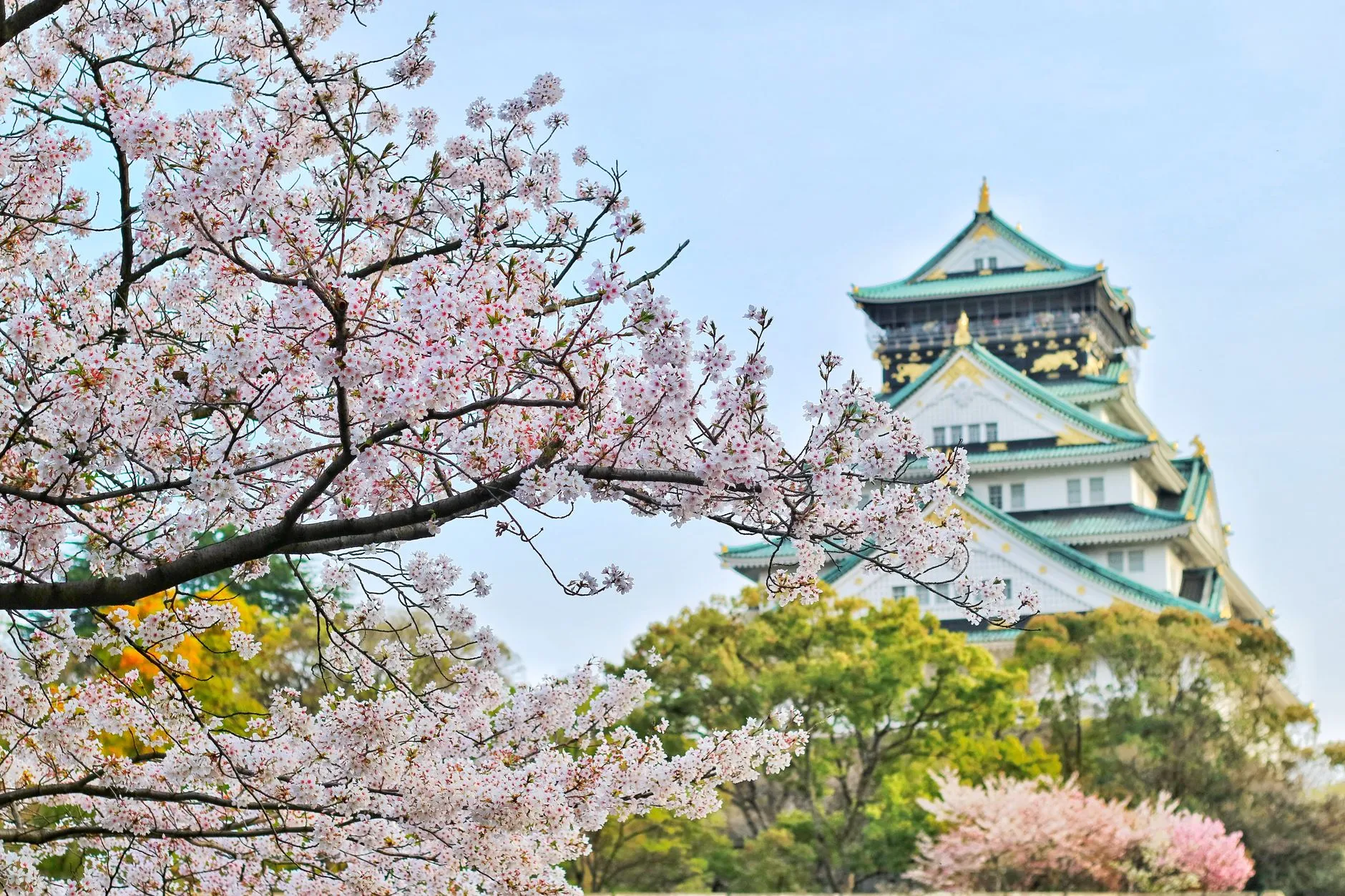
Osaka: Guide to Food, Nightlife and Attractions
Everything you need for Osaka: Dotonbori, Osaka Castle, Shinsaibashi, Universal Studios Japan, where to stay, and a recommended 2-day itinerary.
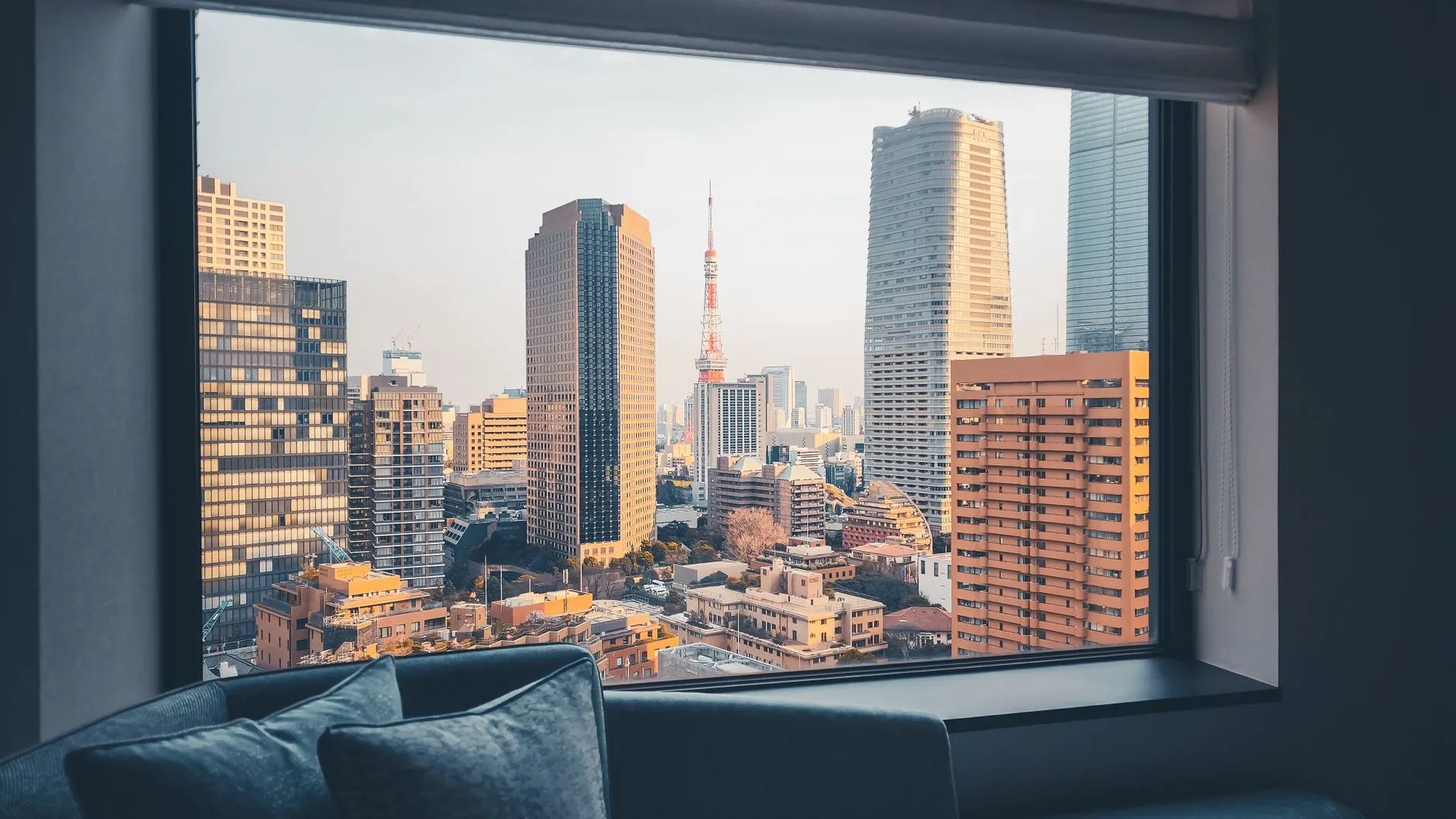
Where to Stay in Tokyo — Neighborhoods, Hotel Types and Prices
Guide to accommodation in Tokyo: the best neighborhoods, hotel types from business hotels to ryokan, price ranges, and smart booking tips.