Cities in Japan
Hokkaido and Sapporo — A Guide to the Northern Island: Snow, Lavender, Otaru and Getting There
This guide contains affiliate links. If you book through them we earn a small commission, at no extra cost to you. Affiliate Disclosure
Hokkaido (北海道), the northern island and the largest after Honshu, is a different Japan: open spaces, snowy mountains, farms and flower fields, and far less crowding than Tokyo and Kyoto. In winter it is one of the best snow and ski destinations in the world, and in summer it is a cool, pleasant escape from the heat of the rest of Japan.
The capital, Sapporo, is the natural base for a trip, and from there you head out to Otaru, Furano and Niseko. This guide explains what to see, when to come and how to fit Hokkaido into a route that starts in Tokyo.
Sapporo — the main city
Sapporo was built in the late 19th century on a street grid, so it is easy to find your way around. Through the heart of the city runs Odori Park, a green strip more than a kilometre long, with the TV Tower and its city view at one end. South of it is Susukino, the nightlife and food district, and in the north of the city is the Sapporo Beer Museum, in a historic brick building, with tastings at the end of the visit. On a clear day it is worth taking the ropeway up Mount Moiwa for one of the finest night views in Japan.
Hotels in SapporoThe Sapporo Snow Festival
The Sapporo Snow Festival is Japan’s great winter event: huge snow and ice sculptures, some the size of a building, along Odori Park, plus illuminated ice sculptures in Susukino. The next festival runs on 4–11 February 2027, and entry is free. Hotels in the city fill up months ahead, so if you are planning to come, book now. More festivals through the year in the Japan festival calendar.
Otaru — canal and warehouses
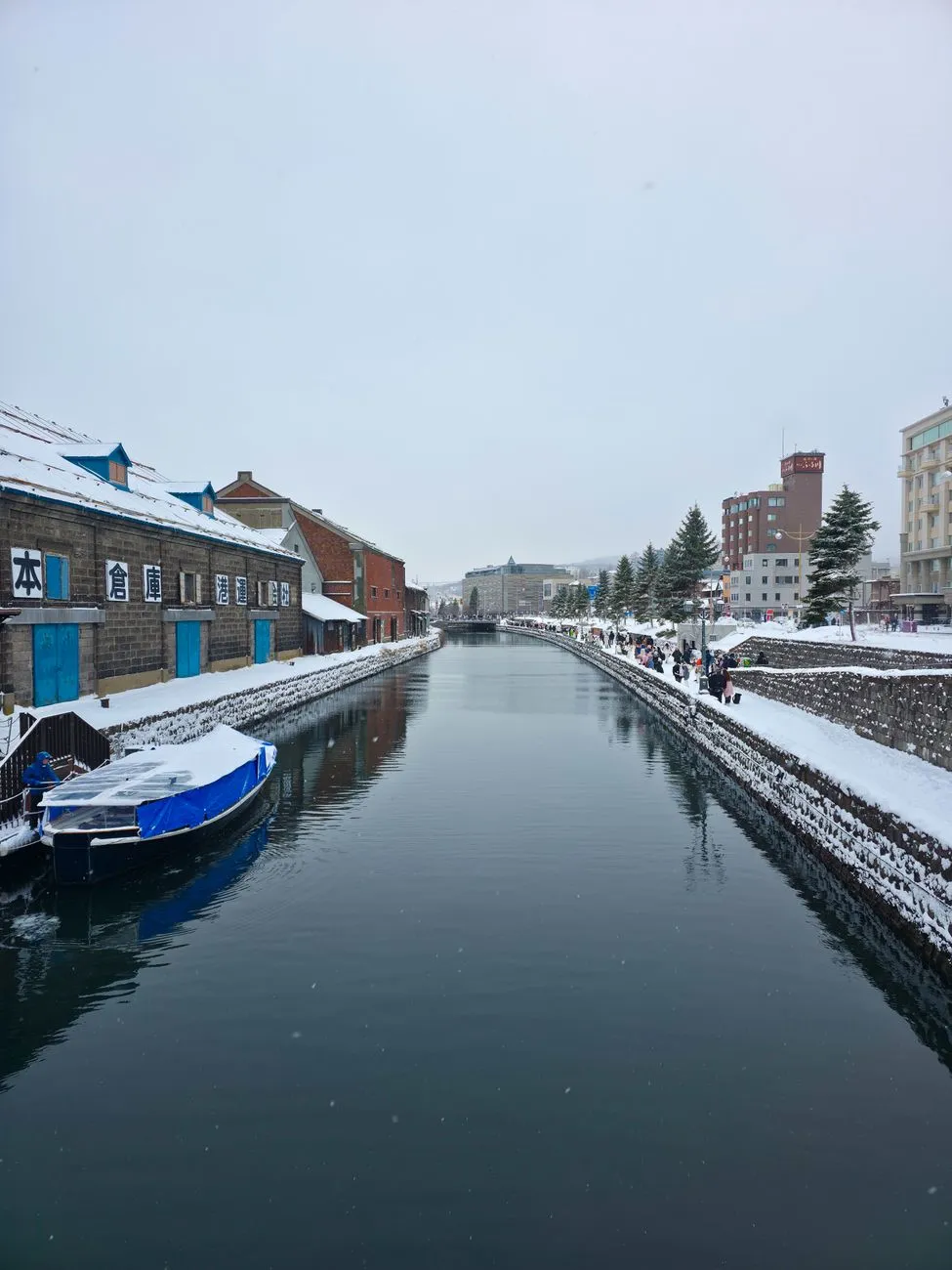
Otaru, a small port town about 40 minutes by train from Sapporo, is famous for its canal, lined with early 20th-century stone warehouses that have become restaurants and shops. Sakaimachi Street has glass workshops, music box shops and cafés, and around the port are sushi restaurants serving fish from the northern sea. On winter evenings the canal is lit with lanterns and candles, and a day in Otaru is the easiest day trip from Sapporo.
Furano and Biei — the lavender fields
In the centre of the island, about two hours from Sapporo, lie Furano and Biei: rolling hills, flower fields in stripes of colour, and mountains in the background. The lavender blooms mainly from mid to late July, and the famous Farm Tomita is free to visit. In Biei, stop at the Blue Pond (Aoiike), whose water is turquoise. Public transport in the area is sparse, so a rental car or an organised tour saves a lot of time.
Day tours to Furano and Biei from SapporoNiseko — skiing and powder snow
Niseko, about two and a half hours from Sapporo, is Japan’s best-known ski resort among foreign visitors, thanks to its especially dry, light powder snow. The season runs roughly from December to April, with the best snow in January–February. The village has hotels at every level, ski schools with English-speaking instructors and equipment rental, so it suits beginners and families too. If you want a more Japanese atmosphere with fewer foreigners, choose Rusutsu or Furano in the centre of the island.
Hakodate and Noboribetsu
Hakodate, in the south of the island, is known for the night view from Mount Hakodate, one of the most famous in Japan, and for its morning market with crab, salmon-roe rice and bowls of fresh fish. It is also the first stop if you arrive by shinkansen from Tokyo, about four hours away. Noboribetsu, about an hour by train from Sapporo, is one of Japan’s biggest onsen towns, with Jigokudani, “Hell Valley”, a valley of steam, sulphur and boiling springs. For staying at an onsen, see the ryokan and onsen guide.
Food in Hokkaido
Hokkaido is considered Japan’s larder. Miso ramen was born in Sapporo, and Susukino has a whole alley of ramen stalls. Jingisukan, lamb grilled on a dome-shaped grill, is the local dish. Seafood: crab, kombu seaweed, salmon-roe rice (ikura) and sea urchin. And for dessert, dairy from the island’s farms: soft-serve ice cream, chocolate and cheesecakes. At Nijo Market in central Sapporo you can taste much of this in a single morning.
Getting there and getting around
The fast way is a domestic flight from Tokyo, about an hour and a half to New Chitose Airport, then a rapid train to Sapporo in about 40 minutes. From Osaka the flight takes about two hours. The shinkansen currently only reaches Shin-Hakodate-Hokuto, and the extension to Sapporo is not expected until the late 2030s. On the island, trains link the big cities, but distances are long and in rural areas a rental car is more convenient. In winter heavy snow can cancel trains and flights, so leave a spare day before your flight home.
When to come and how to fit it into your route
Winter is the most popular season, thanks to the snow and the festival, but it is also very cold, with temperatures below zero almost all day. Summer is pleasant, usually 20–25°C, without the rainy season of the rest of Japan. Autumn brings the leaves early, already in late September in the mountains. On a classic two-week route you can add Hokkaido as four or five days at the end and fly home from Tokyo. More on choosing the season in when to go to Japan.
From here: choose when to go to Japan, browse the festival calendar or plan the start of your trip in Tokyo.
Frequently asked questions
How do you get from Tokyo to Hokkaido?
The simplest way is a domestic flight: about an hour and a half from Haneda or Narita to New Chitose Airport, then about 40 minutes by train to Sapporo. The shinkansen currently only reaches Shin-Hakodate-Hokuto in the south of the island, so the train all the way to Sapporo takes a full day.
When is the best time to visit Hokkaido?
It depends on what you want: January–February for snow, skiing and the Sapporo Snow Festival; July for the lavender fields and a pleasant summer without Tokyo's humidity; late September–October for autumn leaves, which arrive here before the rest of Japan.
How many days do you need in Hokkaido?
At least four: two in Sapporo including a day in Otaru, plus two more for Furano and Biei in summer or Niseko in winter. With a week you can add Hakodate or Noboribetsu.
Is the JR Pass worth it in Hokkaido?
The national JR Pass covers JR Hokkaido trains, but not the domestic flight, which is the fast way to get there. If you fly straight to Sapporo, a regional JR Hokkaido pass is better value.
Related guides
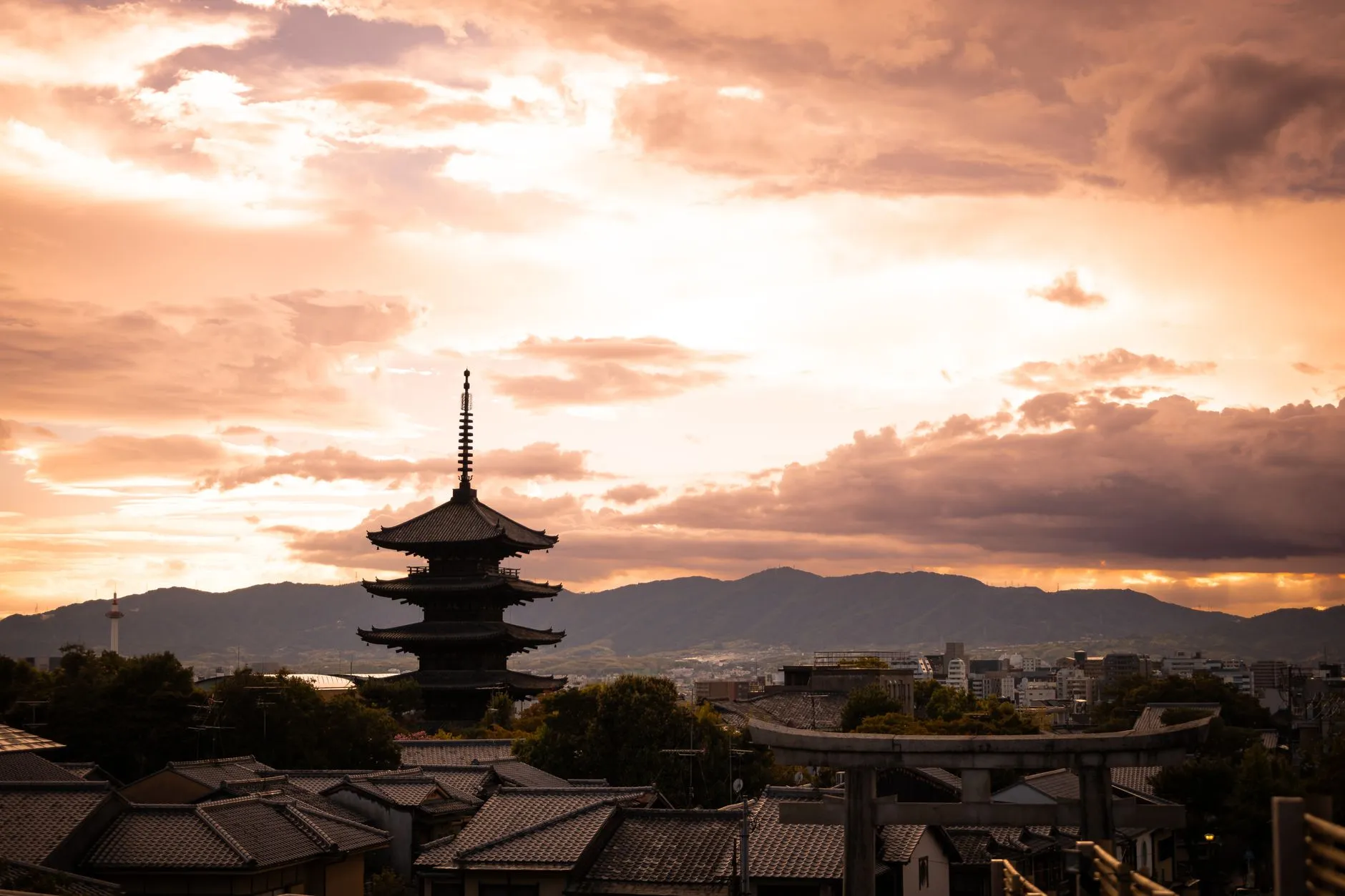
When to Visit Japan — Month-by-Month Season Guide
When to fly to Japan? Complete guide to all seasons: spring, summer, autumn and winter, month-by-month weather, cheap vs. busy seasons, and holidays to avoid.
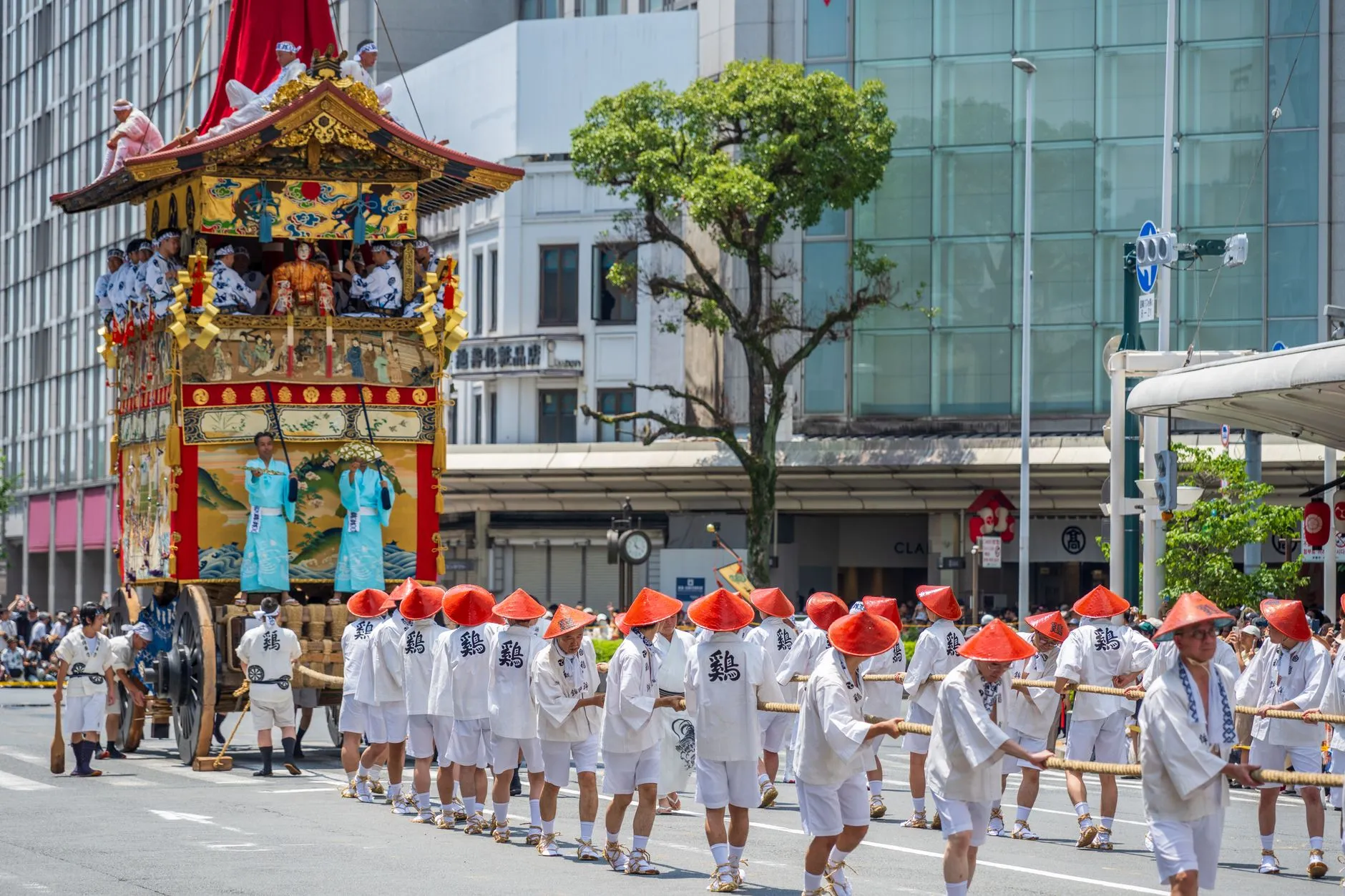
Festivals in Japan — A Seasonal Matsuri Calendar, Fireworks and How to Enjoy Them
Japan's biggest festivals month by month: Sapporo Snow Festival, Kyoto's Gion Matsuri, Aomori Nebuta, Awa Odori, the Sumida fireworks and Takayama. Dates, tips and booking a room in time.
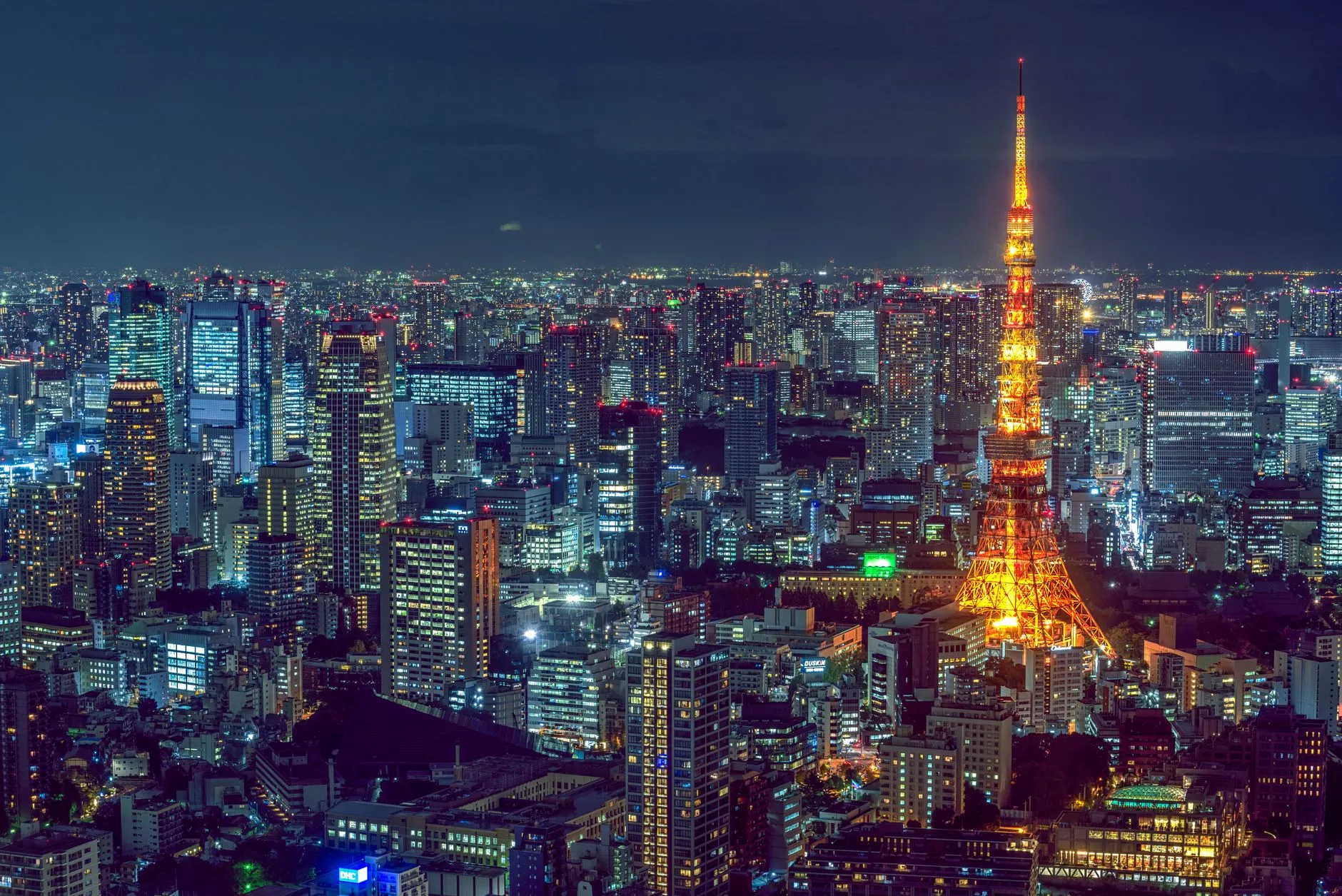
Tokyo: A Complete Guide to Neighbourhoods and Attractions
Everything you need for a trip to Tokyo: the key neighbourhoods, must-see attractions, where to sleep, Japanese food, day trips to Hakone and Kamakura, and a 3-day itinerary.