Attractions and nature
Tokyo Observation Decks — Shibuya Sky, Skytree, Tokyo Tower and Free Views
This guide contains affiliate links. If you book through them we earn a small commission, at no extra cost to you. Affiliate Disclosure
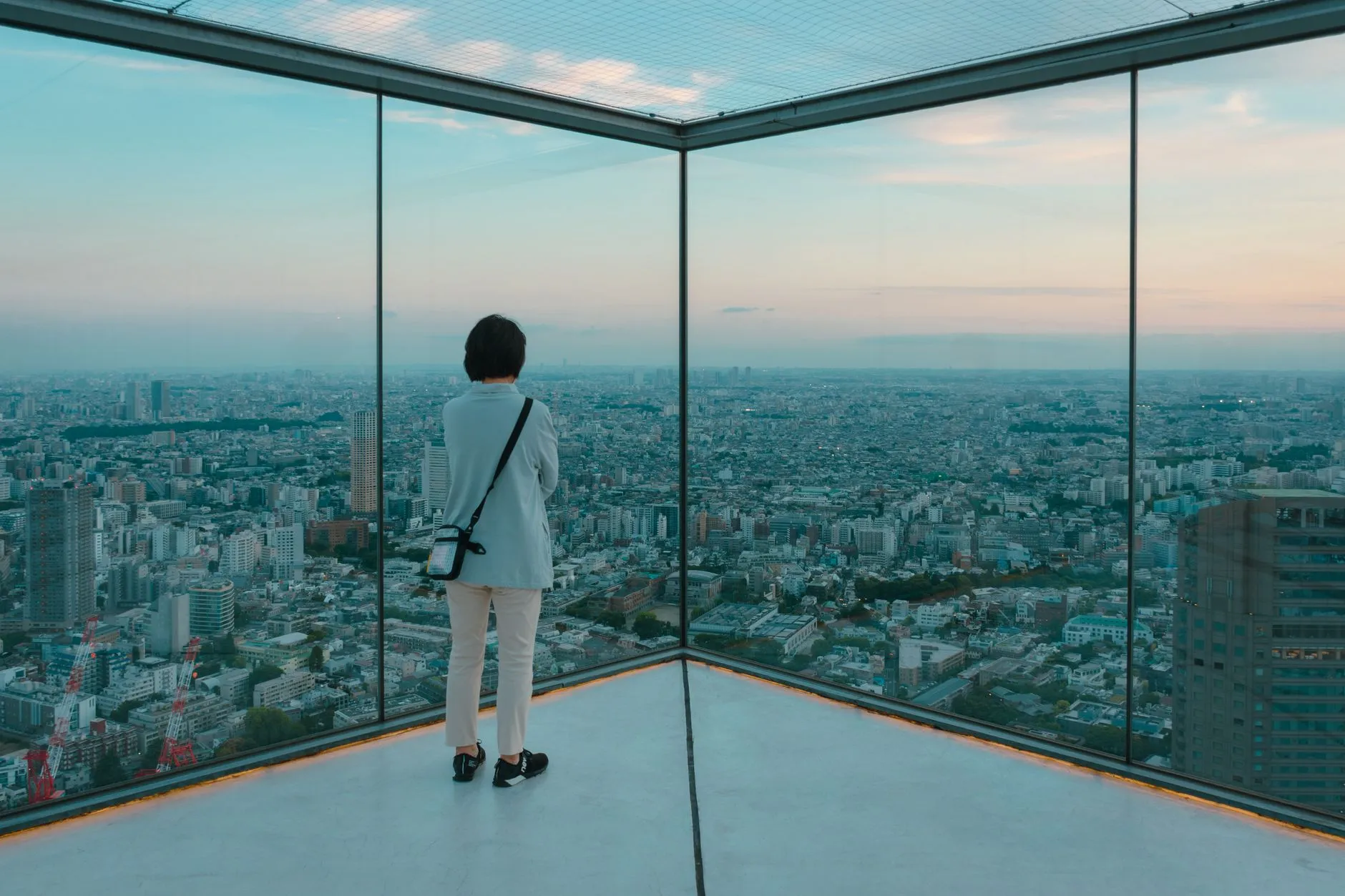
Tokyo looks best from above: a sea of buildings to the horizon, the Sumida River, orange Tokyo Tower and, on clear days, Mount Fuji. The city has more than ten observation decks, and they differ a lot: outdoors or behind glass, full price or free, better at sunset or by day.
This guide compares the main decks and helps you choose one or two that suit you. For everything else in the city, see the Tokyo guide.
Shibuya Sky — best for sunset
SHIBUYA SKY sits on the roof of Shibuya Scramble Square, about 230 metres up, above the famous crossing. What sets it apart is the open-air rooftop: you stand outside with no glass between you and the city, looking at Tokyo Tower, Skytree and, on clear days, Fuji.
Online, it costs ¥2,700 (≈ $18) for entry before 15:00 and ¥3,400 (≈ $23) from 15:00; the counter charges ¥300 more. Tickets go on sale up to two weeks ahead, and sunset slots sell out first. In rain or strong wind the roof closes and the visit is indoors only.
Shibuya Sky ticketsTokyo Skytree — the highest
Tokyo Skytree (634 m) is the tallest structure in Japan. It has two decks: the Tembo Deck at 350 metres and the Tembo Galleria at 450 metres, with a glass ramp spiralling around the tower. Since April 2026 prices vary by day: a Tembo Deck ticket starts at ¥1,800 (≈ $12) and the combo ticket for both decks at ¥3,000 (≈ $20). Buying at the counter adds ¥500 per ticket.
Skytree is near Asakusa, so it pairs well with Senso-ji temple and a Sumida River cruise. On clear winter mornings you can see Fuji from the top.
Tokyo Skytree ticketsTokyo Tower — the classic
Tokyo Tower (333 m), the orange-and-white tower opened in 1958, is still the city’s symbol. The Main Deck at 150 metres costs about ¥1,500 (≈ $10), and the Top Deck tour to 250 metres about ¥3,300 (≈ $22). The view is less dramatic than Skytree’s, but the experience is nostalgic, and the tower itself is beautifully lit at night.
Most of the best photos of Tokyo Tower are taken from outside: from Zojo-ji temple at its foot, or from a deck that looks across at it.
Metropolitan Government Building, Shinjuku — free
The Tokyo Metropolitan Government Building (Tocho) in Shinjuku has a free observation deck on the 45th floor, 202 metres up. The South Observatory is open into the evening (last entry around 21:30), with a short security check at the door. Some decks close on certain days each month, so check before you go.
In the evenings a free projection-mapping show called Tokyo Night & Light is projected onto the building’s facade. A free sunset view followed by the light show makes a great evening without spending a single yen.
More decks worth knowing
Tokyo City View at Roppongi Hills (52nd floor): an indoor deck open until 22:00 with a direct view of Tokyo Tower, for about ¥2,000–2,400 depending on the day.
Pair the view with the neighbourhood
A good deck is also a reason to explore an area. Shibuya Sky goes well with an evening at the Shibuya crossing and nearby Harajuku. Combine Skytree with a morning in Asakusa and Senso-ji. The Metropolitan Government Building is a few minutes’ walk from Shinjuku Station, so afterwards you can drop into the izakaya alleys of Omoide Yokocho and Golden Gai. And Tokyo Tower is close to Roppongi and Shiba Park.
Tokyo Tower ticketsSleep with a view
If you want the view from your window too, choose a hotel on the upper floors in Shinjuku, Shibuya or Odaiba. A city-view room, especially facing Tokyo Tower or Skytree, costs more, but one such night at the end of the trip is a lovely way to say goodbye to the city. See also where to stay in Tokyo.
How to choose: day, sunset or night
By day you see the farthest, and on a clear winter morning there is a good chance of Fuji. At sunset you get both worlds, golden light and then the city switching on, but these are also the busiest and priciest hours. At night decks are quieter, and the lit-up city is especially striking from an open roof.
Rule of thumb: check the cloud forecast in the morning. On a grey day don’t pay for a view; pick another attraction from the things to do in Tokyo list.
Tips for your visit
Book Shibuya Sky ahead for the sunset slot, a week or two in advance. Arrive 20 minutes before sunset, since the lift queue is long at that hour. Shoot without reflections: press the camera against the glass and wear dark clothes. And at Shibuya Sky, large bags, hats and tripods are not allowed on the roof; there are lockers at the entrance.
From here: plan your stay with the Tokyo guide, find more ideas in things to do in Tokyo, or choose where to stay in Tokyo.
Frequently asked questions
Which Tokyo observation deck is best?
For sunset and an open-air experience, Shibuya Sky. For sheer height, Tokyo Skytree. For free, the Metropolitan Government Building in Shinjuku. If you pick just one, Shibuya Sky at sunset is the safest bet.
How much is Shibuya Sky?
Online, ¥2,700 (≈ $18) for entry before 15:00 and ¥3,400 (≈ $23) from 15:00; ¥300 more at the counter. Tickets go on sale up to two weeks ahead, and sunset slots sell out first.
Is there a free observation deck in Tokyo?
Yes. The Tokyo Metropolitan Government Building in Shinjuku (Tocho) is free and open into the evening, 202 metres up.
Can you see Mount Fuji from Tokyo?
Yes, on clear days, mostly on late-autumn and winter mornings. Your best chance is from the high, west-facing decks such as Skytree and the Metropolitan Government Building.
Related guides
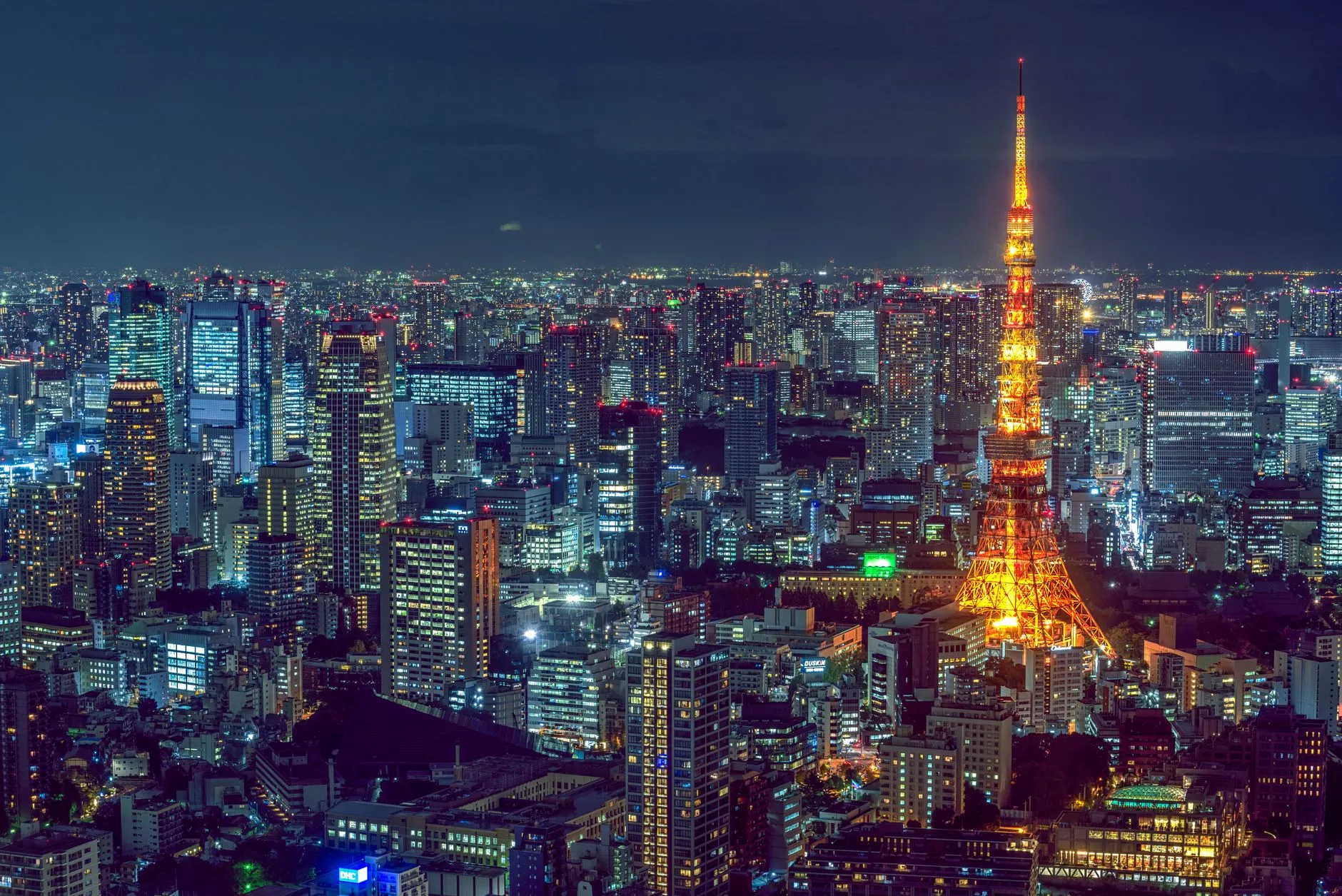
Tokyo: A Complete Guide to Neighbourhoods and Attractions
Everything you need for a trip to Tokyo: the key neighbourhoods, must-see attractions, where to sleep, Japanese food, day trips to Hakone and Kamakura, and a 3-day itinerary.
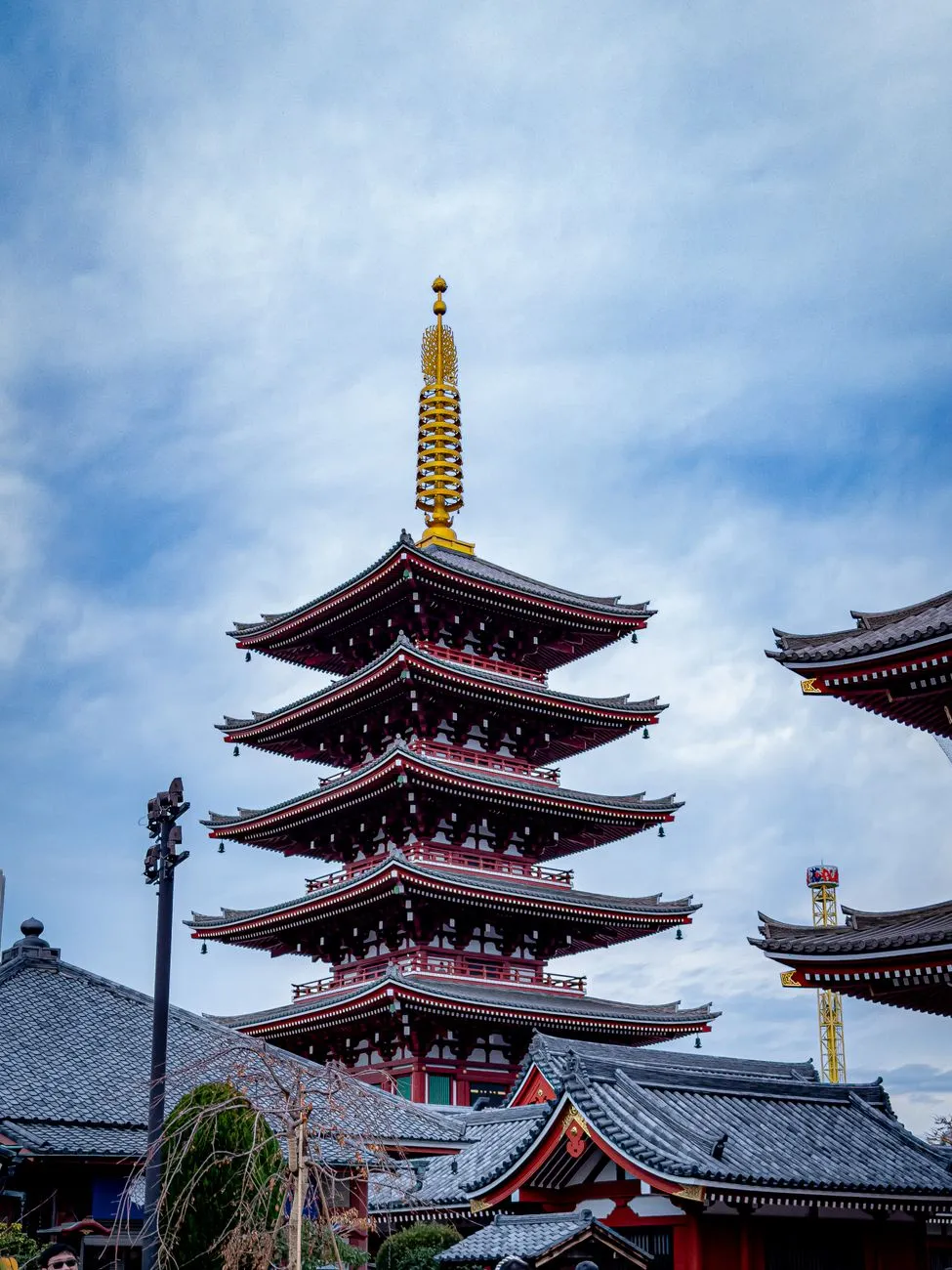
Things to Do in Tokyo: Top Experiences
The best experiences in Tokyo: from Shibuya crossing and Senso-ji to teamLab, izakaya, baseball, and observation decks — a complete guide.
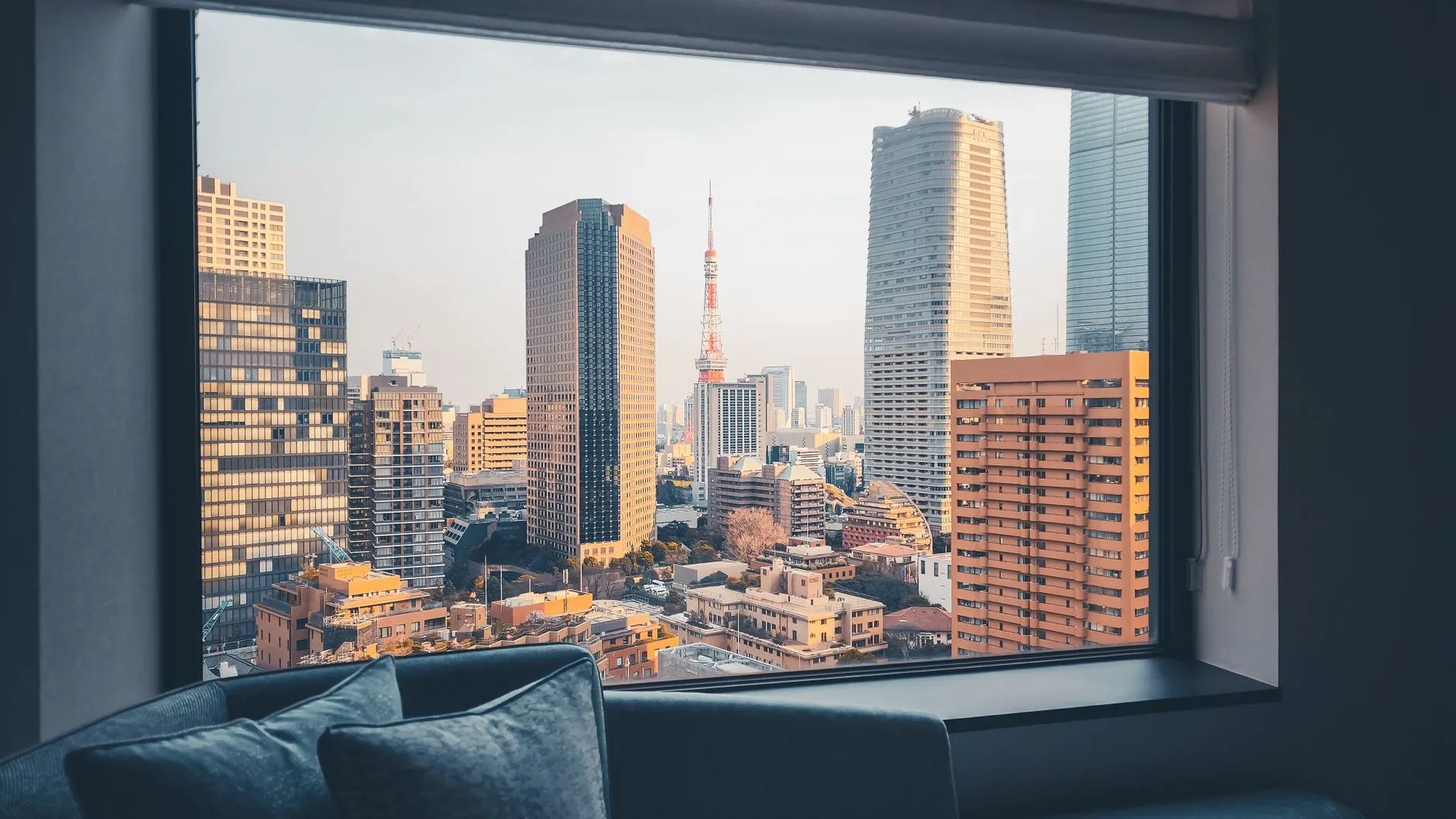
Where to Stay in Tokyo — Neighborhoods, Hotel Types and Prices
Guide to accommodation in Tokyo: the best neighborhoods, hotel types from business hotels to ryokan, price ranges, and smart booking tips.