Cities in Japan
Kamakura — The Great Buddha, Temples, the Enoden Train and Enoshima: The Complete Guide
This guide contains affiliate links. If you book through them we earn a small commission, at no extra cost to you. Affiliate Disclosure
Kamakura (鎌倉), about an hour south of Tokyo, was Japan’s capital in the 12th and 13th centuries, and dozens of temples and shrines remain among its wooded hills. Today it is a relaxed seaside town that combines history, nature and the sea in a single day trip, with the Great Buddha as its famous symbol.
This guide explains what to see, in what order and how to get there. To compare it with other day trips, see day trips from Tokyo.
The Great Buddha — Kotoku-in
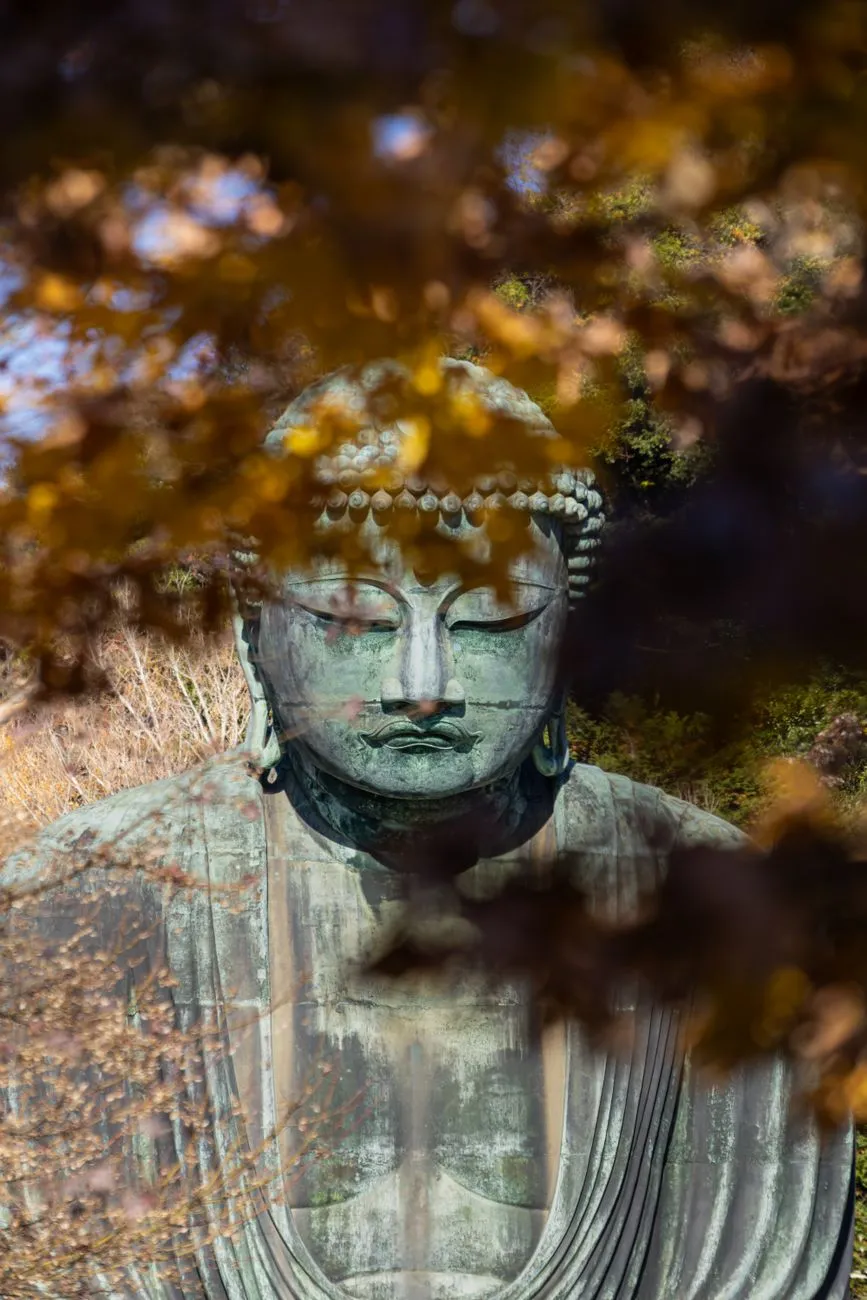
The Great Buddha (Daibutsu) at Kotoku-in temple is a bronze statue of Amida Buddha about 11 metres tall, about 13 metres with its base, cast in the 13th century. It originally stood inside a wooden hall, but a tsunami in the late 15th century destroyed the hall, and since then it has sat in the open air. You can go inside the statue to see how it was built, for a token extra fee. Entry to the temple is about ¥300 (≈ $2) for adults, and it is about 10 minutes’ walk from Hase Station on the Enoden line.
Hase-dera — a temple with a sea view
About 5 minutes’ walk from the Buddha is Hase-dera (長谷寺), a hillside temple with a view over the bay, gardens, ponds and a small cave with figures carved into the rock. The main hall holds a gilded wooden statue of the eleven-headed Kannon, about 9 metres tall and one of the largest in Japan. In June its hydrangea path is one of the most famous in the area and requires an extra ticket, sometimes booked in advance. Entry is about ¥400 (≈ $3) for adults.
Tsurugaoka Hachimangu and Komachi Street
From Kamakura Station starts Komachi Street (Komachi-dori), a pedestrian street packed with shops, snack stalls and cafés, leading to Tsurugaoka Hachimangu, the town’s most important Shinto shrine. A wide avenue with torii gates also leads to it, and the grounds have bridges, lotus ponds and steps up to the main hall. Entry is free. Note: on Komachi Street visitors are asked not to eat while walking, but to stand by the stall.
Hokoku-ji — the bamboo grove
Hokoku-ji (報国寺), about 20 minutes’ walk or a short bus ride from Tsurugaoka Hachimangu, is a small Zen temple with a bamboo grove of some two thousand green stalks. With your ticket you can add matcha and a Japanese sweet at a small teahouse facing the bamboo. It is a far quieter alternative to the crowded bamboo grove of Arashiyama in Kyoto.
Guided tours in KamakuraThe Enoden train
The Enoden, a little train more than a hundred years old, runs from Kamakura Station along the coast to Fujisawa, sometimes passing right between houses and alongside the sea. It is the convenient way to reach the Great Buddha (Hase Station) and Enoshima. An Enoden day pass is good value if you hop off at several stops. Near Kamakurakokomae Station is the famous level crossing from the anime series “Slam Dunk”. If you stop there, take photos from the pavement, not the road, and be considerate of residents.
Enoshima — island, shrines and sunset
Enoshima (江の島) is a small island connected to the shore by a bridge, at the end of the Enoden line. A narrow street lined with seafood stalls leads up to Enoshima Shrine, the Sea Candle observation tower and the Iwaya caves on the seaward side. On a clear day you can see Mount Fuji across the bay, especially in winter and at sunset. Near the island is a large aquarium that suits families, and a beach that fills with surfers and swimmers in summer.
Food in Kamakura
The local speciality is shirasu, tiny whitebait caught in the bay, served boiled or raw on a bowl of rice (shirasu-don), mainly from spring to autumn. Komachi Street has snack stalls selling things like croquettes and fried sweet potato, and the sweet shops sell Hato Sabure, a dove-shaped butter biscuit that is the classic souvenir of the town. Around the coast and on Enoshima there are seafood restaurants with views, and Kamakura also has shojin ryori restaurants serving the vegetarian cuisine of Zen temples.
Getting there
From Tokyo: the JR Yokosuka Line from Tokyo Station to Kamakura Station, about an hour, with no changes. From Shinjuku and Shibuya: the JR Shonan-Shinjuku Line, about an hour, sometimes with a change at Ofuna. The trip is covered by the JR Pass and works with a Suica card. Alternative: Odakyu from Shinjuku to Enoshima, with a combined pass covering Kamakura and the Enoden. From Yokohama the trip takes about half an hour, so it is easy to combine the two; see the Yokohama guide.
How to plan the day
A convenient route: arrive in the morning at Kita-Kamakura Station, one stop before Kamakura, and visit the Zen temples Engaku-ji and Kencho-ji. From there walk to Tsurugaoka Hachimangu and Komachi Street, and at midday take the Enoden to the Great Buddha and Hase-dera. If you still have energy, carry on to Enoshima for sunset. On weekends and holidays the town is very crowded and the Enoden queues are long, so pick a weekday.
Most visitors go back to Tokyo to sleep. If you want to see the town in peace early in the morning, you can stay near the station or by the coast.
Hotels in KamakuraFrom here: compare destinations in day trips from Tokyo, combine with Yokohama or go back to the Tokyo guide.
Frequently asked questions
How long does it take to get from Tokyo to Kamakura?
About an hour on the JR Yokosuka Line from Tokyo Station, or on the Shonan-Shinjuku Line from Shinjuku and Shibuya. The trip is covered by the JR Pass and works with an ordinary Suica card.
How much does the Great Buddha cost?
About ¥300 (≈ $2) for adults and about ¥150 (≈ $1) for children. You can also go inside the statue for a token extra fee, in cash. Prices as of October 2026.
Can you combine Kamakura and Enoshima in one day?
Yes. Start with the temples in the north of town, take the Enoden to the Great Buddha and Hase-dera, and carry on by train to Enoshima for sunset. It is a full day, so leave Tokyo early.
When is Kamakura at its most beautiful?
In June, when the hydrangeas (ajisai) bloom at Hase-dera and Meigetsu-in, and in late November to early December for autumn leaves. These are also the busiest periods, so arrive early in the morning and on weekdays.
Related guides
Day Trips from Tokyo: Hakone, Fuji, Nikko and Kamakura
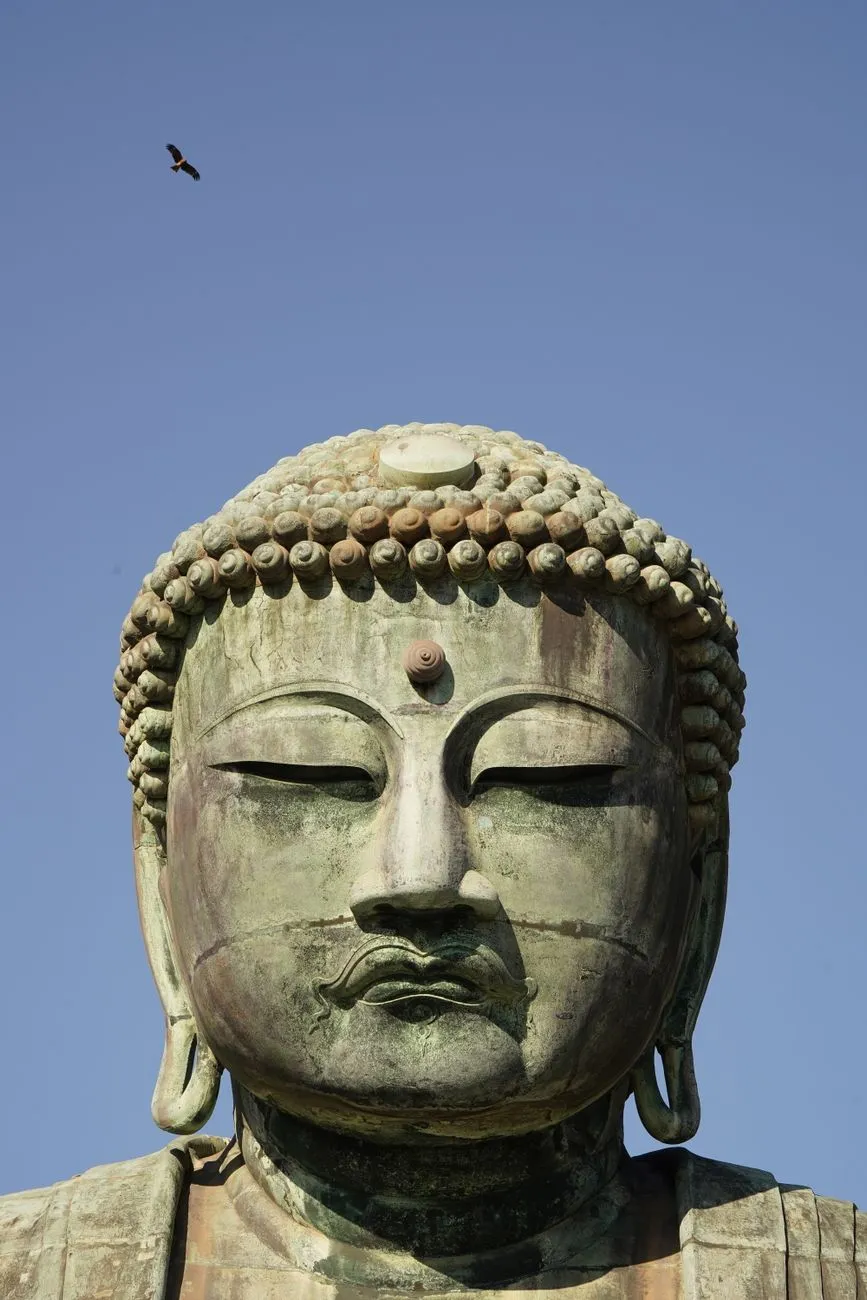
The best day trips from Tokyo: Hakone and the Fuji lakes, Nikko, and Kamakura — how to get there, what to see, and tips for planning the perfect escape.
Yokohama: Guide to Japan's Port City
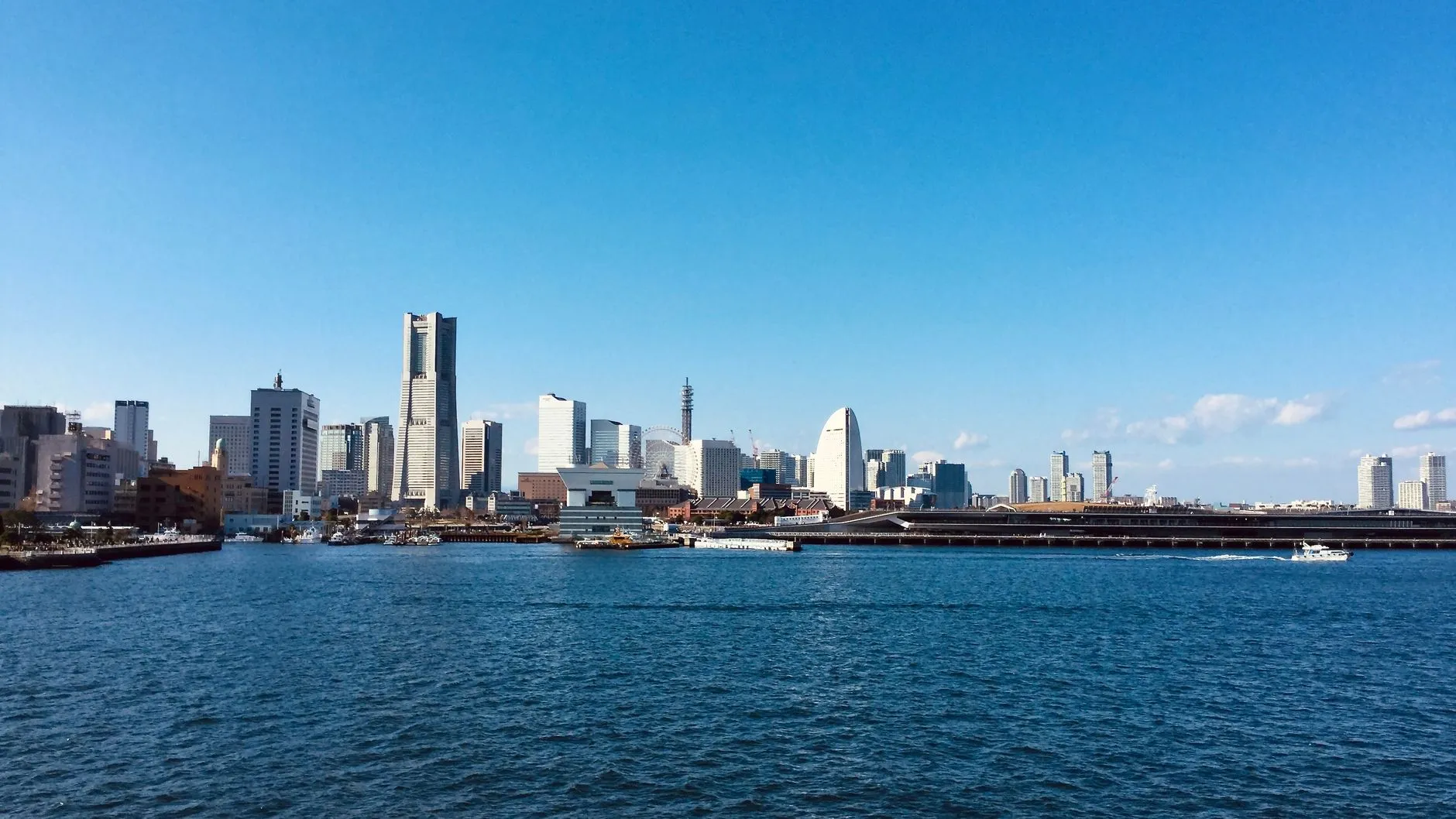
Everything you need for Yokohama: Minato Mirai, Japan's largest Chinatown, Yamashita Park, Sankeien Garden, and Motomachi — and how to combine a visit from Tokyo.
Tokyo: A Complete Guide to Neighbourhoods and Attractions
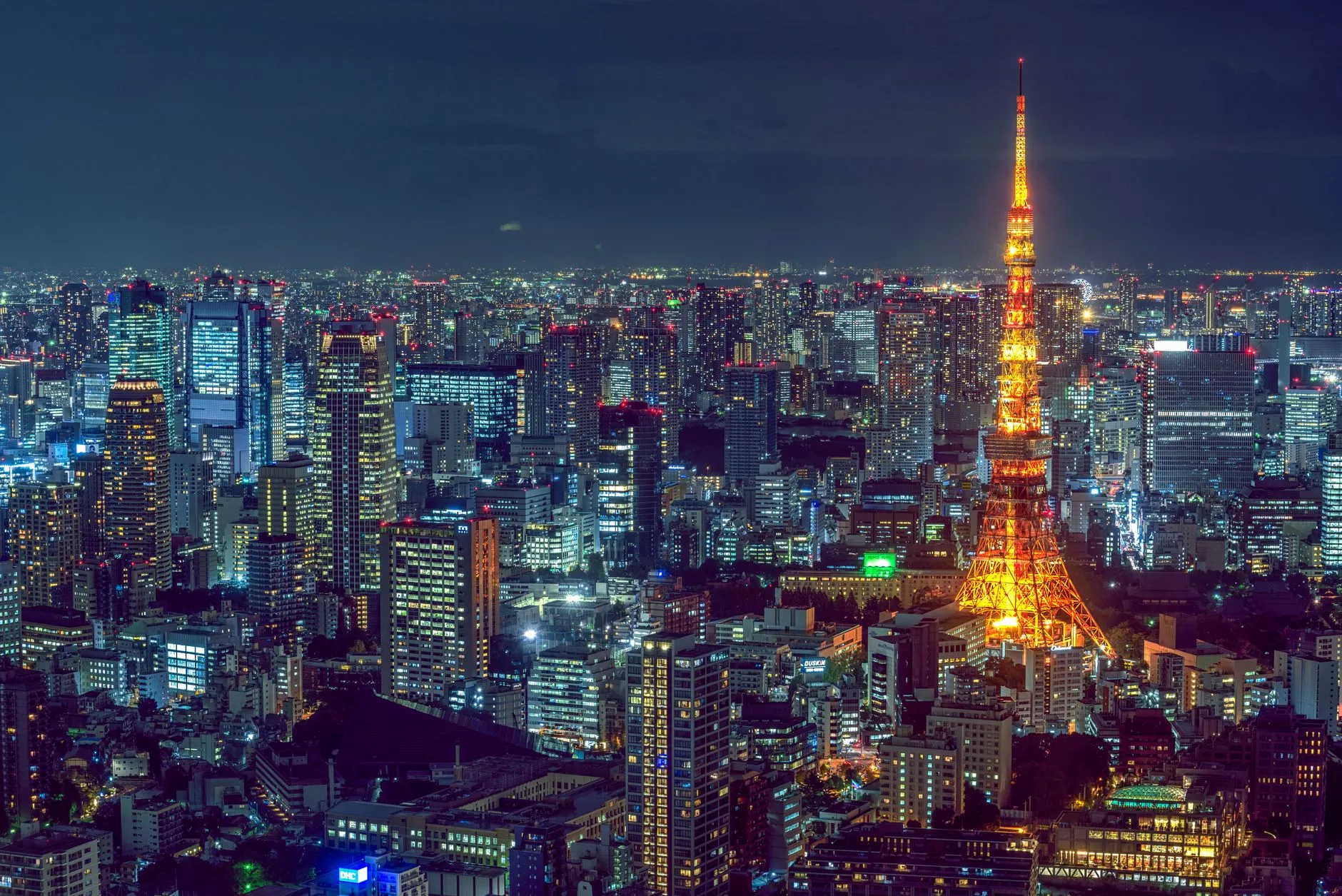
Everything you need for a trip to Tokyo: the key neighbourhoods, must-see attractions, where to sleep, Japanese food, day trips to Hakone and Kamakura, and a 3-day itinerary.