Attractions and nature
teamLab in Tokyo — Planets or Borderless, Tickets, Prices and What to Wear
This guide contains affiliate links. If you book through them we earn a small commission, at no extra cost to you. Affiliate Disclosure
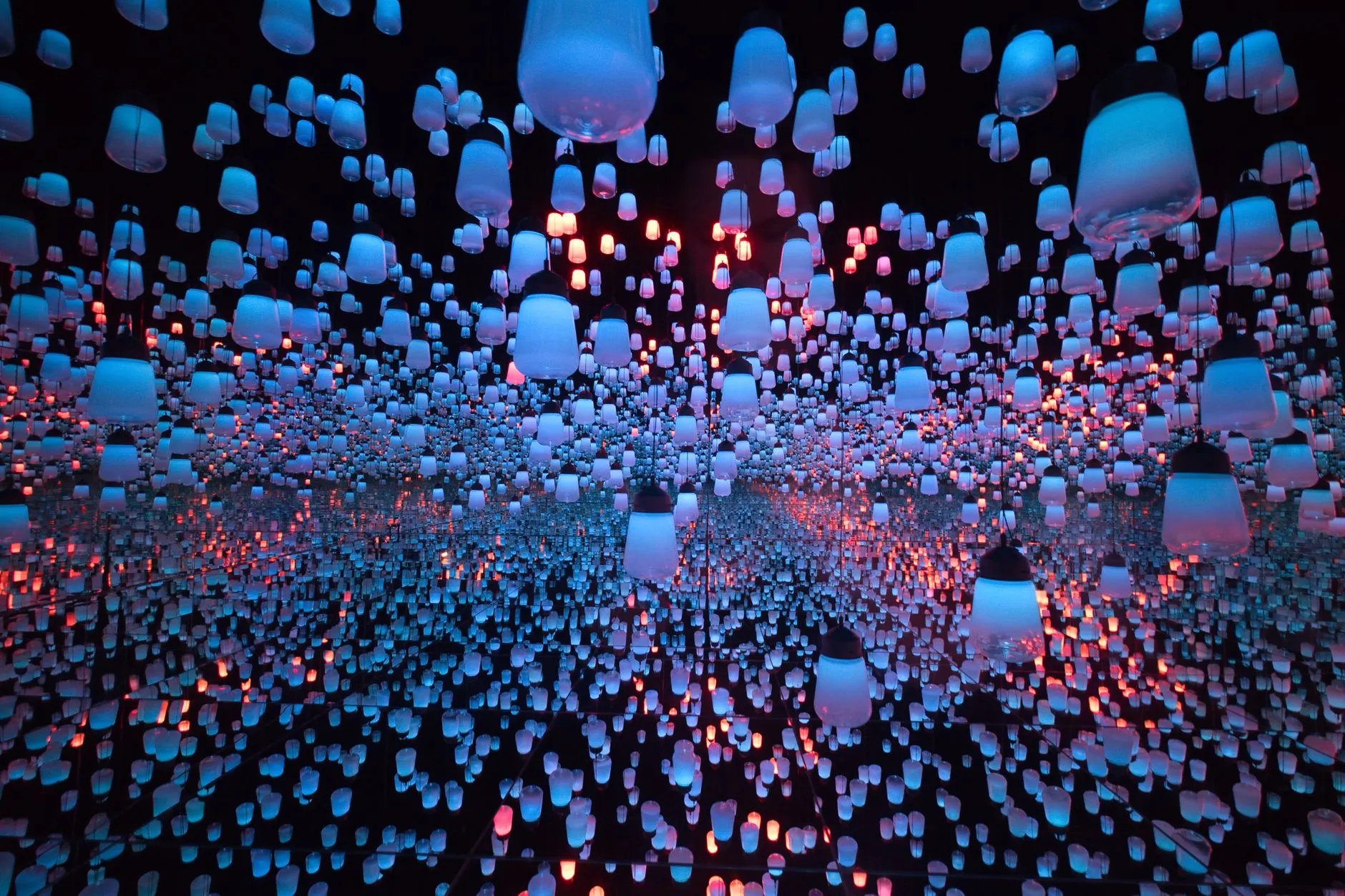
teamLab is a Japanese art collective that creates huge digital spaces: flowers that bloom across the walls and respond to movement, lanterns that light up as you approach, and water with koi projected onto it. Tokyo has two permanent museums, teamLab Planets and teamLab Borderless, and they are among the city’s most sought-after attractions for adults and children alike.
This guide explains the difference between the two, what they cost, what to wear and how to buy tickets. For other attractions, see the things to do in Tokyo list.
teamLab Planets — barefoot through water
teamLab Planets in Toyosu is built as a route. You take off your shoes at the entrance and move from room to room: wading knee-deep while projected fish swim around you, sinking into a room full of soft cushions, and standing in a space of spinning flowers. There is also an outdoor garden of hanging orchids. A visit takes about an hour and a half.
Good to know: as planned, Planets will close at the end of 2027. If you visit before the end of 2027, you will still make it.
teamLab Borderless — a world without borders
teamLab Borderless reopened in 2024 at Azabudai Hills, near Roppongi and Tokyo Tower. The name says it all: there is no route, and the works move from room to room and blend into each other. One of the most famous rooms is filled with lanterns and orbs of light reflected endlessly in mirrors. You wander as long as you like, and most visitors stay two to three hours.
Which one to choose
Planets — if you have time for only one, if you are with kids, or if you want a physical, exciting experience. Borderless — if you like to explore at your own pace and stay a long time, and if you are around Roppongi or Tokyo Tower anyway. If you love both, do both, but preferably on different days.
Tickets and prices in 2026
At both museums the price changes by date, starting at about ¥3,600 (≈ $24) for adults and rising on busy days. At Planets, juniors pay about ¥2,800 (≈ $19) and children aged 4–12 about ¥1,500 (≈ $10). Tickets are for a set date and entry time, so buy in advance, especially for weekends and afternoons.
teamLab Planets tickets teamLab Borderless ticketsWhat to wear and bring
At Planets you wade knee-deep, so wear shorts or trousers you can roll above the knee. Some rooms have mirrored floors, so a short skirt is less suitable. There are free lockers for shoes and bags, and towels at the end of the water room. At Borderless there is no water, but comfortable shoes matter since you walk a lot in the dark.
With kids
Both museums are excellent for children. At Planets they especially love the water and the cushion room. At Borderless there are areas where kids draw a fish or animal on paper, scan it, and watch their drawing swim across the wall. The spaces are dark and sometimes crowded, so keep little ones close. Strollers usually stay at the entrance at Planets.
Getting there
Planets — the Yurikamome Line to Shin-Toyosu Station, a minute’s walk from the entrance; about 20 minutes from Shimbashi. Borderless — the Hibiya Line to Kamiyacho Station, connected to Azabudai Hills. That makes it easy to combine Borderless with Tokyo Tower, close by.
Pair it with the neighbourhood
Planets is a few minutes’ walk from Toyosu Market, the wholesale fish market that moved here from Tsukiji, so pair a morning at the market and a fresh sushi breakfast with a visit to Planets. Borderless is at Azabudai Hills, a new complex with restaurants and gardens a few minutes from Tokyo Tower and Roppongi. Either way you can build a full half-day around it.
Tips for your visit
Go in the first or last hour of the day, when each room is less crowded. Charge your phone, because you will want to take a lot of photos. Don’t rush: the works change constantly, so stand a few minutes in each room and watch it transform. And if you also have a day in Osaka, teamLab runs evenings at the botanical garden there, with a quieter atmosphere.
From here: find more ideas in things to do in Tokyo, see the Tokyo observation decks, or plan a family trip with the Japan with kids guide.
Frequently asked questions
teamLab Planets or teamLab Borderless?
Planets is shorter and more physical: a route of about an hour and a half, walking barefoot and wading into knee-deep water. Borderless is bigger and you wander freely with no route. For a first visit with kids, Planets. For people who love to explore, Borderless.
How much is a teamLab ticket?
At both museums the price changes by date, starting at about ¥3,600 (≈ $24) for adults. At Planets, juniors pay about ¥2,800 (≈ $19) and children aged 4–12 about ¥1,500 (≈ $10).
What should I wear to teamLab Planets?
Shorts or trousers you can roll above the knee, since you walk through water. A short skirt is less suitable, because some rooms have mirrored floors. There are lockers for shoes and bags.
How long will teamLab Planets stay open?
As planned, teamLab Planets in Toyosu will close at the end of 2027. teamLab Borderless at Azabudai Hills has no planned closing date.
Related guides
Things to Do in Tokyo: Top Experiences
The best experiences in Tokyo: from Shibuya crossing and Senso-ji to teamLab, izakaya, baseball, and observation decks — a complete guide.
Japan with Kids — Itinerary, Attractions and Family Tips
A family trip to Japan: what suits each age, Disney, Universal and Ghibli, trains with a stroller and child fares, family rooms, food kids eat, and what to book early.
Tokyo: A Complete Guide to Neighbourhoods and Attractions
Everything you need for a trip to Tokyo: the key neighbourhoods, must-see attractions, where to sleep, Japanese food, day trips to Hakone and Kamakura, and a 3-day itinerary.