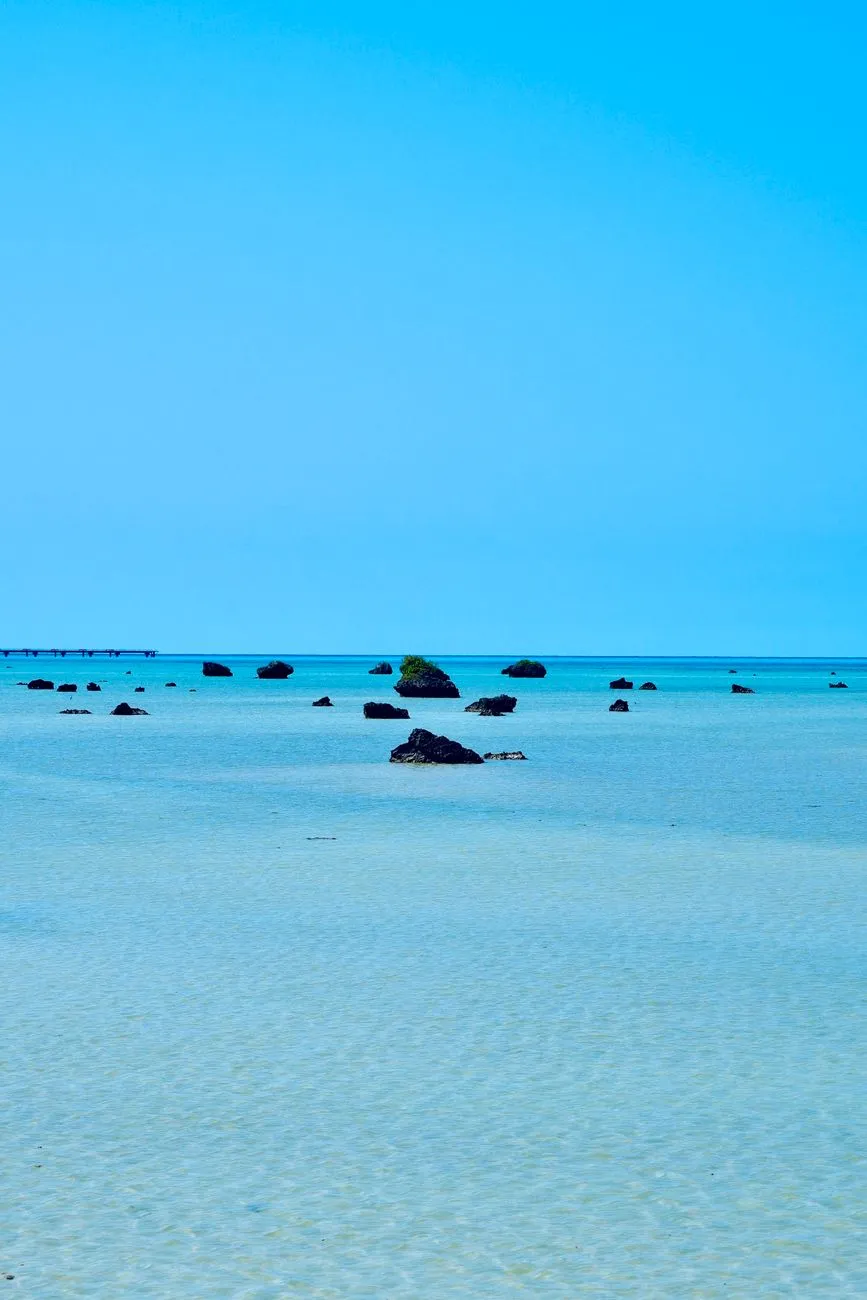
Cities in Japan
Okinawa — Beaches, Churaumi Aquarium, Shuri Castle and the Kerama Islands: The Complete Guide
This guide contains affiliate links. If you book through them we earn a small commission, at no extra cost to you. Affiliate Disclosure
Okinawa (沖縄), a chain of islands in southwestern Japan, is closer to Taiwan than to Tokyo. It has white beaches, turquoise water, coral reefs and a culture of its own: until the 19th century this was the Ryukyu Kingdom, with a language, music, architecture and cuisine distinct from those of Japan.
This is Japan’s tropical destination, and a good way to end a trip calmly after busy days in the cities. This guide explains what to see, where to base yourself and when to come.
Naha and Kokusai Street
Naha, the capital, is where you land and a convenient base for the first days. The main street, Kokusai-dori, about a mile long, is full of souvenir shops, restaurants and bars. Off it is Makishi Market, where you buy fish and seafood on the ground floor and eat it cooked on the floor above. Naha has the Yui Rail monorail, which links the airport with the city centre and Shuri Castle without needing a car.
Hotels in NahaShuri Castle
Shuri Castle (首里城), on a hill above Naha, was the seat of government of the Ryukyu Kingdom for about 450 years and is a World Heritage Site. The castle was almost entirely destroyed in World War II, rebuilt, and burned down again in 2019. Since then the red main hall has been rebuilt, and the opening of its interior to the public is planned for 23 November 2026. The walls, gates and city view are open to visitors. Take the monorail to Shuri Station, then walk about 15 minutes.
Churaumi Aquarium
Churaumi Aquarium, on the Motobu Peninsula in the north of the main island, is one of the largest aquariums in the world. Its star is the “Kuroshio Sea” tank, where whale sharks and manta rays swim behind a huge window. Outside there are free dolphin shows and the nearby Emerald Beach. Entry is about ¥2,180 (≈ $15) for adults. The drive from Naha takes about two hours by car or express bus, so it is a full day. Nearby you can cross a bridge to Kouri Island, with a beach and clear water.
Churaumi Aquarium tickets and toursThe Kerama Islands — snorkelling and sea turtles
The Kerama Islands, 35–50 minutes by fast ferry from Tomari Port in Naha, are considered to have the clearest water in Japan, and their shade of blue has a name of its own, “Kerama Blue”. On Tokashiki and Zamami there are beaches where you can snorkel straight from the shore, and you often see sea turtles. In winter, roughly January to March, humpback whale-watching tours leave from here. In season book the ferry ahead, and keep some flexibility, as sailings are cancelled in rough seas.
The north and the central island
The north of the main island is Yanbaru, a dense subtropical forest and natural World Heritage Site, with waterfalls, walking trails and birds found nowhere else. In 2025 Junglia opened in the area, a large theme park set in the jungle, with off-road vehicles, zip lines and a hot-air balloon; a one-day adult ticket costs about ¥8,800 (≈ $59). Along the west coast there are resorts with private beaches, and in the middle of the island is American Village in Chatan, with shops and sunset over the sea.
Ryukyu culture and history
Okinawa is very different from the rest of Japan, and it is worth making time for that. Eisa is a traditional drum dance, and everywhere you hear the sanshin, a stringed instrument covered with snakeskin. On roofs and at house entrances sit shisa, lion-dog statues that guard against evil spirits. In the south of the island, the Peace Memorial Park and Peace Museum document the 1945 Battle of Okinawa, one of the hardest of the war, in which about a quarter of the civilian population died. A visit explains a lot about the island and its attitude to the American bases still scattered across it.
Okinawan food
The food here is different from what you eat in Tokyo. Goya champuru is a stir-fry of bitter melon, tofu and egg. Okinawa soba is thick wheat noodles in broth, usually with pork. Taco rice, rice with taco toppings, is a dish born here under American influence. To drink, the local Orion beer, and for dessert Blue Seal ice cream in flavours like purple sweet potato. If you don’t eat pork you will find fewer options than elsewhere in Japan, but fish and seafood are plentiful.
Getting there and getting around
You reach Okinawa by domestic flight to Naha: about two and a half to three hours from Tokyo (Haneda or Narita) and about two hours from Osaka (Kansai), including low-cost airlines. There are no direct flights from Israel, so it is worth planning the trip with Okinawa at the end and flying home via Tokyo or Osaka; see flights from Israel to Japan. In Naha you get around by monorail, but outside the city a rental car is the answer: you need an International Driving Permit issued under the 1949 Geneva Convention (check that this is what is printed on the cover), your passport and your national licence, and driving is on the left. There are also buses and organised tours to the north.
When to come and how many days
Okinawa’s swimming season is long, roughly April to October. The most comfortable times are April and early May, and October–November: warm, a pleasant sea and fewer crowds. The rainy season starts early here, roughly from early May to late June. Typhoon season runs from July to October, peaking in August–September; a typhoon can cancel flights and ferries for several days, so take travel insurance and leave a buffer. Winter is mild too, around 15–20°C, good for walking and whale watching but too cold for most people to swim. Plan at least four days: a day or two in Naha and Shuri, a day in the north at Churaumi, and a day or more on the Kerama Islands. More on choosing the season in when to go to Japan.
From here: plan your flights from Israel, choose when to go to Japan or start your trip in Osaka, with cheap flights to Naha.
Frequently asked questions
How do you get to Okinawa?
By domestic flight to Naha: about two and a half to three hours from Tokyo and about two hours from Osaka, including low-cost airlines. There are no direct flights from Israel, so Okinawa is usually added at the end of a trip to Japan.
When is the best time to visit Okinawa?
April and early May, and October–November: warm, pleasant sea and less risk of storms. The rainy season runs roughly from May to late June, and typhoon season from July to October, peaking in August–September.
Do you need a car in Okinawa?
Not in Naha, which has a monorail. To reach Churaumi Aquarium, the beaches in the north and the bridge-linked islands, a rental car is the convenient way. You need an International Driving Permit issued under the 1949 Geneva Convention, and driving is on the left.
Is Shuri Castle open?
Yes, the park is open to visitors. After the 2019 fire the main hall was rebuilt, and the opening of its interior to the public is planned for 23 November 2026. Check the official site before you visit.
Related guides
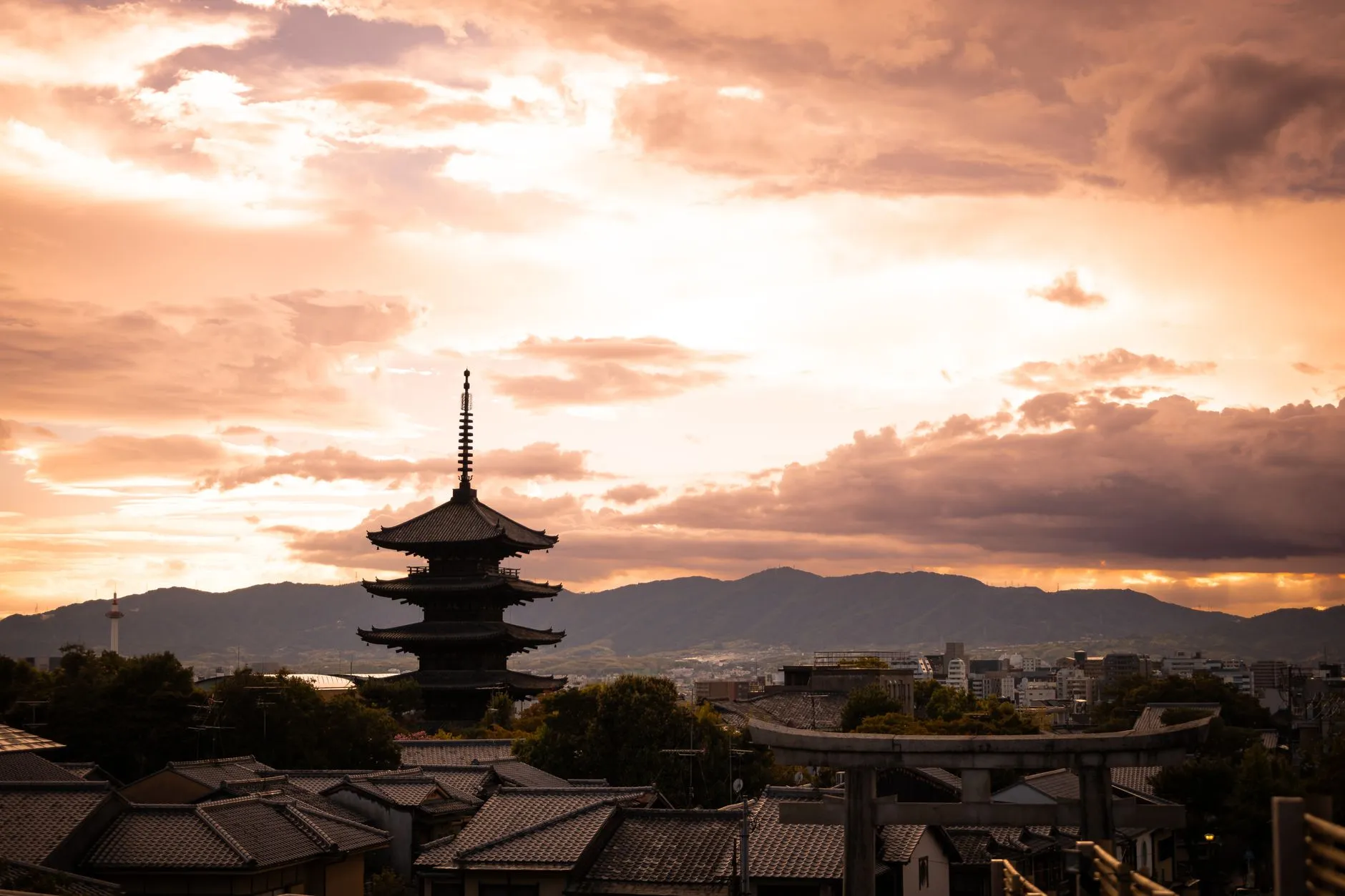
When to Visit Japan — Month-by-Month Season Guide
When to fly to Japan? Complete guide to all seasons: spring, summer, autumn and winter, month-by-month weather, cheap vs. busy seasons, and holidays to avoid.
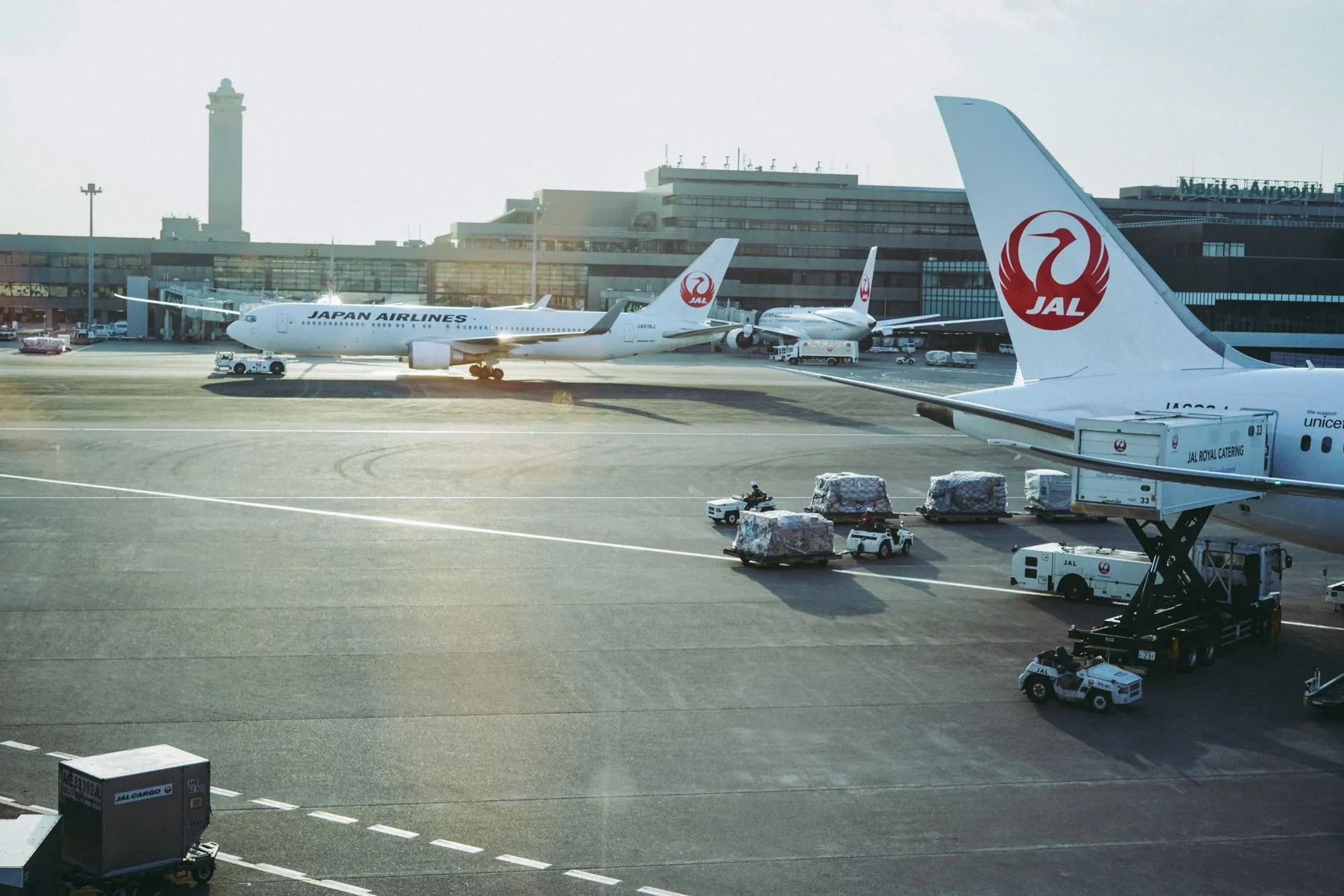
Flights from Israel to Japan — Direct, One-Stop, and Which to Choose
El Al is the only airline flying direct from Israel to Tokyo: flights a week, flight time, and when a one-stop via the Gulf or Europe is better. Plus Narita vs Haneda and jet lag.
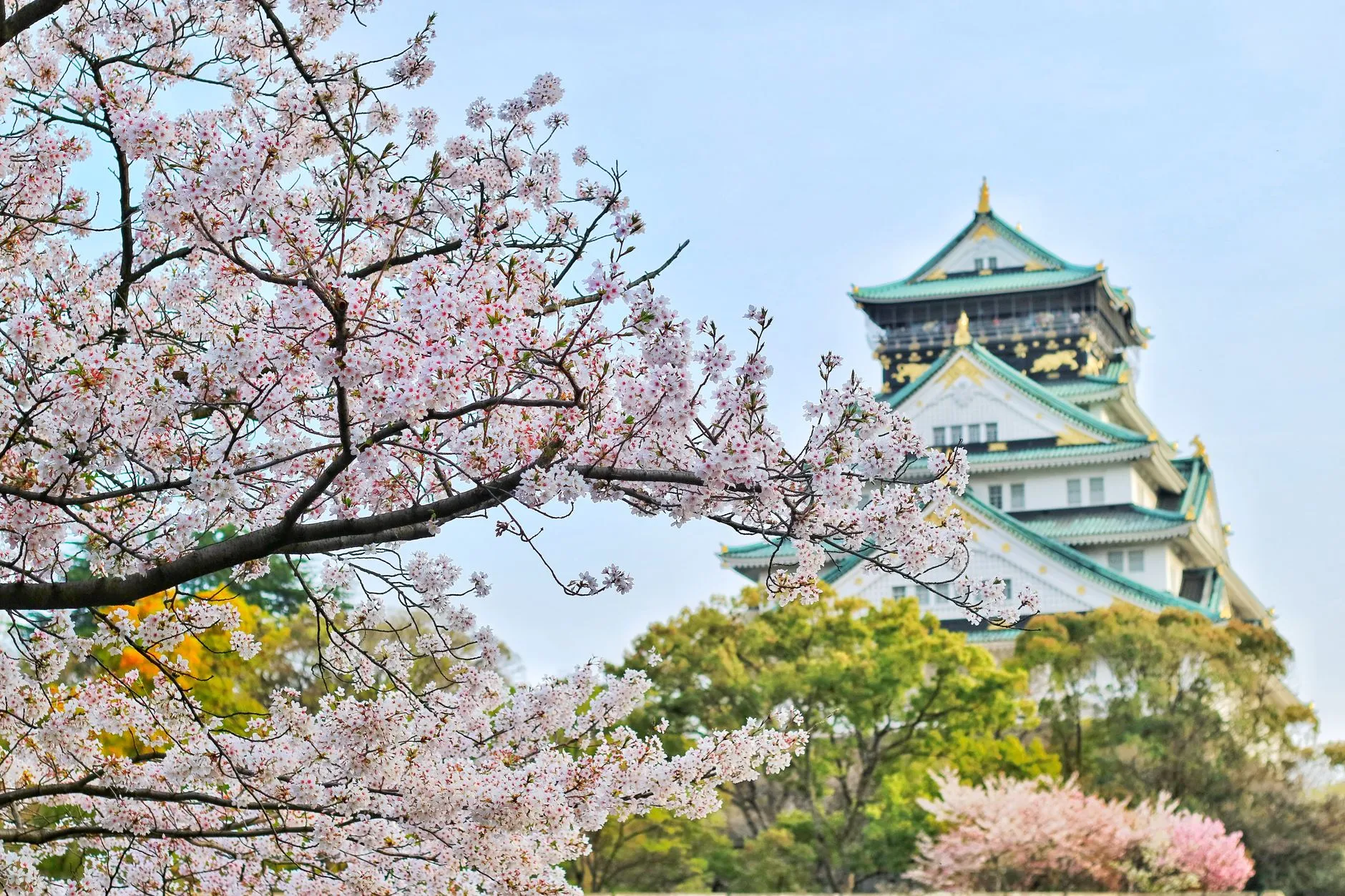
Osaka: Guide to Food, Nightlife and Attractions
Everything you need for Osaka: Dotonbori, Osaka Castle, Shinsaibashi, Universal Studios Japan, where to stay, and a recommended 2-day itinerary.