Travel info
Japan in August — Heat, Festivals, Fireworks and Obon: A Guide for a Summer Holiday Trip
This guide contains affiliate links. If you book through them we earn a small commission, at no extra cost to you. Affiliate Disclosure
August is the hottest month in Japan, and also the month when many families from Israel travel, because of the summer holidays. The heat and humidity are real and need to be planned for. On the other hand, this is the season of summer festivals and fireworks, the days are long, and Japan is full of life on the streets until late at night.
This guide explains what to expect in August, how to plan days that don’t collapse in the heat, and what to do around Obon and typhoon season. For an overview of all the seasons, see when to go to Japan.
The weather: heat and humidity
The rainy season ends in most of Japan in mid to late July, and then the heat arrives. In Tokyo, Kyoto and Osaka daytime temperatures are usually 31–35°C, with high humidity, and at night they don’t drop much below 25°C. On especially hot days the Meteorological Agency issues heatstroke alerts, and they are worth taking seriously. Kyoto, which sits in a basin, is considered the hottest of the big cities. If you are used to an Israeli summer you know the heat, but Japanese humidity is harder than Tel Aviv’s.
How to cope with the heat
The key is the shape of the day: outdoor sights, temples and gardens early in the morning, before 10:00, and again towards evening. At midday move to air-conditioned places: museums, aquariums, malls and underground station complexes, which have shops and food. Drink a lot, and the vending machines on every corner help; convenience stores also sell isotonic drinks and salt candies. A fan, a hat, a sun umbrella and a small towel are basic kit, and almost every Japanese person carries them. And keep an eye on children and older travellers, who are more sensitive to heatstroke.
Festivals and fireworks
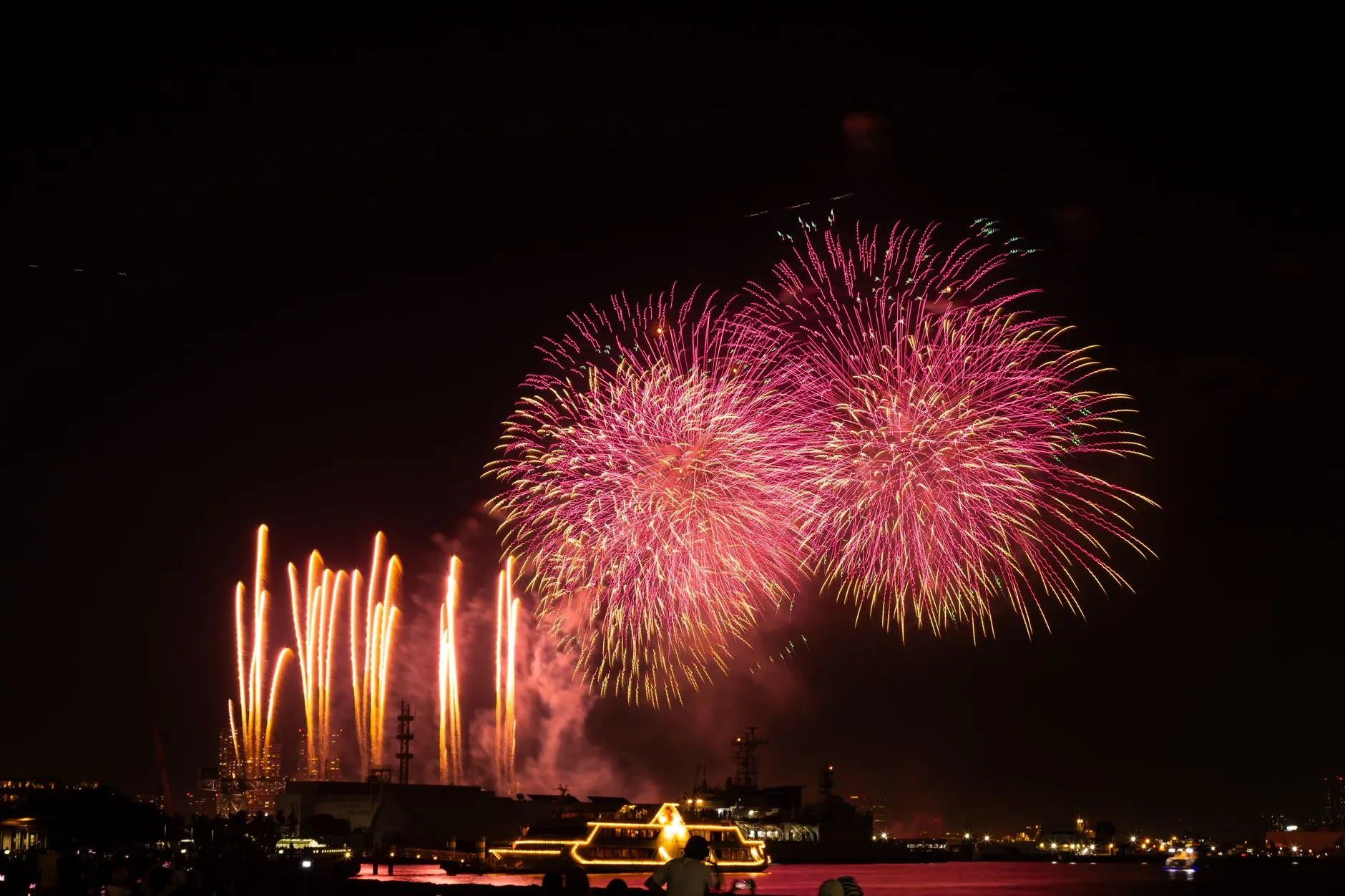
August is the peak of matsuri season. Nebuta in Aomori runs on 2–7 August, Awa Odori in Tokushima on 12–15 August, and in Kyoto Obon ends on 16 August with Gozan Okuribi, huge bonfires on the mountains around the city. The Nagaoka fireworks, the biggest in Japan, are on 2–3 August, and cities and towns hold hanabi (fireworks) shows almost every weekend. Many locals come in yukata, and you can rent one for the day. The full calendar is in the festivals guide.
Obon — mid-August
Obon is a holiday in mid-August, usually 13–16 August, when Japanese honour the spirits of their ancestors and go back to their home towns. Neighbourhoods hold Bon Odori evenings, a circle dance that tourists are welcome to join. In practical terms, Obon is one of the busiest weeks of the year for transport: the shinkansen is full, roads are jammed, and hotels in holiday areas get more expensive. Book reserved train seats ahead, and don’t plan your big moves between cities for those days.
Typhoon season
August and September are the peak of typhoon season. Most of your trip will not be affected, but a typhoon reaching the area can stop trains, cancel flights and ferries, and close sights for a day or two. The risk is especially high in Okinawa and southern Japan. Follow the forecast in the days before, keep a flexible day in your route, and take travel insurance that covers weather-related changes. On the typhoon day itself, stay indoors: the Japanese take it seriously, and so should you.
Where to escape the heat
Hokkaido is the classic escape: 20–25°C by day in Sapporo, and no rainy season. August is a great time for Furano, Biei and nature trips; see the Hokkaido guide. The mountains are much cooler too: Hakone, Kamikochi in the Japanese Alps, and Karuizawa, a resort area the Japanese themselves flee to in summer. And sea lovers can choose Okinawa, with beaches and turquoise water, as long as you leave flexibility for typhoons.
Hotels in Sapporo for summerClimbing Mount Fuji
August is in the middle of Mount Fuji’s climbing season, which runs roughly from early July to 10 September. Most climbers set off in the afternoon, sleep in a mountain hut, and reach the summit for sunrise. There is a climbing fee of ¥4,000 (≈ $27), and the Yoshida Trail, the most popular, requires advance registration and has a daily cap. At the summit it is cold even in August, close to freezing at night, so you need warm clothing, hiking shoes and a rain jacket. On weekends and during Obon the trails are very crowded. If you want to see the mountain without climbing it, see the Fuji day trip.
Guided Mount Fuji climbing toursWith kids on the summer holidays
Kids have plenty to do in August: theme parks, such as Tokyo Disney and Universal Osaka, with summer events and water shows; aquariums, which are air-conditioned and perfect for midday; festivals with game and food stalls; and water parks and pools. Plan days where the main attraction starts early, and rest at the hotel in the hot hours. Lots of ideas in the Japan with kids guide.
Prices and what to pack
August is holiday season for the Japanese too, so hotels in resort areas, Hokkaido and Okinawa get more expensive, especially around Obon. In the big cities prices are more reasonable than in cherry blossom or autumn leaf season. Flights from Israel during the summer holidays are expensive, so book early; see flights from Israel to Japan. Pack: light clothes in cotton or quick-drying fabrics, a hat, sunglasses and sunscreen. A thin jacket for air-conditioned places, which can be very cold, and for the mountains. And comfortable shoes you can walk in for hours in the heat.
From here: browse the festival calendar, plan a trip with kids or escape the heat in Hokkaido.
Frequently asked questions
How hot is Japan in August?
Very hot and humid: in Tokyo, Kyoto and Osaka daytime temperatures are usually 31–35°C, with high humidity, and at night they don't drop much below 25°C. Kyoto is considered the hottest of the big cities.
Is it worth visiting Japan in August with kids?
Yes, if you plan well: activities in the morning and evening, breaks in air-conditioned places at midday, and cooler destinations such as Hokkaido or the mountains. There are festivals, fireworks, theme parks and water parks, and the kids are on holiday.
What is Obon and how does it affect a trip?
A holiday in mid-August, usually 13–16 August, when many Japanese travel to their home towns. The shinkansen and roads are very crowded, so book reserved seats ahead and avoid planning long journeys on those days.
Can you climb Mount Fuji in August?
Yes, August is in the middle of the climbing season, which runs roughly from early July to 10 September. There is a ¥4,000 (≈ $27) climbing fee, and the Yoshida Trail requires advance registration. On weekends and during Obon the trails are very crowded.
Related guides
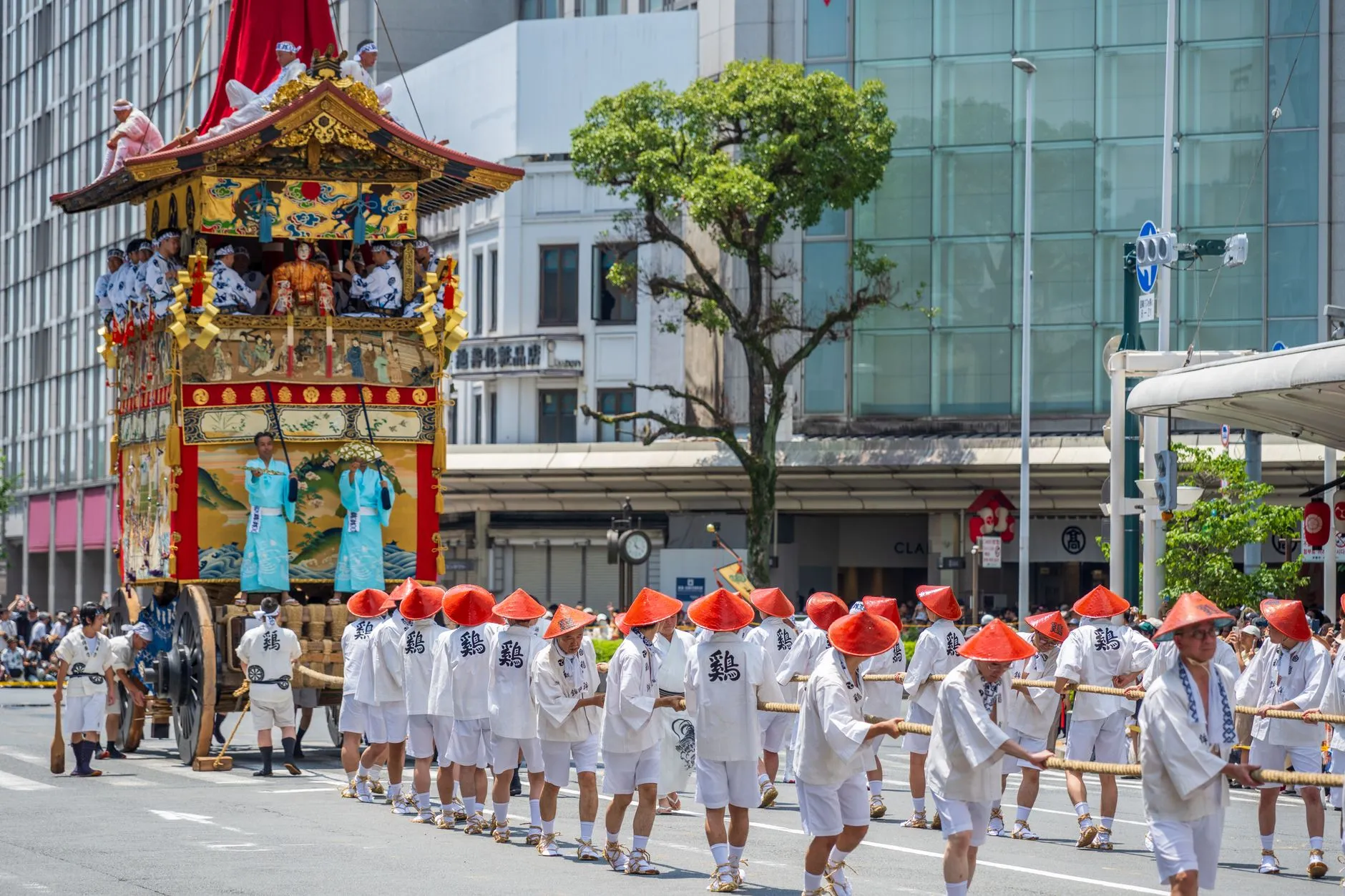
Festivals in Japan — A Seasonal Matsuri Calendar, Fireworks and How to Enjoy Them
Japan's biggest festivals month by month: Sapporo Snow Festival, Kyoto's Gion Matsuri, Aomori Nebuta, Awa Odori, the Sumida fireworks and Takayama. Dates, tips and booking a room in time.
Japan with Kids — Itinerary, Attractions and Family Tips
A family trip to Japan: what suits each age, Disney, Universal and Ghibli, trains with a stroller and child fares, family rooms, food kids eat, and what to book early.
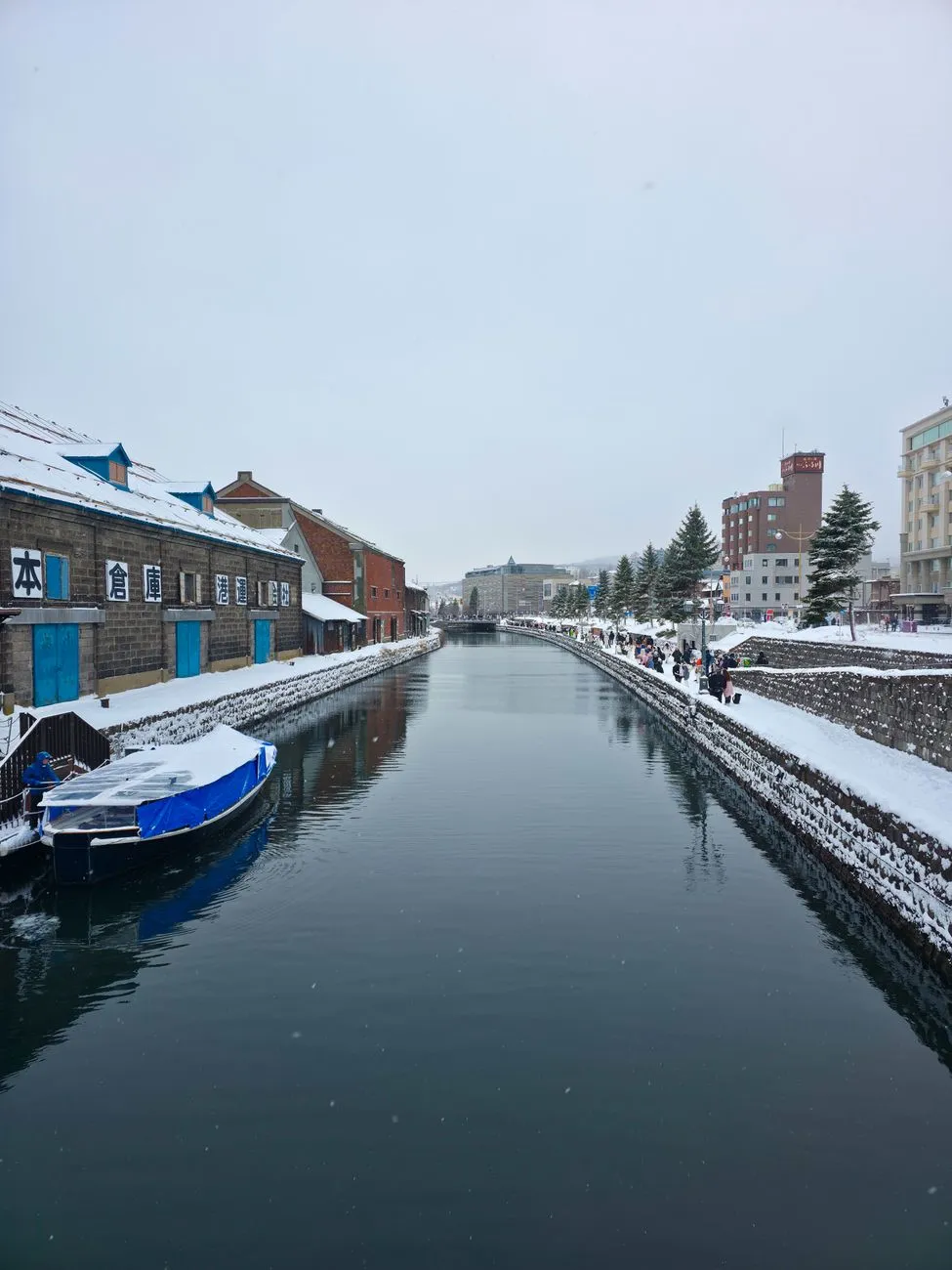
Hokkaido and Sapporo — A Guide to the Northern Island: Snow, Lavender, Otaru and Getting There
A guide to Hokkaido: Sapporo and the Snow Festival, the Otaru canal, skiing in Niseko, the lavender fields of Furano and Biei, Hakodate and Noboribetsu. When to go, how to get there from Tokyo and how many days you need.