Tailored trips
Festivals in Japan — A Seasonal Matsuri Calendar, Fireworks and How to Enjoy Them
This guide contains affiliate links. If you book through them we earn a small commission, at no extra cost to you. Affiliate Disclosure
A matsuri (祭り), a traditional Japanese festival, is one of the most colourful experiences of any trip: giant floats hauled through the streets, drums, dancing, food stalls and people in yukata. Most festivals are tied to a local Shinto shrine, and some have been celebrated for more than a thousand years.
The right timing can turn an ordinary day into the memory of the whole trip. This guide sorts the major festivals by season, with their fixed dates, and explains how to enjoy them without being stuck without a room. To choose the season itself, see the best time to visit Japan. Next big festival: the Sapporo Snow Festival, 4–11 February 2027.
What is a matsuri
At the heart of most festivals is the mikoshi, a portable shrine believed to carry the local deity, borne on shoulders through the neighbourhood streets. At others, decorated and illuminated floats (yama or dashi) are pulled along. The route is lined with food stalls (yatai) selling yakitori, takoyaki and candy floss, and many people wear yukata, a light cotton summer kimono. Nobody expects tourists to dress up, but you can rent a yukata for the day in Kyoto and Tokyo.
Winter: Sapporo Snow Festival
The Sapporo Snow Festival in Hokkaido is Japan’s great winter event: huge snow and ice sculptures, some the size of a building, along Odori Park, with illuminated ice sculptures in the Susukino district. In 2027 the festival runs on 4–11 February. Entry is free, but Sapporo hotels fill up months ahead, and it is worth booking a domestic flight from Tokyo early.
Spring: Takayama and May in Tokyo and Kyoto
The Takayama Festival in the Japanese Alps is considered one of the most beautiful in Japan, with carved wooden floats and mechanical puppets. It is held twice a year: in spring on 14–15 April and in autumn on 9–10 October. See the Takayama guide.
In May, Tokyo’s Asakusa fills up for Sanja Matsuri, one of the city’s wildest festivals, on the third weekend of May, with dozens of mikoshi around Senso-ji Temple. In Kyoto, Aoi Matsuri is held on 15 May, a quiet procession in Heian-period costume. And all through spring there is, of course, the cherry blossom.
Summer: Gion Matsuri and Tenjin Matsuri
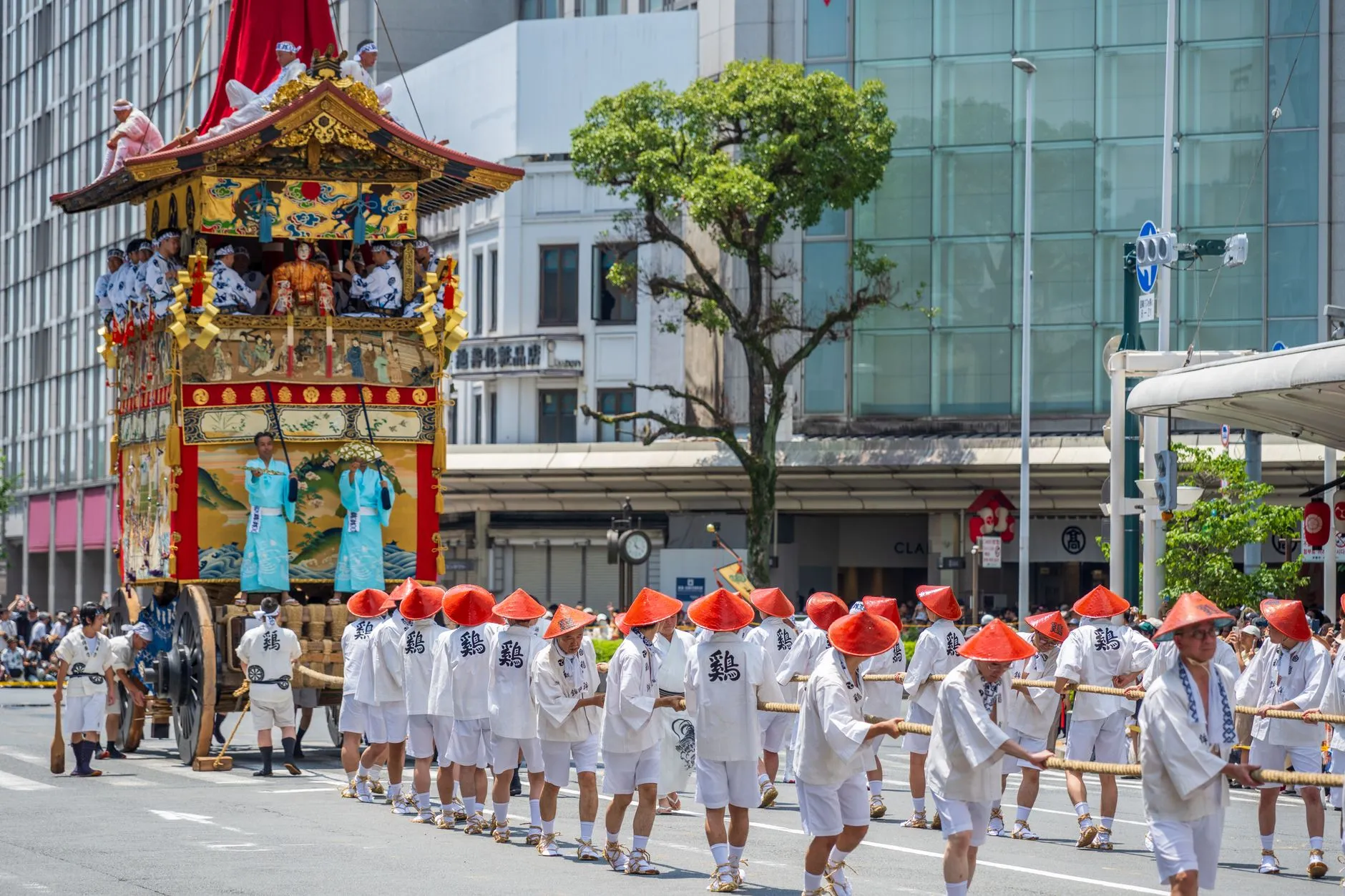
Kyoto’s Gion Matsuri lasts all of July, but the highlight is the float processions on 17 and 24 July, when giant floats several storeys high are pulled through the city streets. On the evenings before the processions (yoiyama), central streets close to traffic and fill with stalls, lit-up floats and people in yukata. This is Kyoto’s most expensive and crowded time, so book early.
Kyoto hotels for Gion MatsuriOsaka’s Tenjin Matsuri takes place on 24–25 July, peaking on the evening of the 25th with a procession of illuminated boats on the river and fireworks overhead. See the Osaka guide.
Summer in the north: Nebuta and Awa Odori
Nebuta Matsuri in Aomori, at the northern tip of Honshu, runs on 2–7 August: giant paper lanterns shaped like warriors and mythological figures, lit from within, are paraded at night, with fireworks on the last evening. Awa Odori in Tokushima on Shikoku takes place on 12–15 August, when tens of thousands of dancers fill the streets with the famous dance, and you can join in. Both are far from the classic route and worth building two days around.
Hanabi — summer fireworks
Hanabi (花火), fireworks, are a central part of the Japanese summer. The Sumida River fireworks in Tokyo are held on the last Saturday of July, drawing millions of spectators every year. The Nagaoka fireworks in Niigata, on 2–3 August, are considered the biggest in Japan. Advice for any fireworks show: arrive hours early, bring a sheet to sit on, and plan your way back, as trains after the show are extremely crowded.
Autumn: Jidai Matsuri
Kyoto’s Jidai Matsuri, on 22 October, is a long procession in which participants wear costumes from every period of the city’s history, from emperors to samurai. The same season brings the autumn leaves, so October–November is a great time to combine a festival with red foliage.
Obon — mid-August
Obon (お盆), in mid-August, is the holiday when Japanese honour the spirits of their ancestors, and many return to their home towns. Neighbourhoods and villages hold Bon Odori evenings, a circle dance around a drum stage, and tourists are welcome to join. In Kyoto the holiday ends on 16 August with Gozan Okuribi, huge bonfires in the shape of symbols lit on the mountains around the city. Note that during Obon trains and hotels are especially busy.
How to enjoy a festival
Arrive early, especially for processions and fireworks, as the best spots are taken hours before. Carry cash: food stalls rarely take cards. Consider paid seating at the big festivals, which sell seats along the route. Rent a yukata for the day in Kyoto, an experience in itself. And in summer, plan for heat and humidity: water, a hat and a fan.
Yukata and kimono rental in KyotoFrom here: choose when to go to Japan, read about the cherry blossom and the autumn leaves, or plan a visit to Kyoto.
Frequently asked questions
What is the most famous festival in Japan?
Kyoto's Gion Matsuri, which runs through the whole of July, with its great float processions on 17 and 24 July. Alongside it stand out the Sapporo Snow Festival in February and Aomori's Nebuta in early August.
Which month has the most festivals?
Summer, especially July and August: Gion Matsuri, Tenjin Matsuri, the Sumida fireworks, Nebuta and Awa Odori. August is also Obon, when many Japanese travel, so accommodation gets more expensive.
Do you need tickets for festivals?
Most festivals are free and open to the public on the street. At some of the big ones, such as Gion Matsuri, Nebuta and Awa Odori, you can buy paid seating along the parade route, which is worth it on the busiest days.
How far ahead should I book accommodation?
For the big festivals, several months ahead. Hotels fill up early in Kyoto for Gion Matsuri, in Aomori for Nebuta and in Sapporo for the Snow Festival, and latecomers are left with distant, expensive rooms.
Related guides
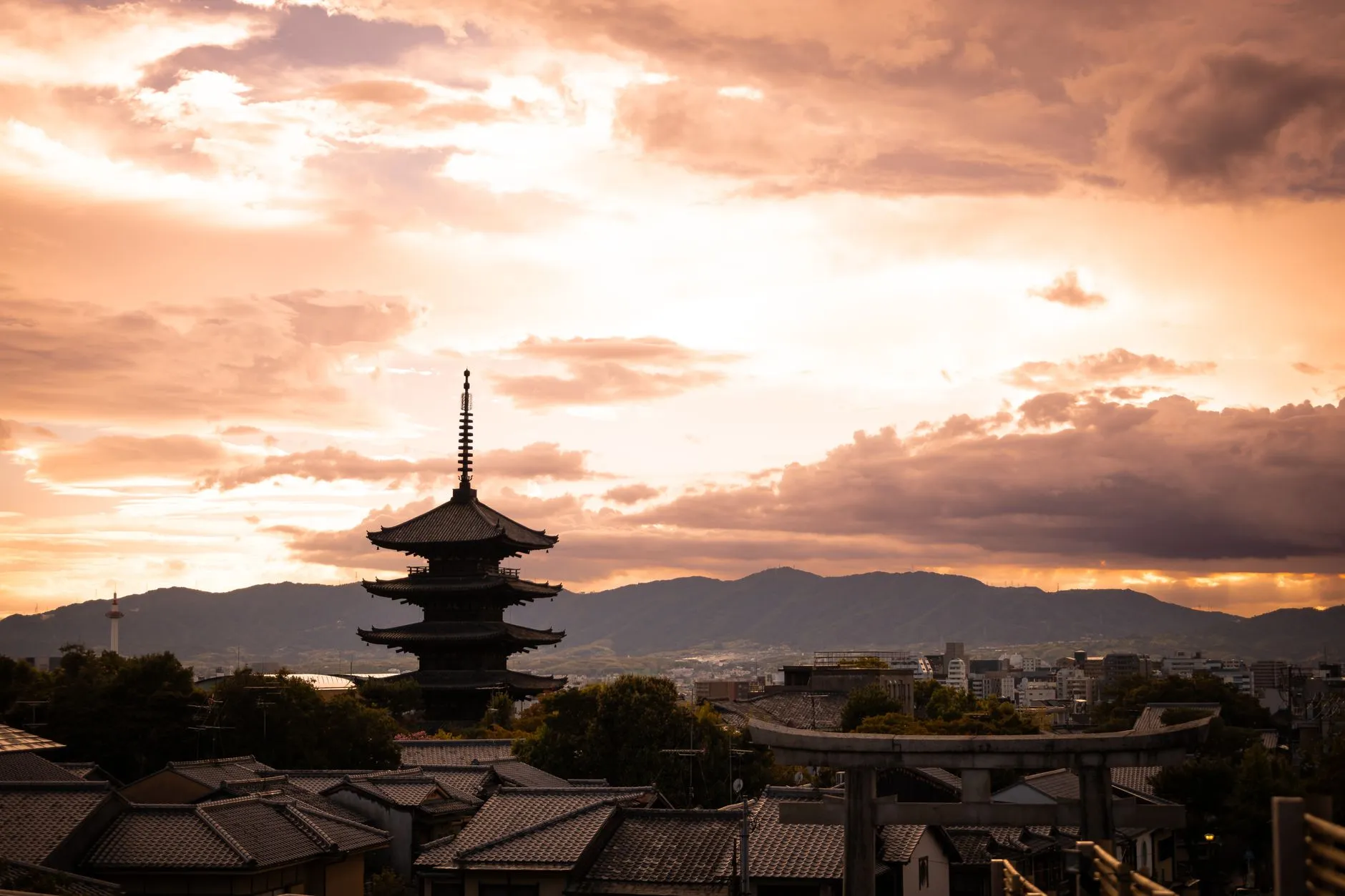
When to Visit Japan — Month-by-Month Season Guide
When to fly to Japan? Complete guide to all seasons: spring, summer, autumn and winter, month-by-month weather, cheap vs. busy seasons, and holidays to avoid.
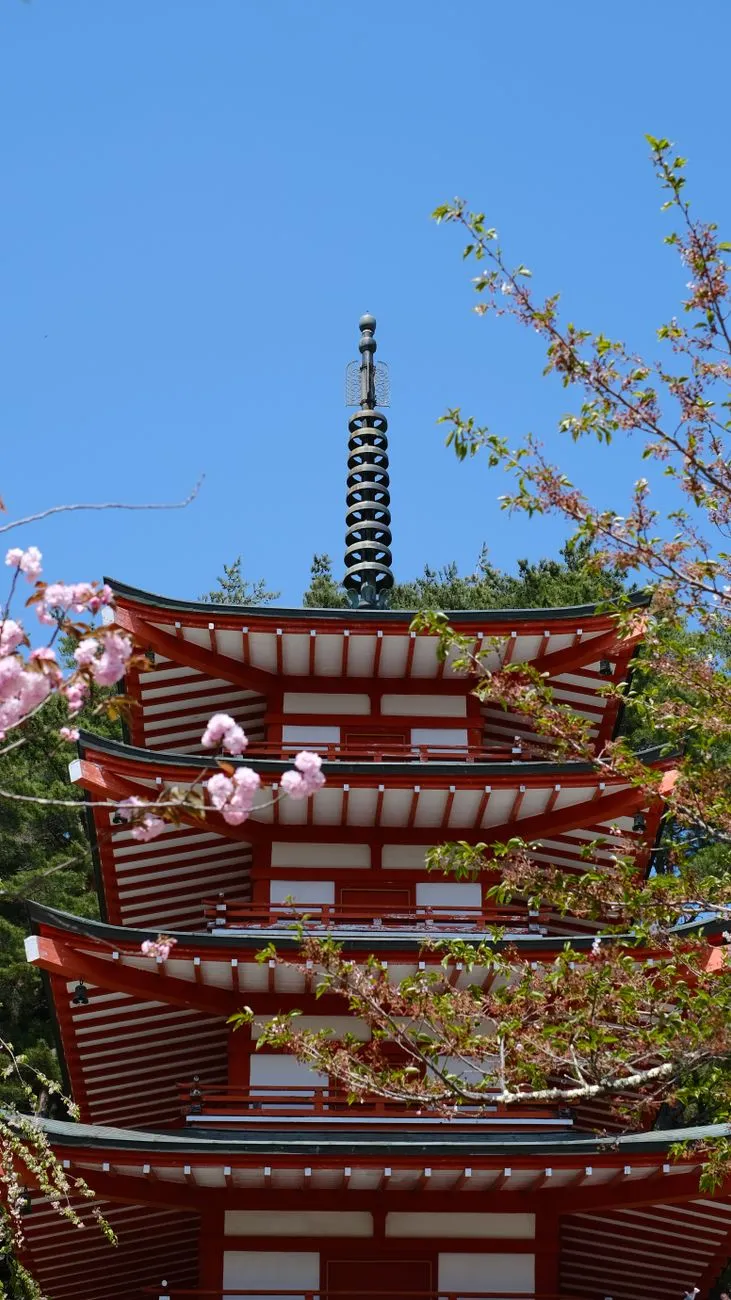
Japan Cherry Blossom (Sakura) Guide — When, Where and How to Plan
Complete guide to cherry blossom season in Japan: bloom calendar, forecast tips, best spots in Tokyo and Kyoto, hanami picnics, seasonal food, and planning advice.
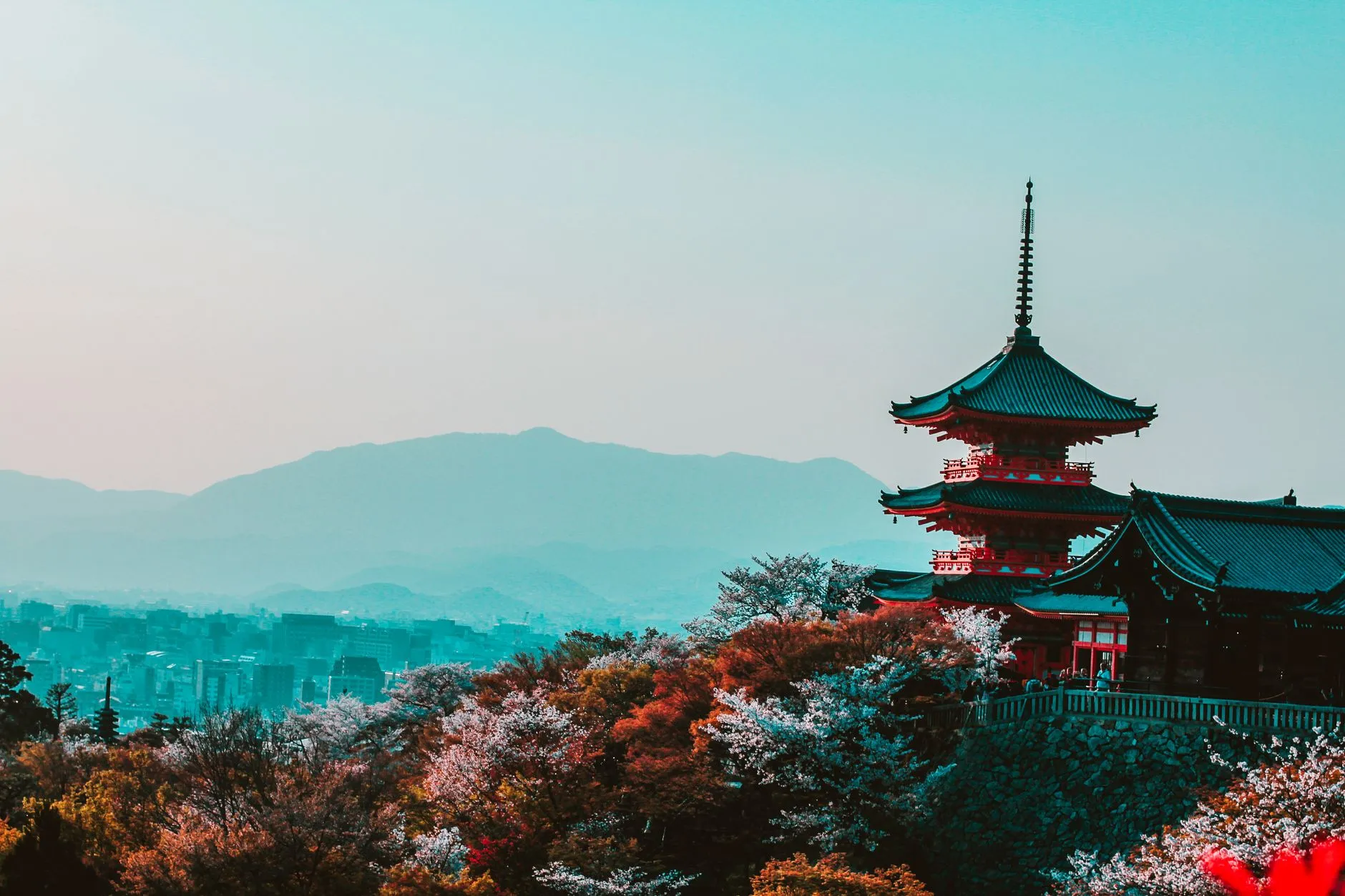
Kyoto: Guide to Temples, Neighbourhoods and Experiences
Everything you need for Kyoto: Fushimi Inari, the Golden Pavilion, Arashiyama, Gion, when to visit, how to get around, where to stay, and a recommended 2–3 day itinerary.