Tailored trips
LGBTQ+ Travel in Japan — Safety, Shinjuku Ni-chome, Tokyo Pride and Tips
This guide contains affiliate links. If you book through them we earn a small commission, at no extra cost to you. Affiliate Disclosure
Japan is one of the safest destinations in the world, and that holds for LGBTQ+ travellers too. Same-sex relations are not criminalised, street violence is rare, and Tokyo has one of the largest LGBTQ+ nightlife districts in the world. On the other hand, Japan is the only G7 country that does not recognise same-sex marriage, and the culture is reserved about public displays of affection.
This guide explains how things really are today: where to stay, where to go out, when the next Pride is, and what to know about onsen. To plan your time in the city, see the Tokyo guide.
How safe is it
On the street, in your hotel and in restaurants you will feel like any other tourist. Japanese people generally don’t interfere or ask personal questions, and violence against LGBTQ+ people is very rare. Public displays of affection, like kissing or long hugs, are uncommon in Japan even among straight couples, so the advice is the same for everyone: keep it low-key on trains and at temples, and relax freely in bars and nightlife spots.
The legal situation today
Japan has no same-sex marriage, but things are moving. Five of six high court rulings found the ban unconstitutional. In March 2026 the Supreme Court referred the cases to its 15-justice Grand Bench, and a decision is expected in 2027.
Meanwhile more than 500 local governments, covering over 90% of the population, issue partnership certificates to same-sex couples. They are not equivalent to marriage and have no practical meaning for tourists. Tokyo also has a 2018 local law banning discrimination based on sexual orientation and gender identity.
Hotels and ryokan
In most hotels in the big cities, and in many ryokan, you can book a double room for two guests without any problem. Two things to watch: love hotels have refused same-sex couples in the past, and in villages and small traditional ryokan it is worth checking ahead. The safe way is to book online in advance a room with a double bed for two guests, so there are no surprises at reception.
Hotels in Shinjuku, near Ni-chomeShinjuku Ni-chome — Tokyo’s LGBTQ+ district
Shinjuku Ni-chome has one of the highest concentrations of LGBTQ+ bars in the world, packed into a few streets just east of Shinjuku-sanchome Station. Most bars are tiny, sometimes seating six to eight people, and some cater to a specific crowd or to Japanese customers only and charge a cover fee. Alongside them are bars and clubs aimed at tourists and mixed crowds, such as AiSOTOPE Lounge, which also hosts the Pride party.
The busiest nights are Friday and Saturday after 22:00. The last train leaves around midnight, so plan to walk, take a taxi, or stay nearby. A guided evening tour is a good way to get to know the area on a first visit.
Shinjuku evening toursOsaka and Kyoto
In Osaka the LGBTQ+ district is Doyama-cho, near the Umeda stations, with dozens of small bars and a more relaxed atmosphere than Tokyo. Kansai Rainbow Festa, the region’s Pride event, is usually held in October in nearby Ogimachi Park. In Kyoto the scene is much smaller, but the city welcomes LGBTQ+ couples like any other visitors. See the Osaka guide.
Tokyo Pride
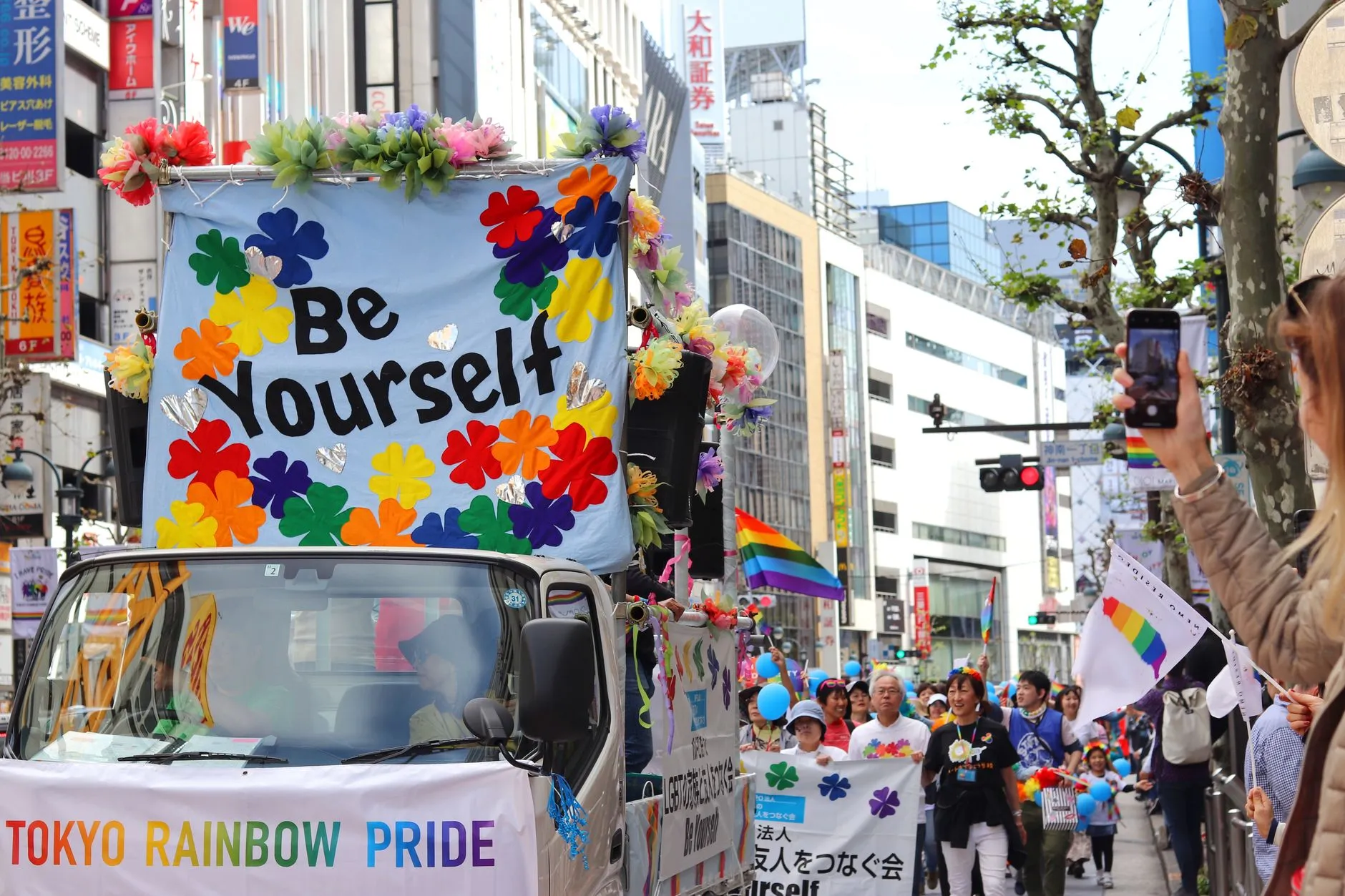
The next Tokyo Pride is expected in June 2027. In recent years it has been held over a weekend in early June: a two-day festival in Yoyogi Park with stages, stalls and performances, free to enter, and a parade of about three kilometres through Shibuya and Harajuku. In the evening the party moves to Ni-chome. If you want to march, register in advance. Exact dates are published on the official site, pride.tokyo, usually several months ahead, so check before you book flights.
Onsen and trans travellers
Most public onsen are separated into men’s and women’s baths, fully nude, and separation is by sex. For trans and non-binary travellers this can be uncomfortable. The easy solution: a private onsen (kashikiri), booked for a set time, or a ryokan room with its own bath. It is also the solution for anyone with tattoos. Full details in the ryokan and onsen guide.
Planning your route
A good base in Tokyo is Shinjuku: a transport hub, hotels at every level, and Ni-chome within walking distance. From there continue to Kyoto and Osaka as on any trip, and in Osaka stay near Umeda, close to Doyama-cho. If you want to experience the next Pride, build the trip around early June 2027, early summer before the rainy season. For the route itself, see the 7-day itinerary.
Final tips
Ask at the bar whether it welcomes tourists: you will usually get a polite, direct answer, and if not, they will point you to the bar next door. Carry cash, since many small bars don’t take cards. Connect with the community: popular dating apps are very active in Japan and a good way to get local recommendations. And for big events like Pride, book your hotel early, because the area fills up.
From here: plan your stay with the Tokyo guide, read about ryokan and onsen, or choose where to stay in Tokyo.
Frequently asked questions
Is Japan safe for LGBTQ+ travellers?
Yes. Same-sex relations are not criminalised in Japan, street violence is very rare, and hotels and restaurants in the big cities welcome same-sex couples without issue. The culture is reserved about public displays of affection, but that applies to all couples.
Is there same-sex marriage in Japan?
Not yet. Five of six high court rulings found the ban unconstitutional, and the Supreme Court's Grand Bench is expected to decide in 2027. Meanwhile more than 500 local governments issue partnership certificates, which are not equivalent to marriage.
When is Tokyo Pride?
The next one is expected in June 2027. In recent years it has been held over a weekend in early June: a festival in Yoyogi Park and a parade through Shibuya and Harajuku. Exact dates are published on the official site, pride.tokyo.
Can a same-sex couple ask for a double bed in a hotel?
In most city hotels and ryokan, yes, with no questions. Love hotels have refused same-sex couples in the past, and in rural areas it is worth checking in advance. The safe way is to book a double room for two guests ahead of time.
Related guides
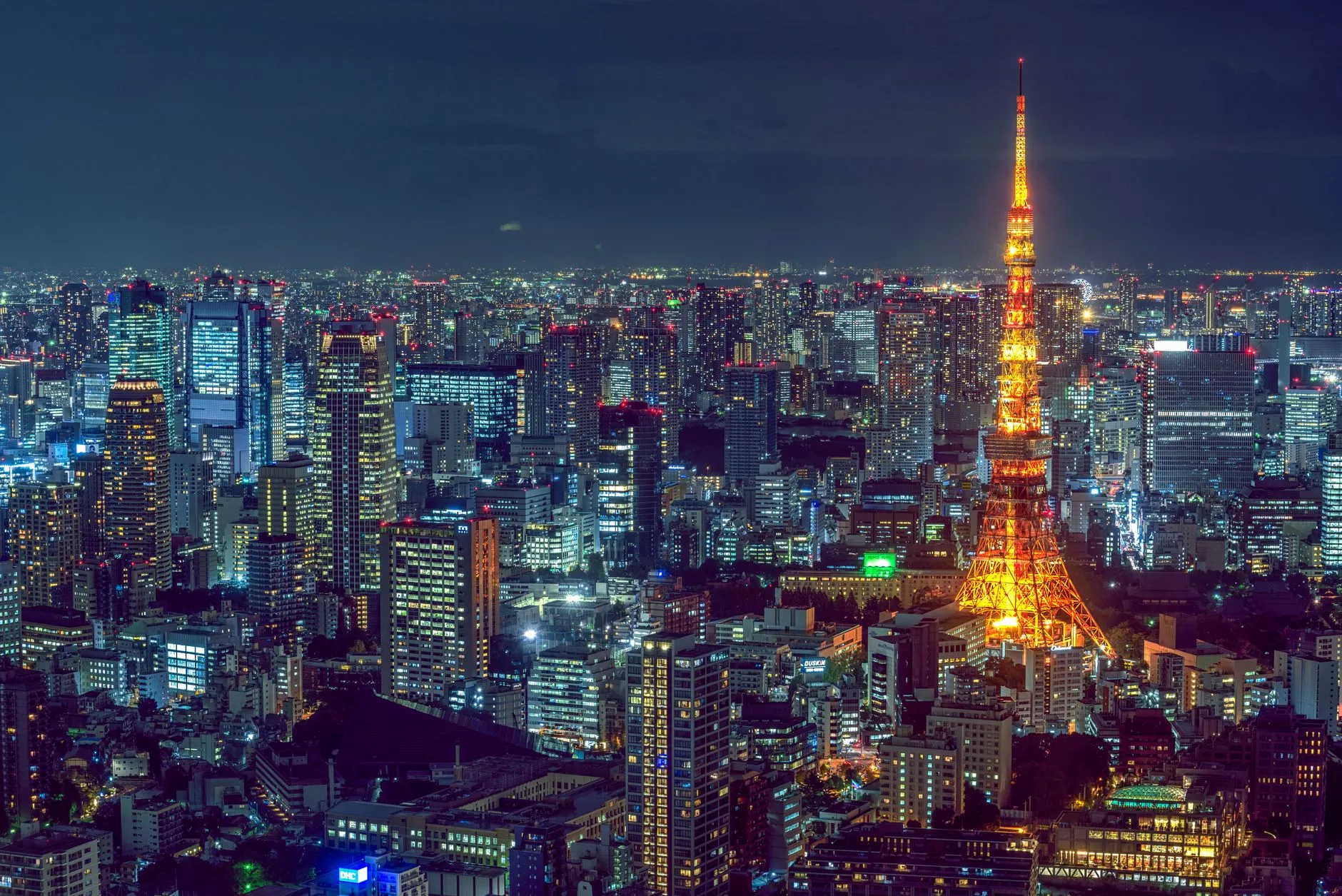
Tokyo: A Complete Guide to Neighbourhoods and Attractions
Everything you need for a trip to Tokyo: the key neighbourhoods, must-see attractions, where to sleep, Japanese food, day trips to Hakone and Kamakura, and a 3-day itinerary.
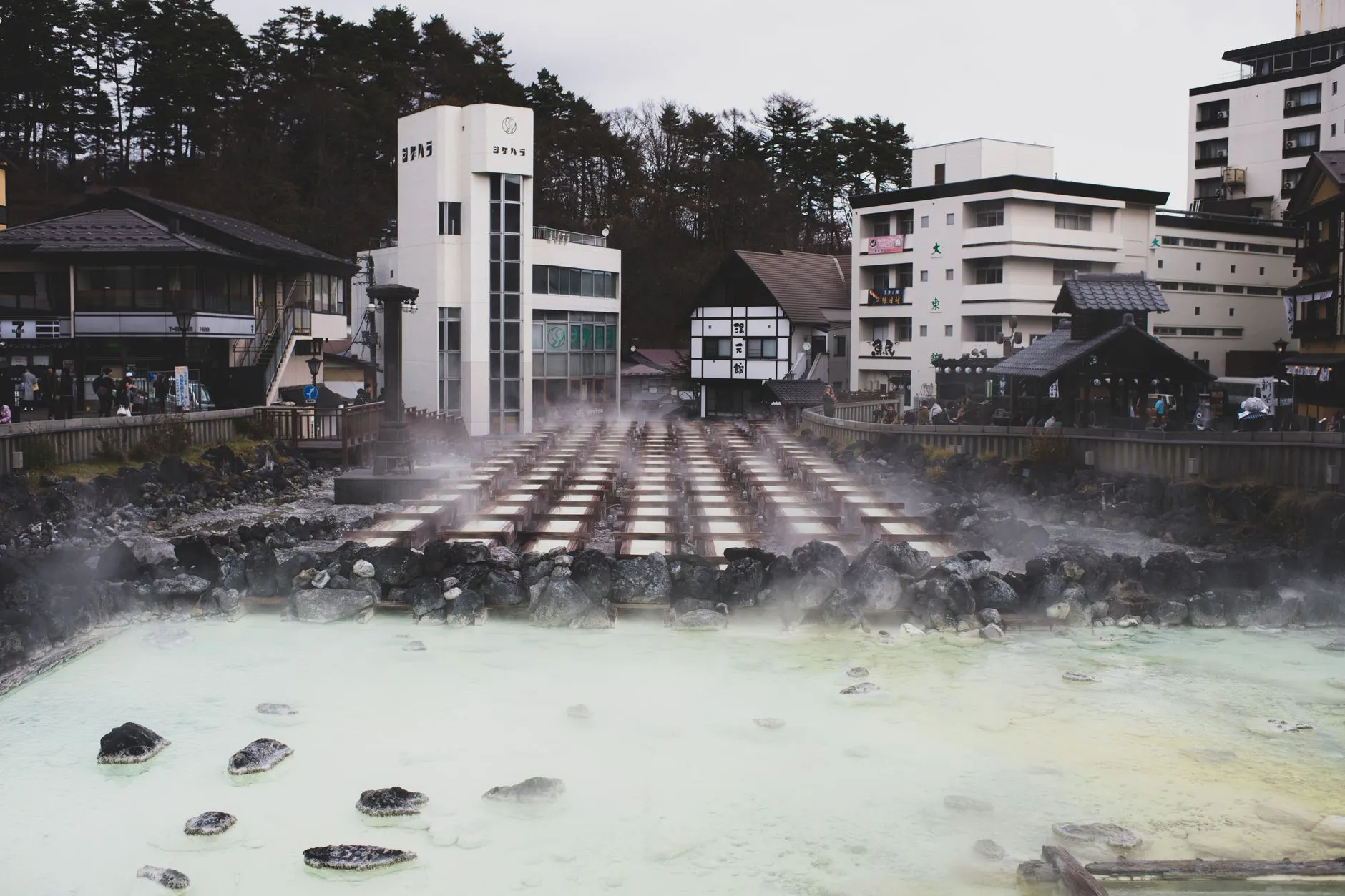
Ryokan and Onsen in Japan — Complete Guide
Guide to ryokan and onsen in Japan: what a ryokan is, tatami rooms, kaiseki meals, onsen etiquette, types of hot springs, yukata, onsen towns, tattoos, and prices.
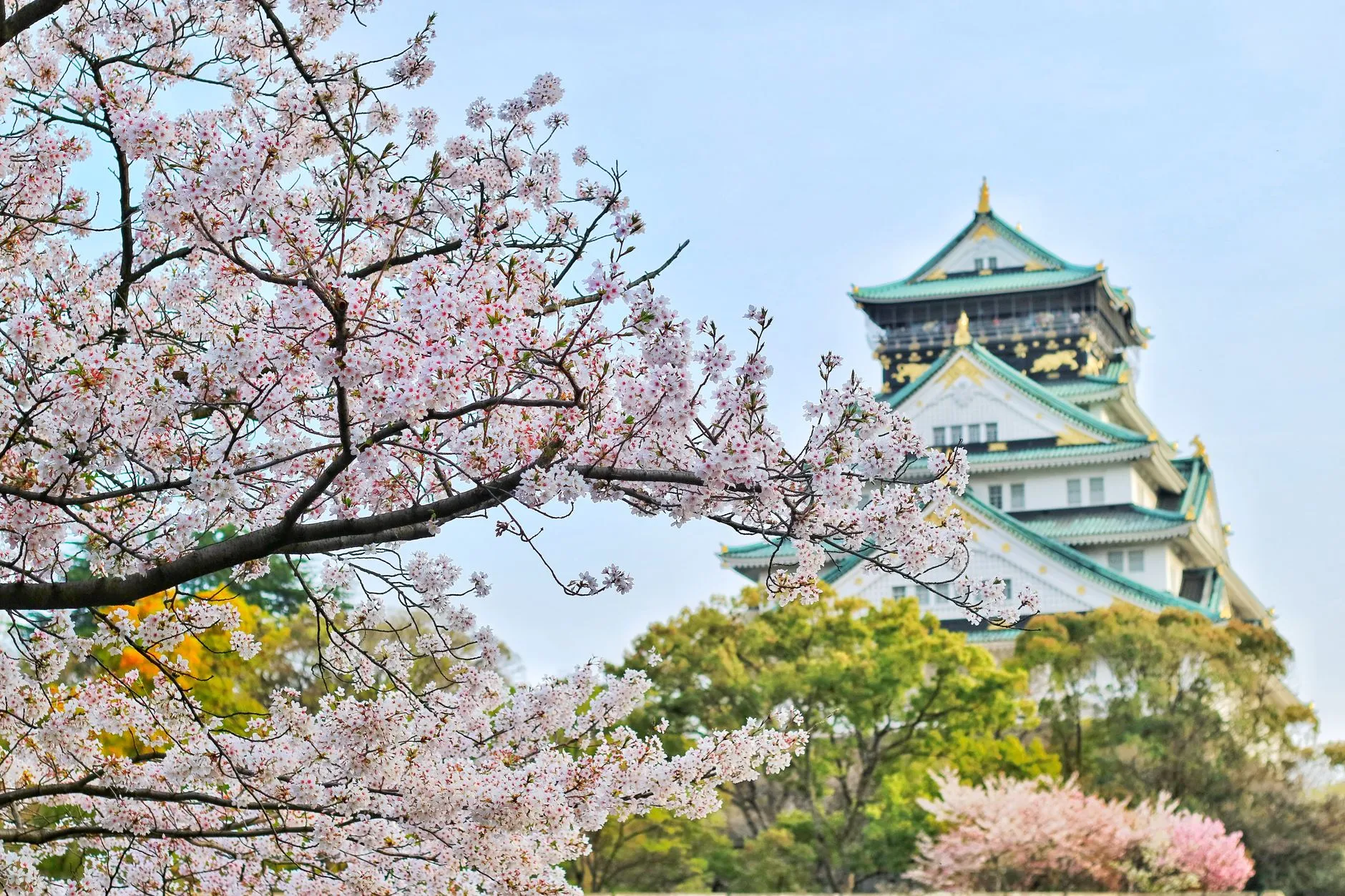
Osaka: Guide to Food, Nightlife and Attractions
Everything you need for Osaka: Dotonbori, Osaka Castle, Shinsaibashi, Universal Studios Japan, where to stay, and a recommended 2-day itinerary.